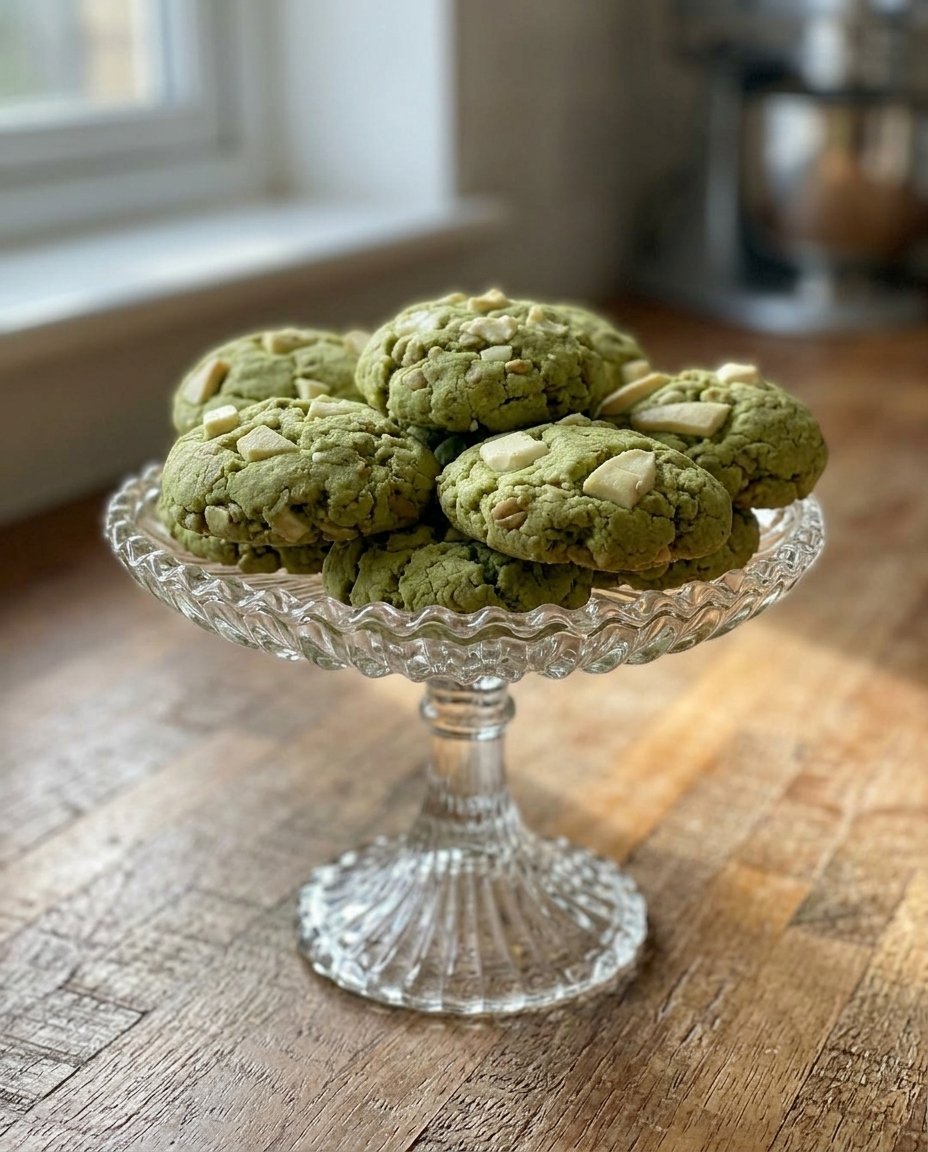
In the Cookies Sweet test kitchen, we analyzed the structural challenges of traditional almond-based doughs to find the exact ratio of fat to protein required for a sandwich cookie. Many recipes produce a crumb that is far too fragile to support a sandwich structure, leading to breakage during the assembly process. By adjusting the ratio of all-purpose flour to superfine almond meal, we developed a formula that maintains the classic nutty profile while providing the tensile strength necessary for a precise 1/8-inch thickness.

This Raspberry Linzer Cookies recipe relies on the chemical interaction between fat and starch to create a tender, melt-in-your-mouth texture. We use cornstarch to interfere with gluten development, which makes certain the cookies remain delicate even after the dough is re-rolled. The result is a professional-grade sandwich cookie that balances the tartness of raspberry jam with the subtle sweetness of almond-infused shortbread.
Precision Meets Structural Success
Most home bakers struggle with dough spread or shrinkage when working with delicate cut-out cookies. This recipe solves those issues through a specific chilling sequence and a high-fat-to-flour ratio that stabilizes during the baking process. You will appreciate the scientific clarity of this method, which makes sure that every heart-shaped cutout remains distinct and every scalloped edge stays sharp.
The chemistry of the almond meal adds moisture through its natural oil content, which prevents the cookies from becoming dry or sandy. Unlike standard sugar cookies, these maintain a flexible crumb that handles the moisture from the raspberry jam without becoming soggy. This structural balance is why this recipe is a breakthrough for those who value both aesthetic perfection and flavor depth.
Print
Raspberry Linzer Cookies
- Total Time: 3 hours 25 mins
- Yield: 24 sandwich cookies
- Diet: Vegetarian
Description
These elegant Raspberry Linzer Cookies combine a tender, almond-infused shortbread with a vibrant fruit center for a professional-grade treat. The addition of cornstarch ensures a delicate, melt-in-your-mouth texture that perfectly balances the tart raspberry jam filling.
Ingredients
- 1 cup (226g) unsalted butter, room temperature
- 2/3 cup granulated sugar
- 1 large egg yolk (25g)
- 2 teaspoons almond extract
- 1 teaspoon vanilla extract
- 2 cups all-purpose flour
- 2/3 cup (67g) superfine almond meal
- 1 tablespoon (8g) cornstarch
- 1/4 teaspoon fine salt
- 640g raspberry jam
- Powdered sugar, for dusting
Instructions
- In a stand mixer, cream the butter and granulated sugar on medium-high speed for 2 minutes until the mixture is pale and airy.
- Incorporate the egg yolk, almond extract, and vanilla extract, mixing on medium speed for 30 seconds to emulsify.
- In a separate bowl, whisk the flour, almond meal, cornstarch, and salt; add to the wet ingredients on low speed until the white streaks disappear.
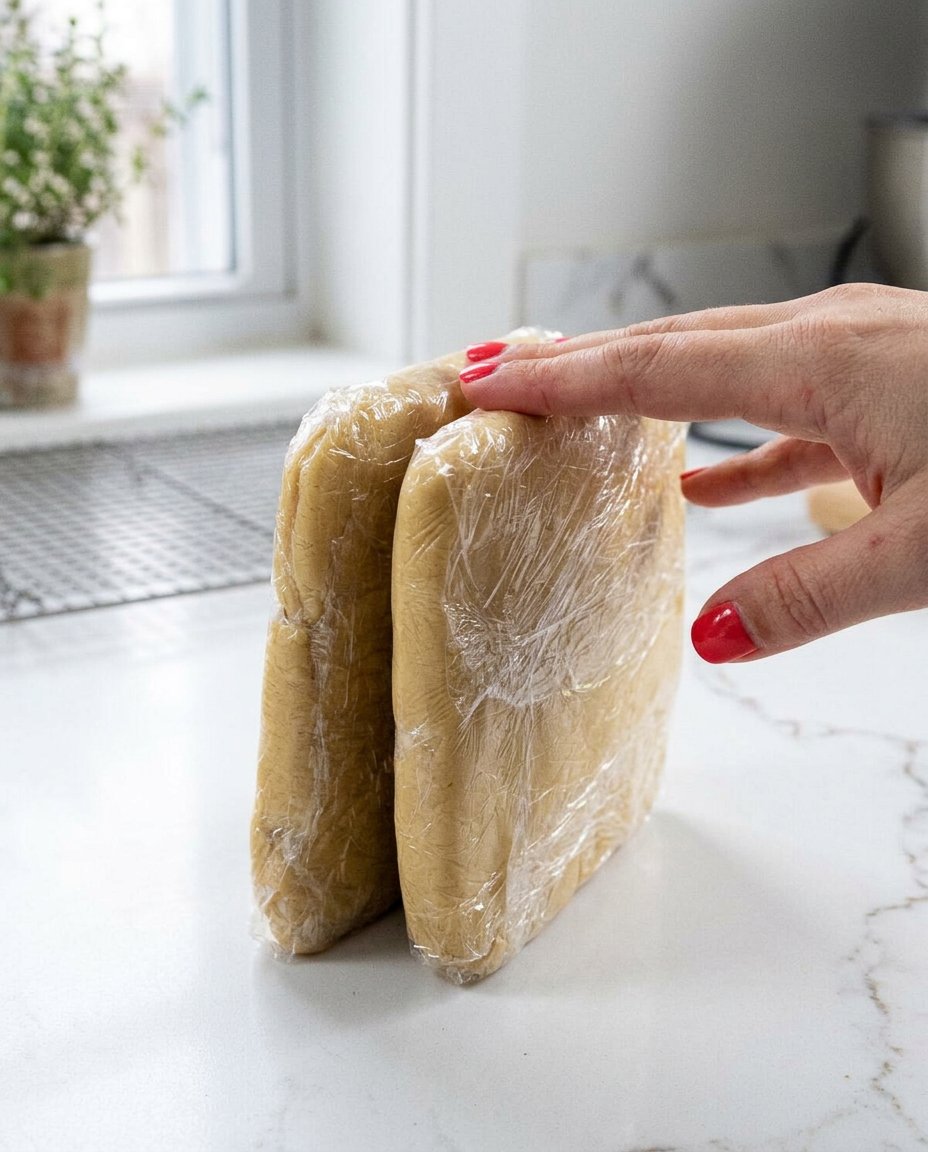
- Divide the dough into two portions, wrap in plastic, and flatten into 1/4-inch rectangles; refrigerate for 45 minutes to stabilize the fat.
- Preheat oven to 350°F (175°C) and roll chilled dough to 1/8-inch thickness before cutting into 1.5-inch rounds, removing centers from half the cookies.
- Bake on the middle rack for 9-10 minutes until set but not browned, then cool on the pan for 15 minutes.
- Dust the cutout tops with powdered sugar, place 2 teaspoons of jam on each solid base, and press the pieces together to set for 2 hours.
Notes
For the cleanest edges, always dip your cookie cutters in flour before each use to prevent the dough from sticking. If your kitchen is warm, work with only half the dough at a time while keeping the rest chilled to ensure the cookies maintain their shape during baking. These cookies improve in texture after sitting for a few hours, as the moisture from the jam creates a cohesive, tender bite.
- Prep Time: 1 hour 5 mins
- Cook Time: 20 mins
- Category: Dessert
- Method: Baking
- Cuisine: European
The Linzer Formula
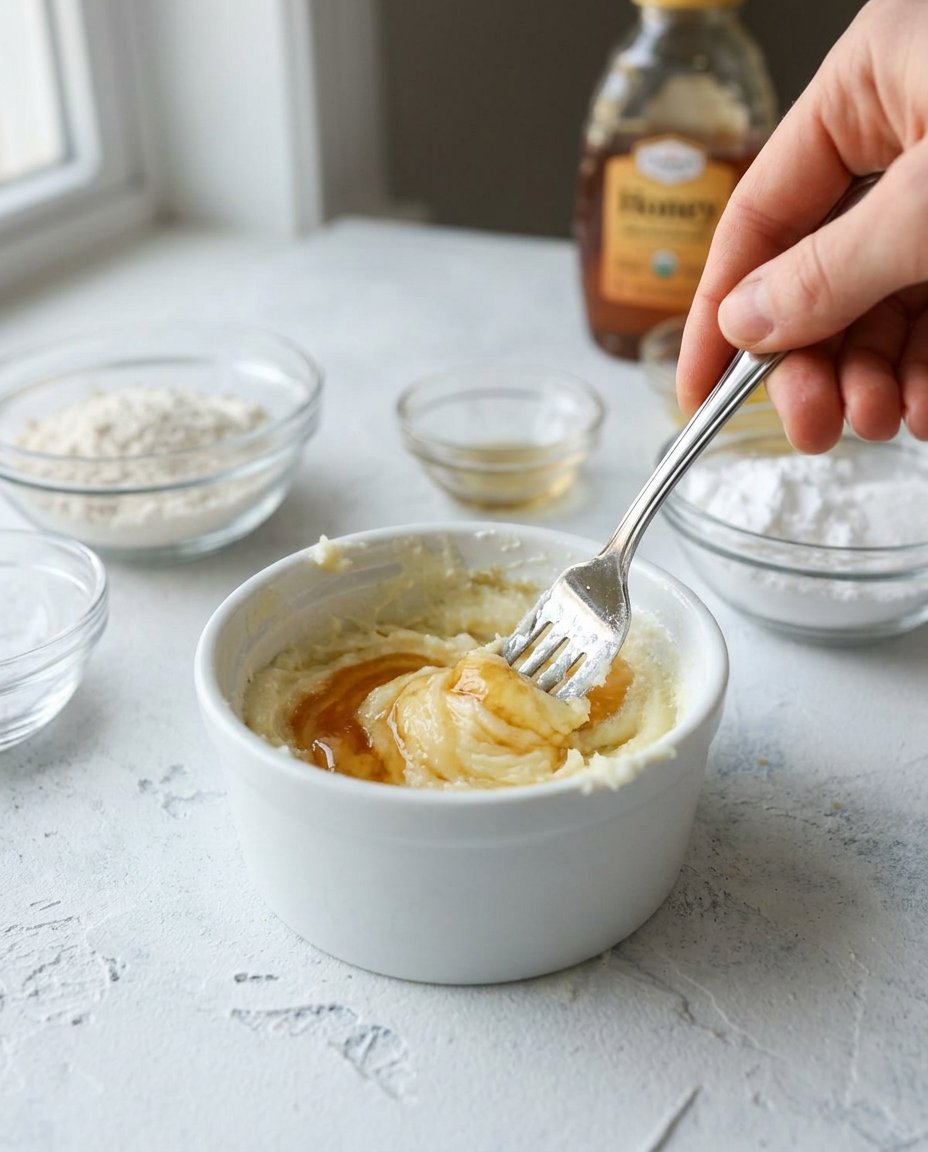
To achieve the perfect balance of flavor and structure, each ingredient in this recipe serves a specific chemical purpose. Here is the breakdown of why these components are necessary for success:
- Unsalted Butter (226g): We use room temperature butter to facilitate aeration during the creaming process. This creates tiny air pockets that expand in the oven, giving the cookie its lightness.
- Superfine Almond Meal (67g): This adds essential oils and a nutty flavor. Using superfine meal is vital; larger granules can disrupt the gluten network and cause the cookies to crumble.
- Cornstarch (8g): By adding a small amount of cornstarch, we lower the overall protein percentage of the flour mixture. This yields a more tender crumb by limiting gluten formation.
- Egg Yolk (25g): We omit the white to reduce water content and increase fat. This results in a richer, shorter dough that is less prone to toughing.
- Raspberry Jam (640g): The pectin in the jam acts as a stabilizer once the cookies are sandwiched, preventing the filling from leaking at room temperature.
- Almond and Vanilla Extracts: These provide the signature aromatic profile. Toasting the almond meal briefly before mixing can further activate the oils for a deeper scent.
The Scientific Process
Step 1: Aerate the Fats and Sugars
In a stand mixer, combine 1 cup of unsalted butter with 2/3 cup of granulated sugar. Beat on medium-high speed for exactly two minutes. You are looking for a physical color change; the mixture should transition from yellow to a pale cream. This indicates that you have successfully incorporated air into the fat, which is the only leavening agent these cookies rely on.
Step 2: Emulsify the Flavoring Agents
Add 1 egg yolk (25g), 2 teaspoons of almond extract, and 1 teaspoon of vanilla extract to the creamed mixture. Mix on medium speed for 30 seconds. The yolk contains lecithin, which acts as an emulsifier to bind the fat from the butter with the liquid extracts, preventing the dough from breaking later.
Step 3: Integrate the Dry Matrix
In a separate bowl, whisk together 2 cups of all-purpose flour, 2/3 cup of superfine almond meal, 1 tablespoon of cornstarch, and 1/4 teaspoon of fine salt. Turn the mixer to the lowest setting and add the dry ingredients. Stop as soon as the last streak of white disappears. Over-mixing at this stage will develop gluten, leading to a tough cookie rather than a tender one.
Step 4: Thermodynamic Stabilization
Divide the thick dough into two equal portions. Wrap each in plastic and flatten into a rectangle of 1/4 inch thickness. Refrigerate for at least 45 minutes. This step is critical because it allows the butter to re-solidify and the flour to fully hydrate, which prevents the cookies from spreading in the oven.
Step 5: Precision Rolling and Cutting
Preheat your oven to 350°F (175°C). Roll the chilled dough between sheets of plastic or on a lightly floured surface to exactly 1/8 inch thick. Use a 1 1/2-inch scalloped cutter for all rounds, then use a 3/4-inch heart cutter to remove the centers from half of the rounds. If the dough warms up, return it to the fridge for 5 minutes before transferring the shapes to the baking sheet.
Step 6: The Controlled Bake
Bake one sheet at a time on the middle rack for 9-10 minutes. Watch closely; the cookies should be set but not browned. Removing them before the edges turn golden preserves the delicate almond flavor and prevents the sugars from becoming bitter. Let them cool on the pan for 15 minutes to allow the structure to set before moving them to a wire rack.
Step 7: Assembly and Moisture Migration
Dust the cutout tops with powdered sugar. Place 2 teaspoons of raspberry jam on each solid base. Press the top cookie down gently until the jam fills the heart cutout. Allow the cookies to sit for at least two hours before serving; this allows the moisture from the jam to soften the cookie slightly, creating a unified texture.
Lauren’s Lab Notes
Temperature control is the most important factor in this recipe. If your kitchen is warmer than 72°F (22°C), your dough will become greasy as the butter melts. If this happens, the cookies will lose their scalloped definition in the oven. Always work with one half of the dough while keeping the other in the refrigerator.
For a more professional look, check out our Artisan Cookie Collection to learn about different piping techniques for the jam centers. Additionally, for more inspiration on how to achieve this specific texture, you can reference this raspberry linzer cookies guide which emphasizes the importance of chilling. If your cookies are sticking to the cutter, dip the tool in flour between every single cut to create a clean release and maintain the structural integrity of the edges.
Tested Variations
Our test kitchen experimented with different nut-to-flour ratios to provide options for various flavor profiles. If you prefer a more robust flavor, substitute the almond meal with hazelnut meal. Because hazelnut meal has a slightly higher fat content, reduce the butter by 1 tablespoon to maintain the correct structural balance.
For a citrus twist, add the zest of one lemon to the butter and sugar mixture. The citric acid will actually help break down the protein in the flour, making for an even softer bite. You can find more seasonal ideas in our Seasonal Cookie Design section. If you want a chocolate version, replace 1/4 cup of the all-purpose flour with high-quality Dutch-processed cocoa powder. This change increases the dry mass, so you may need to add 1 extra teaspoon of vanilla extract to keep the dough cohesive.
Flavor Science and Pairing
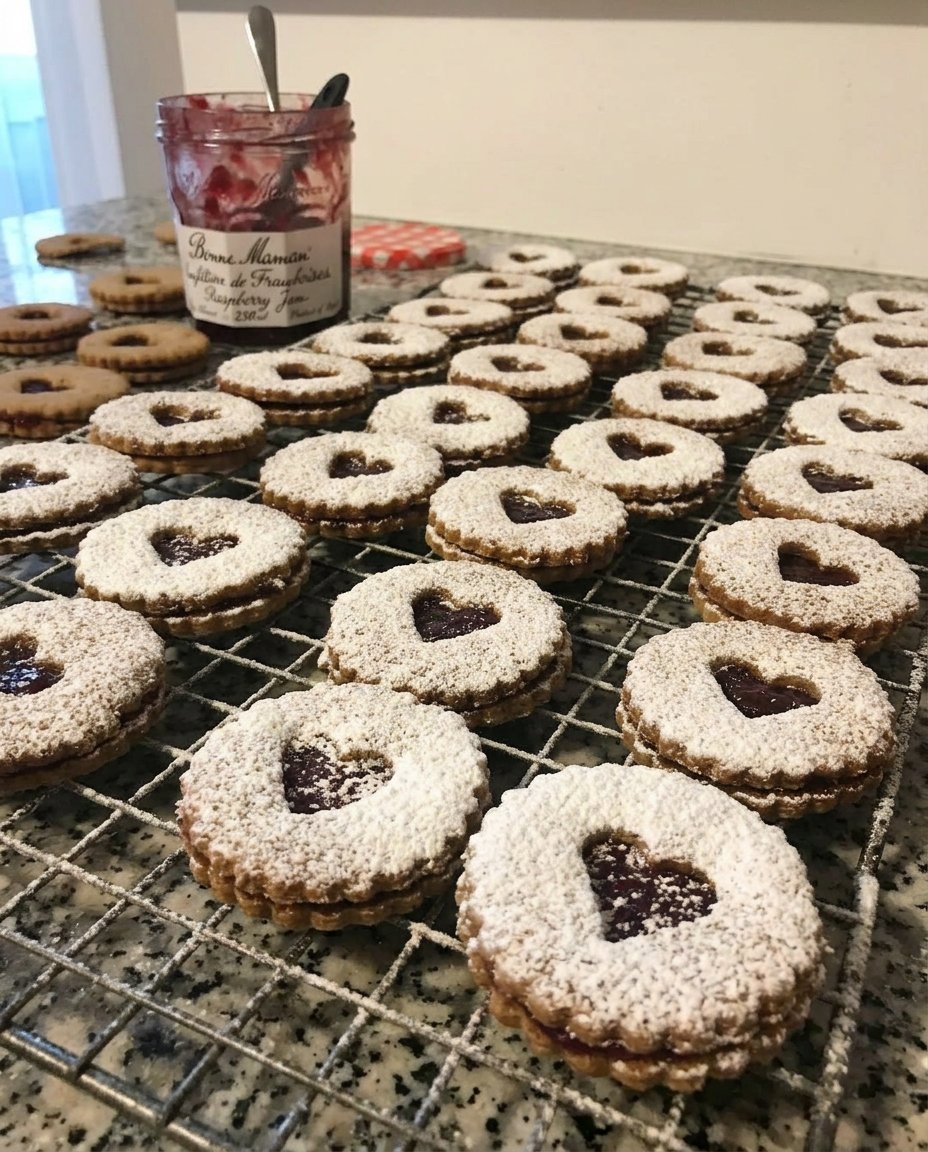
These cookies are best served at room temperature, approximately 70°F (21°C). At this temperature, the butter fats are soft enough to provide a creamy mouthfeel but firm enough to hold the sandwich together. If you serve them directly from the fridge, the flavors will be muted because the cold suppresses the aromatic compounds in the almond and vanilla.
Pair these with a light Earl Grey tea; the bergamot oil in the tea complements the floral notes of the raspberry. For a more formal presentation, explore our Cookie Decorating Studio for tips on using edible gold leaf or floral garnishes. The salt in the dough is small but vital; it suppresses bitterness and allows the sweetness of the fruit to be the primary flavor note on your palate.
The Scientific Truth
Success with Raspberry Linzer Cookies comes down to respecting the chemistry of the dough. By maintaining strict temperature control and precise measurements, you create a cookie that is both a visual triumph and a structural success. I encourage you to keep testing these ratios in your own kitchen to see how small changes in almond meal or flour can shift the final result. For more innovative ideas, browse our Trending Cookie Creations to see how we apply these principles to other classic bakes. Share your results with our community and let us know how your batch turned out!
Follow us for more kitchen science: Pinterest, Instagram, Facebook, and X.