In our test kitchen, we recently investigated why commercial matcha chips often fail to deliver a true tea flavor without becoming overly chalky. By controlling the exact ratio of high-quality white chocolate to sifted matcha, we discovered a method that maintains structural stability while maximizing the vibrant chlorophyll notes. This scientific approach allows us to create custom-strength inclusions that standard grocery store options simply cannot match.

This specific formula for Matcha Chocolate Chip 2 relies on a precise lipid-to-powder ratio to prevent the chocolate from seizing or blooming. Whether you prefer distinct chips or rustic chunks, understanding the thermodynamics of white chocolate is the key to achieving a professional finish. We have tested these ratios against various cookie bases to guarantee they hold their shape during the baking process.
The Science of Balanced Bitterness
The primary appeal of this recipe lies in the chemical balance between the heavy sweetness of white chocolate and the astringent tannins of the matcha powder. Most white chocolate contains a high percentage of sugar and milk solids, which can overwhelm the palate. By introducing finely milled tea leaves, we create a complex flavor profile that appeals to a more sophisticated taste.
Precision in the melting process is what makes this recipe a breakthrough for home bakers. White chocolate is notoriously fickle due to its low scorched point, typically around 110°F (43°C). Our method uses a gentle heat application to keep the cocoa butter crystals stable. This results in a chip that has a satisfying snap at room temperature but melts smoothly when bitten into.
Another reason you will find this formula superior is the customizable intensity. We tested several concentrations and found that 1 tablespoon provides a classic balance, while 1.5 tablespoons offers a deep, earthy intensity for true tea aficionados. This level of control enables you to tailor your bakes to specific flavor goals without risking a crumbly or dry texture in your final cookie dough.
Finally, the addition of coconut oil is a calculated move to improve the viscosity of the melted chocolate. Without this small amount of medium-chain triglycerides, the mixture can become too thick to pipe into uniform chips. The oil acts as a lubricant for the matcha particles, allowing them to suspend evenly throughout the fat phase of the chocolate rather than clumping together.
Print
Matcha Chocolate Chip 2
- Total Time: 35 mins
- Yield: 1 cup
- Diet: Vegetarian, Gluten-Free
Description
Unlock professional-grade baking results with these custom-made matcha chocolate inclusions, designed to offer a vibrant green hue and a sophisticated flavor balance. This recipe utilizes a precise ratio of lipids to tea powder to ensure your chips maintain their structural integrity and smooth texture during the baking process.
Ingredients
- 1 cup high-quality white chocolate chips (containing cocoa butter)
- 1/2 teaspoon coconut oil
- 1 to 1.5 tablespoons culinary grade matcha powder
Instructions
- Set up a bain-marie by bringing one inch of water to a simmer in a small saucepan or prepare a microwave-safe ceramic bowl.
- Place the white chocolate chips and coconut oil in the bowl and melt using gentle heat, stirring constantly until the mixture is fluid and smooth.
- Remove the chocolate from the heat once it reaches approximately 105°F (40°C) and sift the matcha powder directly into the bowl.
- Whisk or fold the matcha into the chocolate until the mixture achieves a uniform, vibrant green color without any visible clumps.
- Pipe the mixture into small dots or spread it onto a silicone mat to a 1/4-inch thickness, then freeze for 15 to 20 minutes to set the crystals.
Notes
Always ensure your equipment is completely dry before beginning, as even a small amount of moisture can cause the white chocolate to seize and turn grainy. For the best visual results, use a culinary-grade matcha which is specifically milled to retain its brilliant color even when exposed to high oven temperatures.
- Prep Time: 10 mins
- Cook Time: 5 mins
- Category: Baking Ingredient
- Method: Melting
- Cuisine: Fusion
The Three-Component Formula
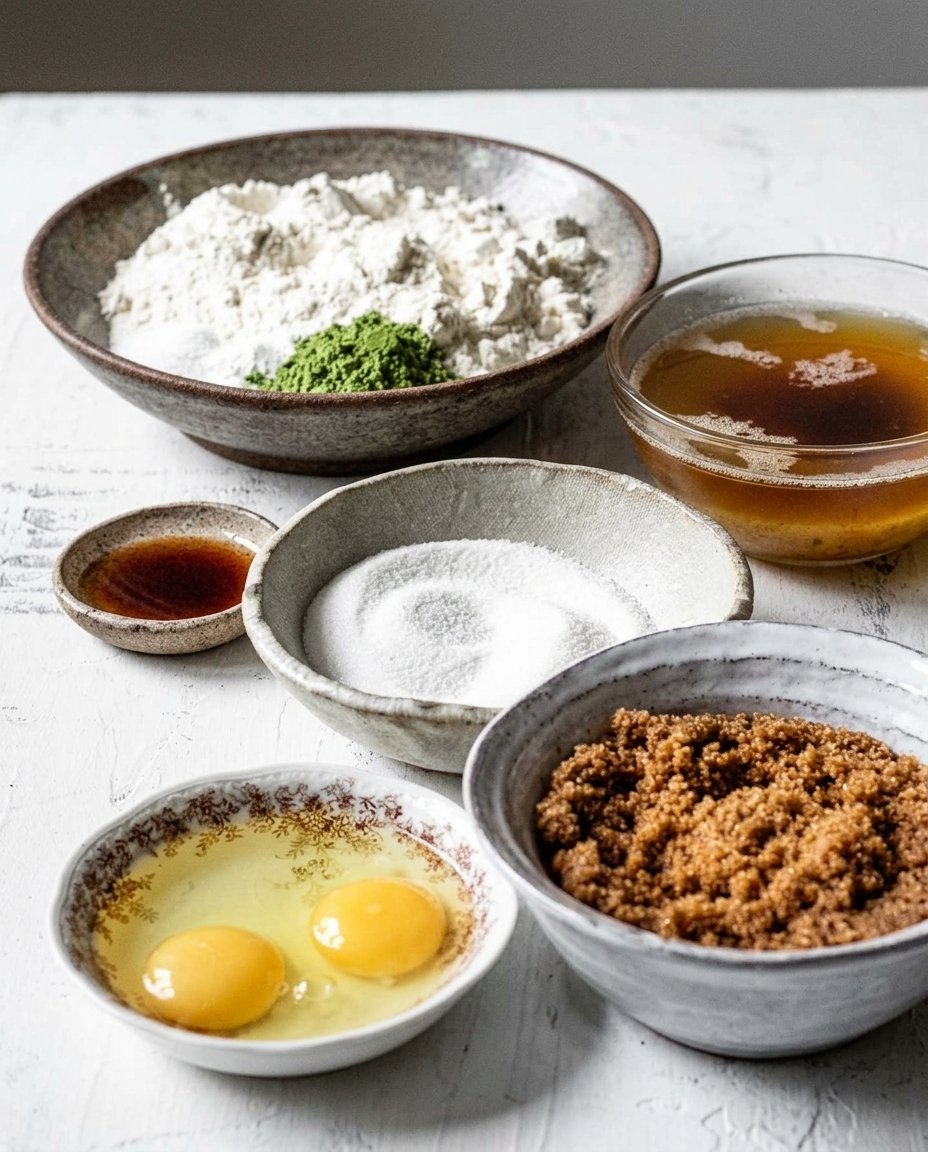
Successful confectionery science starts with understanding your raw materials. Each ingredient in this Matcha Chocolate Chip 2 recipe serves a specific functional purpose in the final structure of the chip.
- White Chocolate Chips (1 cup): Select a high-quality brand that contains real cocoa butter. Avoid “candy melts” or “coating wafers” that use hydrogenated palm oils, as these lack the authentic mouthfeel and stability required for high-end baking inclusions. The sugar content here provides the necessary base for the bitter tea notes.
- Coconut Oil (1/2 teaspoon): This ingredient is crucial for adjusting the melting point and flow. It lowers the overall viscosity of the melted mass, making it possible to achieve a smooth, pourable consistency. It also contributes to a glossier finish on the set chips.
- Culinary Grade Matcha Powder (1 to 1.5 tablespoons): Quality matters here. Culinary grade matcha is processed to withstand heat better than ceremonial grade, which can lose its color and turn brown when baked. Sifting this powder is a non-negotiable step to prevent localized clusters of bitterness.
When these components interact, the fat from the chocolate and the oil coats the tiny matcha particles. This prevents the tea from absorbing too much moisture from the air, which would cause the chocolate to seize into a grainy mess. Maintaining a dry environment during this phase is essential for a successful outcome.
The Controlled Melting Process
Step 1: Prepare the Thermal Environment
Begin by setting up your station. If using the microwave method, select a ceramic or glass bowl that retains heat evenly. For the bain-marie method, which I recommend for better temperature control, fill a small saucepan with 1 inch of water. Bring it to a gentle simmer. The steam provides the indirect heat necessary to melt the cocoa butter without breaking its molecular bonds.
Step 2: Combine Lipids and Heat
Place the white chocolate chips and the coconut oil into your bowl. If using the bain-marie, place the bowl over the simmering water, verifying that the bottom does not touch the liquid. Stir constantly with a silicone spatula. If using the microwave, heat in 20-second intervals at 50% power. Remove and stir between each burst. Stop when only a few small lumps remain; the residual heat will finish the melting process safely.
Step 3: Integrate the Matcha Suspension
Once the chocolate is completely fluid and reaches a temperature of approximately 105°F (40°C), remove it from the heat source. Sift the matcha powder directly over the bowl. Use a small whisk or spatula to fold the powder into the chocolate. Continue mixing until the color is a uniform, vibrant green. This step requires patience to ensure no microscopic lumps of tea remain, which would ruin the texture.
Step 4: Shape the Inclusions
For chunks, pour the mixture onto a prepared baking sheet lined with a silicone mat. Spread it to a precise 1/4-inch thickness using an offset spatula. For traditional chips, transfer the mixture to a squeeze bottle or a piping bag with a 1/8-inch tip. Pipe small, consistent dots onto the mat. The surface tension of the chocolate will naturally round them out into the familiar chip shape.
Step 5: Thermal Set and Crystallization
Place the baking sheet in the freezer for exactly 15 to 20 minutes. This rapid cooling helps lock the cocoa butter into a stable crystalline structure, preventing bloom. Once solid, the chunks can be fractured with a sharp chef’s knife, or the chips can be peeled away by gently flexing the silicone mat. Store the finished inclusions in an airtight container in a cool, dark place.
Lauren’s Lab Notes for Stability
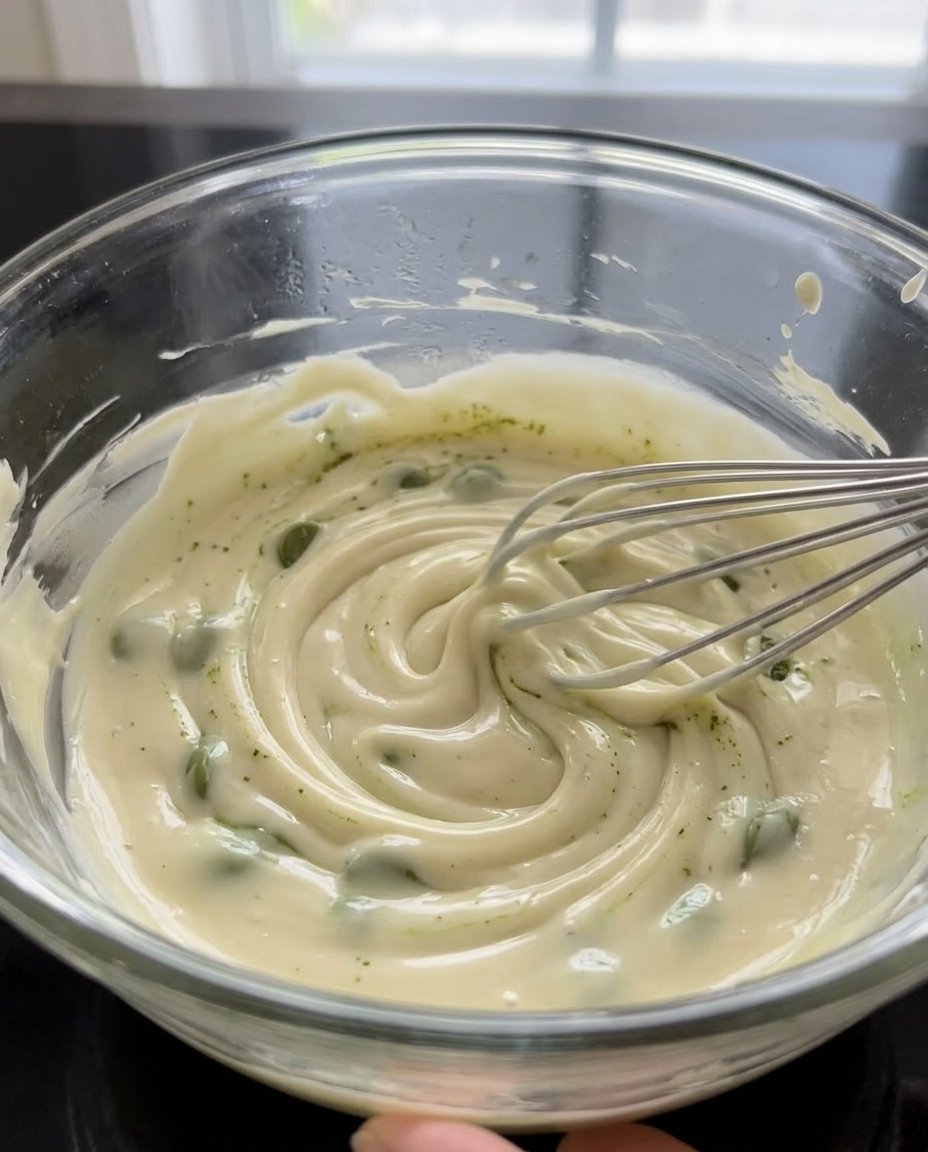
Temperature management is the most critical variable in this process. If your white chocolate exceeds 110°F, the proteins will begin to clump and the sugar will separate from the fat, resulting in a gritty texture that cannot be fixed. I always suggest using a digital thermometer to monitor the mass as it melts. For those looking to use these in a more complex recipe, you can see how we apply similar precision in our Artisan Cookie Collection.
Moisture is the enemy of this chemical reaction. Even a single drop of water from the steam of a bain-marie or a damp spatula will cause the chocolate to seize. To prevent this, always wipe the bottom of your bowl after removing it from the heat and use clean, dry equipment. If you find your matcha is clumping despite sifting, try whisking it with the coconut oil first to create a paste before adding it to the bulk of the chocolate. This technique, similar to making a roux, ensures every particle is coated in fat. For more scientific insights on ingredient behavior, check out the techniques discussed at Proportional Plate.
Tested Structural Modifications
You can modify the base lipid for different flavor profiles while maintaining the same structural integrity. For a nuttier undertone, replace the coconut oil with cocoa butter. This will result in a firmer chip with a higher melting point. If you are interested in exploring other seasonal flavor profiles that utilize these technical foundations, our Seasonal Cookie Design section offers several tested alternatives.
Another variation involves the addition of a microscopic amount of sea salt—no more than 1/8 teaspoon. Salt acts as a flavor enhancer that suppresses the perception of bitterness while heightening the floral notes of the matcha. We have also tested a ‘Dark Matcha’ version by using a 50/50 blend of white chocolate and a high-percentage milk chocolate, though this requires adjusting the matcha quantity upward to 2 tablespoons to maintain the color visibility against the darker background.
Thermodynamics and Pairing
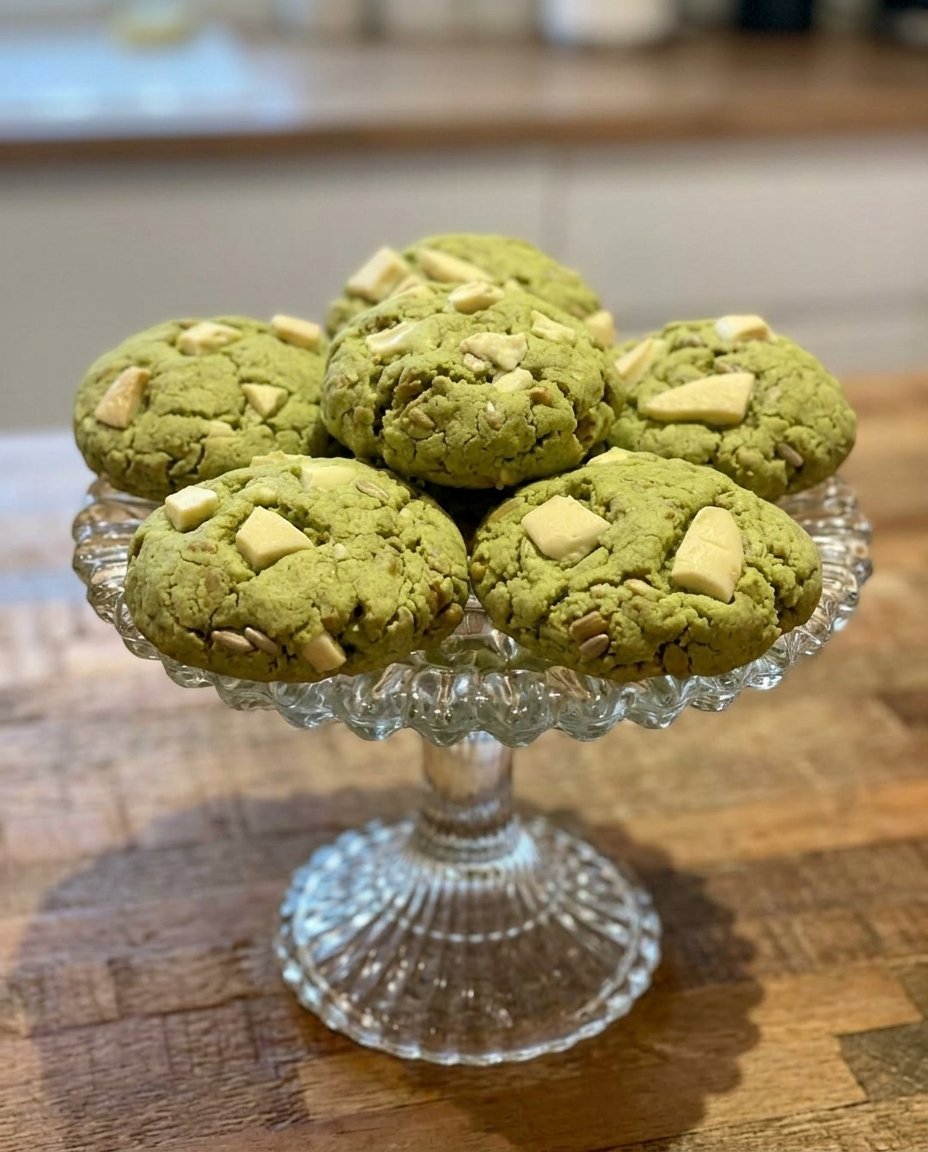
To experience the full flavor profile of these Matcha Chocolate Chip 2 inclusions, I recommend serving the cookies slightly warm. At approximately 95°F, the white chocolate begins to soften, releasing the aromatic compounds of the matcha. If the cookies are too cold, the fats remain solid, and the flavor perception is muted. For more tips on presenting your final bakes with professional flair, visit our Cookie Decorating Studio.
These chips pair exceptionally well with citrus-based shortbreads or black sesame cookies. The acidity of lemon or the deep earthiness of sesame creates a multi-dimensional tasting experience. When pairing with beverages, a light oolong tea or a standard latte provides the perfect moisture balance to the rich, fatty nature of the chocolate chips. Always store any leftover chips in a cool environment to prevent the coconut oil from softening too much, which can lead to sticking.
The Scientific Truth About Flavor Control
Creating your own inclusions like these Matcha Chocolate Chip 2 pieces is a significant step toward mastering cookie chemistry. By moving away from store-bought options, you gain total authority over the flavor balance and structural performance of your ingredients. This precision is what separates a hobbyist baker from a true innovator in the kitchen. For more breakthrough ideas on cookie innovation, stay updated with our Trending Cookie Creations. We invite you to share your test kitchen results and join our community of precision-focused bakers on Pinterest, Instagram, and Facebook.