In our latest test kitchen session, we focused on the structural limitations of standard boxed mixes. We discovered that by adjusting the hydration levels and introducing specific acidic components, we could transform a basic spice base into a sturdy, moist cake that rivals scratch-made recipes. This scientific approach allowed us to identify the exact point where molasses provides depth without making the crumb overly dense or sticky.

The following formula relies on the synergy between sour cream and buttermilk to produce a tender texture while maintaining enough integrity for clean slicing. By adding a small amount of all-purpose flour, we provide the necessary gluten structure to support the weight of the additional molasses and sugars. This method provides a foolproof way to achieve professional results with the convenience of a prepared base.
Precision Meets Flavor
This recipe works because it treats a boxed mix as a raw material rather than a finished product. Most home bakers struggle with gingerbread that is either too dry or too heavy, but our tests confirmed that adding 1/2 cup of sour cream creates a fat barrier that keeps the crumb soft for days. The addition of brown sugar and molasses increases the hygroscopic nature of the cake, meaning it actually pulls moisture from the air to keep it from drying out. You will appreciate how the extra ginger and nutmeg amplify the existing spice profile without overwhelming the palate. It is a breakthrough in holiday baking that prioritizes structural success alongside deep, warm flavors.
Print
Cake Mix Gingerbread 2
- Total Time: 55 mins
- Yield: 12 servings
- Diet: Vegetarian
Description
This semi-homemade gingerbread cake transforms a basic spice mix into a gourmet dessert using the chemistry of sour cream and molasses. The result is a deeply spiced, moist cake that maintains a professional structure perfect for holiday entertaining.
Ingredients
- 15.25 oz spice cake mix
- 1/2 cup all-purpose flour
- 1/2 cup brown sugar
- Ground ginger
- Ground cinnamon
- Ground nutmeg
- 1 cup sour cream
- 1/2 cup buttermilk
- 3 large eggs
- 1/2 cup molasses
Instructions
- Preheat your oven to 350°F (175°C) and prepare a 9×13-inch baking pan with butter or non-stick spray.
- In a large mixing bowl, whisk together the spice cake mix, flour, brown sugar, ginger, cinnamon, and nutmeg until well combined and aerated.
- In a separate bowl, whisk the buttermilk and eggs together until the mixture is fully emulsified.
- Combine the buttermilk mixture, sour cream, and molasses with the dry ingredients, folding gently with a spatula until no dry streaks remain.
- Pour the batter into the prepared pan, level the surface, and bake for 35 to 40 minutes or until a toothpick inserted in the center comes out clean.
- Allow the cake to cool completely in the pan to ensure the starches set and the moisture redistributes throughout the crumb.
Notes
To ensure a smooth batter and superior rise, bring your eggs and dairy to room temperature before beginning. Greasing your measuring cup with a little oil before measuring the molasses will help it pour out completely and accurately.
- Prep Time: 15 mins
- Cook Time: 40 mins
- Category: Dessert
- Method: Baking
- Cuisine: American
The Formula
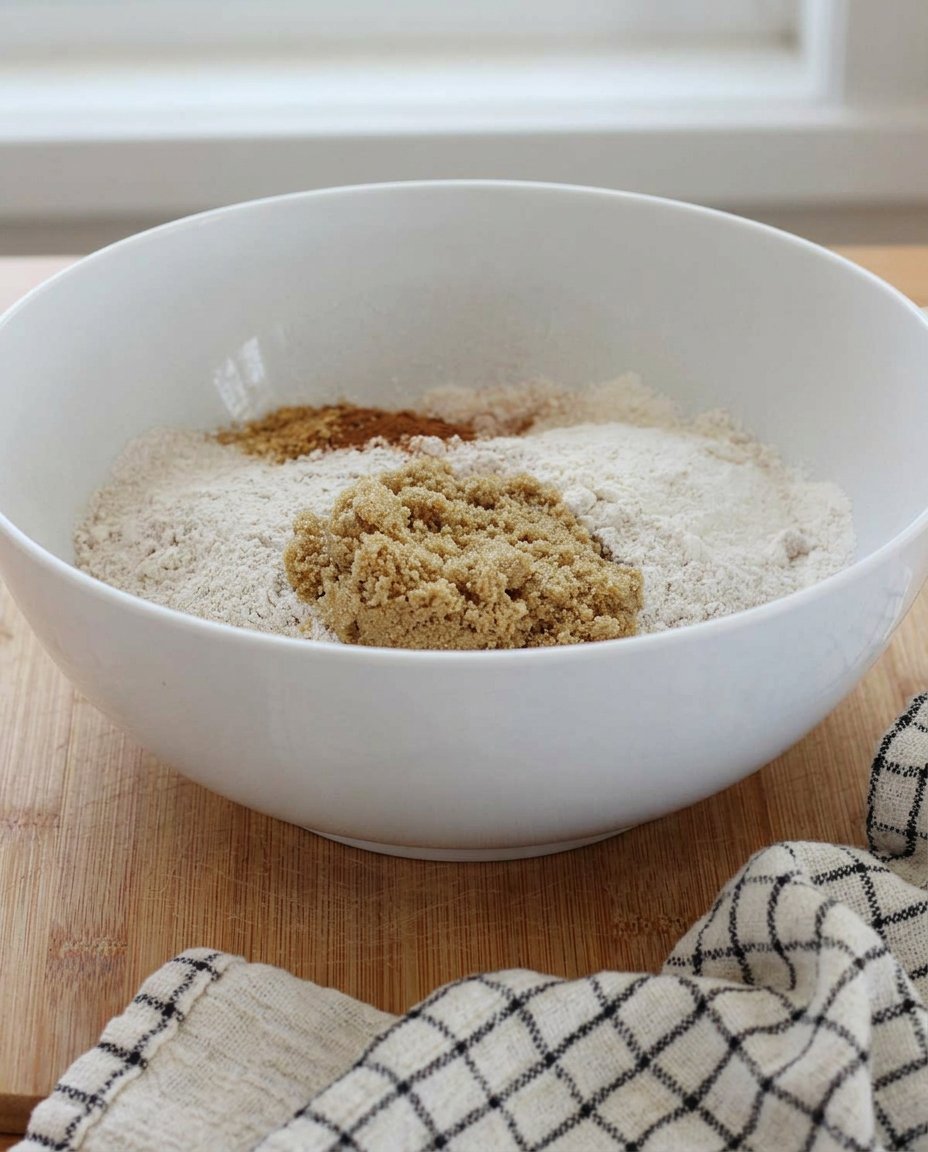
To achieve the perfect balance of moisture and structure, we selected these specific components based on their chemical properties and how they interact during the baking process.
- Spice Cake Mix (15.25oz): This serves as the foundation, providing pre-measured leavening agents and a base spice profile that we will build upon.
- All-Purpose Flour (1/2 cup): We add this to increase the protein content, which creates a stronger gluten network to support the heavy molasses.
- Brown Sugar (1/2 cup): This adds moisture and a hint of caramel flavor through the Maillard reaction during baking.
- Ginger, Cinnamon, and Nutmeg: These dry spices are toasted slightly by the oven heat, releasing essential oils for a more vibrant sensory experience.
- Sour Cream (1 cup): The high fat content and thick consistency provide a creamy mouthfeel and prevent the cake from becoming crumbly.
- Buttermilk (1/2 cup): The acidity in buttermilk reacts with the leaveners in the cake mix to create a more vigorous rise and a finer crumb.
- Eggs (3 large): These provide the emulsifiers and proteins necessary to bind the fats and liquids into a stable batter.
- Molasses (1/2 cup): This provides the signature gingerbread color and acidity, acting as a natural preservative and tenderizer.
The Method
Step 1: Thermal Preparation
Begin by heating your oven to exactly 350°F (175°C). Use an oven thermometer to verify the accuracy of your appliance, as even a 10-degree variance can affect the rise. Prepare a 9×13-inch baking pan by applying a thin, even layer of butter or non-stick spray. This step is vital to prevent the high-sugar batter from adhering to the pan surfaces.
Step 2: Dry Ingredient Integration
In a large mixing bowl, combine the spice cake mix, flour, brown sugar, ginger, cinnamon, and nutmeg. Use a whisk to break up any clumps in the brown sugar. This mechanical aeration helps distribute the additional spices and flour evenly, preventing pockets of unmixed dry material that could lead to structural weak spots in the finished cake.
Step 3: Emulsifying the Liquids
In a separate vessel, whisk the buttermilk and eggs together. This step is critical because it begins the emulsification process before the fats from the sour cream are introduced. A smooth egg-and-dairy mixture integrates more efficiently into the dry ingredients, reducing the amount of mixing required and preventing the overdevelopment of gluten.
Step 4: Final Batter Synthesis
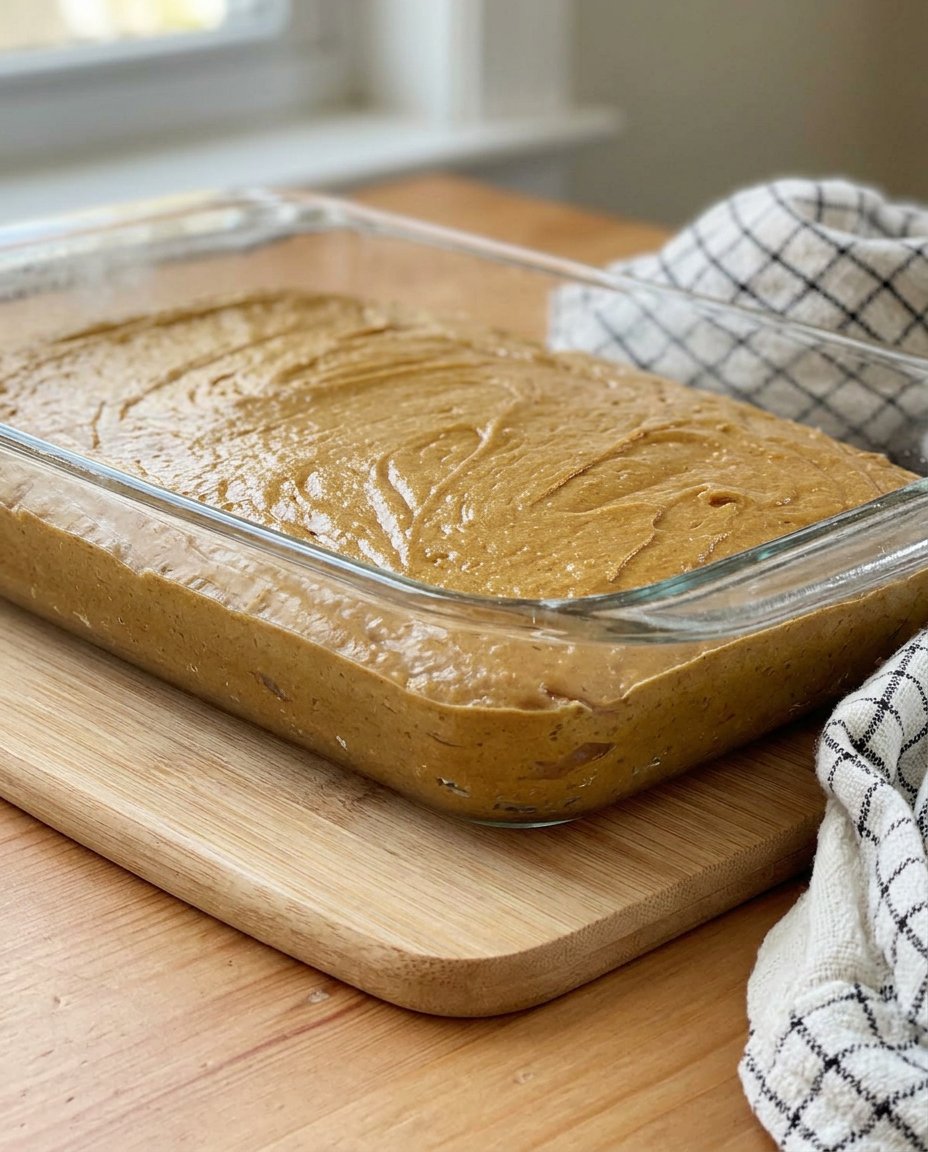
Combine the buttermilk mixture, sour cream, and molasses with the dry ingredients. Use a spatula to fold the components together gently. Stop as soon as no dry streaks remain. Our tests show that overmixing at this stage leads to a tough, rubbery texture because the gluten becomes too elastic. The goal is a smooth, thick batter that maintains its viscosity.
Step 5: Thermal Processing
Transfer the batter into the prepared pan and level the surface with an offset spatula. Bake for 35 to 40 minutes. The cake is finished when an internal temperature probe reaches 205°F (96°C) or a toothpick inserted into the center comes out clean. The high molasses content means the cake will appear dark, so do not rely on color alone to judge doneness.
Step 6: Cooling and Stabilization
Allow the cake to cool completely within the pan. This cooling period is not just for temperature; it allows the starch molecules to set and the moisture to redistribute through the crumb. If you frost the cake while it is still warm, the heat will break down the frosting’s emulsion, resulting in a greasy finish.
Lauren’s Lab Notes
When working with molasses, always coat your measuring cup with a thin layer of oil first. This reduces surface tension and allows the viscous liquid to pour out completely, making certain you get the full 1/2 cup required for the chemical balance of the recipe. If you find your cake is sinking in the middle, it often indicates that the buttermilk was too cold; for the best rise, have all your dairy and eggs at room temperature (around 70°F). For those interested in more structured bakes, look through our Artisan Cookie Collection to see how we apply similar hydration principles to handheld treats. You can also see more on spice ratios at One Sweet Appetite.
Tested Variations
If you prefer a more pungent spice profile, you can swap the ground ginger for 1 tablespoon of finely grated fresh ginger root. However, since fresh ginger contains more water, you should reduce the buttermilk by 1 tablespoon to maintain the correct liquid-to-solid ratio. For a festive twist, add 1/2 cup of finely chopped crystallized ginger to the dry ingredients. We have also tested this recipe with a gluten-free spice cake mix; in that case, replace the 1/2 cup of all-purpose flour with a high-quality gluten-free 1-to-1 blend to keep the structure intact. For more creative seasonal ideas, check our Seasonal Cookie Design guides.
Flavor Science and Pairings
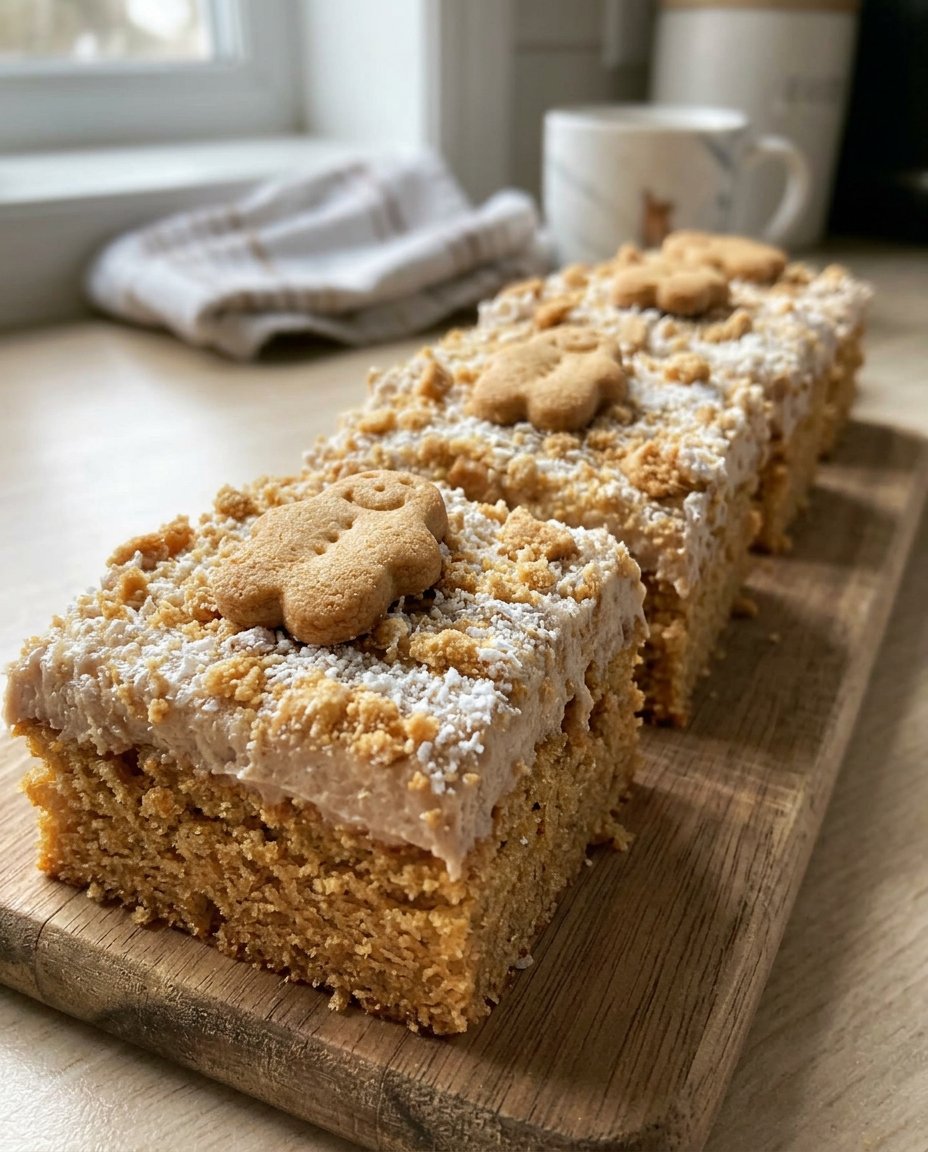
To maximize the sensory experience, serve this cake at room temperature or slightly warmed. When the cake is warm, the aromatic compounds in the cinnamon and nutmeg are more volatile, making the flavor seem more intense. We suggest a dollop of unsweetened whipped cream to balance the sugar levels, or a dusting of powdered sugar for a clean, professional look. For those looking to present this at a holiday event, our Trending Cookie Creations offer excellent companion pieces for a dessert spread.
The Scientific Truth
Baking is fundamentally an act of chemistry, and this gingerbread proves that even a simple box mix can be transformed through precise ingredient adjustments. By understanding how fats, acids, and proteins interact, you can produce a holiday dessert that is both reliable and remarkable. We encourage you to keep testing these ratios in your own kitchen to find the perfect balance for your local altitude and humidity. For more simplified yet elegant baking techniques, visit our Effortless Cookie Elegance section. Share your results with our community on Facebook, Instagram, or Pinterest.