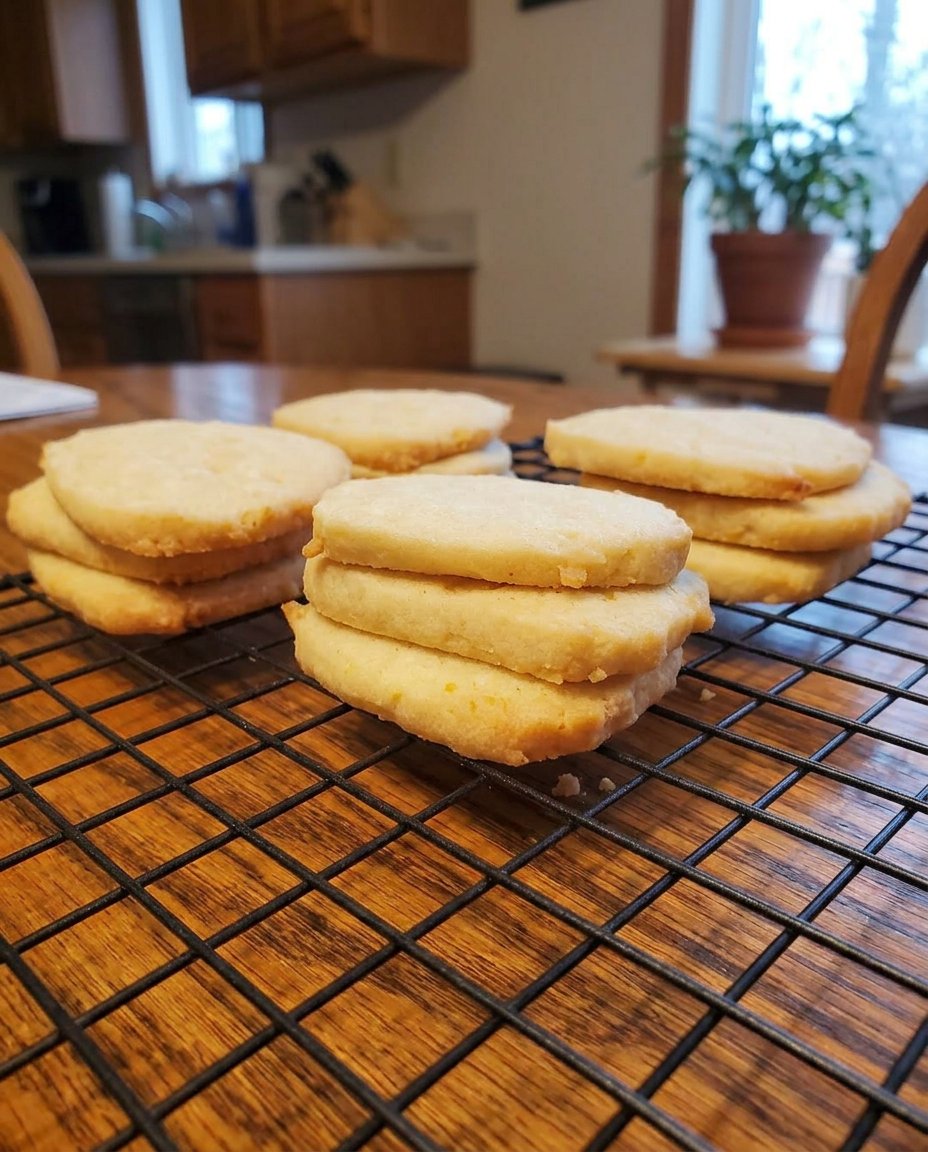
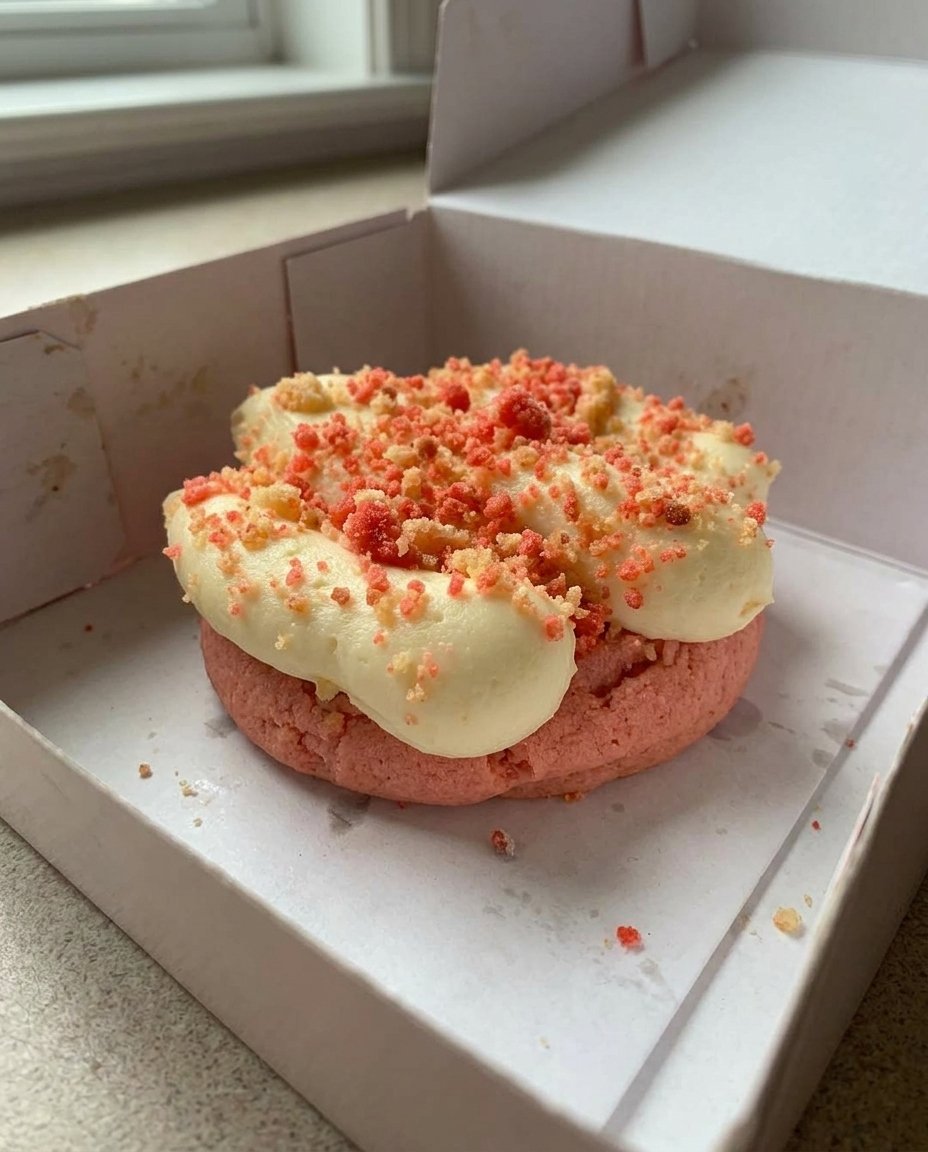
In our test kitchen, we spent weeks testing the precise ratio of cornstarch to all-purpose flour to achieve the signature shortbread ‘snap’ without sacrificing a tender, melt-in-mouth crumb. This version represents our most successful formula, balancing the high fat content of butter with the structural stability of starch.

These Shortbread Cookies 2 rely on a specific creaming method that avoids excessive aeration to prevent the cookies from losing their shape in the oven. By maintaining a cool dough temperature and using precisely measured dry ingredients, you can produce a bakery-quality result every time you bake.
The Chemistry of the Perfect Snap
This recipe succeeds because it respects the fundamental chemistry of shortbread. Traditional shortbread relies on a 1:2:3 ratio of sugar, butter, and flour, but we have modified this slightly to incorporate cornstarch. The addition of cornstarch reduces the overall protein content of the dough, which inhibits gluten development. This results in a texture that is delicate yet firm enough to hold a sharp edge when cut.
Unlike standard butter cookies, this recipe uses powdered sugar. Powdered sugar contains a small amount of cornstarch and dissolves more readily into the butter, creating a tighter, more uniform crumb. This precision in ingredient selection is what allows these cookies to maintain their structure without the need for chemical leaveners like baking powder or soda. You will find that the lack of aeration creates a dense, rich flavor profile where the quality of your butter truly shines.
We also focused on the hydration levels. Because there are no eggs or liquid components other than vanilla, the moisture comes entirely from the butter. This high fat-to-moisture ratio is what creates the short texture—the fat literally ‘shortens’ the gluten strands, preventing them from becoming tough or elastic. The result is a cookie that feels substantial but breaks cleanly with a satisfying crispness.
Print
Shortbread Cookies
- Total Time: 1 hour 25 mins
- Yield: 24 cookies
- Diet: Vegetarian
Description
These buttery shortbread cookies use a precise blend of cornstarch and powdered sugar to achieve a signature snap and melt-in-your-mouth texture. Perfectly balanced and simple to make, they are the ideal base for an elegant tea-time treat or a decadent chocolate-dipped dessert.
Ingredients
- 1 cup (226g) unsalted butter, softened (65°F/18°C)
- 3/4 cup (95g) powdered sugar
- 1 teaspoon vanilla extract
- 2 cups (250g) all-purpose flour
- 2 tablespoons cornstarch
- 1/2 teaspoon table salt
Instructions
- Cream the softened butter in a large bowl with an electric mixer until smooth, then gradually beat in the powdered sugar until creamy without over-aerating.
- Stir the vanilla extract into the butter mixture until fully emulsified and combined.
- In a separate bowl, whisk together the all-purpose flour, cornstarch, and salt to aerate and distribute ingredients evenly.
- Gradually add the dry mixture to the wet ingredients, mixing until a cohesive dough forms; wrap the dough in plastic and chill for at least 60 minutes.
- Preheat your oven to 350°F (175°C) and line a heavy-duty baking sheet with parchment paper.
- On a lightly floured surface, roll the dough to 1/8 to 1/4-inch thickness and cut into shapes using a 2-inch cookie cutter.
- Place the cookies 2 inches apart on the baking sheet and bake for 9-11 minutes until the edges are barely golden; cool on the pan for 5 minutes before transferring to a wire rack.
Notes
For the best structural results, avoid over-mixing the dough once the flour is added to prevent gluten development. If your kitchen is warm, consider chilling the cut cookie shapes on the baking sheet for 15 minutes before baking to ensure they maintain sharp, professional edges.
- Prep Time: 15 mins
- Cook Time: 10 mins
- Category: Dessert
- Method: Baking
- Cuisine: British
The Formula for Structural Success
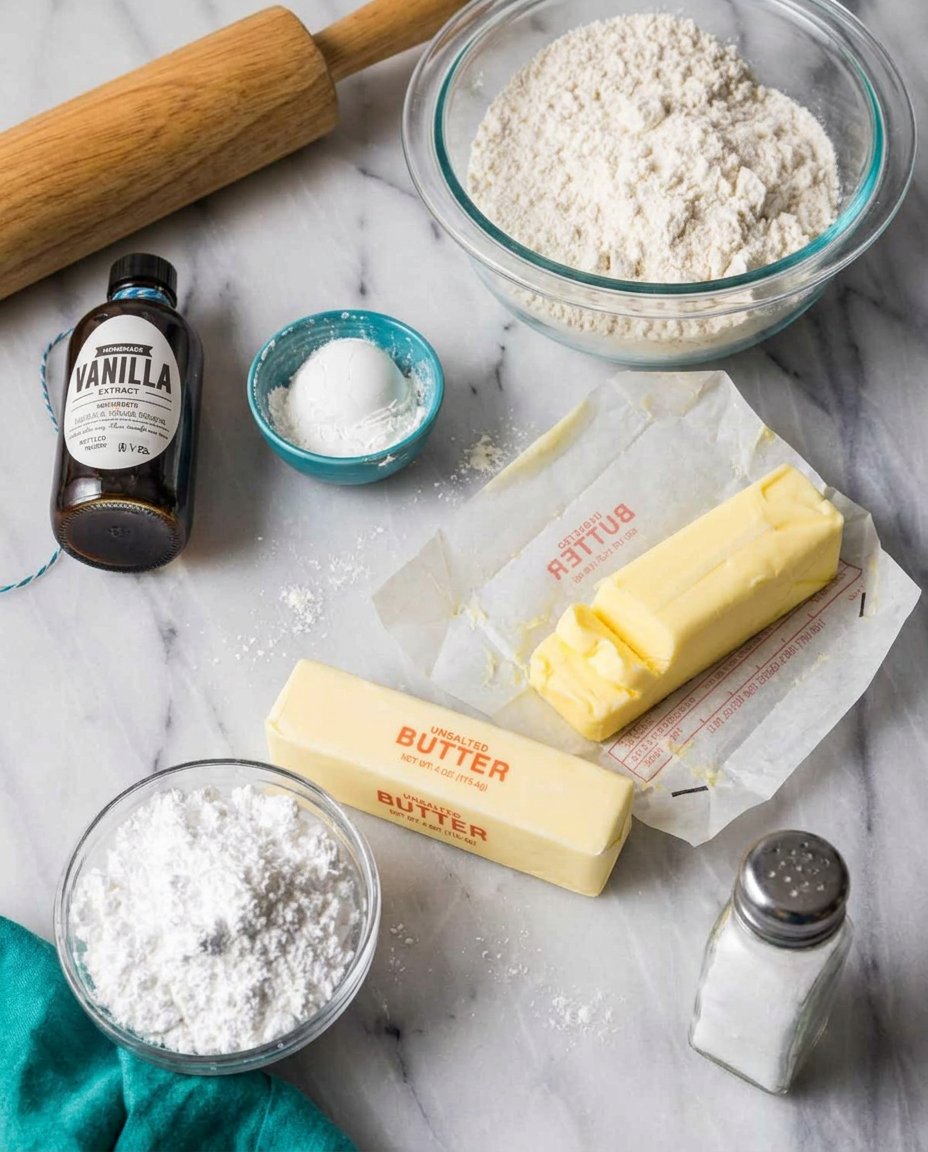
Achieving the ideal Shortbread Cookies 2 requires high-quality ingredients that behave predictably under heat. Every component in this formula serves a structural purpose beyond mere flavor.
- Unsalted Butter (1 cup / 226 g): Use a butter with at least 80% butterfat. We recommend European-style butter (82% fat) for a richer mouthfeel and lower water content, which helps prevent over-spreading. It must be softened to room temperature—roughly 65°F (18°C)—to cream properly with the sugar.
- Powdered Sugar (3/4 cup / 95 g): Also known as confectioners’ sugar, this provides sweetness and a fine texture. The cornstarch already present in commercial powdered sugar helps stabilize the dough.
- Vanilla Extract (1 teaspoon): This acts as a flavor carrier. Since vanilla is fat-soluble, it distributes evenly through the butter during the creaming process.
- All-Purpose Flour (2 cups / 250 g): This provides the primary structure. We tested several brands and found that a protein content around 10-11% is ideal for maintaining the shape of the 2-inch cookie cutter.
- Cornstarch (2 Tablespoons): This is the ‘secret’ to the tender crumb. It dilutes the flour protein, mimicking the effects of cake flour without making the dough too fragile to handle.
- Table Salt (1/2 teaspoon): Salt is a flavor enhancer that balances the richness of the butter. If using Kosher salt, increase the volume slightly to maintain the correct salinity.
The Scientific Process
Step 1: Cream the Fat and Sugar
In a large mixing bowl, use an electric mixer to beat the 1 cup of softened unsalted butter. Continue until the butter is lightened in color and perfectly smooth. Gradually add the 3/4 cup of powdered sugar. Do not over-mix at this stage; you want the sugar incorporated and the mixture creamy, but you must avoid whipping in too much air. Excess air will expand in the oven and cause the cookies to puff and kemudian collapse.
Step 2: Incorporate Aromatics
Add the 1 teaspoon of vanilla extract to the butter mixture. Stir well to make sure the extract is fully emulsified into the fat. This step is critical because the fat in the butter will trap the volatile flavor compounds of the vanilla, protecting them from evaporating too quickly during the baking process.
Step 3: Sift and Whisk Dry Ingredients
In a separate bowl, whisk together the 2 cups of all-purpose flour, 2 tablespoons of cornstarch, and 1/2 teaspoon of table salt. This whisking action serves two purposes: it aerates the flour slightly and distributes the cornstarch and salt evenly. This guarantees that every cookie has the same structural integrity and flavor balance.
Step 4: Form the Dough
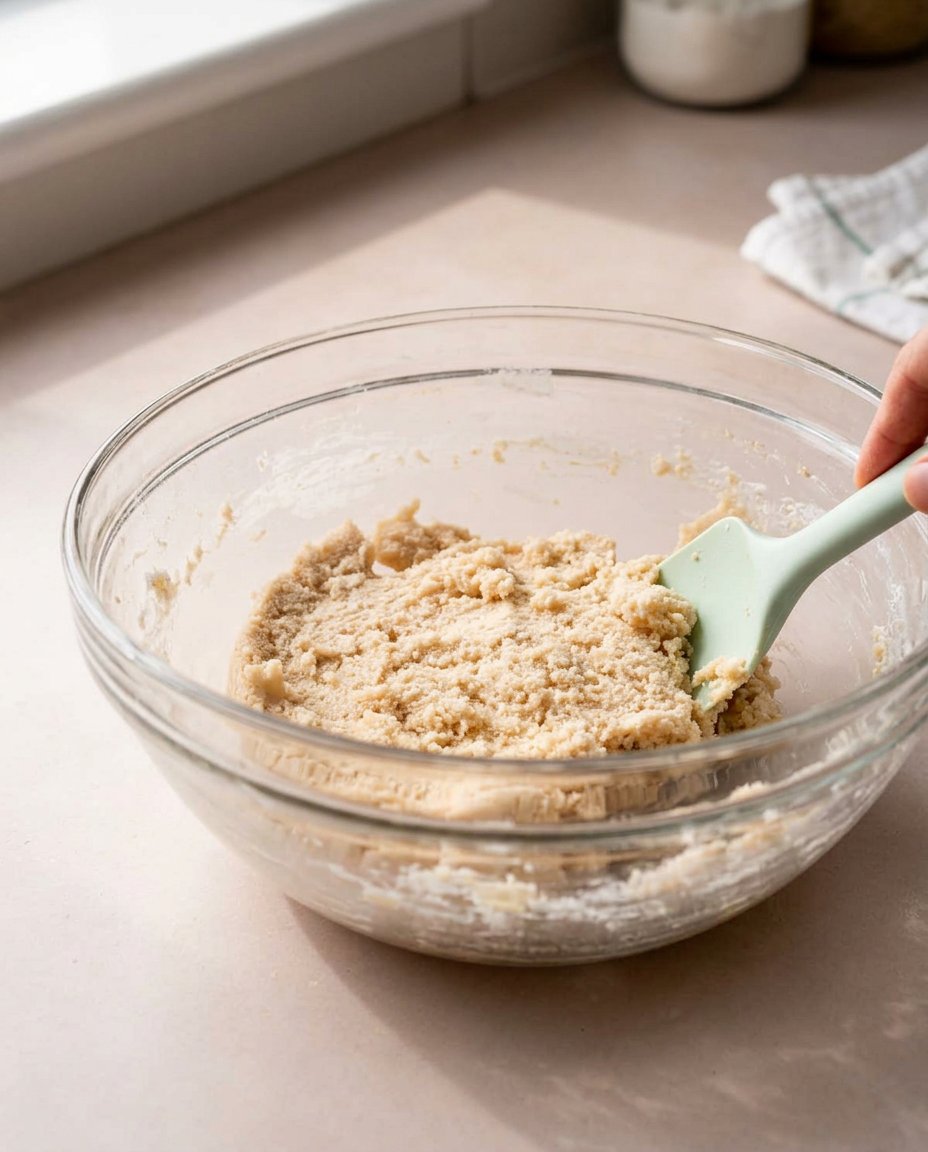
Gradually add the flour mixture to the wet ingredients. Use a low speed on your mixer or stir by hand until the dough just comes together. It should look cohesive but not sticky. Form the dough into a flat disc, wrap it tightly in plastic wrap, and chill in the refrigerator for at least 60 minutes. Chilling is mandatory; it allows the flour to fully hydrate and solidifies the butter, which prevents the cookies from spreading prematurely when they hit the heat of the oven.
Step 5: Prep and Preheat
Once the dough has chilled, preheat your oven to 350°F (175°C). Line a heavy-duty baking sheet with parchment paper. Using a parchment liner provides a consistent surface tension and prevents the bottom of the cookies from browning too quickly against the metal of the pan.
Step 6: Roll and Cut
Remove the dough from the refrigerator. On a lightly floured surface, roll it out until it is between 1/8-inch and 1/4-inch thick. Use a 2-inch cookie cutter to press directly into the dough, placing cuts close together to minimize scraps. Place the cookies on the prepared baking sheet, leaving at least 2 inches of space between them. You can re-roll the scraps once, but try to work quickly to keep the dough cool.
Step 7: The Bake
Transfer the baking sheet to the center rack of the oven. Bake for 9-11 minutes. You are looking for the edges to just begin turning a very light golden brown. The centers should still look pale. Because shortbread is high in sugar and fat, it will continue to firm up as it cools through carry-over cooking. Remove from the oven and let them sit on the pan for 5 minutes before transferring to a wire rack.
Lauren’s Lab Notes
To achieve the most consistent results, I recommend weighing your ingredients in grams. Volume measurements for flour can vary by as much as 20% depending on how the flour is packed, which drastically changes the crumb. If your cookies feel tough, you likely over-worked the dough after adding the flour, which activated the gluten. For more guidance on achieving professional textures in your home kitchen, see our Artisan Cookie Collection.
Temperature control is your most important tool. If your kitchen is warmer than 72°F (22°C), your dough may become too soft to handle. If this happens, return the cut cookies to the fridge for 15 minutes before sliding them into the oven. This ‘cold-start’ method produces the sharpest edges. For a deep dive into the science of shortbread ratios, I often refer to the best shortbread cookie recipe which highlights similar fat-to-flour mechanics.
Tested Variations
For a deeper, more complex flavor, you can create a brown sugar shortbread. Reduce the powdered sugar to 1/2 cup (63 g) and cream 1/4 cup (50 g) of light brown sugar with the butter. Because the molasses in brown sugar adds moisture, you must increase the cornstarch to 3 tablespoons to maintain the correct structural tension. This variation yields a cookie with a slightly chewier center and a caramel-like finish.
You might also consider adding botanical elements. Mixing in a tablespoon of culinary lavender or dried Earl Grey tea leaves adds a sophisticated layer of flavor that pairs beautifully with the buttery base. For more creative ideas on updating classic profiles, check out our Trending Cookie Creations. When adding dry inclusions, do not exceed 2 tablespoons total, or you risk the dough crumbling during the rolling process.
Pairing Notes
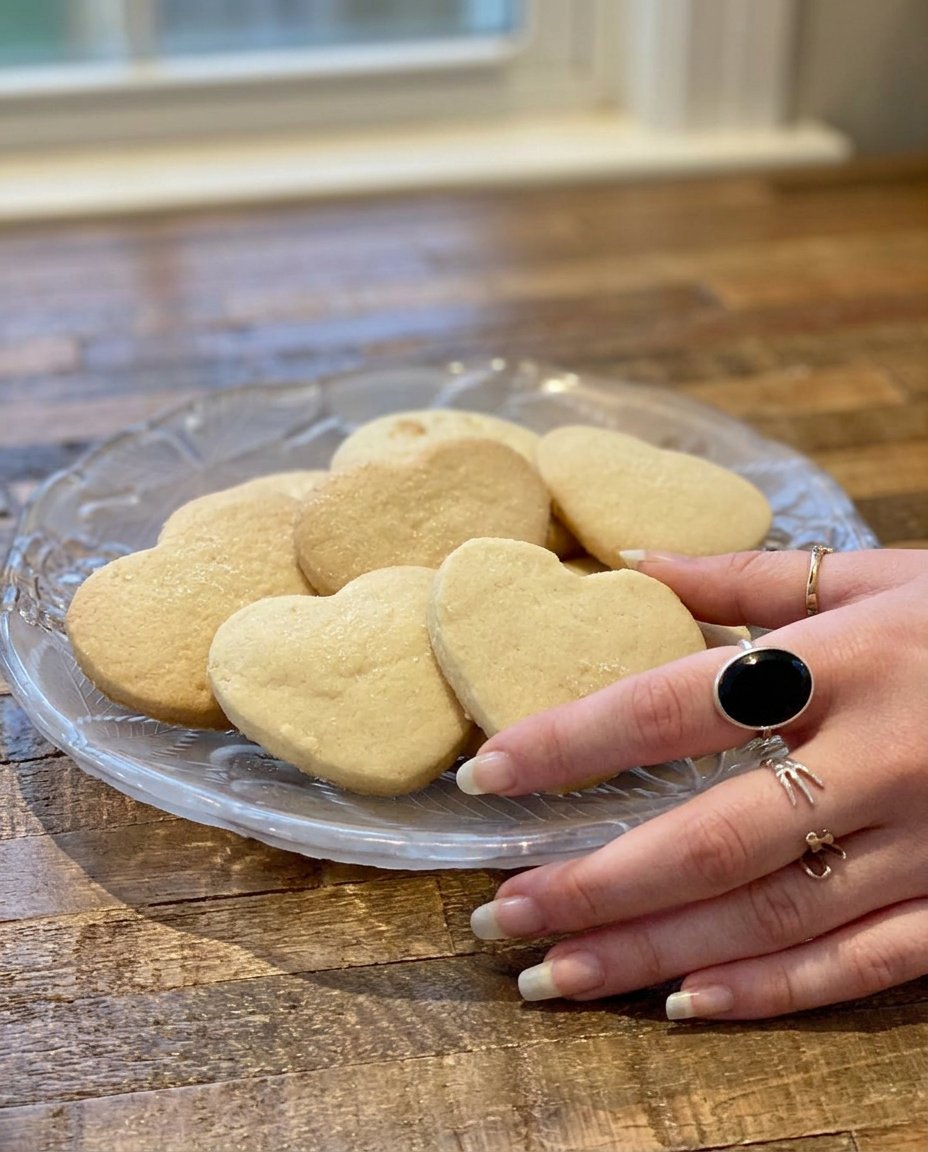
Shortbread Cookies 2 are best served at room temperature to allow the butter’s flavor profile to be fully perceived by the palate. When cold, the fat remains solid, which can mask the delicate notes of the vanilla. We suggest pairing these with a high-tannin tea, such as a strong Assam or Darjeeling; the tannins help cleanse the palate of the rich butterfat between bites.
For a more decorative presentation, you can dip half of each cooled cookie into high-quality melted dark chocolate (60% cacao or higher). The bitterness of the chocolate provides a perfect counterpoint to the sweet, buttery dough. For more tips on elegant presentations, explore our Effortless Cookie Elegance guide. If you choose to dip them, make sure the chocolate has fully set at room temperature before stacking the cookies to maintain their visual appeal.
The Scientific Truth
Precision in baking is not about restriction; it is about creating a reliable foundation for your creativity. Once you master the moisture-to-fat ratio of these Shortbread Cookies 2, you can confidently experiment with different extracts, salts, and coatings. This recipe is a testament to how simple ingredients, when treated with technical respect, produce extraordinary results. For more seasonal inspiration and structural tips, visit our Seasonal Cookie Design section. We would love to see your results, so please share your bakes with us on Instagram, Facebook, or Pinterest. Keep testing and keep baking!