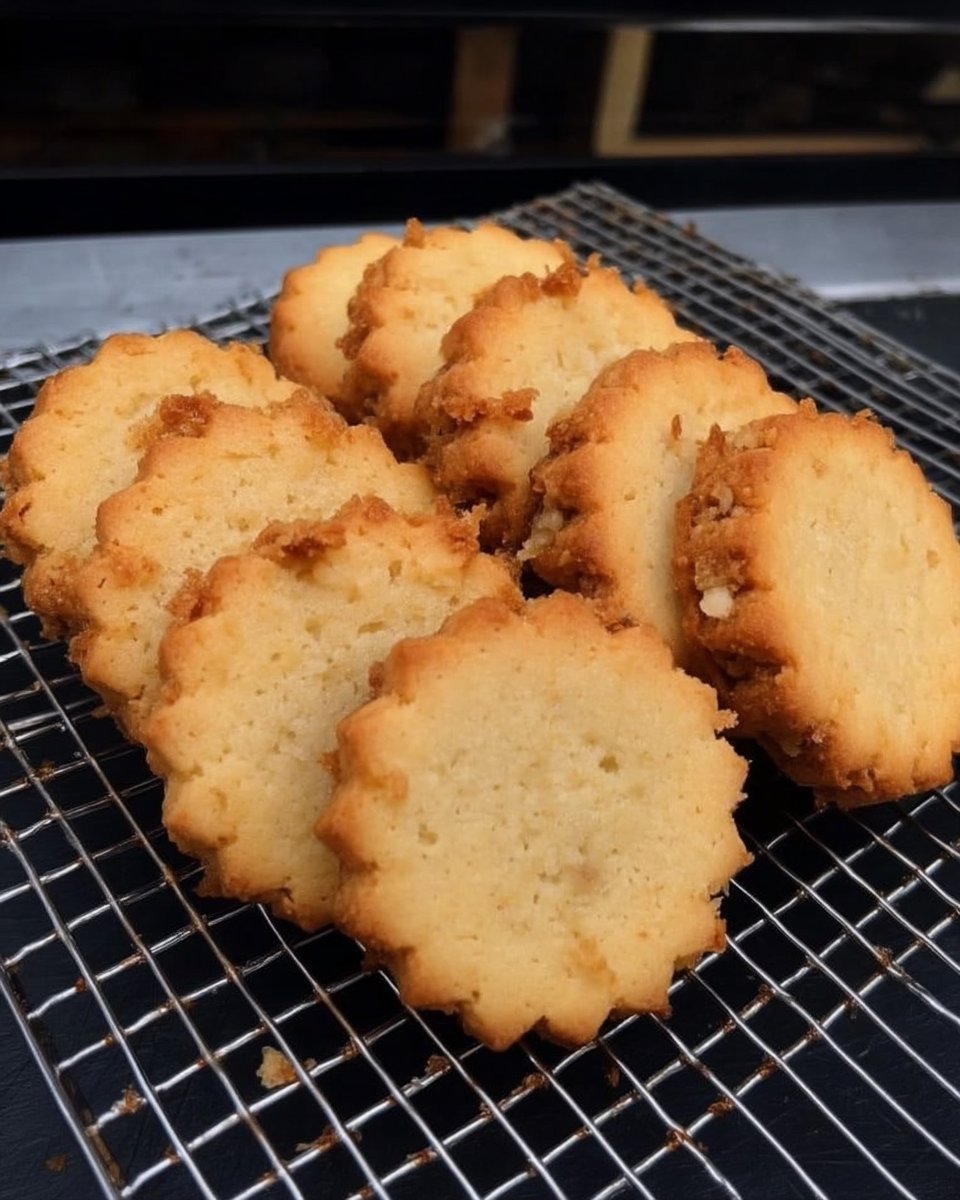
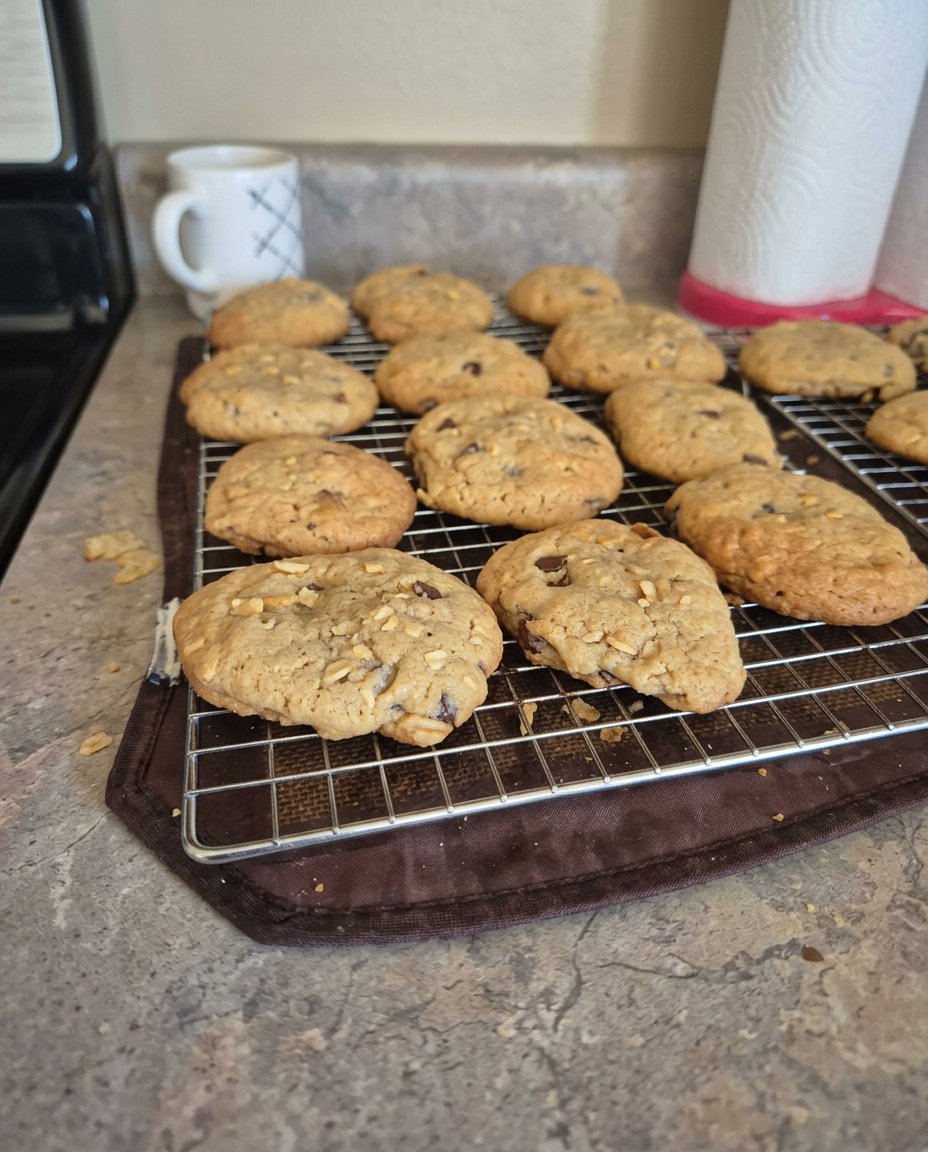
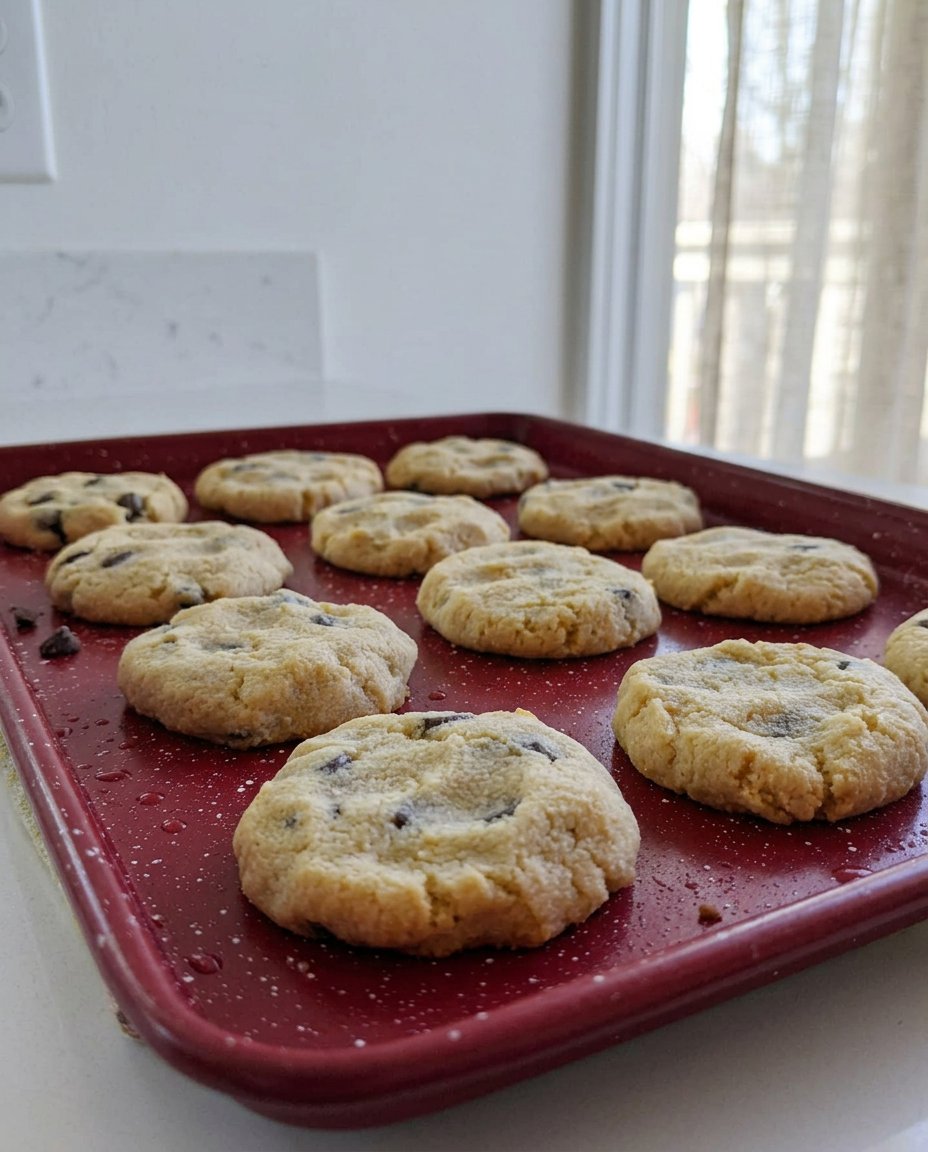
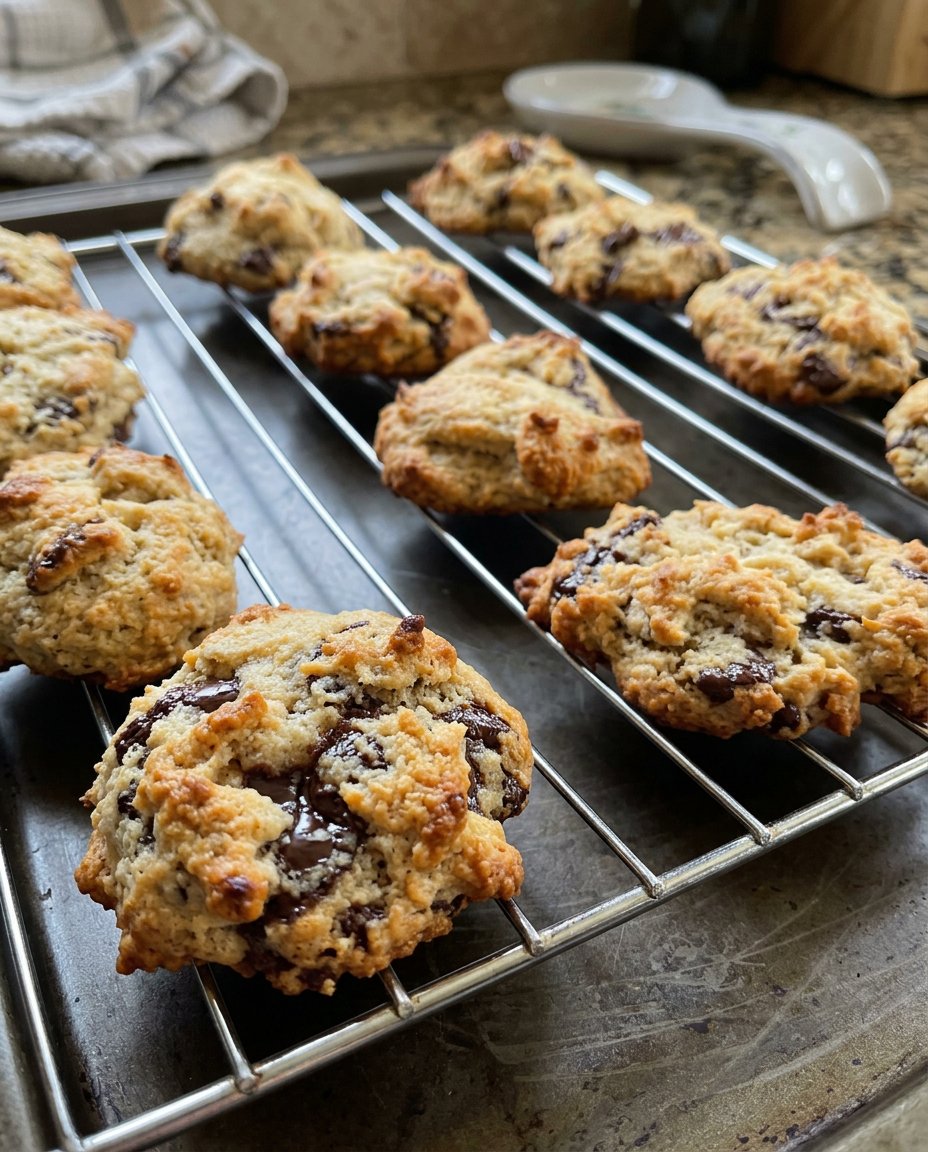
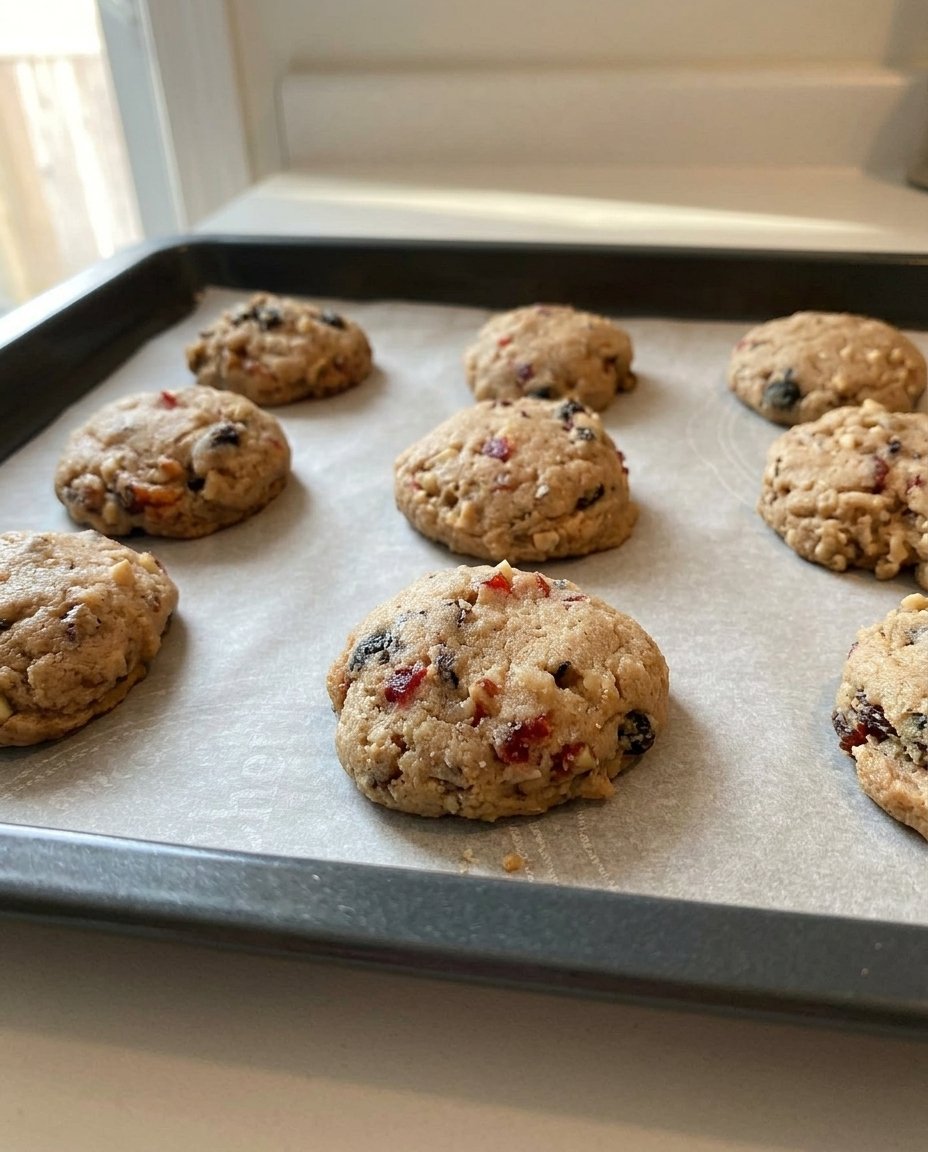
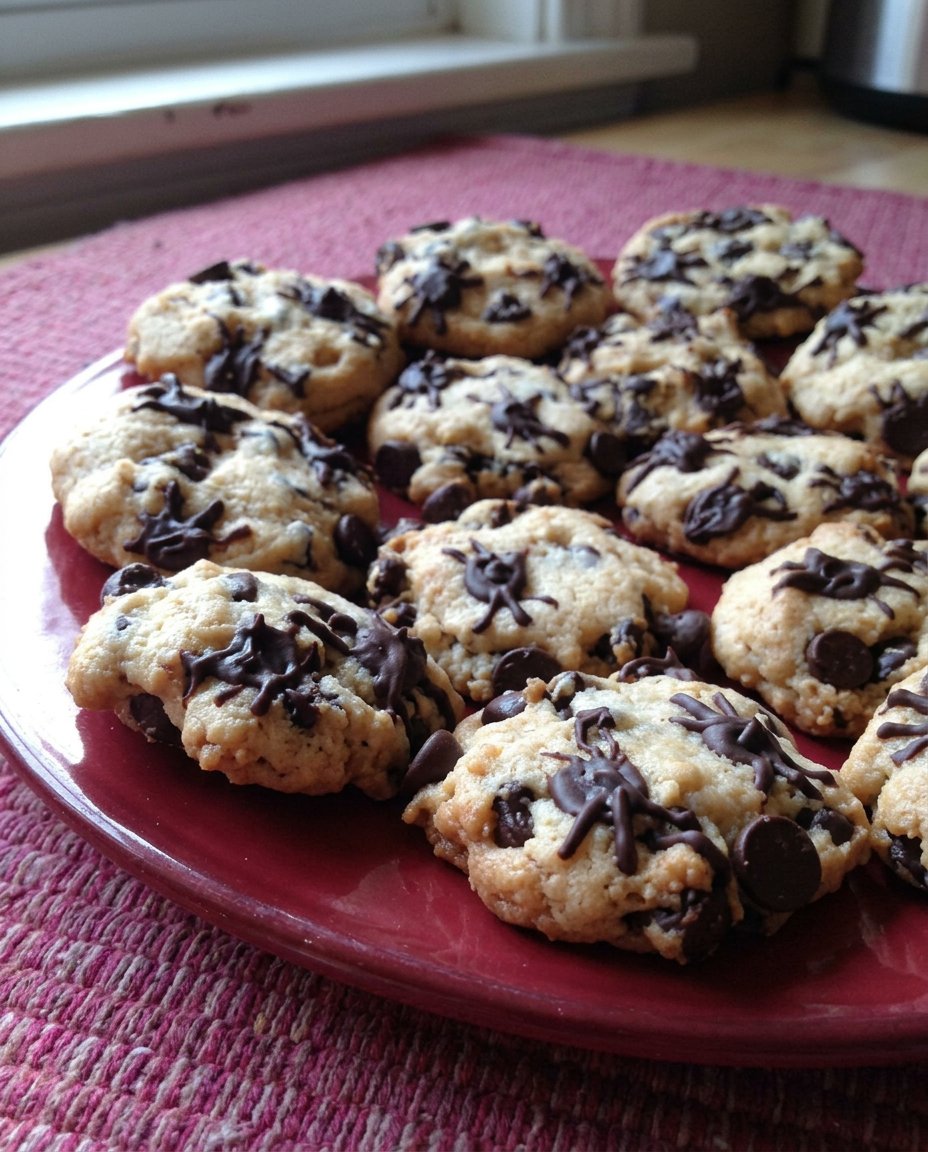
In the test kitchen, we spent weeks analyzing the molecular interaction between granulated sugar and cool room temperature butter to achieve the ultimate Soft Sugar Cookies 2. We discovered that by adding an extra egg yolk, we could increase the lecithin content, providing a richer mouthfeel without compromising the structural integrity of the cookie’s rise. This formula represents the perfect intersection of traditional comfort and rigorous structural testing.

These cookies rely on a precise leavening balance to create a tender, pillowy center while maintaining enough density for a satisfying bite. By using a specific creaming method, we incorporate just enough air to lift the dough without creating a cake-like texture. The result is a reliable, quick-baking staple that performs consistently regardless of your kitchen’s humidity levels.
The Chemistry of the Perfect Crumb
You will appreciate the scientific precision behind this recipe because it eliminates the guesswork often found in standard sugar cookie formulas. Most Soft Sugar Cookies 2 recipes fail because they over-rely on flour for structure, leading to a dry, crumbly result. Our formula balances the protein content of all-purpose flour with the moisture-retaining properties of granulated sugar. This creates a hygroscopic effect, where the sugar pulls moisture from the air to keep the cookies soft for days.
Furthermore, the inclusion of both a whole egg and an additional yolk is a deliberate choice for structural stability. The whole egg provides the necessary water and protein for lift, while the extra yolk contributes fat and emulsifiers. These emulsifiers bind the fat and water components together, preventing the cookies from spreading too thin or becoming greasy. This balance results in a cookie that is remarkably easy to handle yet luxuriously tender once baked.
Print
Soft Sugar Cookies 2
- Total Time: 27 mins
- Yield: 18 cookies
- Diet: Vegetarian
Description
Achieve a professional, pillowy texture with these scientifically perfected sugar cookies. This recipe utilizes a specific creaming method and an extra egg yolk to ensure a rich mouthfeel and long-lasting softness.
Ingredients
- 318 grams all-purpose flour
- 2 teaspoons baking powder
- 3/4 teaspoon fine sea salt
- 226 grams unsalted butter (cool room temperature, approx. 65°F)
- 250 grams granulated sugar (plus 50 grams for rolling)
- 1 large egg
- 1 large egg yolk
- 1 teaspoon vanilla extract
Instructions
- Preheat oven to 350°F (177°C) and line heavy-gauge baking sheets with parchment paper.
- Whisk together flour, baking powder, and salt in a medium bowl to aerate.
- Beat butter and 1 1/4 cups of sugar on medium-high for 2 to 3 minutes until light and fluffy.
- Mix in the egg, egg yolk, and vanilla until fully emulsified and smooth.
- Add dry ingredients on low speed, mixing only until just combined to avoid over-developing gluten.
- Scoop 3-tablespoon portions of dough, roll in the remaining sugar, and place 2 inches apart on sheets.
- Bake for 10 to 12 minutes until edges are set but centers are still soft; cool on pan for 5 minutes.
Notes
For the most consistent results, use an oven thermometer to ensure your temperature is accurate, as even a slight variance can affect the spread and texture. If your cookies are spreading too much, verify that your butter was cool to the touch rather than greasy when starting the creaming process.
- Prep Time: 15 mins
- Cook Time: 12 mins
- Category: Dessert
- Method: Baking
- Cuisine: American
The Formula for Softness
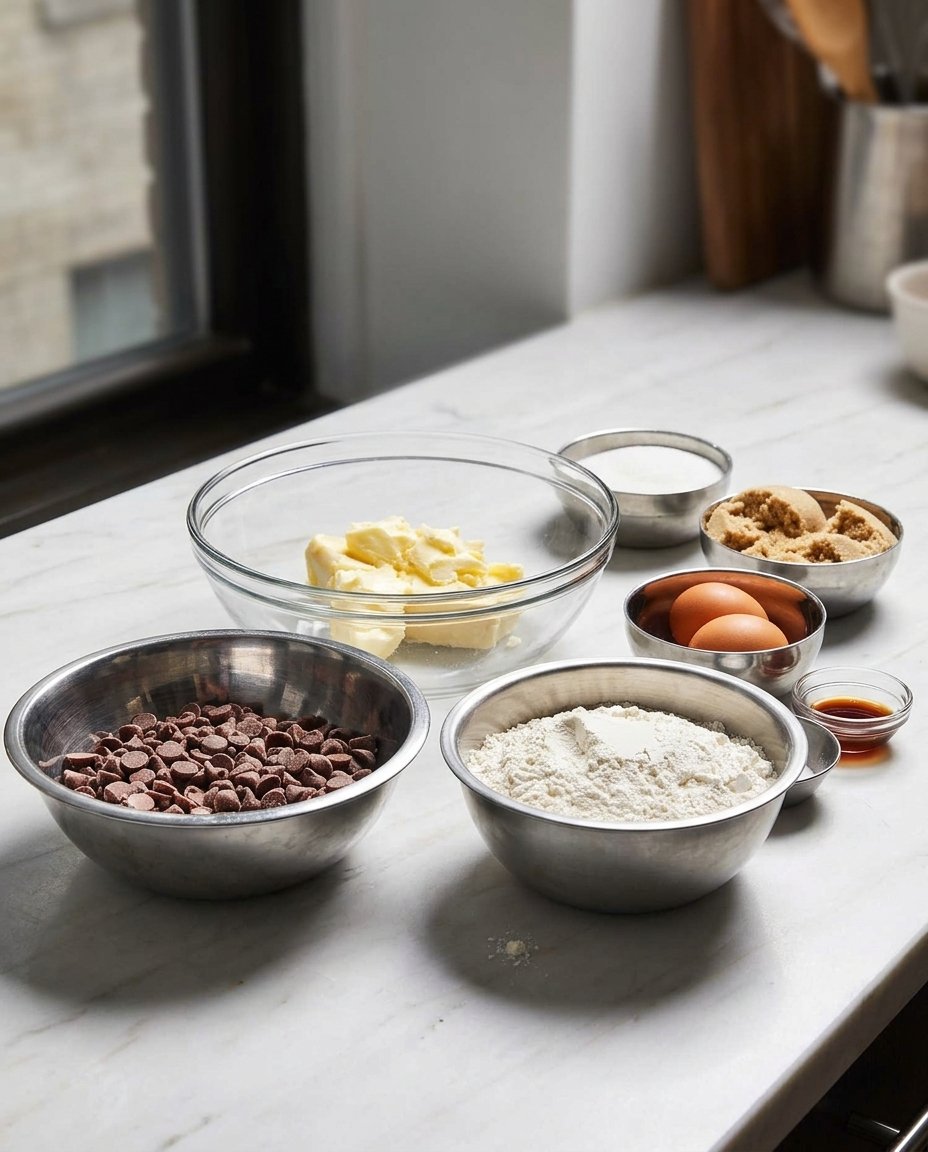
Understanding your ingredients is the first step toward baking success. Each component in this recipe serves a specific structural purpose that contributes to the final texture.
- All-Purpose Flour (318 grams): We use a precise weight of 318 grams to achieve a 10-12% protein content. This provides enough gluten structure to hold the cookie’s shape without making it tough.
- Baking Powder (2 teaspoons): This chemical leavener reacts with heat to produce carbon dioxide. It provides a more uniform rise than baking soda, which requires an acid to activate.
- Fine Sea Salt (3/4 teaspoon): Salt does more than season; it strengthens the gluten network and balances the sweetness by interacting with your taste buds’ sodium receptors.
- Unsalted Butter (226 grams): Using unsalted butter allows us to control the exact sodium content. The butter should be at a cool room temperature (approximately 65°F or 18°C) to maintain the air pockets created during creaming.
- Granulated Sugar (250 grams + 50 grams for rolling): Sugar is a liquifier in baking. It breaks down during the creaming process and interferes with gluten development, which is why these cookies remain so soft.
- Large Egg and Egg Yolk: The additional yolk is our secret for a chewy center. The fat in the yolk inhibits the formation of long gluten strands, ensuring a tender bite.
- Vanilla Extract (1 teaspoon): High-quality vanilla contains alcohol, which evaporates during baking, leaving behind complex flavor compounds that improve the overall profile.
The Scientific Process
Step 1: Prep and Thermal Regulation
Preheat your oven to 350°F (177°C). Line heavy-gauge baking sheets with parchment paper. This provides a non-stick surface and acts as a thermal buffer, preventing the bottom of the cookies from browning too quickly before the center sets.
Step 2: Aerating the Dry Ingredients
In a medium bowl, whisk together the flour, baking powder, and salt. This step is not just for mixing; it aerates the flour and removes any large clumps, ensuring that the leavening agent is distributed evenly throughout the matrix of the dough.
Step 3: Mechanical Creaming
In a large bowl, use an electric mixer fitted with a paddle attachment on medium-high speed to beat the butter and 1¼ cups of sugar. Continue for 2 to 3 minutes until the mixture is light and fluffy. This mechanical action creates millions of tiny air bubbles trapped in the fat, which will expand in the oven to create the soft texture. Scrape the bowl to make sure no unmixed fat remains.
Step 4: Emulsification
Add the egg, egg yolk, and vanilla extract. Beat until fully combined. During this phase, the lecithin in the egg yolks helps the fats from the butter and the liquids from the egg whites to merge into a smooth emulsion. This prevents the dough from breaking or looking curdled.
Step 5: Integrating the Solids
Set the mixer to a low speed and slowly add the flour mixture. Over-mixing at this stage will over-develop the gluten, leading to a tough cookie. Stop as soon as the last streaks of flour disappear. The dough should be soft but manageable.
Step 6: Portioning and Coating
Place the remaining ¼ cup of sugar in a shallow dish. Use a 3-tablespoon spring-loaded scoop to portion the dough. This ensures that every cookie has the same mass, which is vital for even baking. Roll the balls in sugar to create a crystalline crust that will crunch slightly upon biting. Place them 2 inches apart and flatten slightly to encourage a uniform spread.
Step 7: Precision Baking
Bake for 10 to 12 minutes. Look for the edges to set and just barely begin to show a golden hue. The centers should still look slightly soft; they will finish setting during the carry-over cooking phase on the hot pan. Cool on the sheet for 5 minutes before transferring to a wire rack.
Lauren’s Lab Notes
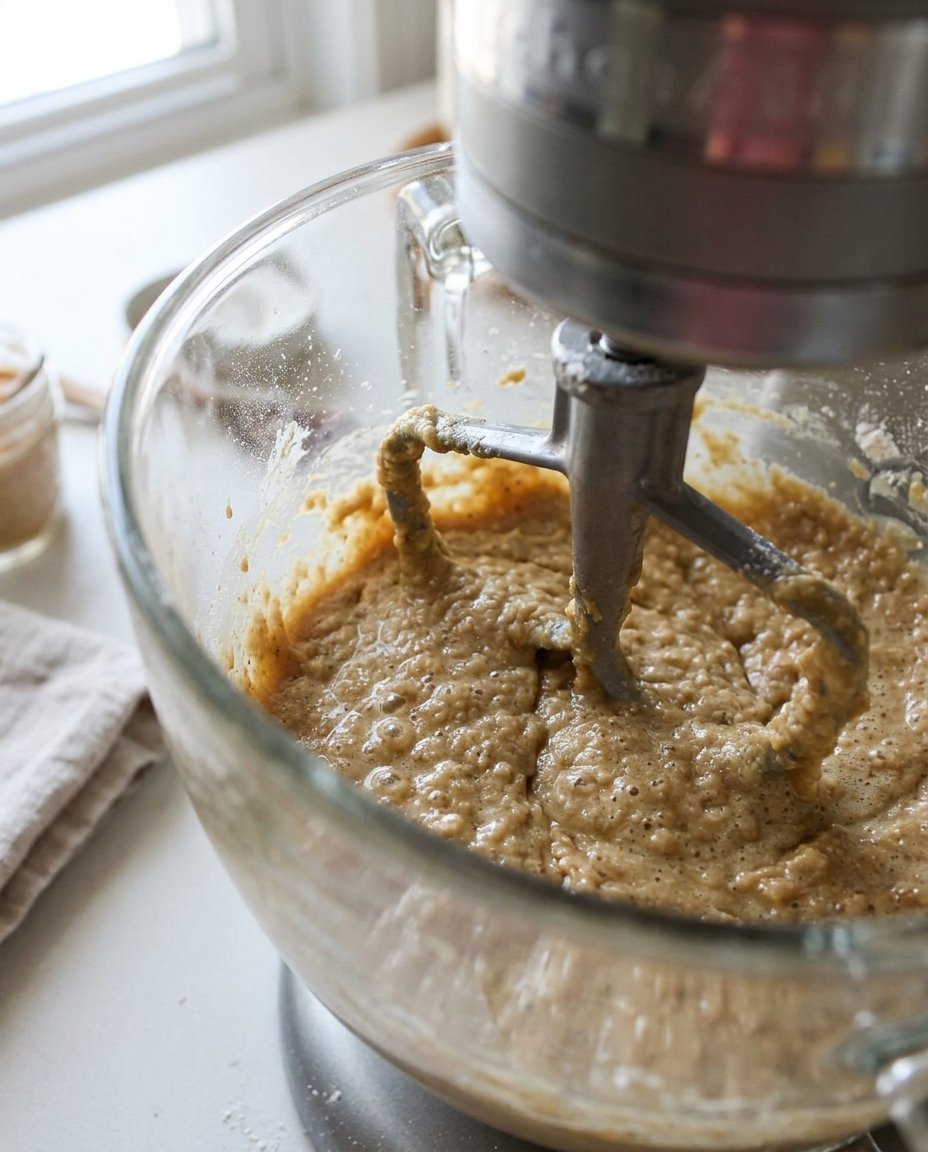
One of the most critical factors in the success of Soft Sugar Cookies 2 is the temperature of your butter. If the butter is too warm (greasy to the touch), the air bubbles created during creaming will collapse, resulting in a flat, dense cookie. If it is too cold, the sugar won’t properly cut into the fat. Aim for butter that yields slightly to pressure but still feels cool. For those interested in expanding their repertoire, our Artisan Cookie Collection offers more insights into temperature control. If you find your cookies are spreading too much, it is often due to the butter being too soft or the oven temperature being inaccurate. We recommend using an oven thermometer to verify your appliance’s calibration. For further technical guidance on achieving the perfect bake, you might find the techniques at Handle the Heat helpful for comparative testing.
Tested Variations
While the base recipe is chemically balanced for softness, you can adjust the flavor profile without ruining the structure. To add a botanical note, replace the vanilla with half a teaspoon of almond extract. Because almond extract is more potent, this small amount won’t affect the moisture balance. For seasonal adaptations, check out our guide on Seasonal Cookie Design. You can also add 1 tablespoon of citrus zest to the sugar before creaming. The oils in the zest provide intense flavor, and since zest is mostly fiber and oil, it doesn’t require an adjustment to the flour or liquid ratios. If you prefer a thicker, more domed cookie, chill the portioned dough balls for 30 minutes before baking to slow the fat’s melting point.
Flavor Pairing Notes
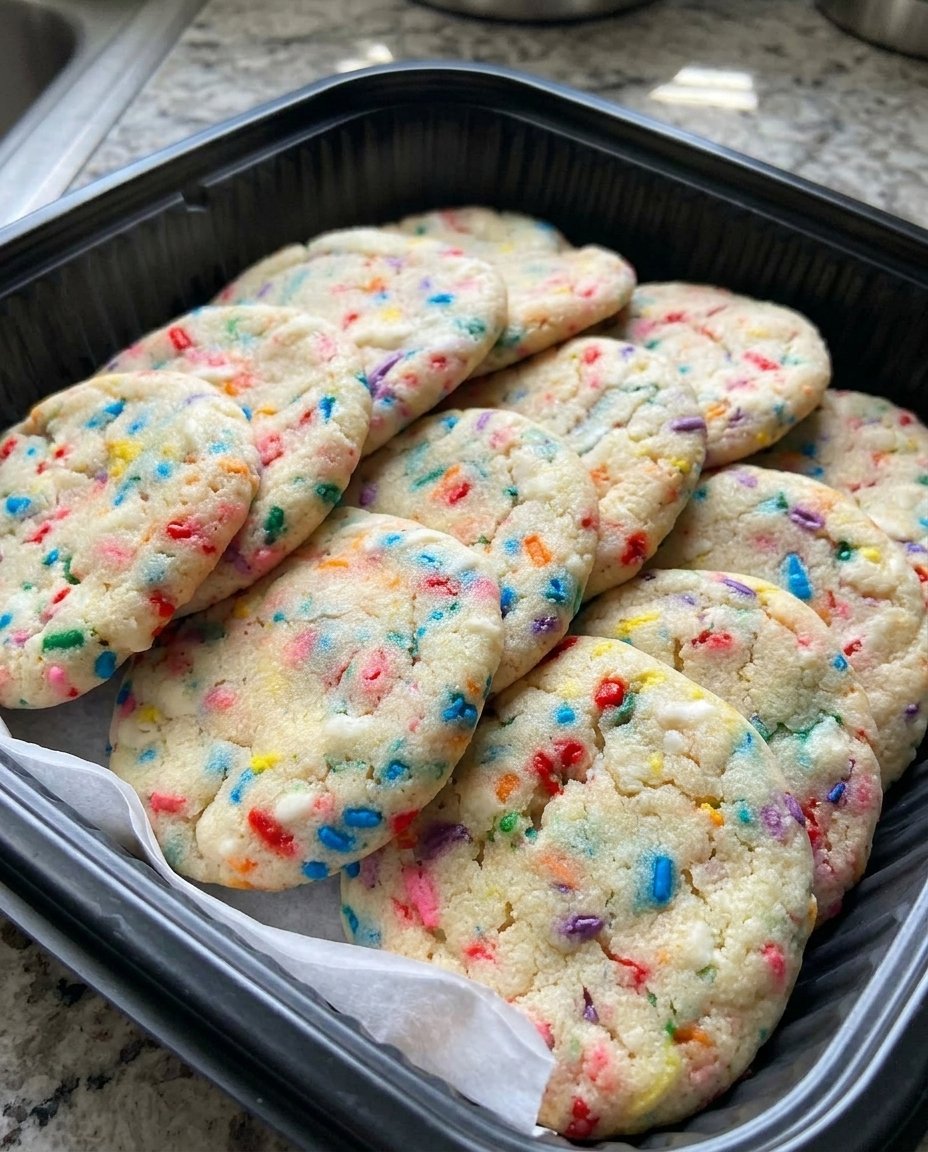
Texture is a key component of the flavor experience. These cookies are best served at room temperature about two hours after baking, allowing the internal moisture to redistribute and the crumb to stabilize. For a more creative presentation, visit our Cookie Decorating Studio for tips on icing. These cookies pair exceptionally well with a cold glass of whole milk, as the milk fats help cleanse the palate of the sugar, making each subsequent bite as impactful as the first. If serving at a gathering, store them in a single layer to prevent the sugar coating from softening too much due to the cookies’ internal moisture.
The Scientific Truth
Baking success is not a matter of luck; it is the result of following a tested formula with precision and care. By understanding how fat, sugar, and protein interact, you can produce Soft Sugar Cookies 2 that are consistently superior to store-bought alternatives. To see what else we are testing in the lab, take a look at our Trending Cookie Creations. We invite you to share your results and join our community of precision-focused bakers. Connect with us on Facebook, Instagram, and Pinterest to stay updated on our latest structural discoveries and flavor innovations.