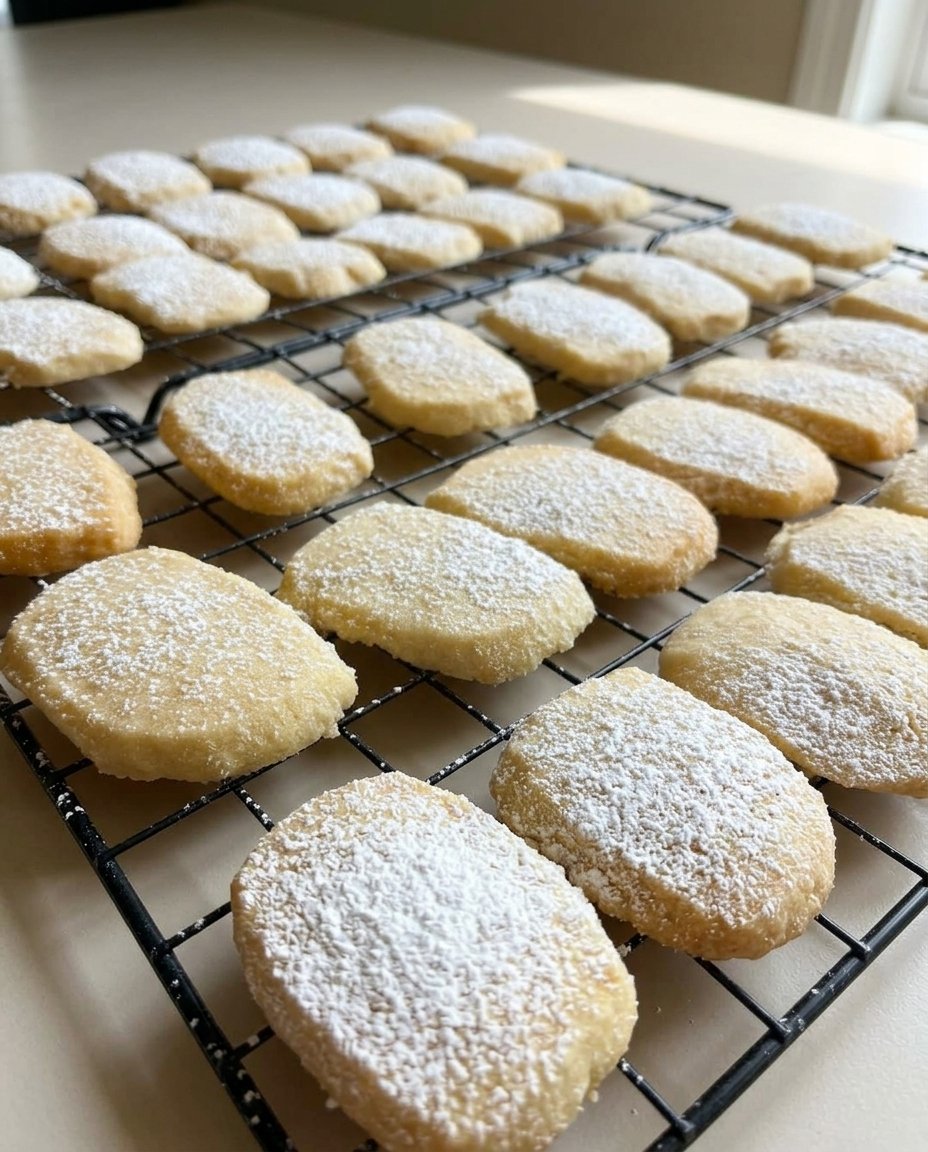
Walking through the sun-drenched markets of Sicily, the air often carries a heavy, sweet perfume of toasted nuts and almond honey. It was there, amidst the bustling stalls and aromatic breeze, that I first encountered the true Pignoli Cookies 2, a discovery that fundamentally changed how I view the humble nut cookie. This aromatic adventure taught me that a handful of quality ingredients, when treated with respect, can create a sensory experience that lingers long after the last bite.

These golden treasures are the epitome of Mediterranean baking, blending a soft, marzipan-like interior with a crunchy, resinous coating of premium pine nuts. My version focuses on the depth of the almond flavor, ensuring every Pignoli Cookies 2 morsel provides a chewy, satisfying journey through traditional Italian craftsmanship.
Aromatic Magic
There is something truly fascinating about the way these cookies behave in the oven. The Pignoli Cookies 2 are not just your average holiday treat; they are a celebration of contrasting textures that define Sicilian dessert culture. When you take your first bite, the crunch of the toasted pine nuts provides a sharp, nutty introduction that quickly gives way to a dense, moist, and incredibly rich almond center. This transition is what makes these cookies so addictive and special.
Beyond the texture, the flavor profile is remarkably sophisticated. Unlike modern cookies that rely heavily on chocolate or synthetic flavorings, these rely on the natural, fatty richness of the pine nuts and the floral sweetness of the almond paste. This creates a profile that is both earthy and bright. They are naturally gluten-free, making them a brilliant option for inclusive gatherings without ever feeling like a compromise. You are giving your guests a piece of history, a bit of the Mediterranean sun, and a flavor experience that feels both ancient and fresh.
I find that the aromatic depth of the almond paste is what really carries the day here. It provides a base that is sweet but not cloying, with a slight bitterness that keeps the palate curious. These cookies are also incredibly sturdy yet remain soft inside for days, making them the perfect candidate for gift boxes or long-afternoon tea sessions. They represent the beauty of minimal ingredients working in perfect harmony to produce a result that is far greater than the sum of its parts.
Print
Pignoli Cookies
- Total Time: 40 mins
- Yield: 20 cookies
- Diet: Gluten-Free
Description
Experience the authentic taste of Sicily with these classic pignoli cookies, featuring a dense, marzipan-like interior and a crunchy exterior of toasted pine nuts. Naturally gluten-free and elegantly simple, these cookies offer a sophisticated blend of textures and earthy almond sweetness.
Ingredients
- 7 ounces almond paste, broken into small pieces
- 1/2 cup granulated sugar
- 1/2 cup powdered sugar
- 1 large egg white
- 1 pinch sea salt
- 1/2 cup almond flour
- 1 cup pine nuts (pignoli)
Instructions
- Preheat your oven to 325°F (165°C) and line a heavy-duty baking sheet with parchment paper to prevent sticking.
- In a food processor, combine the almond paste, granulated sugar, powdered sugar, and sea salt, pulsing until the mixture reaches a fine, sandy consistency.
- Add the egg white to the processor and blend until a thick, smooth, and tacky paste forms.
- Transfer the mixture to a bowl and gradually fold in the almond flour with a spatula until a stiff dough is created.
- Using damp hands to manage stickiness, roll tablespoon-sized portions of dough into 1-inch balls and roll them in a bowl of pine nuts, pressing firmly to coat.
- Arrange the balls on the baking sheet 2 inches apart, flatten slightly into thick discs, and bake for 18 to 22 minutes until the nuts are golden tan.
- Let the cookies rest on the baking sheet for 10 minutes to firm up before transferring them to a wire rack to cool completely.
Notes
To ensure a smooth dough without lumps, make sure your almond paste is at room temperature before you begin. If the dough is too soft to handle after mixing, chill it in the refrigerator for 10 minutes to make shaping easier. These cookies are best stored in an airtight container at room temperature, where they will stay chewy for several days.
- Prep Time: 20 mins
- Cook Time: 20 mins
- Category: Dessert
- Method: Baking
- Cuisine: Italian
The Spice Pantry
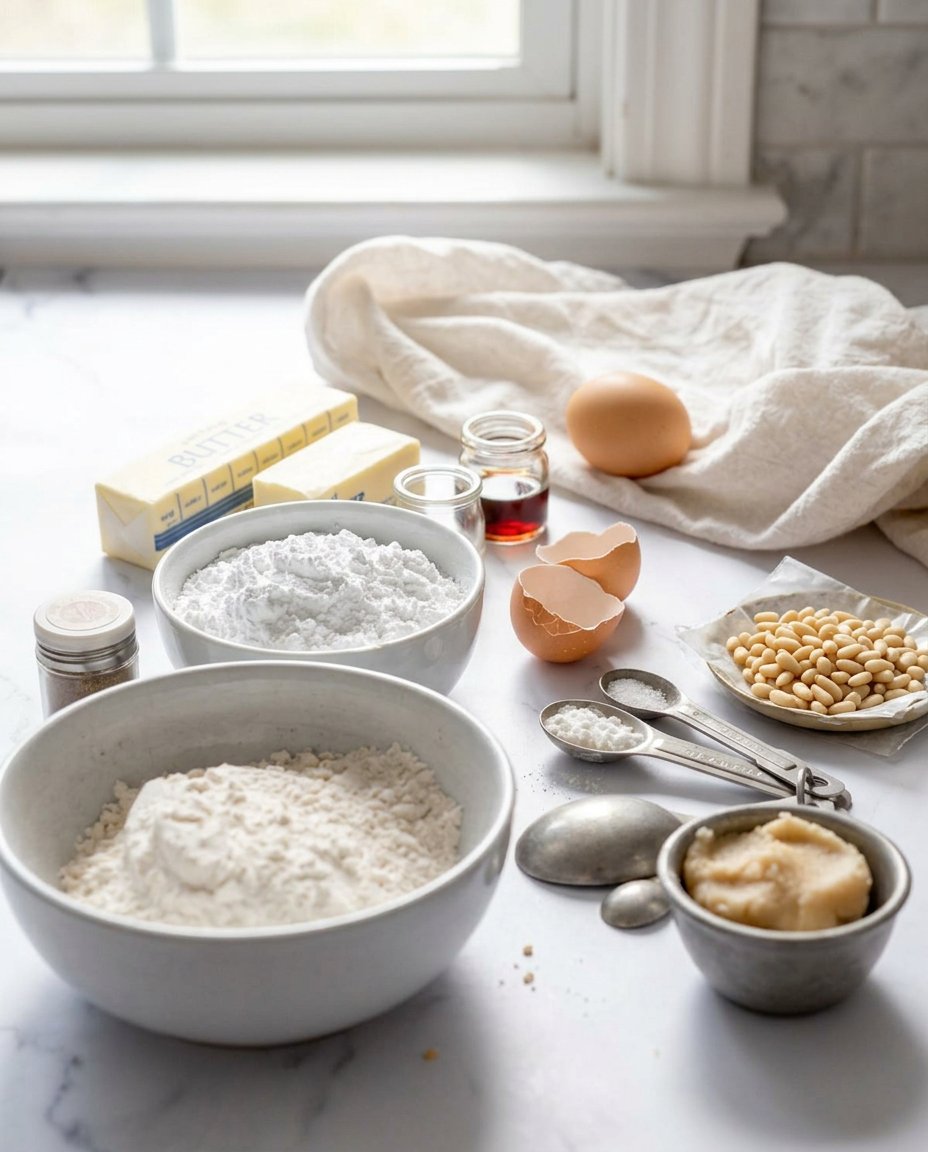
To achieve the perfect Pignoli Cookies 2, every single component must be of the highest quality, as there are no heavy spices or frostings to hide behind. The star of the show is the almond paste. It is vital to use real almond paste rather than marzipan; marzipan has a much higher sugar content and a smoother texture that will cause the cookies to spread too much and lose their characteristic chew. Look for a brand that lists almonds as the first ingredient to capture that authentic, bold nuttiness.
- Almond Paste (7-ounce package): This provides the structural foundation and the primary flavor. Break it into small pieces to help it integrate with the sugars without leaving large, unmixed lumps.
- Granulated and Powdered Sugars: We use a blend here to achieve a specific result. The granulated sugar helps create those slightly crisp edges, while the powdered sugar contributes to the meltingly soft interior texture.
- Egg White: A single large egg white acts as the binder. It provides just enough moisture to turn the almond meal into a dough and helps create the glossy finish on the pine nuts.
- Sea Salt: A tiny pinch of sea salt is the secret to cutting through the sweetness and highlighting the resinous notes of the pine nuts.
- Almond Flour: This adds extra body to the dough, helping the cookies hold their round shape during the baking process while doubling down on the almond aroma.
- Pine Nuts (Pignoli): These are the crowning glory. These small, buttery nuts toast beautifully in the oven, releasing their oils and providing a crunch that balances the soft dough perfectly.
The Flavor Process
Step 1: Prepare Your Canvas
Preheat your oven to 325°F (165°C). This relatively low temperature is crucial because it allows the interior of the cookie to set and remain chewy without burning the delicate pine nuts on the outside. Line a large, heavy-duty baking sheet with parchment paper. This is essential for pignoli, as the sugars in the almond paste can become quite sticky during baking, and the parchment prevents any tragic tearing when you remove them.
Step 2: Form the Aromatic Base
In the bowl of a food processor, combine the broken-up almond paste, granulated sugar, powdered sugar, and sea salt. Pulse these together until the mixture looks like fine, sandy crumbs. Once you achieve this texture, add the egg white. Process the mixture again until a thick, smooth, and very sticky paste forms. This process ensures the sugar is evenly distributed, which is key for a consistent rise and texture.
Step 3: Integrate the Flour
Transfer your smooth almond paste into a medium-sized mixing bowl. Gradually fold in the almond flour using a sturdy spatula. The dough will be quite stiff and tacky to the touch. This is exactly what we want. The almond flour absorbs the moisture from the egg white, creating a stable dough that will hold its shape while maintaining its moisture in the heat of the oven.
Step 4: Shape and Coat
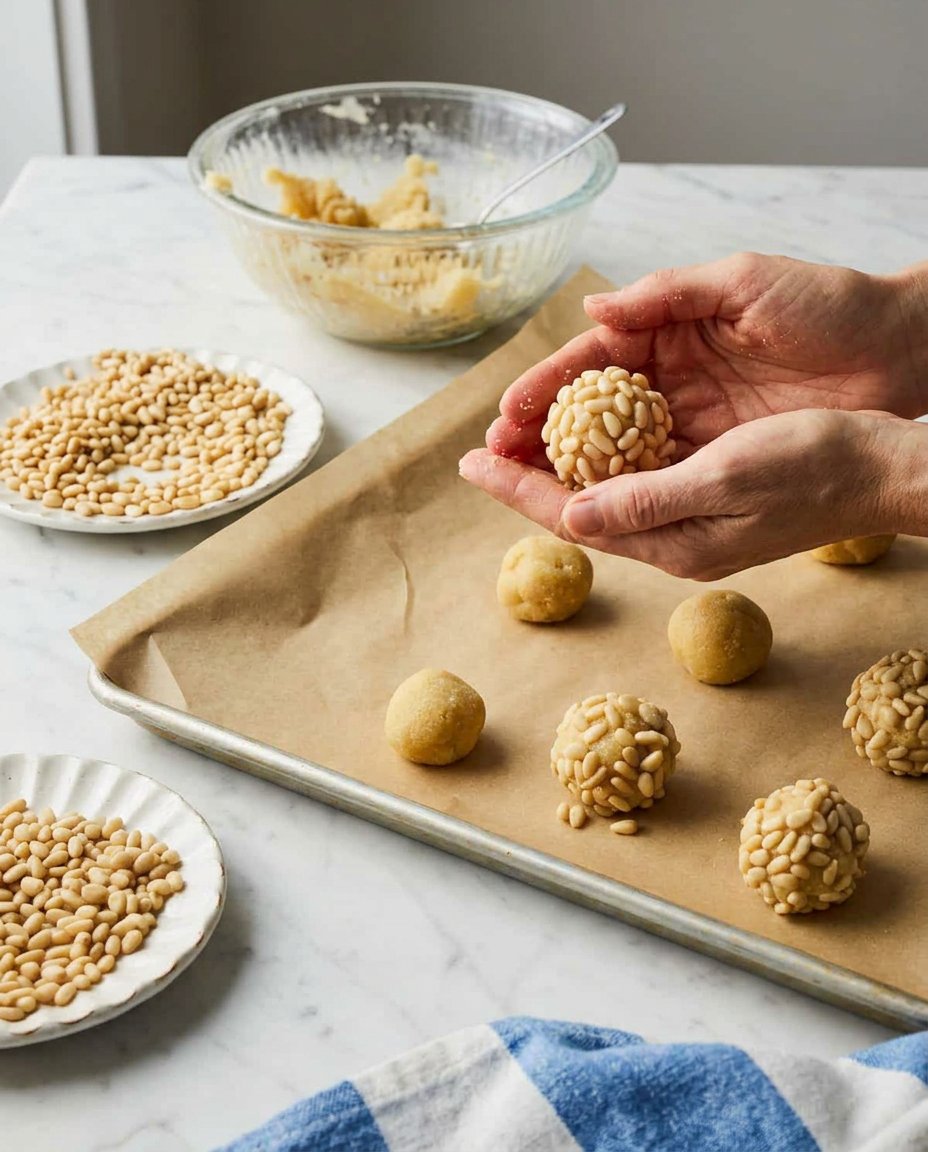
Place your pine nuts in a wide, shallow bowl. Scoop about a tablespoon of dough at a time. Using slightly damp hands—this is a life-changing tip to manage the stickiness—roll the dough into neat balls about one inch in diameter. Drop each ball into the pine nuts and roll it around, pressing firmly so the nuts embed themselves into the dough. You want the surface to be almost entirely covered in pine nuts.
Step 5: The Final Press and Bake
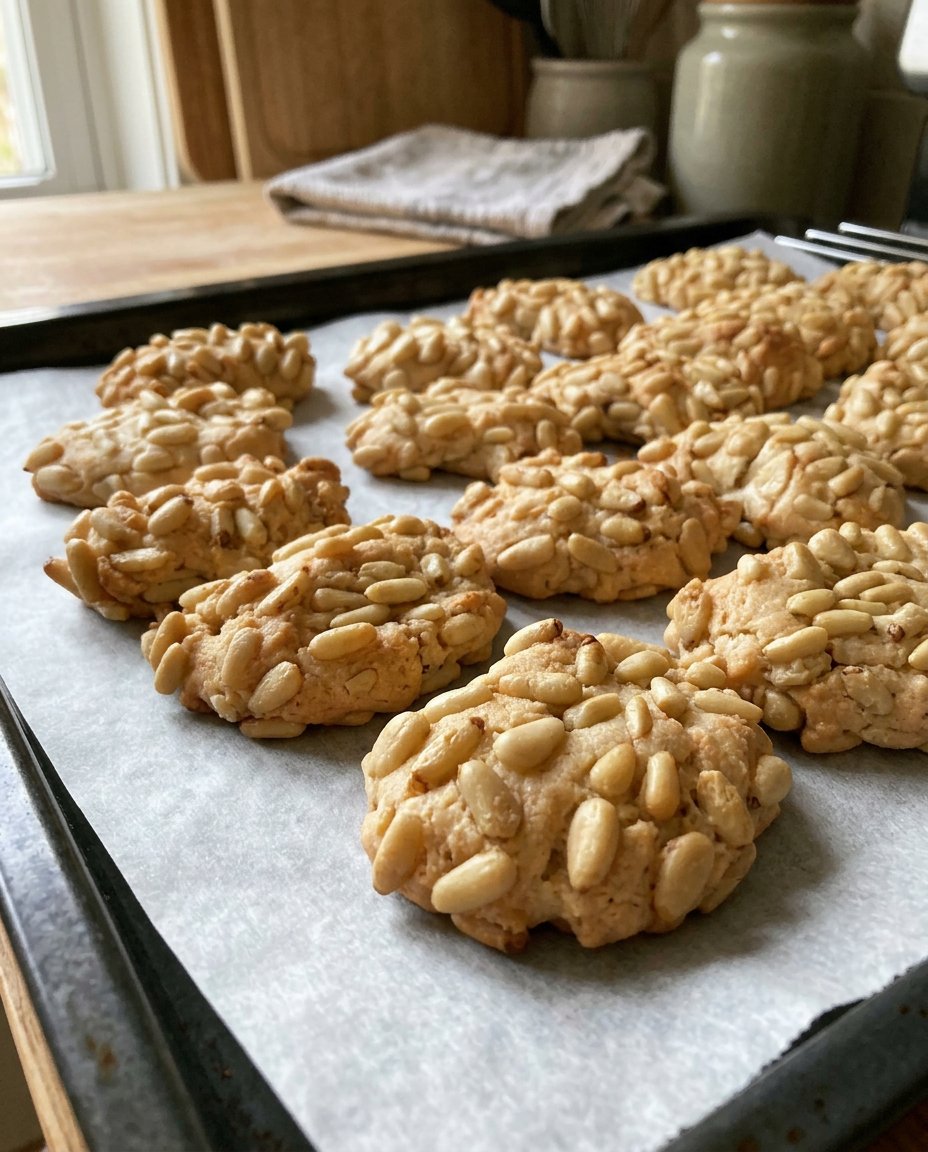
Arrange the coated balls on your prepared baking sheet, leaving about two inches of space between them. They do not spread aggressively, but they need room for the heat to circulate. Gently press down on the top of each ball with your thumb or the back of a spoon to flatten them slightly into thick discs. Bake for 18 to 22 minutes. You are looking for a very pale gold color on the dough and a toasted tan color on the pine nuts. Do not overbake, or they will lose their signature chew.
Step 6: The Cooling Patience
Allow the cookies to rest on the baking sheet for at least 10 minutes. This is a vital part of the cooking process; the cookies are very fragile when hot and need this time to firm up. Once they have stabilized, move them to a wire rack to cool completely. The flavor actually improves as they reach room temperature, as the almond oils settle and the pine nuts become crisp.
Spice Secrets
One of the most important factors in successful baking with almond paste is temperature. If your almond paste is too cold, it will be hard and brittle, making it difficult to achieve a smooth dough. I recommend letting it sit at room temperature for an hour before you begin your work. If you find your dough is becoming too soft to handle during the rolling process, don’t be afraid to pop it into the refrigerator for ten minutes. This keeps the fats stable and makes the shaping much easier. For more inspiration on handling delicate doughs, you should look through our Artisan Cookie Collection. Another secret is to use a light hand when pressing the pine nuts; if you press too hard, you’ll deflate the air you’ve worked into the paste. Always check your pine nuts for freshness before starting, as their high oil content means they can turn rancid quickly if not stored in a cool, dark place.
Other Flavor Twists
While the traditional Pignoli Cookies 2 is a masterpiece on its own, I love to experiment with subtle aromatic additions that honor the Mediterranean roots. You can add the zest of one medium lemon or orange to the dough to introduce a bright, citrusy high note that cuts through the rich nuttiness. Another beautiful variation is to add half a teaspoon of orange blossom water; this creates a floral, honey-like aroma that is very common in Middle Eastern and Sicilian pastry traditions. If you are interested in how to adapt these for different holidays, check out our guide on Seasonal Cookie Design. You could even swap the pine nuts for slivered almonds or chopped pistachios for a different textural experience, though the pine nut version remains the most iconic. For a deeper, darker profile, try adding a tablespoon of high-quality cocoa powder to the dough for a chocolate-almond twist.
Flavor Pairings
To truly appreciate the complex profile of Pignoli Cookies 2, serving them with the right beverage is essential. In Italy, these are often enjoyed with a strong, dark espresso, where the bitterness of the coffee perfectly complements the sweet almond dough. If you prefer tea, a fragrant Earl Grey or a spicy Chai provides a wonderful aromatic backdrop that highlights the resinous notes of the pine nuts. For those looking to keep up with the latest in food presentation, our Trending Cookie Creations section has many ideas on how to plate these for maximum visual impact. They also pair beautifully with a glass of Vin Santo or another sweet dessert wine, making them a sophisticated conclusion to a multi-course dinner party. Always serve them at room temperature to ensure the textures are at their most vibrant.
The Flavor Truth
Baking these cookies is a way to connect with a long lineage of flavor innovators who understood that the best desserts often come from the earth’s most simple offerings. The Pignoli Cookies 2 remind us that patience and quality are the most important tools in any baker’s kitchen. I encourage you to share these with your loved ones and watch as the unexpected warmth of the almond and the crunch of the pine nuts spark new conversations and memories. For more simple yet beautiful recipes, please visit our Effortless Cookie Elegance page. Don’t forget to share your aromatic baking adventures with us on Instagram, Pinterest, and Facebook. If you want to see the original inspiration for this technique, you can also see the guide at Love and Lemons. Keep experimenting with your pantry, and let the scents of your kitchen guide you to new discoveries.