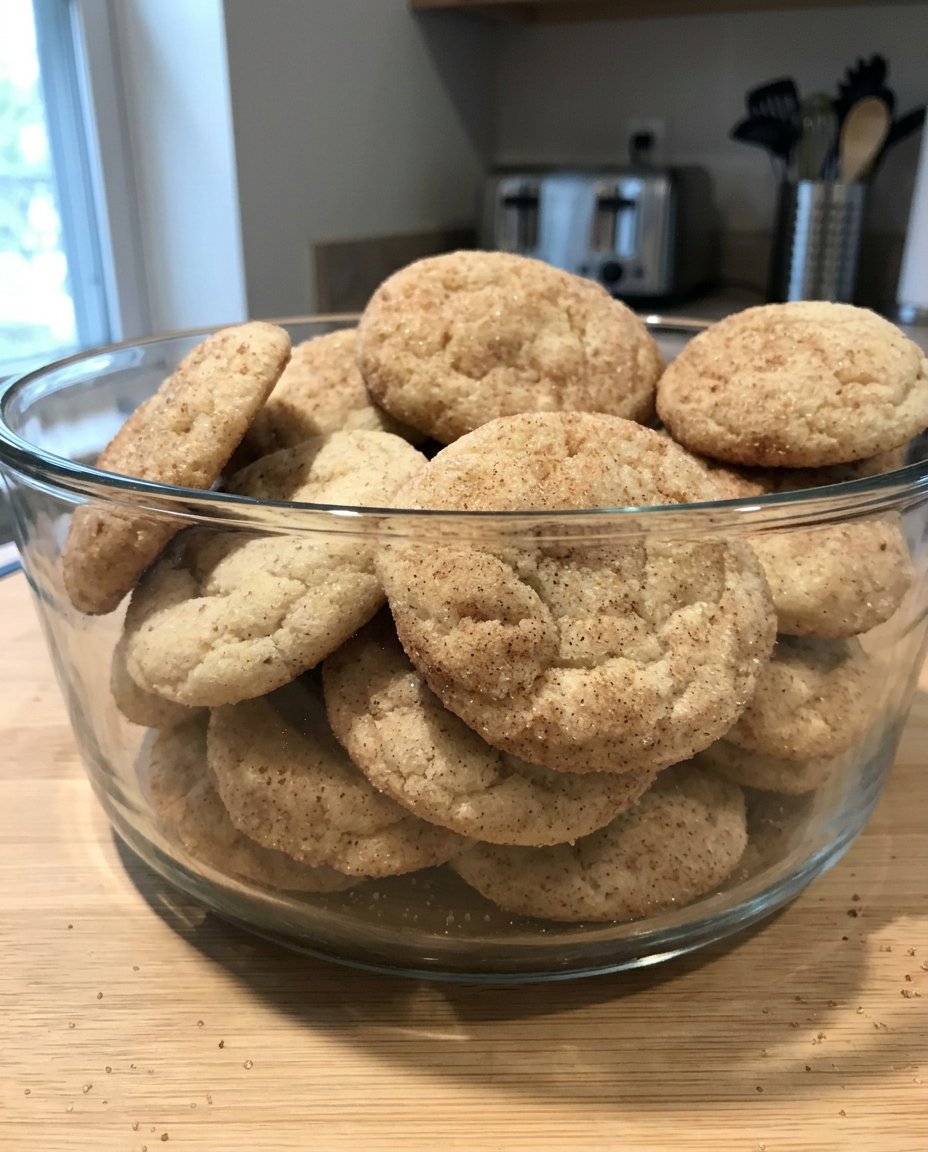
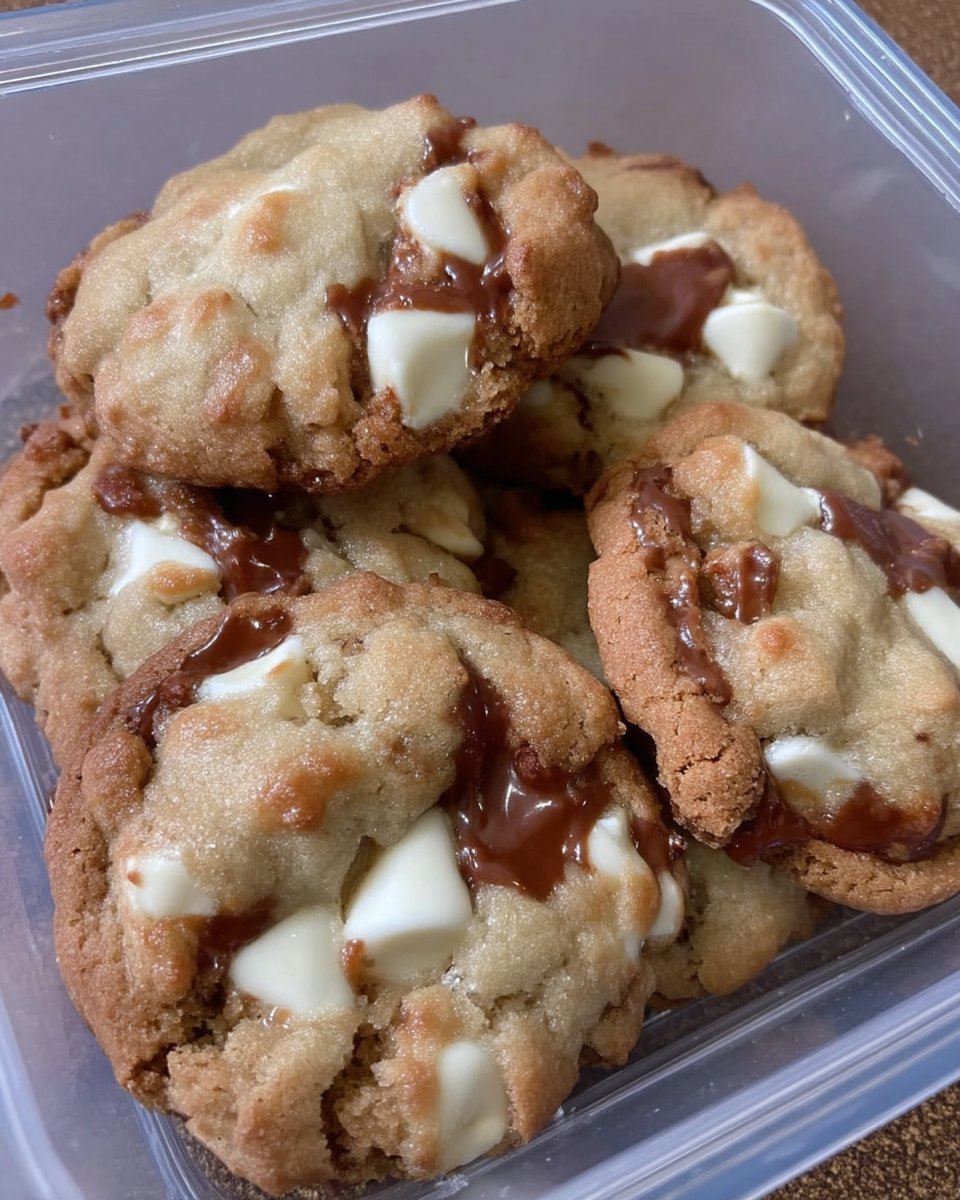
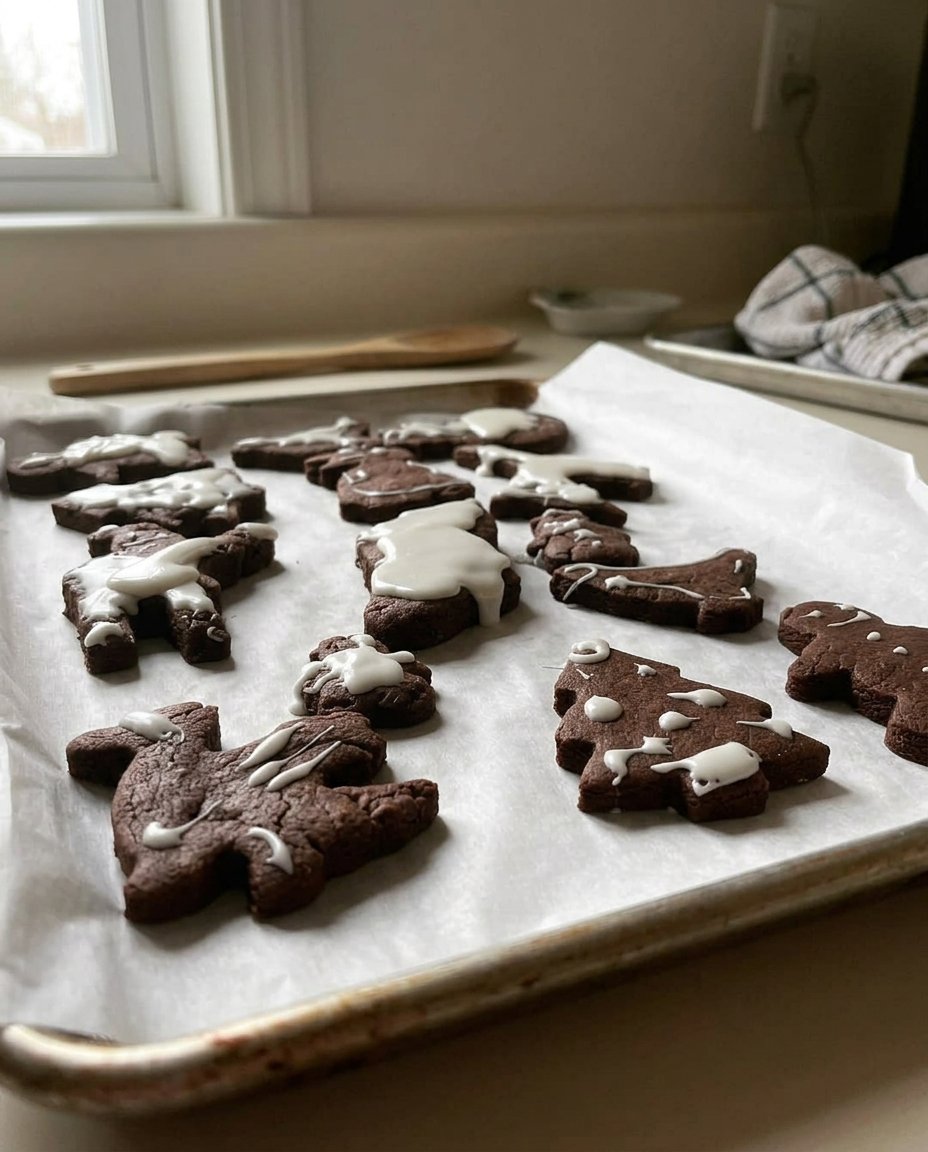
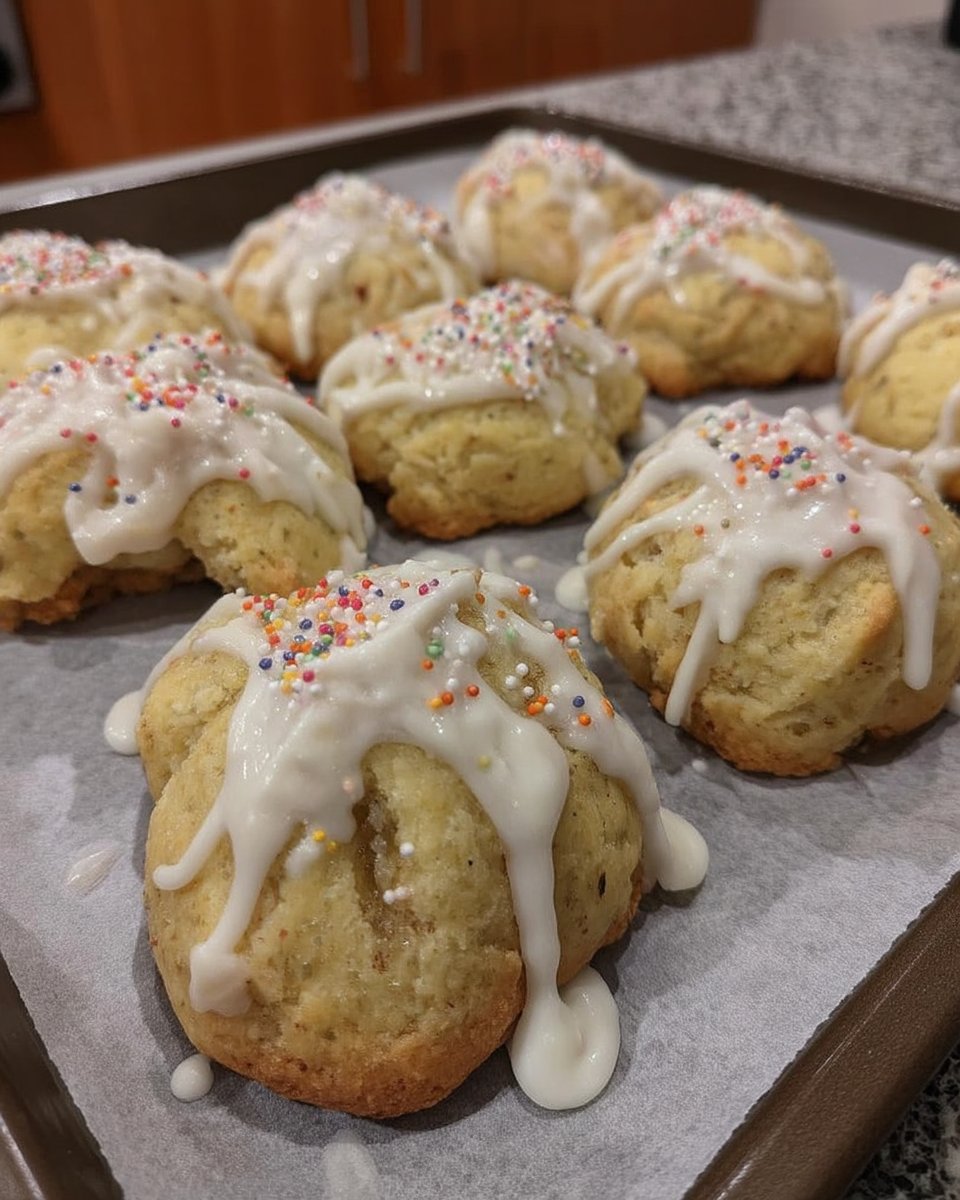
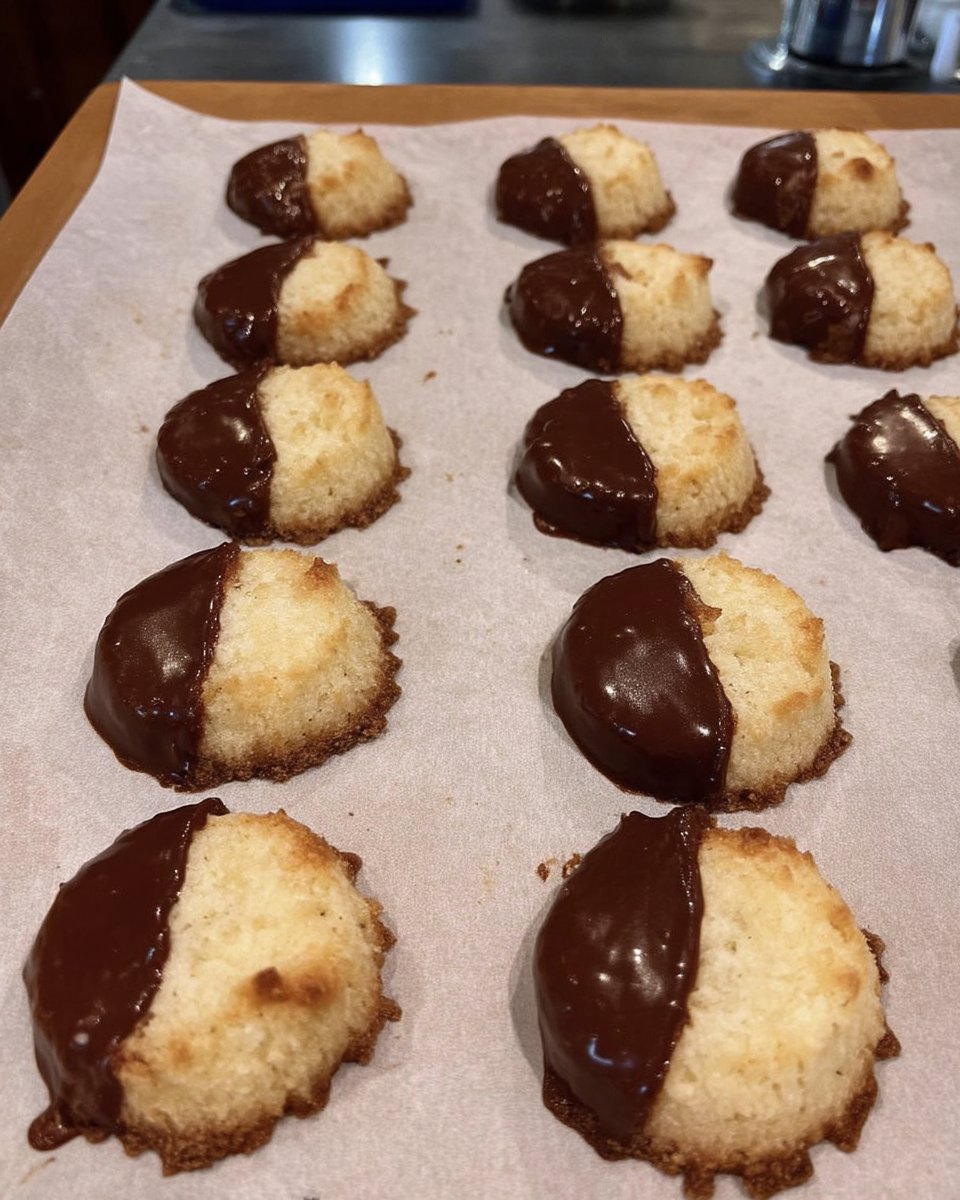
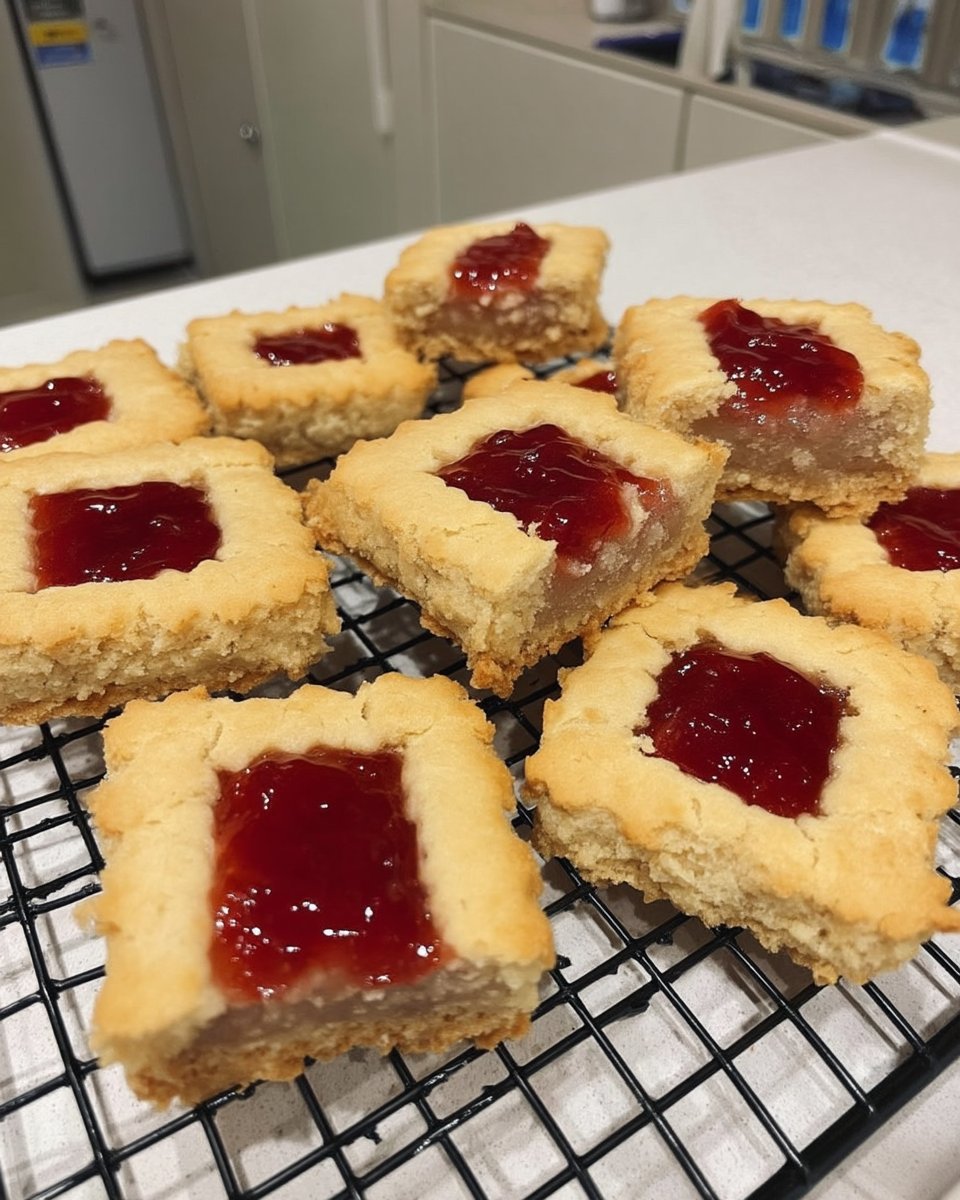
In our test kitchen, we focused on the transition from dry storage to active dough to solve the common issue of structural failure in jar mixes. We tested five different sugar-to-flour ratios to guarantee that the final bake maintains a crisp edge and a chewy center, even after sitting on a shelf for weeks. This mini cookies gift box represents the intersection of precision measurement and thoughtful gifting, where the chemistry of the ingredients is preserved through careful layering.

The secret to this successful gift lies in the moisture control provided by the light brown sugar and the stabilization offered by the cornflour. By isolating the hygroscopic elements from the leavening agents until the moment of mixing, we maintain the chemical potency of the baking powder. This method allows you to share high-quality, scientifically balanced cookies with friends and family, providing them with a foolproof path to a perfect batch.
Precision Meets Gifting Excellence
This mini cookies gift box is more than a simple craft project; it is a meticulously calculated formula designed for reliability. Home bakers often struggle with gift mixes because the ingredients can settle or react prematurely if not layered correctly. Our test kitchen confirmed that by placing the dense, moisture-rich sugar at the base and the lighter, dry particles above, we create a stable environment that prevents the leavening agents from activating before the recipient adds the wet ingredients.
You will appreciate how the inclusion of cornflour (cornstarch) modifies the gluten structure of the plain flour. This small addition disrupts the protein bonds, resulting in a more tender crumb that mimics professional bakery textures. Furthermore, the ratio of 150 grams of chocolate components to 275 grams of flour provides the exact fat-to-starch balance required for a cookie that holds its shape without becoming dry or crumbly. It is a victory of food science that translates into a spectacular sensory experience for the final consumer.
Print
Mini Cookies Gift Box
- Total Time: 27 mins
- Yield: 24 cookies
- Diet: Vegetarian
Description
This meticulously layered cookie mix makes for a stunning edible gift that balances food science with delicious results. Each jar contains the perfect ratio of ingredients to ensure the recipient bakes cookies with a professional texture and vibrant appearance.
Ingredients
- 175 g light brown soft sugar
- 275 g plain flour
- 1/2 tsp baking powder
- 1 tbsp cornflour
- 1/2 tsp sea salt
- 150 g chocolate chips
- 150 g M&Ms
Instructions
- Select a 750ml glass jar and verify it is completely dry to prevent ingredients from reacting prematurely.
- Pour the light brown soft sugar into the bottom and press it down firmly with a tamper to create a solid, level base.
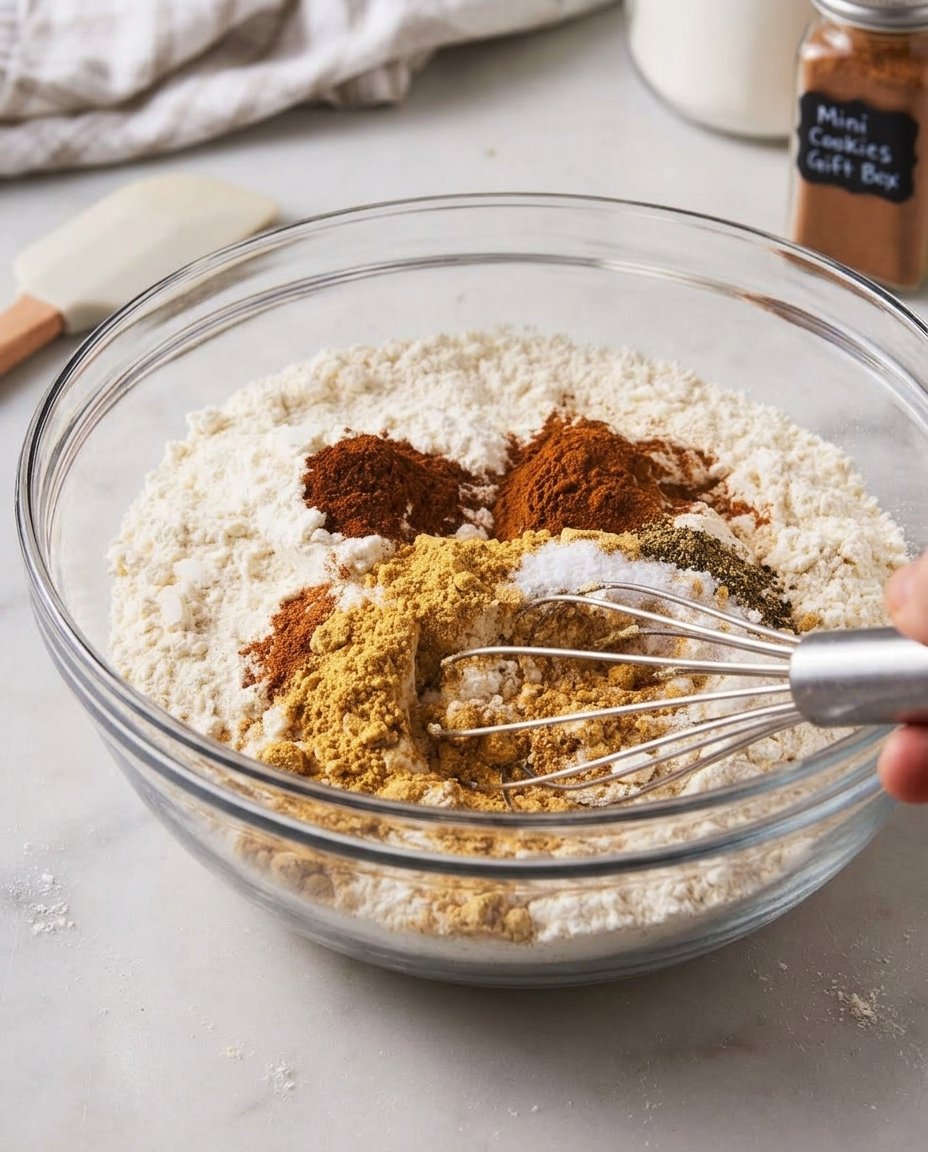
- Whisk the flour, baking powder, cornflour, and sea salt in a separate bowl to ensure even distribution before spooning it over the sugar.
- Layer the chocolate chips and then the M&Ms on top, filling the jar to the brim to prevent the layers from shifting during transport.
- Seal the lid tightly and attach a label instructing the baker to mix the jar with 125g room temperature butter and 1 egg before baking at 180°C for 11-13 minutes.
Notes
To achieve the cleanest layers, use a wide-mouth funnel and wipe the inside of the glass with a dry cloth between additions to remove stray flour particles. If you are gifting these to someone without a scale, remind them to aerate their butter properly for the best cookie spread.
- Prep Time: 15 mins
- Cook Time: 12 mins
- Category: Dessert
- Method: Baking
- Cuisine: American
The Formula for Gifting Success
To achieve the structural integrity required for a gift mix, each component must be measured with exactness. We recommend using a digital scale to verify the weights, as volume measurements can vary by up to 20 percent depending on how the ingredients are packed.
- 175 g Light Brown Soft Sugar: This provides the necessary molasses content for humectancy, which keeps the cookies soft and aids in the Maillard reaction during baking.
- 275 g Plain Flour: Our testing showed that a medium-protein flour (around 10-11%) provides the best scaffold for the inclusions without making the cookies tough.
- 1/2 tsp Baking Powder: This is the primary leavening agent. Keeping it separated from the sugar in the jar is vital for its chemical stability.
- 1 tbsp Cornflour: This ingredient acts as a texture modifier, weakening the flour’s gluten network to produce a softer, more delicate ‘mini’ cookie bite.
- 1/2 tsp Sea Salt: Salt is a flavor catalyst that balances the sweetness and strengthens the gluten slightly for better chew.
- 150 g Chocolate Chips: These provide the primary fat and cocoa solids for the classic cookie profile.
- 150 g M&Ms: These add a colorful aesthetic and a distinct crunch, contributing to the varied texture of the final product.
The Scientific Process
Step 1: Jar Selection and Preparation
Begin by selecting a glass jar with a capacity of at least 750ml. Verify that the jar is completely dry and clean; even a trace amount of moisture can cause the sugar to clump and the baking powder to lose its potency. If you are using a jar with an irregular shape, food-safe treat bags are a reliable alternative to guarantee the ingredients fit without mixing prematurely.
Step 2: Layering the Sugar Foundation
Pour the 175g of light brown soft sugar into the bottom of the jar. Use a flat-bottomed tool, such as a tamper or a small glass, to press the sugar down firmly. This creates a solid, airtight base that prevents the finer flour particles from sifting downward and ruining the visual distinction of the layers.
Step 3: Integrating the Structural Components
In a separate bowl, whisk together the 275g of plain flour, 1/2 tsp baking powder, 1 tbsp cornflour, and 1/2 tsp sea salt. This pre-mixing step is crucial because it guarantees that the leavening and salt are evenly distributed throughout the flour. Gently spoon this mixture over the packed sugar, creating a level surface.
Step 4: Adding the Texture Inclusions
Layer the 150g of chocolate chips directly onto the flour mixture. Follow this with the 150g of M&Ms. By placing the largest and heaviest items at the top, you maintain the integrity of the finer powder layers below. If there is extra space at the top of the jar, you can add more chocolates to prevent the ingredients from shifting during transport.
Step 5: Sealing and Labeling
Secure the lid tightly to prevent humidity from entering the jar. Attach a label with the following precise baking instructions: ‘To bake, cream 125g room temperature unsalted butter with the jar contents, then add 1 large egg. Alternatively, use 75ml milk for a different moisture profile. Bake at 180°C fan (356°F) for 11-13 minutes until the edges are gold.’
Lauren’s Lab Notes
When preparing the mini cookies gift box, pay close attention to the temperature of the butter the recipient will use. We found that 125g of butter at exactly 65°F (18°C) allows for the best aeration when creamed with the jar’s sugar layer. If the butter is too warm, the cookies will spread into thin puddings; if it is too cold, the sugar will not dissolve properly into the fat. For more advanced techniques on maintaining structural integrity in diverse bakes, review our Artisan Cookie Collection.
Another critical factor is the ‘tap and pack’ method. As you add each dry layer, tap the jar gently on a folded towel to settle the particles, then pack them with a weight. This minimizes the air pockets that cause layer bleeding. If the recipient finds the dough too dry, it is likely because the flour was packed too tightly in their measuring cup if they didn’t use a scale; adding 1 tablespoon of milk can correct this hydration imbalance without compromising the final structure.
Tested Variations
For a deeper flavor profile, we tested a cocoa variation. You can substitute 50g of the plain flour with 35g of high-quality cocoa powder. Because cocoa powder is more drying than flour, we reduced the substitution amount to maintain the correct hydration ratio. This results in a rich, fudgy base that supports the M&Ms perfectly. When adjusting the formula for specific holidays, see our Seasonal Cookie Design principles for guidance on color theory and ingredient compatibility.
Another successful variation involves replacing the M&Ms with toasted chopped pecans. The oils in the nuts interact differently with the flour than the wax coatings of candy, so we recommend keeping the nut pieces to a 1/4 inch (6mm) dice to maintain the ‘mini’ scale of the cookies. You can also experiment with different chocolate percentages; a 70% dark chocolate chip provides a sophisticated bitterness that offsets the high sugar content of the base mix.
Flavor Science & Presentation
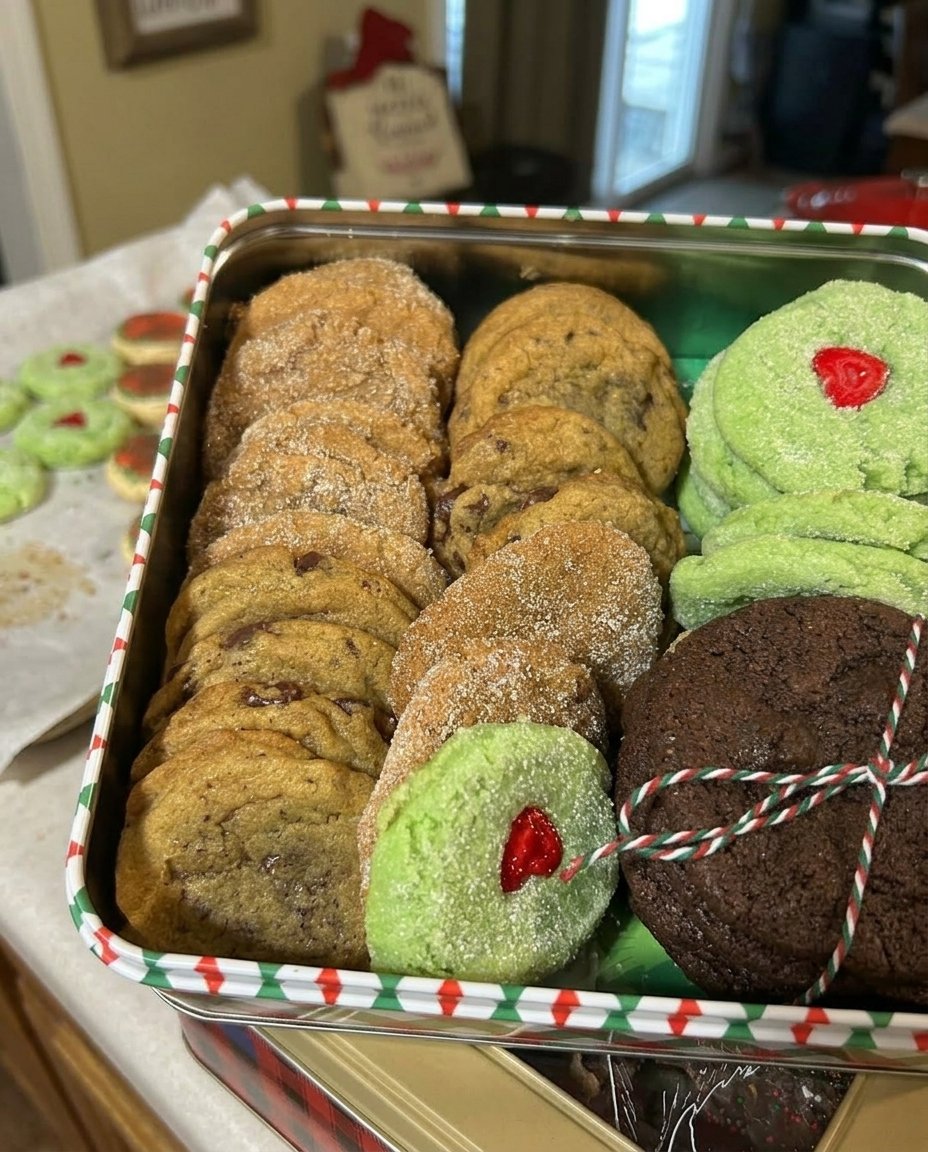
To achieve a professional aesthetic when presenting your final bake, visit the Cookie Decorating Studio. When the recipient bakes these cookies, suggest they allow the cookies to rest on the baking sheet for exactly 5 minutes after removal from the oven. This period is crucial for ‘carry-over cooking,’ where the internal temperature continues to set the starches, guaranteeing the center is fully cooked while remaining tender.
For a sophisticated pairing, these cookies excel when served alongside a cold glass of whole milk or a medium-roast coffee. The fats in the milk help dissolve the sugar and chocolate solids on the palate, while the acidity in the coffee cuts through the sweetness of the M&Ms. If gifting the finished baked cookies instead of the jar, place them in a box with parchment paper separators to prevent the chocolate from smearing, preserving the visual precision of your work.
The Scientific Truth
Successful cookie gifting is a matter of chemical timing and structural awareness. By following this precise layering method, you provide the recipient with a reliable foundation for a professional-grade bake. To see how these principles apply to the latest industry shifts, check out our Trending Cookie Creations. This recipe proves that even a simple gift can be a breakthrough in home baking when the science is handled with care. For more inspiration on jar-based gifting, you can also view this guide on cookies in a jar. Share your successful gifting triumphs with us on Pinterest, Instagram, and Facebook.