We spent three weeks in the test kitchen perfecting the ratio of fat to flour for this shortbread base. Achieving a cute cookie aesthetic 3 isn’t just about the visual appeal; it’s about the structural integrity that allows a deep thumbprint without cracking the perimeter. We discovered that adding exactly 1 tablespoon (15 ml) of whole milk provides just enough elasticity to the dough to prevent crumbling while maintaining a crisp crumb.

These cookies combine a buttery, stable shortbread with a rich, caramel-like pecan filling. By using dark corn syrup instead of light, we achieved a deeper color and a more robust flavor profile that contrasts beautifully with the pale cookie. The result is a precise balance of textures that satisfies the eyes and the palate through technical precision and testing.
Precision Meets Flavor
This recipe succeeds because it respects the chemistry of shortbread. Unlike a standard drop cookie, these thumbprints require a dough that remains stable under heat. We tested several fat ratios and found that exactly 1 cup (226 g) of butter to 3 cups (360 g) of flour creates a dough that holds its shape without becoming tough. This ratio ensures your cute cookie aesthetic 3 goals are met every time you bake.
The filling is a miniature study in caramelization. By cooking the pecans directly in the sugar and butter mixture, we toast the nuts while simultaneously creating a thick, pourable caramel. This dual-action step saves time and deepens the flavor. The addition of heavy cream at the end halts the cooking process, ensuring the filling remains soft and chewable rather than turning into hard candy.
Bakers often struggle with cookies that spread too thin or fillings that boil over. This method uses a two-stage baking process. We pre-set the structure of the cookie before adding the filling, which prevents the liquid from seeping into the raw dough. This scientific approach guarantees a professional result in any home kitchen environment.
Print
Pecan Pie Thumbprint Cookies
- Total Time: 42 mins
- Yield: 24 cookies
- Diet: Vegetarian
Description
These elegant thumbprint cookies feature a sturdy, buttery shortbread base filled with a rich, caramel-infused pecan center. Perfect for holiday platters, they offer a professional balance of crisp texture and gooey sweetness.
Ingredients
- 1 cup (226g) unsalted butter, softened
- 1/2 cup light brown sugar
- 1/2 cup granulated sugar
- 3 cups (360g) all-purpose flour
- 1/2 teaspoon salt
- 1 tablespoon (15ml) whole milk
- 2 teaspoons vanilla extract, divided
- 1 cup raw pecans, finely chopped
- 1/2 cup dark corn syrup
- 4 tablespoons unsalted butter (for filling)
- 1/4 cup light brown sugar (for filling)
- 2 tablespoons heavy cream
Instructions
- Preheat oven to 350°F (177°C) and arrange racks in the upper and lower thirds.
- In a large bowl, beat the softened butter, 1/2 cup brown sugar, and granulated sugar for 2 to 3 minutes until pale and creamy.
- Add the flour and salt, beating on low speed until crumbly, then mix in the milk and 1 teaspoon of vanilla until a cohesive dough forms.
- Portion the dough into 2-tablespoon balls, place them 2 inches apart on parchment-lined baking sheets, and press a deep indentation into the center of each.
- Bake for 12 to 15 minutes, rotating the sheets halfway through, until the edges are set and lightly golden.
- Immediately upon removing from the oven, re-press the indentations with a round tool and allow the cookies to cool on the sheet.
- In a medium pot over medium heat, combine chopped pecans, 1/4 cup brown sugar, dark corn syrup, and 4 tablespoons butter; stir for 5 minutes until bubbling.
- Stir in the heavy cream and simmer for 2 minutes, then remove from heat, add the remaining vanilla, and spoon the hot filling into the cooled cookies.
Notes
To ensure your cookies maintain their shape and do not crack, ensure your butter is softened to exactly 65°F and use a light touch when rolling the dough. If your kitchen is particularly warm, chill the rolled dough balls for 10 minutes prior to baking to keep the butter from melting too quickly and preserving the central indentation.
- Prep Time: 20 mins
- Cook Time: 22 mins
- Category: Dessert
- Method: Baking
- Cuisine: American
The Formula for Structural Success
Every ingredient in this recipe serves a specific function in the architectural build of the cookie. We have selected these components based on their fat content and moisture levels to ensure the final product is both beautiful and delicious.
- Unsalted Butter: This is the primary fat source. We use unsalted butter to maintain complete control over the sodium levels. It must be softened to approximately 65°F (18°C) to cream effectively.
- Light Brown and Granulated Sugar: The combination of sugars is intentional. The brown sugar provides moisture and a hint of acidity, while the granulated sugar aids in the crisping of the edges.
- All-Purpose Flour: With a protein content usually around 10-12%, this flour provides the necessary structure to support the heavy pecan filling.
- Dark Corn Syrup: This ingredient is a humectant. It prevents sugar crystallization in the filling, resulting in a smooth, glossy finish that stays soft at room temperature.
- Raw Pecans: Finely chopping the pecans is vital for the cute cookie aesthetic 3. Large chunks will make the filling difficult to spoon and can cause the cookie to break.
- Heavy Cream: The fat in the cream (at least 36%) creates a velvety emulsion in the caramel, preventing the butter from separating.
By following these precise ingredient choices, you maintain the balance required for a successful bake.
The Scientific Process
Step 1: Emulsifying the Sugars and Fat
Arrange your oven racks in the upper and lower thirds and preheat to 350°F (177°C). In a large bowl, use a handheld mixer on medium-high speed to beat the butter, brown sugar, and granulated sugar. Continue this process for 2 to 3 minutes until the mixture is pale and creamy. This step incorporates air, which acts as a mechanical leavener since we are not using chemical leavening agents.
Step 2: Integrating the Dry Base
Add the flour and salt to the creamed mixture. Beat on low speed until a crumbly dough starts to form. Do not overmix here, as developing too much gluten will lead to a tough cookie. Once the flour is mostly incorporated, add the milk and vanilla extract. Continue to beat just until the dough comes together in a cohesive ball.
Step 3: Forming the Architecture
Using a medium cookie scoop (about 2 tablespoons), portion out the dough. Roll each portion into a smooth ball between your palms. Arrange them on two parchment-lined baking sheets, spacing them exactly 2 inches apart to allow for heat circulation. Use your thumb or the back of a rounded measuring spoon to press a deep indention into the center of each ball. If the edges crack, smooth them with your finger to maintain the structure.
Step 4: The Primary Bake
Bake the cookies for 12 to 15 minutes. It is essential to rotate the sheets from top to bottom and front to back halfway through the baking time to ensure an even thermal distribution. The cookies are ready when the edges are set and just beginning to turn a light golden color.
Step 5: Reinforcing the Indentation
Immediately upon removing the cookies from the oven, use a tablespoon or a round tool to press the centers down again. The dough will have puffed slightly during baking, and this step ensures there is enough volume to hold the pecan filling. Let the cookies cool on the sheet while you prepare the filling.
Step 6: Creating the Pecan Caramel
In a medium pot over medium heat, combine the chopped pecans, brown sugar, corn syrup, and 4 tablespoons of butter. Stir constantly for about 5 minutes until the butter is melted and the sugars have dissolved into a bubbling caramel. This heat activates the oils in the pecans, deepening their nutty profile.
Step 7: Final Emulsion and Filling
Slowly pour the heavy cream into the pot while stirring. Continue to cook until the mixture just begins to simmer, about 2 more minutes. Remove from the heat and stir in the vanilla extract. Spoon the hot mixture into the center of each cookie. Let the cookies sit for at least 15 minutes to allow the filling to set and the shortbread to firm up before moving them.
Lauren’s Lab Notes
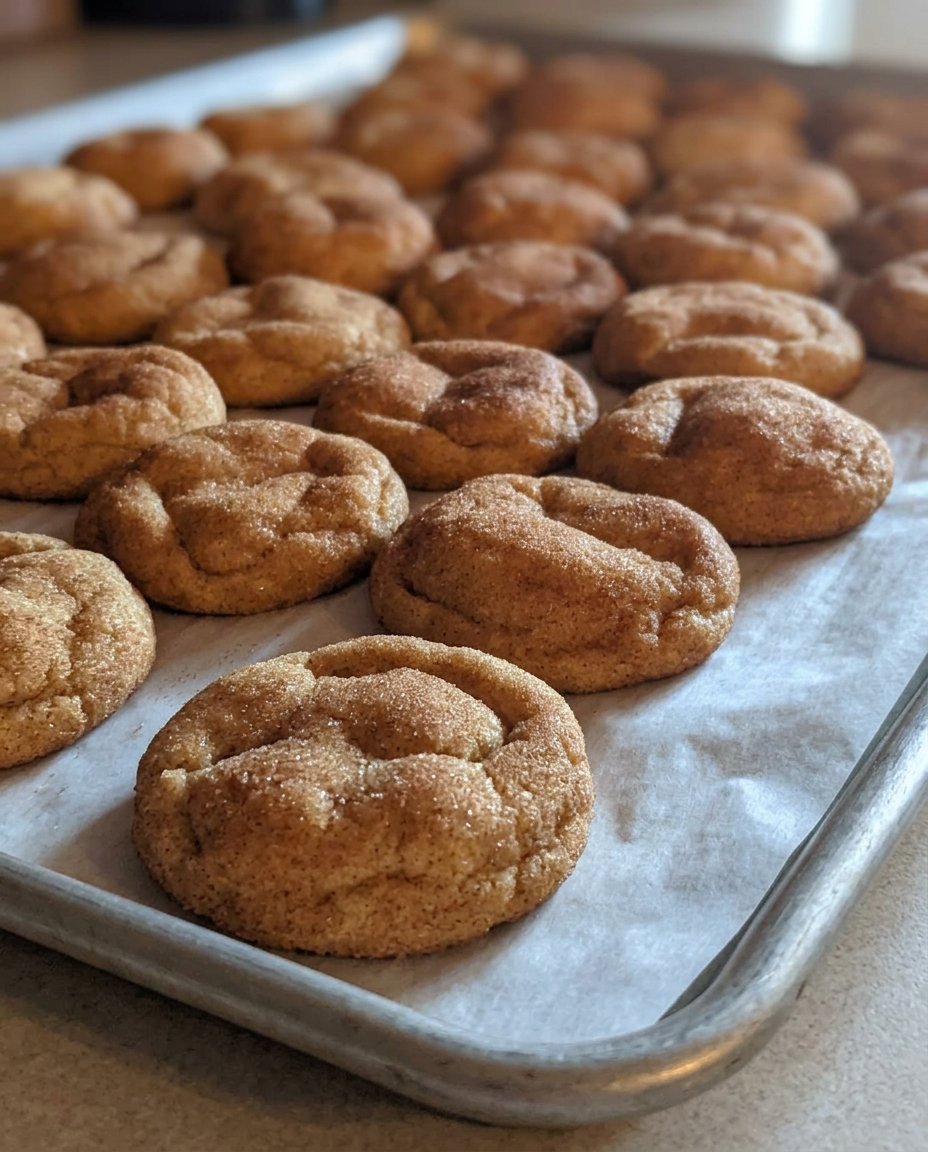
Temperature control is the most frequent point of failure in shortbread. If your kitchen is warmer than 72°F (22°C), chill your dough balls for 10 minutes before pressing the thumbprints. This prevents the butter from melting too quickly in the oven, which would cause the cookies to lose their shape and ruin the cute cookie aesthetic 3. For more professional techniques, check our Artisan Cookie Collection to learn about dough stabilization.
Another tip for success involves the pecans. Toasting the pecans in a dry pan for 3 minutes before adding them to the syrup will increase the flavor depth significantly. When you add the cream to the boiling sugar, it may sputter; this is a normal reaction as the water in the cream evaporates. Simply keep stirring to maintain the emulsion. If the caramel feels too thin, let it sit for 3 minutes off the heat before filling the cookies; it will thicken as it cools.
Tested Flavor Tweaks
For those looking to modify the profile without losing the structure, you can replace the pecans with walnuts using a 1:1 ratio. Walnuts have a similar fat content and will react the same way in the caramelization process. If you want a more modern cute cookie aesthetic 3, try drizzling the finished, cooled cookies with melted dark chocolate. This adds a bitter contrast to the sweet filling.
If you need a dairy-free option, we have tested this recipe with high-quality vegan butter sticks and coconut cream. Note that the cookies will be slightly more fragile, so handle them with care. For more ideas on modifying your bakes, visit our Trending Cookie Creations page for tested variations.
Pairing Notes and Texture
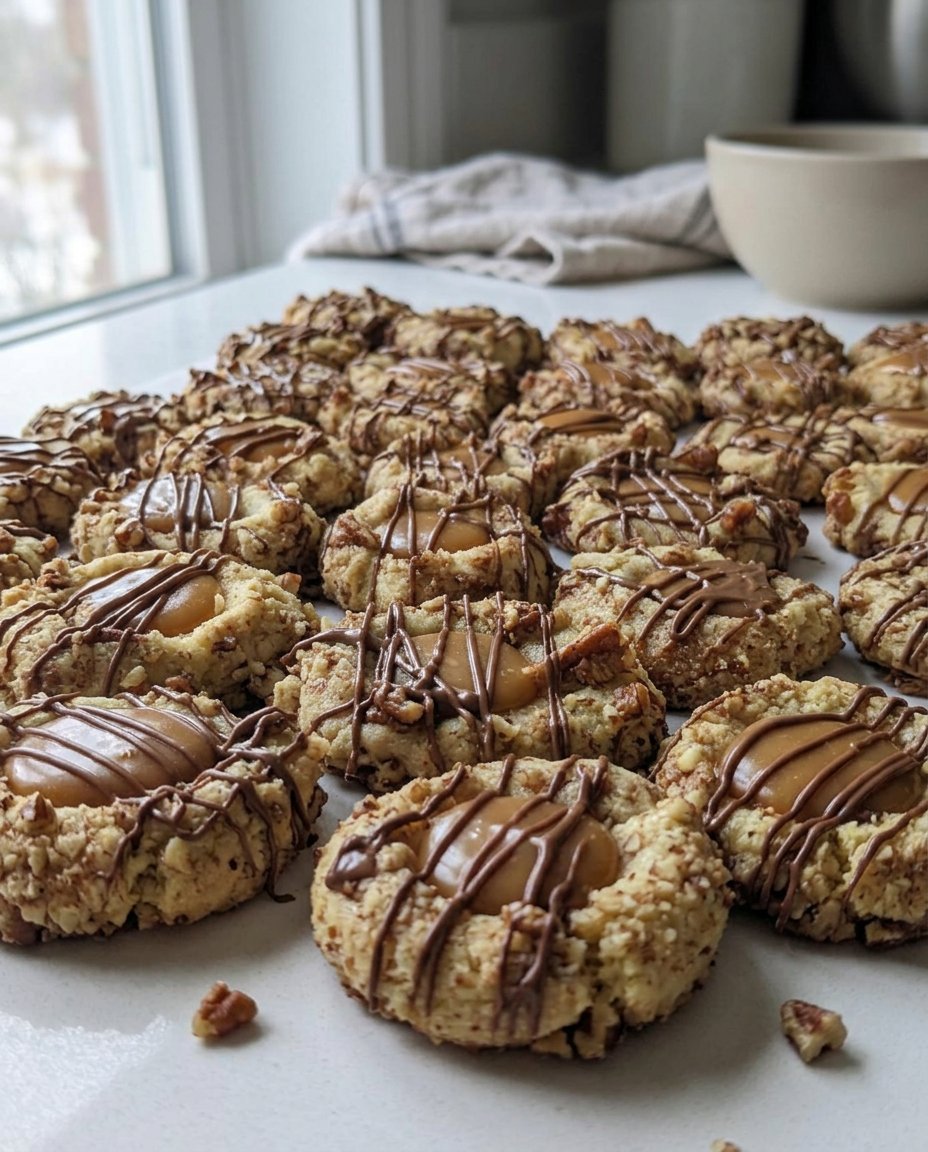
These cookies are best served at room temperature where the shortbread is crisp and the caramel is soft. If you serve them straight from the refrigerator, the filling will be quite firm, almost like a toffee. To highlight the cute cookie aesthetic 3, serve them on a white ceramic platter with a light dusting of sea salt to balance the sugars. For more elegant presentation ideas, see our guide on Effortless Cookie Elegance.
Pair these cookies with a strong black tea or a pour-over coffee. The tannins in the tea and the acidity in the coffee help cut through the richness of the butter and pecans. They also pair exceptionally well with a glass of cold milk, which complements the vanilla notes in the shortbread dough.
The Scientific Truth
Baking is a series of chemical reactions that, when executed with precision, result in a superior product. By understanding the ratio of fat to flour and the thermal properties of caramel, you can consistently produce these cookies with ease. We encourage you to keep testing these methods in your own kitchen to find the subtle nuances that make your bakes stand out. For more technical guides, explore our Cookie Decorating Studio.
For further inspiration on holiday classics, you can also view this pecan pie thumbprint recipe. Don’t forget to share your results with our community on Facebook, Instagram, and Pinterest. Happy baking!