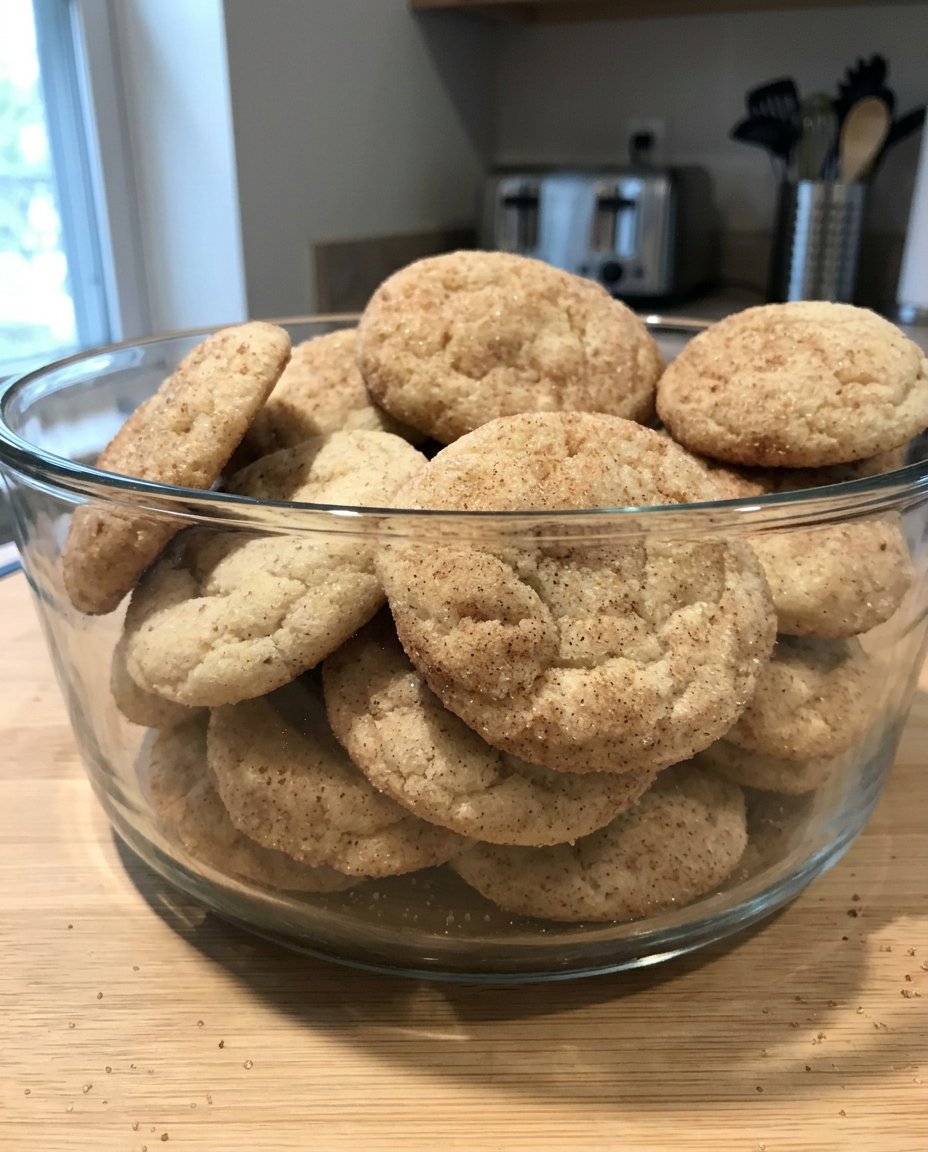
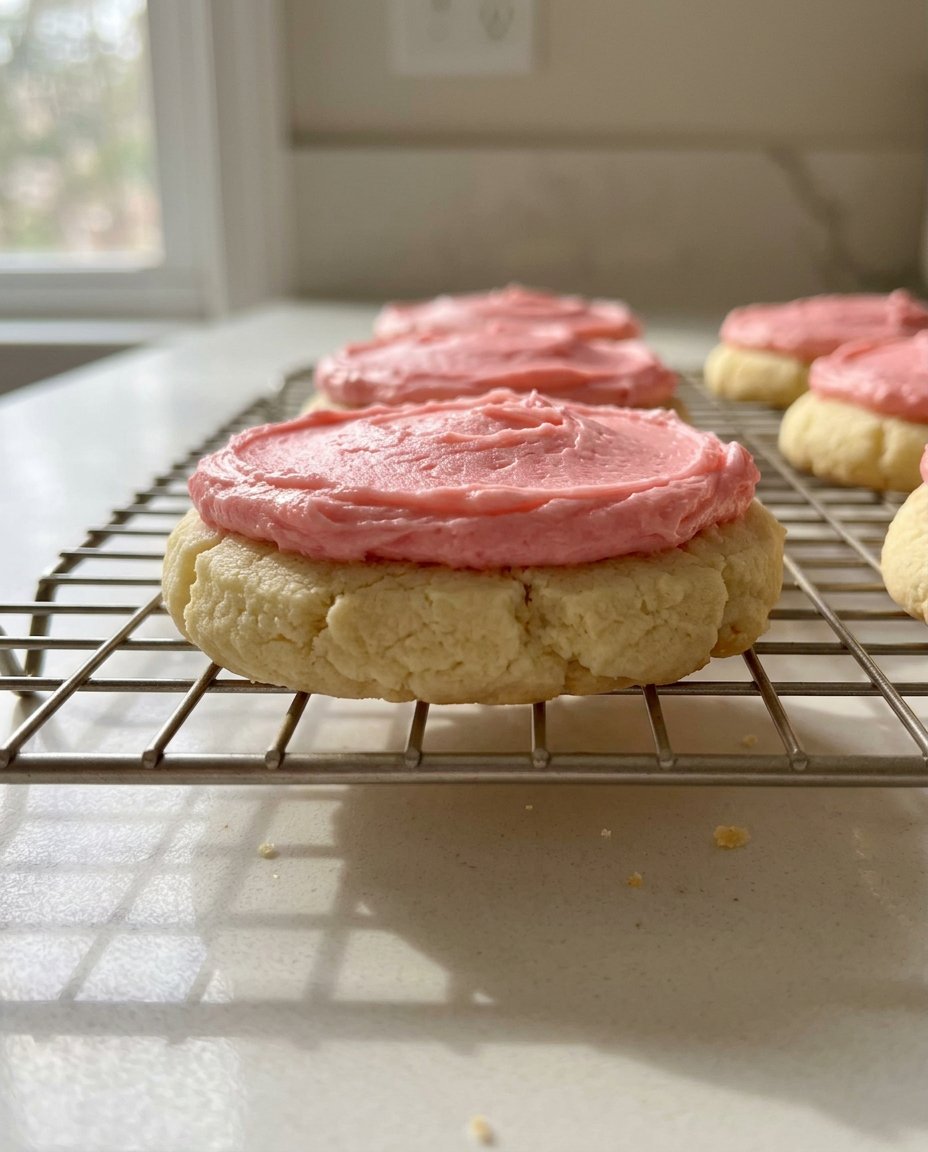
In our test kitchen, we focused on the structural integrity of the cookie while adding complex aromatics. We tested the ratio of cardamom to ginger several times to find the exact point where the spice oils do not interfere with the crumb. This approach results in a cookie that maintains its iconic chew while delivering a sophisticated flavor profile.

These Chai Snickerdoodles represent a scientific shift from the classic cinnamon-sugar coating to a deeper masala blend. By integrating black pepper and cloves, we provide a warming sensation that complements the signature tang of the cream of tartar.
The Chemistry of Spiced Comfort
This recipe succeeds because it respects the delicate balance between acid and base. The cream of tartar (tartaric acid) provides the classic snickerdoodle tang and prevents sugar crystallization, which results in a softer, chewier texture. When this acid reacts with the baking soda, it creates a quick burst of carbon dioxide, giving the cookies their characteristic cracks.
The addition of masala chai spices adds a layer of flavor chemistry. Cardamom and ginger contain volatile oils that bloom when exposed to the heat of the oven. Unlike standard cookies, these spices are concentrated on the exterior, hitting the palate immediately and providing a sharp contrast to the sweet, buttery interior. This creates a sensory experience that is both nostalgic and innovative.
Print
Chai Snickerdoodles
- Total Time: 30 mins
- Yield: 24 cookies
- Diet: Vegetarian
Description
Experience a sophisticated twist on a classic favorite with these Chai Snickerdoodles, featuring a scientifically balanced dough and a warming masala spice coating. These cookies offer a perfect harmony of chewy texture and complex aromatics, highlighted by the signature tang of cream of tartar.
Ingredients
- 2 3/4 cups all-purpose flour
- 2 teaspoons cream of tartar
- 1 teaspoon baking soda
- 1/4 teaspoon salt
- 1 cup unsalted butter, room temperature (65°F)
- 1 1/2 cups granulated sugar
- 2 large eggs
- 1 tablespoon vanilla extract
- 1/4 cup granulated sugar (for coating)
- 1 teaspoon ground cinnamon
- 1 teaspoon ground cardamom
- 1/2 teaspoon ground ginger
- 1/4 teaspoon ground cloves
- 1/4 teaspoon ground black pepper
Instructions
- Preheat oven to 375°F (190°C) and line baking sheets with parchment paper.
- In a medium bowl, whisk together the flour, cream of tartar, baking soda, and salt for at least 30 seconds to ensure even distribution.
- In a large bowl, use an electric mixer to cream the room temperature butter and 1.5 cups of granulated sugar on medium-high speed for exactly 3 minutes until light and aerated.
- Add the eggs one at a time, mixing until fully incorporated after each addition, then stir in the vanilla extract.
- Set the mixer to the lowest speed and gradually add the dry ingredients in three stages, mixing only until the white streaks of flour disappear.
- In a small bowl, whisk together the 1/4 cup of coating sugar with the cinnamon, cardamom, ginger, cloves, and black pepper.
- Scoop 1.5 tablespoon portions of dough (approx. 30g) and roll into smooth spheres.
- Roll each dough ball in the chai spice sugar mixture until evenly coated and place on the prepared baking sheets spaced 2 inches apart.
- Bake for 10 minutes; the centers should still look slightly puffy and underdone.
- Allow the cookies to cool on the baking sheet for 5 minutes before transferring to a wire rack to finish setting.
Notes
For the most consistent results, use a digital scale to measure your flour and ensure your leavening agents are fresh, as the reaction between cream of tartar and baking soda is essential for the cookie’s signature crackle. If your kitchen is particularly warm, chilling the rolled dough balls for 15 minutes before baking can help prevent excessive spreading.
- Prep Time: 20 mins
- Cook Time: 10 mins
- Category: Dessert
- Method: Baking
- Cuisine: American
The Formula for Chai Success
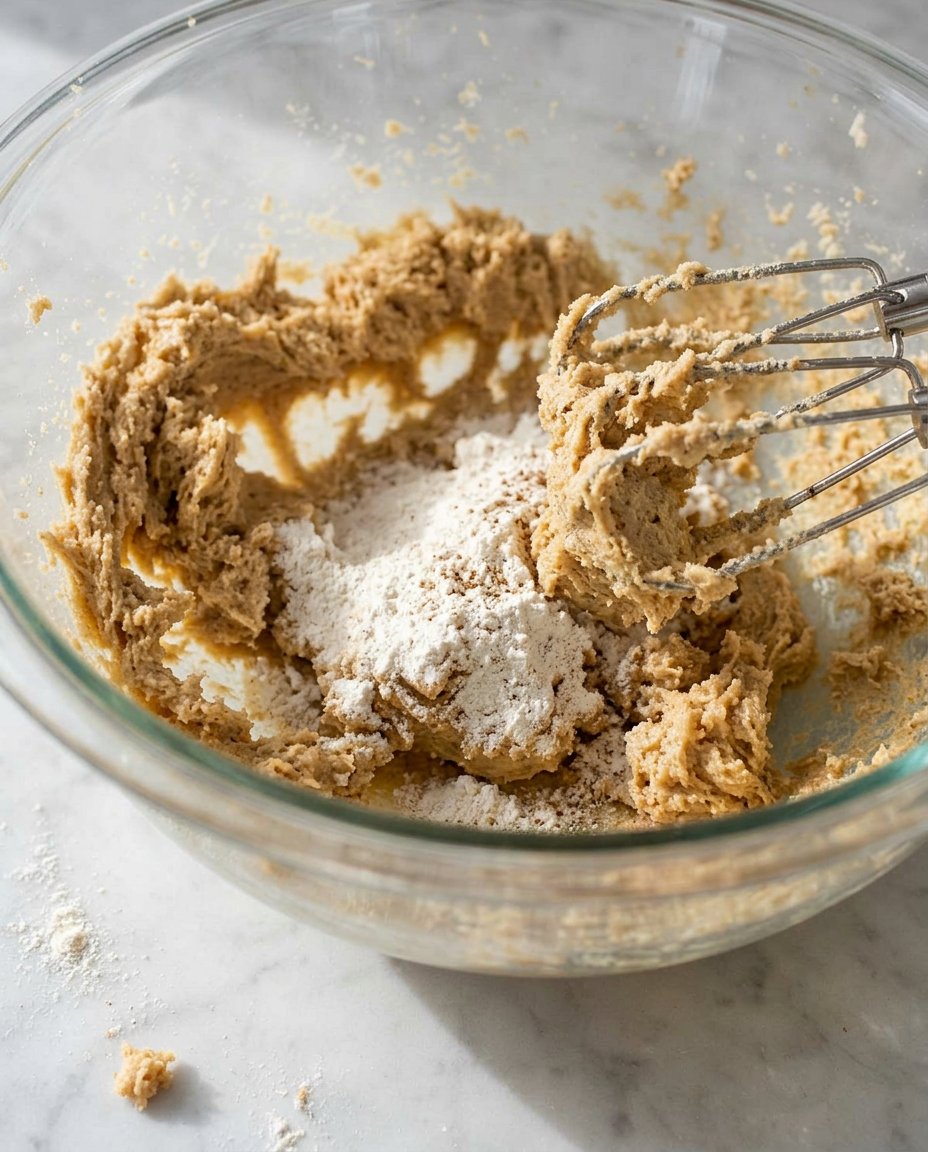
To achieve the perfect structure, every ingredient must be measured with precision. We recommend using a digital scale for the flour to hit exactly 125 grams per cup. This prevents the cookies from becoming dry or cakey due to over-packing.
- Unsalted Butter: Use room temperature butter (65°F / 18°C) to allow for proper aeration during the creaming stage. This creates the structural foundation for the cookie.
- Cream of Tartar: This is non-negotiable for the snickerdoodle profile. It provides the acidity needed to create the chewy texture and the specific flavor profile.
- Granulated Sugar: We use a high ratio of sugar to provide the crisp edges and the necessary sweetness to balance the pungent spices.
- Large Eggs: These provide the lecithin and moisture needed to bind the fats and dry ingredients into a cohesive dough.
- Chai Spice Blend: Our tested ratio includes cardamom, cinnamon, ginger, cloves, and black pepper. The piperine in the black pepper acts as a flavor bridge, making the other spices taste more vibrant.
The Scientific Process
Step 1: Dry Ingredient Integration
Preheat your oven to 375°F (190°C) to guarantee a quick set and proper spread. In a medium bowl, whisk together the flour, baking soda, salt, and cream of tartar. Whisking for at least 30 seconds helps distribute the leavening agents evenly, which prevents uneven rising or ‘pockets’ of soda taste.
Step 2: The Creaming Phase
Combine the room temperature butter and 1.5 cups of granulated sugar in a large bowl. Using an electric mixer, cream them together for exactly 3 minutes on medium-high speed. You are looking for a ‘buttercream’ texture where the sugar has partially dissolved into the fat, creating millions of tiny air pockets that will expand in the oven.
Step 3: Emulsifying the Fats
Add the eggs one at a time, mixing until the yellow streaks disappear before adding the next. This allows the water in the eggs to emulsify with the butter fat. Stir in the tablespoon of vanilla extract last. Do not over-whip at this stage, as too much air can cause the cookies to puff and then collapse.
Step 4: Final Dough Formation
Turn your mixer to the lowest setting and add the dry ingredients in three stages. Scrape the sides of the bowl to make sure every gram of flour is incorporated. Stop the mixer as soon as the last white streaks of flour vanish to prevent gluten development, which would make the cookies tough.
Step 5: The Spice Coating
In a small bowl, whisk together the coating sugar and the chai spices. This step is critical; verify the mixture is uniform so every cookie has an equal distribution of heat and sweetness. Scoop 1.5 tablespoon portions (about 30g) and roll them into smooth spheres before tossing them in the spice sugar.
Step 6: Controlled Baking
Place the balls on a parchment-lined baking sheet, spaced 2 inches apart. Bake for exactly 10 minutes. The cookies should look slightly underdone and puffy in the center; they will finish setting on the hot pan. This carry-over cooking is the secret to a soft, professional-grade crumb.
Lauren’s Lab Notes
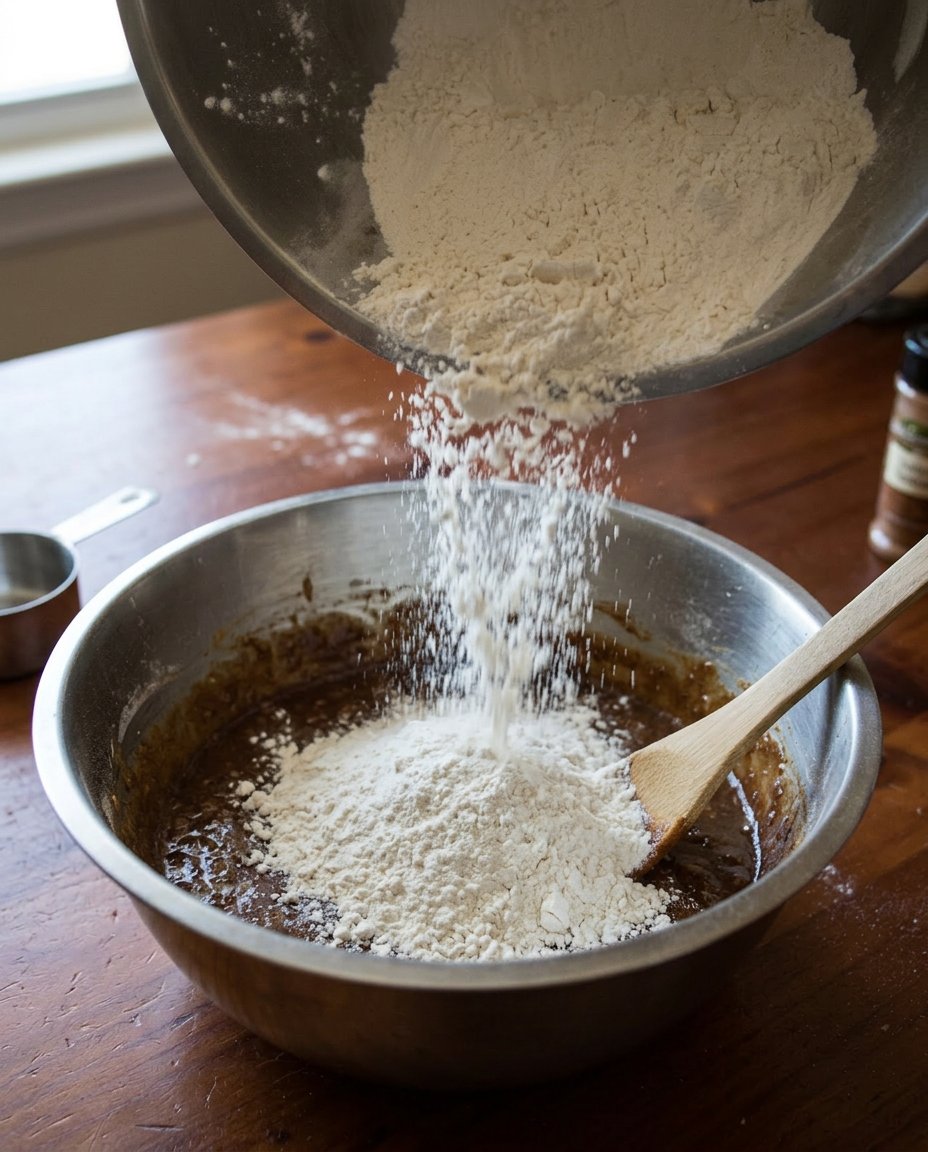
Temperature control is the most frequent point of failure in cookie baking. If your kitchen is warmer than 72°F (22°C), your butter may be too soft, leading to excessive spreading. In this case, chill the dough for 15 minutes before rolling to stabilize the fats.
Another tip for a uniform look is to use a cookie scoop. This guarantees each ball of dough is the same mass, which means they will all reach the target internal temperature at the same time. For more professional techniques, see our Artisan Cookie Collection. If your cookies are coming out flat, check the age of your cream of tartar; it loses its acidic potency over time and can fail to react with the soda.
Tested Flavor Tweaks
For a deeper, more robust flavor, we tested adding 1/2 teaspoon of espresso powder to the spice coating. The bitterness of the coffee beans highlights the earthy notes of the cardamom without changing the moisture content of the dough. You can find more creative ideas in our Trending Cookie Creations.
If you prefer a ‘Dirty Chai’ profile, replace the vanilla extract with a tablespoon of very strong coffee concentrate. Because this adds liquid, we recommend increasing the flour by 1 tablespoon to maintain the structural balance. For a botanical twist, you can also add a pinch of finely ground Earl Grey tea leaves to the sugar coating, which adds a bergamot citrus note that pairs beautifully with the ginger.
Pairing and Serving Science
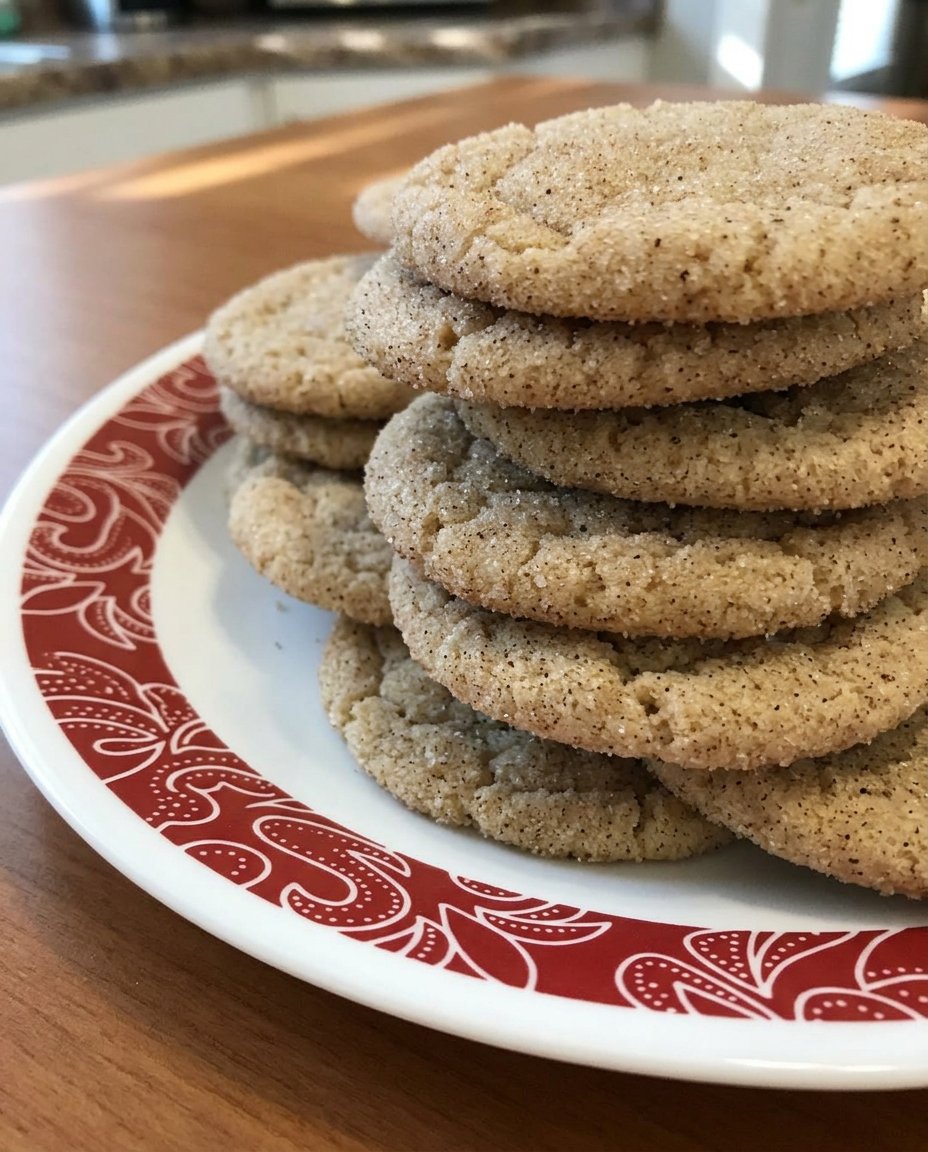
These cookies are best served at room temperature to allow the volatile oils in the cardamom and cloves to reach their full aromatic potential. If served too hot, the sugar can overwhelm the subtle spice notes. We recommend pairing these with a traditional milky tea or a latte to balance the black pepper heat. For more pairing inspiration, look through our Effortless Cookie Elegance guide.
To maintain the texture, store the cookies in an airtight container with a small piece of bread. The bread will act as a sacrificial moisture source, losing its water to the cookies and keeping them soft for up to five days. Avoid refrigerating the cookies, as the cold environment can lead to starch retrogradation, making the crumb taste stale.
The Scientific Truth
Mastering the Chai Snickerdoodle is a lesson in how minor ingredients like cream of tartar and black pepper can fundamentally change a classic profile. By following the precise creaming times and temperature cues, you can produce a cookie that is structurally perfect and flavor-forward. For more seasonal inspiration and holiday baking science, visit our Seasonal Cookie Design section. You can also see this technique in action on Chai Snickerdoodles.
Share your results with us on Facebook, Instagram, or Pinterest. We love to see how your precision baking turns out!