In our test kitchen, we spent weeks testing the exact fat-to-flour ratio required for a stable yet tender crumb in these Shortbread Cookies 3. We discovered that by introducing cornstarch to the formula, we could effectively interfere with gluten development, resulting in a texture that practically melts upon contact. This structural balance is the result of careful precision and a deep understanding of how lipids interact with wheat proteins.

Baking these Shortbread Cookies 3 in a round cake pan provides the necessary physical boundaries to prevent the dough from spreading outward during the baking process. This method maintains a consistent thickness throughout the wedge, guaranteeing that every bite offers the same buttery density. Because this dough relies on a high concentration of butter, the pan walls act as a structural support system while the heat sets the starches.
The Chemistry of Shortbread Cookies 3
You will appreciate this recipe because it prioritizes structural integrity without sacrificing the delicate snap characteristic of high-quality shortbread. By bypassing the traditional chilling step, we rely on the mechanical aeration of the butter and sugar to create a fine-crumbed interior. The inclusion of cornstarch acts as a tenderizing agent, essentially lowering the overall protein content of your all-purpose flour to mimic the properties of pastry flour. This careful manipulation of ingredients results in a professional-grade cookie that stays sharp in shape and rich in flavor.
Print
Shortbread Cookies 3
- Total Time: 45 mins
- Yield: 16 wedges
- Diet: Vegetarian
Description
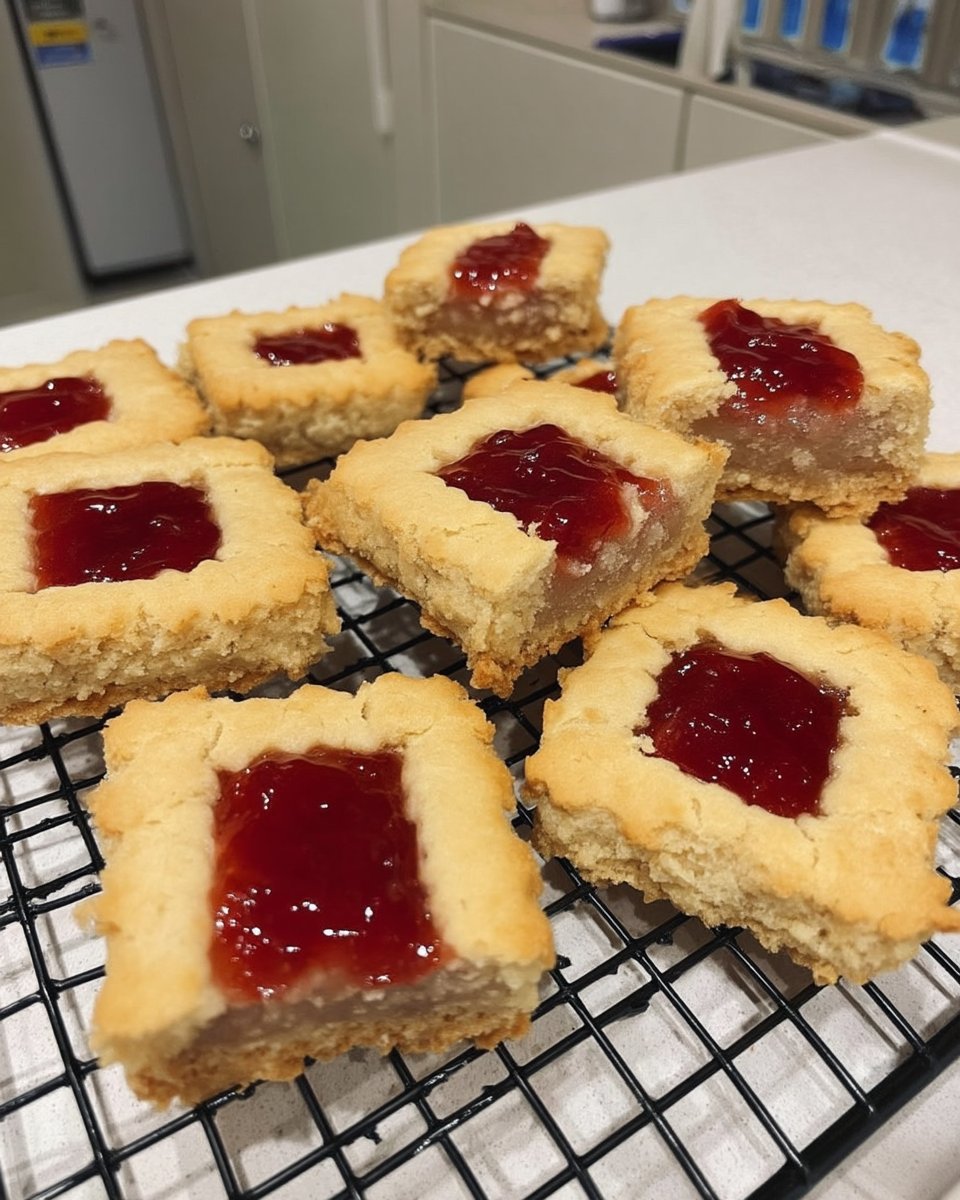
These expertly crafted shortbread wedges feature a scientific ratio of butter and cornstarch to ensure a stable yet tender crumb. By baking in round pans and slicing while warm, you achieve a professional finish with a rich, buttery flavor that melts on the tongue.
Ingredients
- 226g Unsalted Butter, room temperature (65-68°F)
- 135g Granulated Sugar
- 250g All-Purpose Flour
- 28g Cornstarch
- Pure Vanilla Extract
- 1/2 teaspoon Salt
Instructions
- Preheat oven to 325°F (163°C) and line two 8-inch cake pans with parchment paper.
- Beat softened butter and granulated sugar on medium-high for 3 minutes using a stand mixer until pale and smooth.
- Add vanilla extract and salt, beating for an additional 60 seconds to ensure even flavor distribution.
- Sift flour and cornstarch together, then add to the mixer on low speed, increasing to medium until the dough begins to clump.
- Divide dough between pans, press flat with a measuring cup, and dock the surface with a fork.
- Bake for 28-30 minutes until light golden; cool for 10 minutes before slicing into wedges while still warm.
Notes
To ensure a perfect snap, do not skip the docking step, as this allows steam to escape and prevents the cookies from bubbling. If you prefer a richer flavor, let the baked wedges rest for 24 hours to allow the butter and vanilla notes to fully mature.
- Prep Time: 15 mins
- Cook Time: 30 mins
- Category: Dessert
- Method: Baking
- Cuisine: Scottish-style
The Scientific Formula
To achieve the perfect Shortbread Cookies 3, we must look at the specific function of each component in the laboratory environment of your kitchen.
- Unsalted Butter (226g): We use unsalted butter to maintain total control over the sodium levels. At 82% fat, the butter provides the primary structure and flavor; it must be precisely at room temperature (65-68°F) to cream effectively with the sugar.
- Granulated Sugar (135g): Sugar does more than sweeten; it provides aeration when beaten with butter. The sharp edges of the crystals carve tiny air pockets into the fat, which later expand in the oven.
- All-Purpose Flour (250g): This provides the protein (gluten) necessary to hold the cookie together. Spooning and leveling your flour is critical to avoid a dry, crumbly mess.
- Cornstarch (28g): Also known as cornflour in some regions, this ingredient is the secret to the “short” texture. It softens the flour’s proteins, preventing the cookies from becoming tough or bread-like.
- Pure Vanilla Extract: High-quality extract contains alcohol which evaporates during baking, leaving behind deep aromatic compounds that bond with the fats in the butter.
- Salt: Exactly 1/2 teaspoon is required to sharpen the buttery notes and balance the sweetness of the granulated sugar.
The Methodical Process
Step 1: Pan Preparation and Oven Calibration
Preheat your oven to 325°F (163°C). This lower temperature is intentional; it allows the cookies to bake through without excessive browning, preserving the classic pale appearance of shortbread. Line two 8-inch cake pans with parchment paper. I recommend cutting a square of parchment and making 1-inch slits in the center of each side to help the paper conform to the round shape of the pan without creating large folds that would mar the cookie edges.
Step 2: Mechanical Aeration
Using a stand mixer fitted with the paddle attachment, beat the softened butter and granulated sugar on medium-high speed. You should continue this process for exactly 3 minutes until the mixture is pale and smooth. This step is vital for incorporating the air needed for a light crumb. Scrape the bowl frequently to make sure no pockets of unmixed fat remain at the bottom.
Step 3: Flavor Integration
Add the vanilla extract and salt to the creamed mixture. Beat on medium speed for another 60 seconds. This time allows the salt to begin dissolving into the moisture within the butter, making sure the flavor is distributed evenly throughout the entire batch of dough.
Step 4: Dry Ingredient Incorporation
Sift the all-purpose flour and cornstarch together, then add them to the mixer. Start on low speed for 1 minute to prevent a flour cloud. Then, increase to medium speed and continue mixing for 1 to 3 minutes. The dough will look crumbly at first, but keep mixing until it begins to clump together. This signifies that the fat has thoroughly coated the flour particles.
Step 5: Compression and Docking
Divide the dough into two equal portions—weighing them is the most precise method. Press each half firmly into the bottom of the prepared pans. Use the back of a measuring cup to make the surface perfectly flat and compact. Sprinkle with coarse sugar if desired. Use a fork to dock the surface; these small holes allow steam to escape during baking, preventing the dough from puffing up or bubbling.
Step 6: Thermal Setting and Slicing
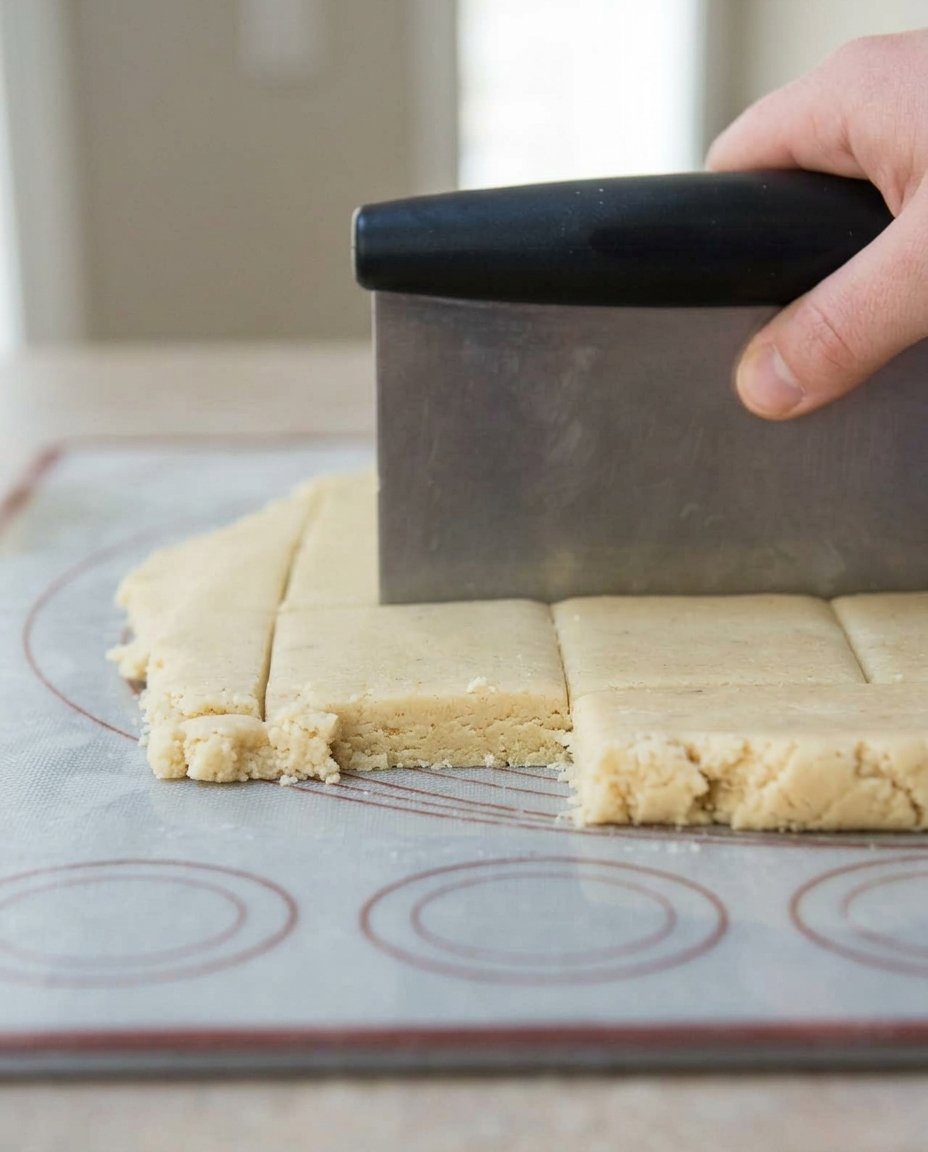
Bake for 28-30 minutes. You are looking for a very light golden hue around the perimeter while the center remains pale. Remove from the oven and cool in the pan for 10 minutes. While the shortbread is still warm, lift it out using the parchment paper and cut it into wedges. Cutting while warm is mandatory; once the sugar and butter cool and set, the shortbread becomes too brittle to slice without cracking.
Lauren’s Lab Notes
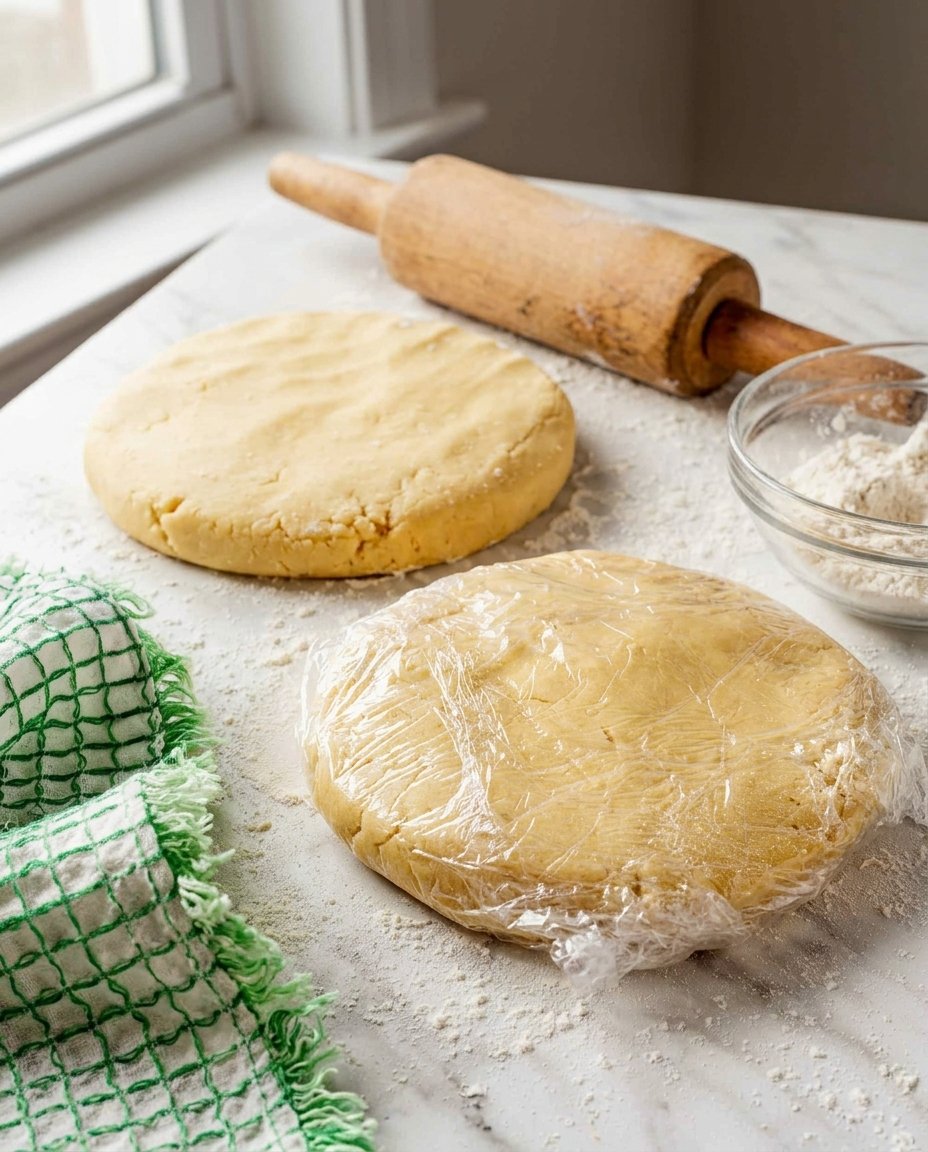
Maintaining the correct temperature of your butter is the most frequent point of failure in this recipe. If your butter is too cold, it will not trap air; if it is too oily or melted, the cookies will feel greasy rather than buttery. For those looking to master different dough consistencies, you can see how we handle various fat ratios in our Artisan Cookie Collection. If you find your dough is sticking to your hands while pressing it into the pan, lightly flour your fingertips or use a piece of plastic wrap as a barrier. For a deeper understanding of shortbread physics, refer to the techniques used in Sally’s Baking Addiction.
Tested Flavor Variations
You can modify the flavor profile of these wedges without compromising the structural integrity. If you wish to add citrus notes, add 1 tablespoon of lemon or orange zest to the butter during the creaming stage. The oils in the zest are fat-soluble and will permeate the dough beautifully. For a floral note, you might look at the ideas in our Seasonal Cookie Design section. If you want to add nuts, finely chop 1/2 cup of pecans or walnuts and fold them in during the final stage of mixing. Note that adding solids may require an extra 2 minutes of bake time to account for the increased density.
Texture and Pairing Science
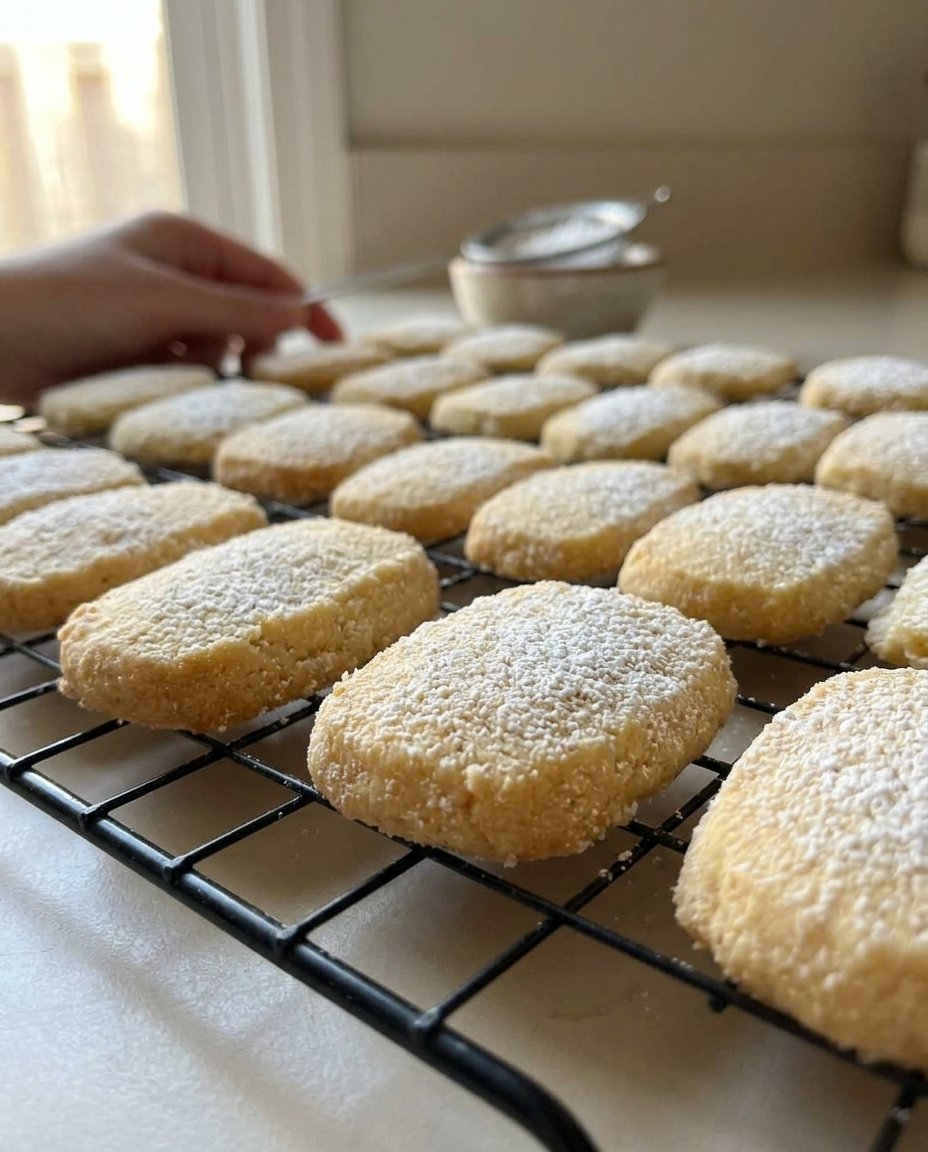
Shortbread is unique because its flavor actually improves after 24 hours. As the cookies sit, the moisture levels stabilize and the vanilla notes deepen. I recommend serving these wedges alongside a hot tea or coffee; the heat from the beverage helps melt the high butter content on the tongue, amplifying the flavor. If you are preparing these for a gift, check out the presentation ideas in our Trending Cookie Creations guide. For an extra touch of decadence, dip half of each cooled wedge into tempered dark chocolate.
The Scientific Truth
Mastering the shortbread wedge is a victory for any home baker who values precision. By understanding the interaction between fats and starches, you can create a treat that is both simple and sophisticated. For more foolproof recipes that focus on structural success, browse through our Effortless Cookie Elegance archives. We would love to see your results, so please share your bakes with us on Pinterest, Instagram, or Facebook. Keep testing and keep baking.