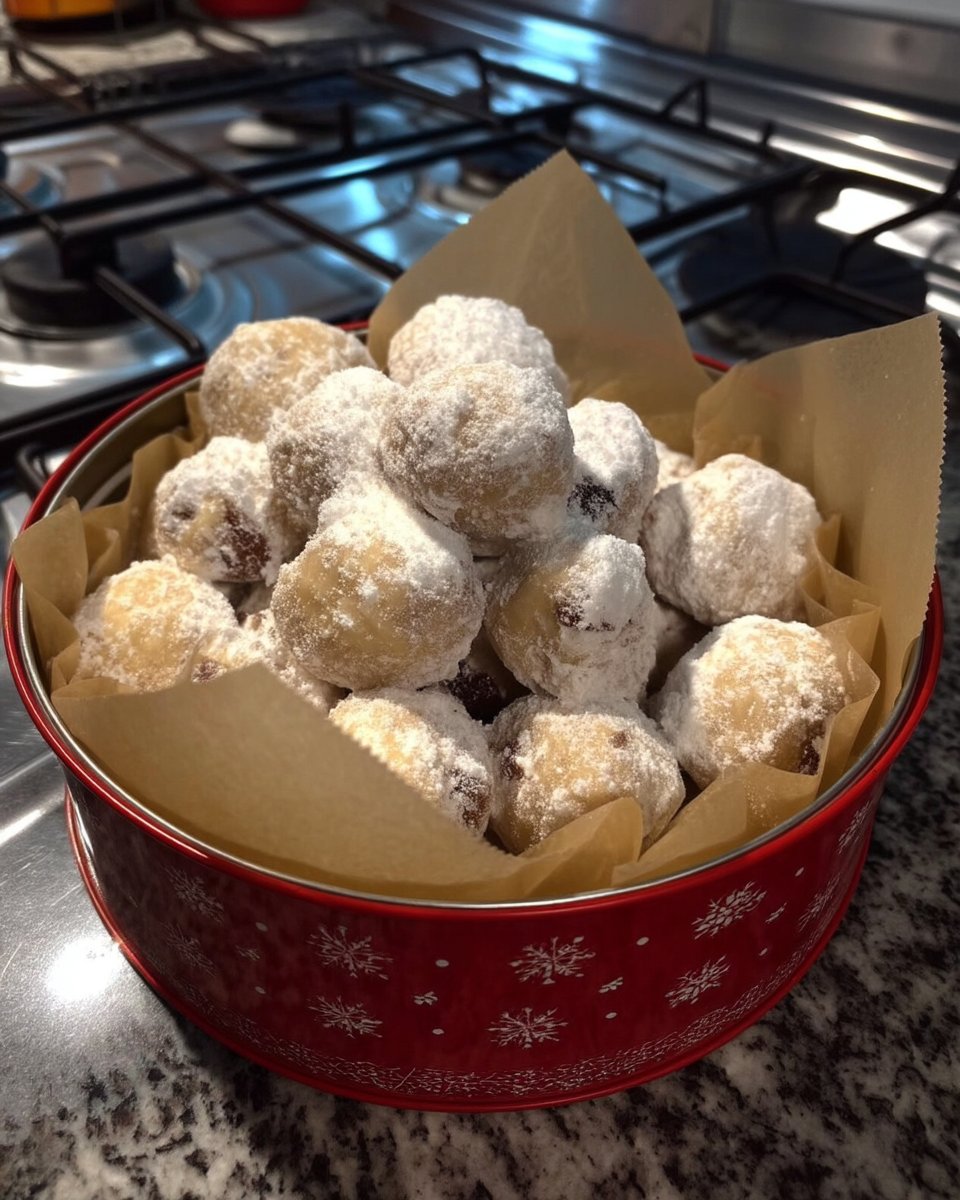
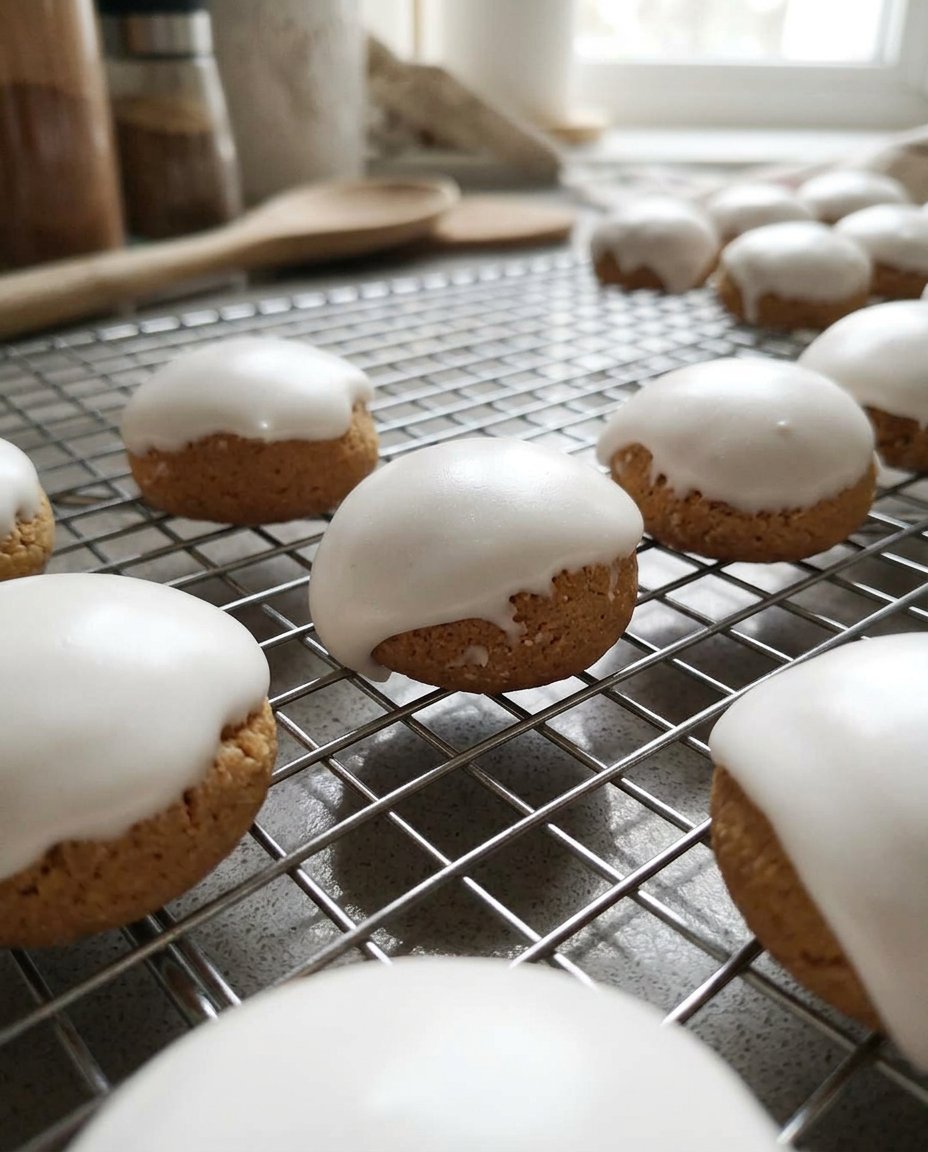
In our test kitchen, we spent weeks determining the exact point where floral notes become overwhelming, discovering that precision is the only way to balance botanical oils with high-fat dough. We found that 2 teaspoons of dried lavender, when milled to a fine powder, provides a sophisticated aromatic profile without the soapy aftertaste often found in less rigorous recipes. This structural approach makes certain that every bite maintain its crumb integrity while delivering a consistent flavor experience.

These Lavender Shortbread Cookies rely on a specific ratio of 3/4 pound of butter to 17.5 ounces of flour to achieve a short, tender texture that resists spreading. By focusing on the temperature of the lipids and the exact weight of the dry ingredients, we create a cookie that is both structurally sound and delicately flavored. This scientific method transforms a simple four-ingredient base into a professional-grade botanical treat.
The Chemistry of Crisp Shortbread
You will appreciate this recipe because it prioritizes the physics of shortbread over guesswork. Unlike standard cookies that rely on eggs for moisture and leavening, this formula uses high-quality butter as the primary structural component. This means the gluten development is kept to an absolute minimum, resulting in a melt-in-your-mouth texture that is scientifically superior. The addition of lavender is not just for scent; the oils in the dried flowers interact with the fats in the butter, creating a long-lasting flavor profile that develops as the cookies cool. By weighing your flour to exactly 17.5 ounces (496 grams), you eliminate the variability of volume measurements, making certain that your dough density is perfect every time. This precision prevents the common failure of cookies that are either too crumbly to handle or too dense to enjoy. The victory of this recipe lies in its simplicity and the fascinating way that five basic ingredients can create a complex, professional result when handled with technical care.
Print
Lavender Shortbread Cookies
- Total Time: 1 hour 40 mins
- Yield: 24 cookies
- Diet: Vegetarian
Description
These buttery, scientific shortbread cookies offer a sophisticated balance of rich fats and floral lavender notes. With a focus on structural precision, they deliver a tender, melt-in-your-mouth texture that is perfect for any refined gathering.
Ingredients
- 3/4 pound (340g) salted butter, room temperature (65°F to 68°F)
- 1 cup (200g) granulated sugar
- 2 teaspoons culinary-grade dried lavender
- 1 teaspoon vanilla extract
- 17.5 ounces (496g) all-purpose flour
Instructions
- Mill the dried lavender using a mortar and pestle until it reaches a fine powder consistency to ensure even flavor distribution.
- Using a stand mixer fitted with a paddle attachment, combine the butter, sugar, and lavender powder on medium-low speed until just combined.
- Add the vanilla extract and mix for 30 seconds to emulsify the aromatics into the fat.
- Turn the mixer to the lowest setting, add the weighed flour all at once, and mix only until a cohesive dough ball forms and pulls away from the sides.
- Roll the dough on a silicone mat or floured surface to a 1/2-inch (1.27 cm) thickness and cut into 2-inch shapes.
- Place the cookies on a baking sheet and refrigerate for exactly 1 hour to stabilize the fats and prevent spreading.
- Bake at 350°F (177°C) for 20 to 25 minutes until the edges are lightly golden, then cool completely on the tray to let the structure set.
Notes
To ensure perfectly sharp edges, roll your dough between two sheets of parchment paper before chilling; this prevents the need for extra flour and maintains the precise fat-to-protein ratio. For the best aromatic results, always use culinary-grade lavender to avoid the bitterness found in ornamental varieties.
- Prep Time: 1 hour 15 mins
- Cook Time: 25 mins
- Category: Dessert
- Method: Baking
- Cuisine: European
The Shortbread Formula
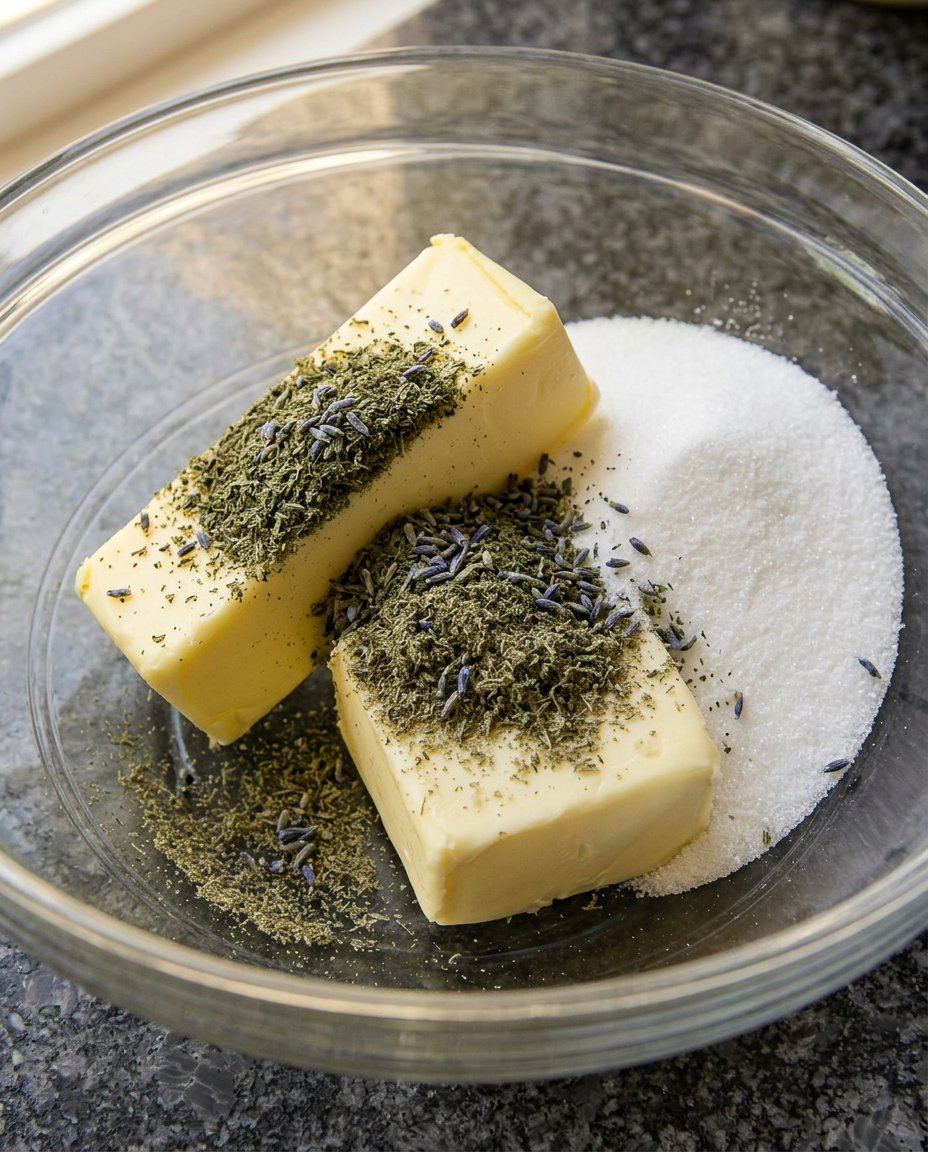
Success in the test kitchen starts with understanding how your ingredients interact at a molecular level. Each component in this recipe serves a specific structural purpose.
- Salted Butter (3/4 pound/340g): This provides the fat needed to coat the flour proteins, preventing excess gluten formation. Use room temperature butter (65°F to 68°F) to make certain it incorporates with the sugar without melting.
- Granulated Sugar (1 cup/200g): Sugar does more than sweeten; it interferes with gluten development and helps create the crisp edges we want. The ratio here is designed to provide structure without making the cookies overly hard.
- Dried Lavender (2 teaspoons): We use culinary-grade lavender for its clean aromatic profile. Milling it into a powder increases the surface area, allowing the flavor to permeate the fat more effectively.
- Vanilla Extract (1 teaspoon): This acts as a background note that rounds out the floral sharpness of the lavender.
- All-Purpose Flour (17.5 ounces/496g): This is the backbone of our cookie. We weigh this carefully to keep the protein-to-fat ratio in perfect balance. Using too much flour will result in a dry, sandy texture, while too little will cause the cookies to lose their shape in the oven.
The Scientific Process
Step 1: Mill the Botanicals
Grind the dried lavender using a mortar and pestle until it reaches a near-powder consistency. This step is vital because large lavender buds can create unpleasant ‘hot spots’ of flavor and disrupt the smooth texture of the shortbread crumb. If you lack a mortar, a clean spice grinder or a very sharp knife can be used to achieve the same fine particulate size.
Step 2: Cream the Fat and Flavor
In a stand mixer fitted with the paddle attachment, combine the room-temperature butter, granulated sugar, and your lavender powder. Mix on medium-low speed. We are not looking for the fluffy, aerated texture used in cakes; we simply want the ingredients combined and spread evenly. Over-creaming introduces too much air, which can cause the cookies to rise and then collapse, ruining the flat, professional aesthetic.
Step 3: Emulsify the Aromatics
Add the vanilla extract to the butter mixture. Mix for exactly 30 seconds or until the liquid is fully incorporated into the fat. This brief step helps the vanilla and lavender oils begin their integration, making certain the flavor is uniform throughout the entire batch.
Step 4: Form the Dough Matrix
Turn the mixer to the lowest setting and add the weighed flour all at once. Continue mixing only until a cohesive dough ball forms and pulls away from the sides of the bowl. Stop immediately at this point. Further mixing will activate the wheat proteins, leading to a tough, bready cookie rather than a tender shortbread.
Step 5: Precision Rolling
Transfer the dough to a silicone baking mat or a lightly floured surface. Roll the dough to a consistent 1/2-inch (1.27 cm) thickness. Consistency in height is the key to even heat distribution during the bake. Cut the dough into your preferred shapes, such as 2-inch squares or rectangles, which provide the best surface area for even browning.
Step 6: Thermal Stabilization
Place the cut cookies on a baking sheet and refrigerate for exactly 1 hour. This is a non-negotiable step in cookie chemistry. Chilling solidifies the butter fats and allows the flour to fully hydrate. This prevents the cookies from spreading too quickly when they hit the heat of the oven, preserving your sharp edges.
Step 7: The Final Bake
Preheat your oven to 350°F (177°C). Bake the chilled cookies for 20 to 25 minutes. Watch for the edges to turn a very light golden brown while the centers remain pale. The internal temperature should reach approximately 205°F. Allow them to cool completely on the tray to let the structure set before moving them.
Lauren’s Lab Notes
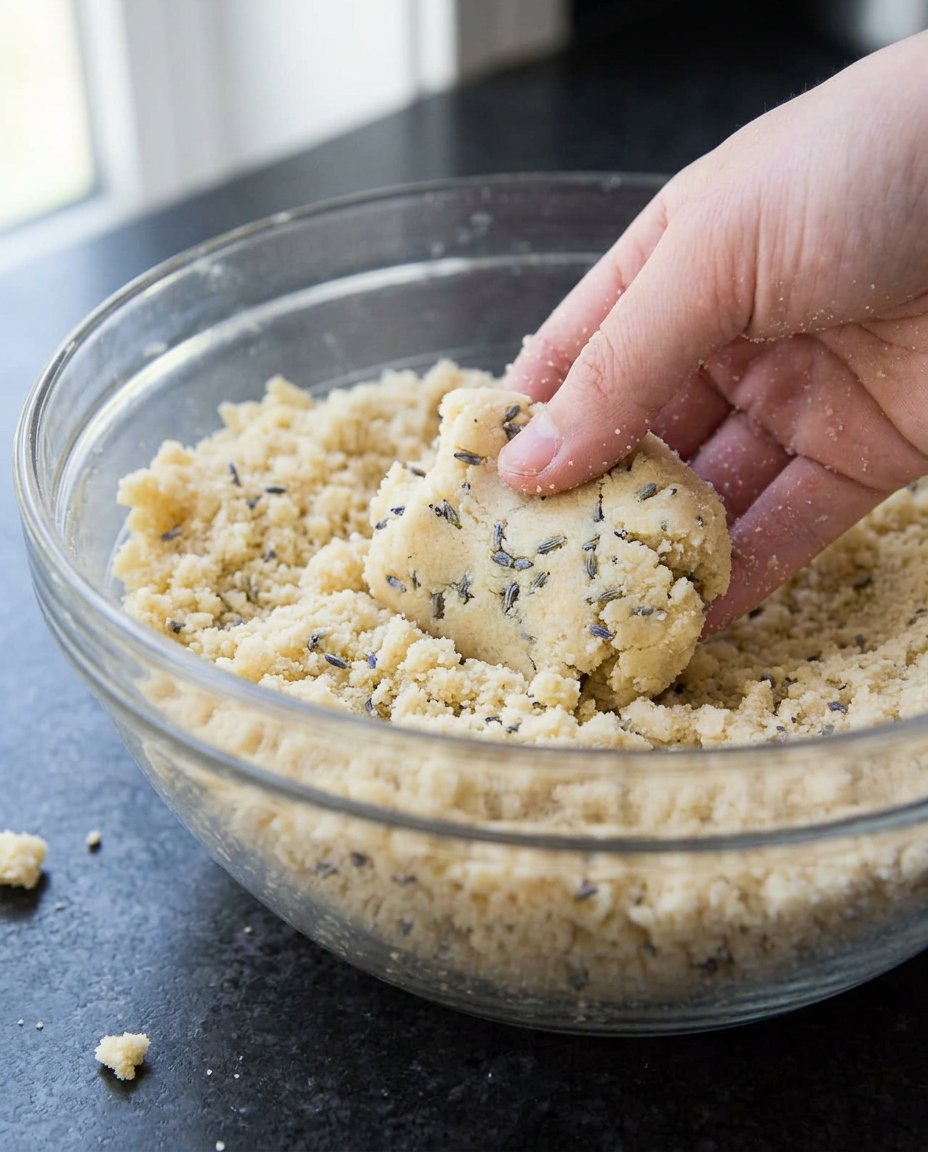
To achieve the perfect shortbread, the temperature of your butter is the most important variable. If the butter is too warm, the dough will become greasy and difficult to handle; if it is too cold, it will not incorporate with the sugar correctly. Aim for a tactile consistency where the butter yields to light pressure but still holds its shape. If you find your dough is too soft after mixing, return it to the refrigerator for 15 minutes before rolling. For more technical guidance on maintaining cookie integrity, see our Artisan Cookie Collection. Another tip is to use a heavy-gauge aluminum baking sheet, which conducts heat more evenly than thin or dark-coated pans, preventing the bottoms from scorching before the middle is cooked.
Tested Variations
If you wish to modify the flavor profile while maintaining structural success, you can replace the lavender with 2 tablespoons of finely grated lemon zest. Since citrus zest adds a small amount of moisture, we recommend adding an extra teaspoon of flour to compensate. For a more robust herbal note, a 50/50 blend of lavender and dried culinary rosemary works beautifully. When experimenting with these botanical additions, keep the total volume of dried herbs under 1 tablespoon to avoid a medicinal taste. Those looking for seasonal inspirations should check our Seasonal Cookie Design for more ways to adapt this base recipe. You can also substitute half of the granulated sugar with powdered sugar if you prefer an even more delicate, ‘meltaway’ texture, though this will make the dough slightly more fragile to roll.
Flavor Science and Pairing
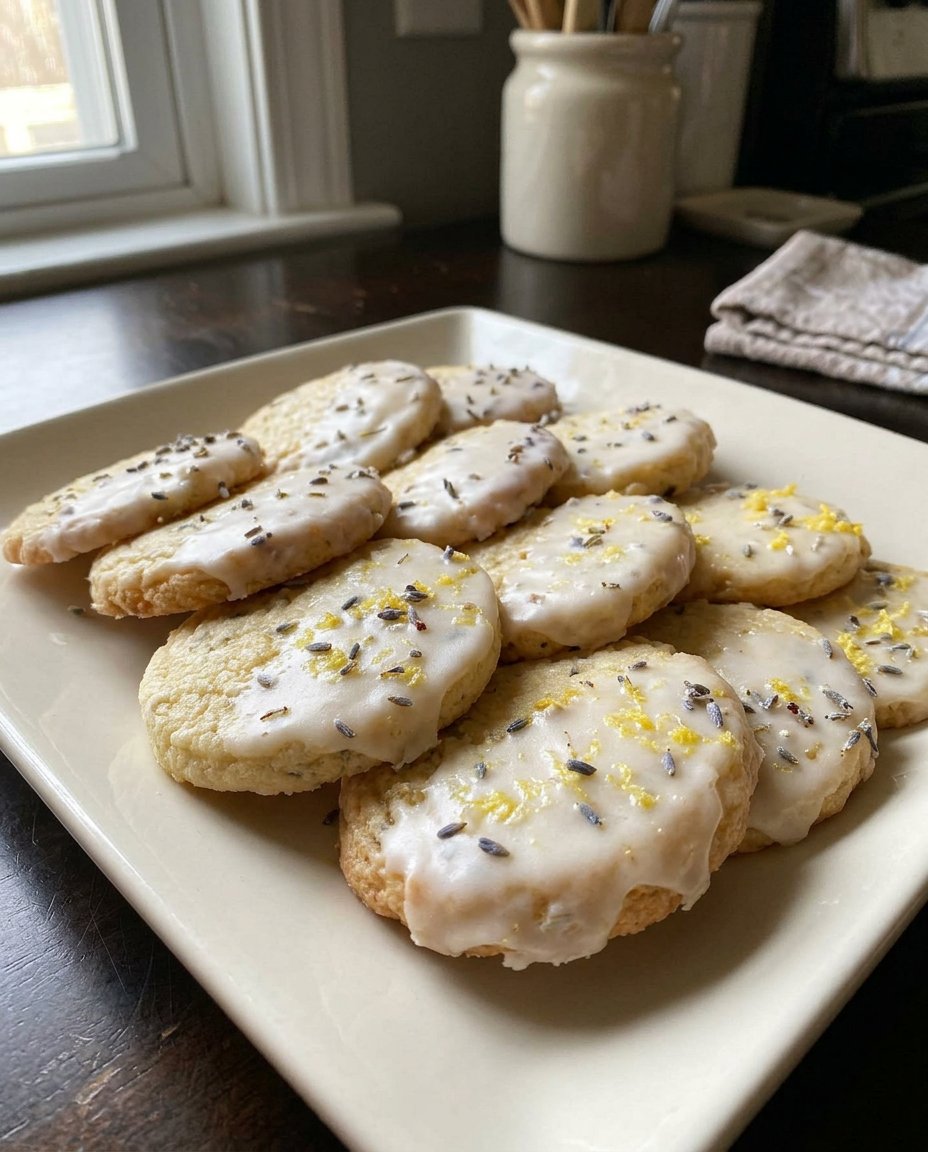
The flavor of lavender is best appreciated when the cookie is served at room temperature, which allows the butter to soften slightly on the tongue and release the floral aromatics. Pairing these cookies with a high-tannin tea, such as an Earl Grey or a strong Darjeeling, creates a beautiful chemical balance where the astringency of the tea cuts through the richness of the shortbread. For an elegant presentation, you can lightly dust the tops with a mixture of granulated sugar and a pinch of lavender powder. For more ideas on how to present your bakes professionally, visit our guide on Effortless Cookie Elegance. These also pair remarkably well with a dry sparkling wine, as the carbonation cleanses the palate between bites of the buttery dough.
The Scientific Truth
Mastering these Lavender Shortbread Cookies is a breakthrough for any baker looking to combine botanical flavors with precise pastry techniques. By respecting the ratios of fat to flour and the importance of thermal control, you produce a cookie that is a triumph of both flavor and structure. We encourage you to keep testing these variables in your own kitchen to see how small changes in temperature or milling affect your final results. For more innovative recipes that push the boundaries of cookie chemistry, look at our Trending Cookie Creations. You can also find more inspiration at Fifteen Spatulas. Share your baking victories with us on Instagram, Facebook, and Pinterest so we can see your scientific progress.