In the Cookies Sweet test kitchen, we spent weeks investigating why certain cookies lose their tender texture within hours of leaving the oven. Our discovery was clear: maintaining a soft batch profile requires a specific ratio of moisture-retaining ingredients and a controlled fat-to-protein balance. By browning the butter, we reduce the water content while concentrating flavor, a precision move that allows us to add moisture back through targeted dairy additions.

This specific recipe for Soft Batch Cookies 2 relies on the structural support of all-purpose flour and the acidity of sour cream to create a tender crumb. We have tested this formula repeatedly to make sure the cookies stay soft for days, rather than becoming brittle as they cool. The chemistry here is fascinating, as the lactic acid in the sour cream weakens the gluten bonds just enough to provide a melt-in-the-mouth feel without the cookie falling apart.
The Chemistry of the Perfect Crumb
You will appreciate the scientific rigor behind this recipe because it solves the common problem of cookies turning hard or dry. Most soft cookies rely on under-baking, which can lead to a raw flour taste and a lack of structural integrity. Instead, we use brown butter and a high ratio of brown sugar to white sugar to create a hygroscopic environment that naturally pulls moisture from the air.
The addition of sour cream is the secret to this breakthrough. While most bakers stick to eggs and butter, the extra fat and acid from the sour cream act as a tenderizer. This chemical reaction results in a Soft Batch Cookies 2 texture that remains consistent from the first bite to the last, proving that precision in the test kitchen leads to a superior sensory experience at home.
Print
Soft Batch Cookies
- Total Time: 3 hours 1 min
- Yield: 24 cookies
- Diet: Vegetarian
Description
Discover the secret to enduringly tender cookies with this scientifically-backed soft batch recipe. By combining browned butter with the acidity of sour cream, these cookies maintain a perfect melt-in-your-mouth texture for days after baking.
Ingredients
- 198 grams unsalted butter (14 tablespoons)
- 350 grams all-purpose flour
- 213 grams light brown sugar
- 100 grams granulated sugar
- 2 tablespoons sour cream
- 3/4 teaspoon baking soda
- 1/2 teaspoon salt
- 2 teaspoons vanilla extract
- 2 large eggs, room temperature
- 2 cups semi-sweet chocolate chips
Instructions
- Melt the butter in a medium saucepan over medium heat, cooking until the milk solids turn amber and smell nutty, then transfer to a large heat-proof bowl.
- Whisk the flour, salt, and baking soda together in a separate medium bowl to ensure even leavening distribution.
- Add the brown and granulated sugars to the warm butter and whisk for one minute before stirring in the vanilla extract.
- Incorporate the room temperature eggs one at a time, then stir in the sour cream until the mixture is completely smooth.
- Gently fold the dry ingredients into the wet mixture using a rubber spatula until no white streaks remain, then fold in the chocolate chips.
- Refrigerate the dough for 30 minutes, portion into 3-tablespoon balls, and chill the formed balls for another 2 hours.
- Preheat oven to 350°F (177°C) and bake for 11 minutes; allow the cookies to set on the hot baking sheet for 20 minutes before transferring to a wire rack.
Notes
For the most consistent results, always use a kitchen scale to measure your ingredients by weight rather than volume. Ensure your eggs and sour cream are at room temperature to prevent the browned butter from seizing during the mixing process.
- Prep Time: 2 hours 50 mins
- Cook Time: 11 mins
- Category: Dessert
- Method: Baking
- Cuisine: American
The Scientific Formula for Softness
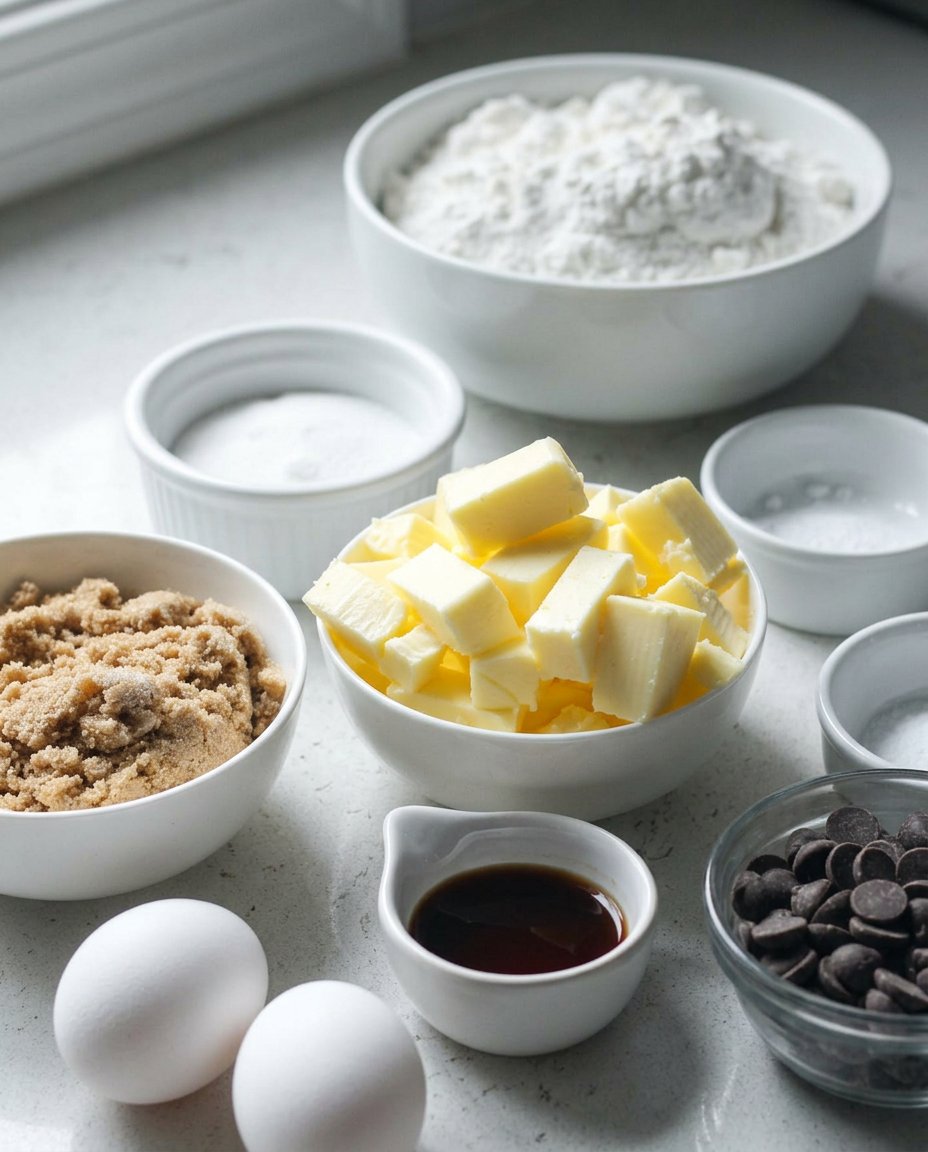
Every ingredient in this formula serves a structural purpose. To achieve the Soft Batch Cookies 2 result, we focus on high-quality fats and moisture-trapping sugars.
- Unsalted Butter (198 grams): We brown the butter to trigger the Maillard reaction, which creates complex toasted notes. Because browning evaporates water, we must be exact with the subsequent moisture additions.
- All-Purpose Flour (350 grams): This provides a moderate protein content (typically 10-12%) which builds enough structure to hold the heavy chocolate additions without making the cookie tough.
- Light Brown Sugar (213 grams): Brown sugar contains molasses, which is more hygroscopic than granulated sugar. This helps the cookies retain moisture over time.
- Sour Cream (2 Tablespoons): This ingredient provides lactic acid. The acid helps to tenderize the gluten in the flour, making the crumb soft and tight rather than chewy and open.
- Baking Soda (3/4 teaspoon): This reacts with the acid in the brown sugar and sour cream to provide lift. Because we want a soft, dense batch, we use just enough to create air pockets without making the cookies cakey.
- Semi-Sweet Chocolate Chips (2 cups): We use semi-sweet to balance the high sugar content needed for moisture retention.
The Lab-Tested Method
Step 1: Brown the Butter and Analyze the Color
Start by melting the 14 tablespoons of unsalted butter in a medium saucepan over medium heat. Watch for the foaming phase, which indicates the water is evaporating. Continue cooking until the milk solids turn a rich amber color and smell nutty. Immediately transfer the butter to a large heat-proof bowl to stop the cooking process and prevent burning the delicate fats.
Step 2: Combine the Dry Structural Components
In a separate medium bowl, whisk the 350 grams of all-purpose flour with the salt and baking soda. This step is critical for even distribution of the leavening agent. If the baking soda is clumped, you will get uneven browning and metallic flavor spots in the final product.
Step 3: Emulsify the Fats and Sugars
Add both sugars to the warm brown butter. Whisk for at least one minute until the mixture looks uniform. The heat from the butter helps partially dissolve the sugar crystals, which improves the final surface texture of the cookie. Add the vanilla extract at this stage to allow the alcohol-based flavor to bond with the fats.
Step 4: Integrate the Protein and Acid
Whisk in the room temperature eggs one at a time. Using room temperature eggs prevents the butter from seizing and guarantees a smooth emulsion. Stir in the sour cream until no white streaks remain. This step integrates the lactic acid that will later tenderize the flour proteins.
Step 5: Incorporate the Flour and Solids
Switch to a sturdy rubber spatula and fold in the flour mixture. Stop the moment you no longer see white streaks. Over-mixing at this stage will develop too much gluten, which would ruin the soft batch profile. Fold in the 2 cups of chocolate chips evenly.
Step 6: The Essential Chilling Phases
Cover the dough and refrigerate for an initial 30 minutes to make the dough manageable. Scoop the dough into 3-tablespoon balls and place them on a parchment-lined sheet. Refrigerate these balls for an additional 2 hours. This long chill allows the flour to fully hydrate and the fats to solidify, preventing the cookies from spreading too thin during the bake.
Step 7: Precision Baking and Cooling
Preheat your oven to 350°F (177°C). Bake the chilled dough balls for exactly 11 minutes. The centers should still look slightly soft—they will finish setting on the hot pan. Cool on the baking sheet for 20 minutes before moving to a wire rack to allow the internal structure to stabilize.
Lauren’s Lab Notes for Structural Success
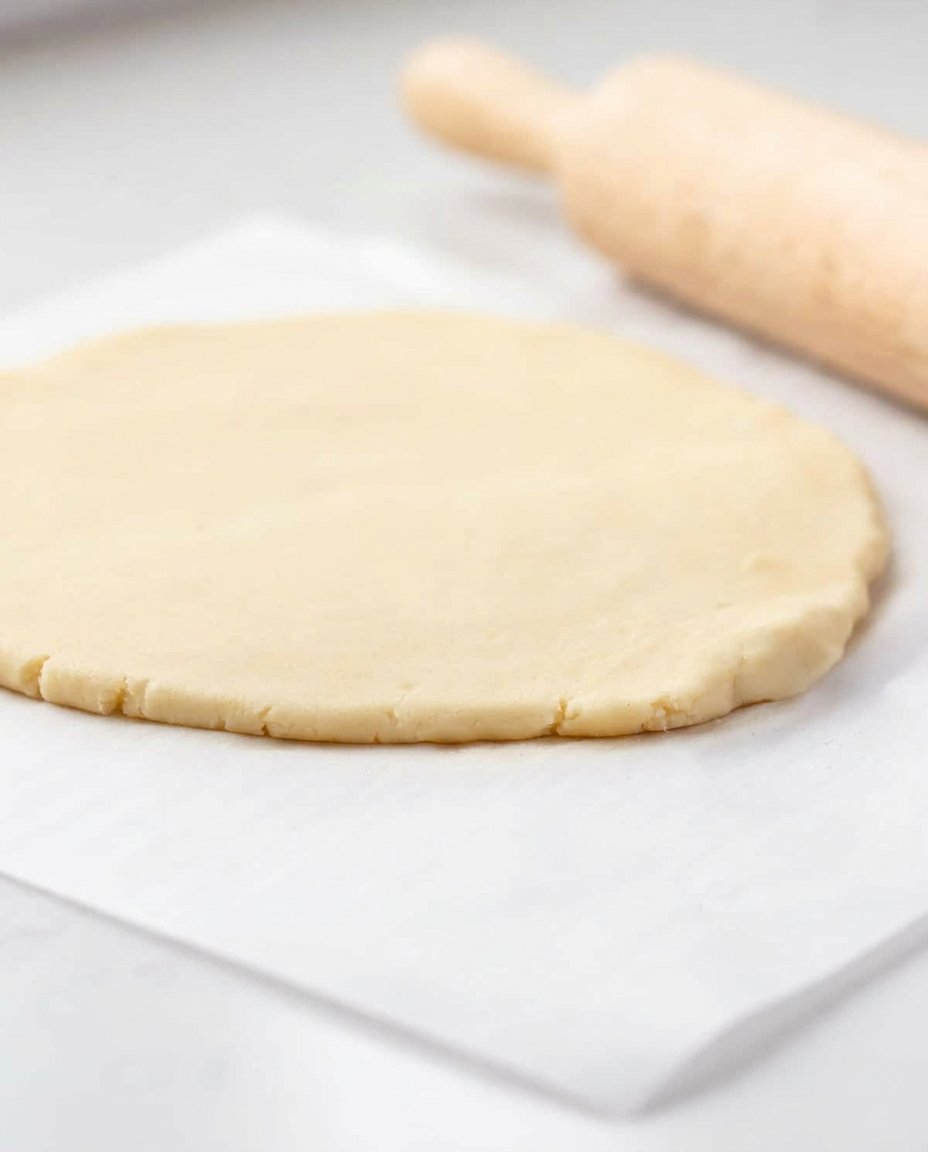
Precision with temperature is the most important factor for these Soft Batch Cookies 2. If your eggs or sour cream are cold, the browned butter will solidify into clumps, resulting in a greasy texture. We recommend letting these ingredients sit on the counter for at least 60 minutes before you begin. If you are looking for more technical guidance on dough hydration, check out our Artisan Cookie Collection for deep dives into ingredient interactions. For a different perspective on the soft batch method, you can also see how other kitchens handle Soft Batch Chocolate Chip Cookies to compare the crumb structure results.
Tested Flavor Tweaks and Structural Adjustments
If you want to modify this formula, you must account for the change in fat and moisture. For example, replacing the sour cream with full-fat Greek yogurt works well because the acidity levels are similar, though the yogurt has slightly more protein. If you want to use dark chocolate, increase the granulated sugar by 1 tablespoon to maintain the same moisture profile. For those who want to experiment with different visual styles and shapes, our guide on Trending Cookie Creations provides data on how different inclusions affect the spread of the dough.
Flavor Science and Pairing Notes
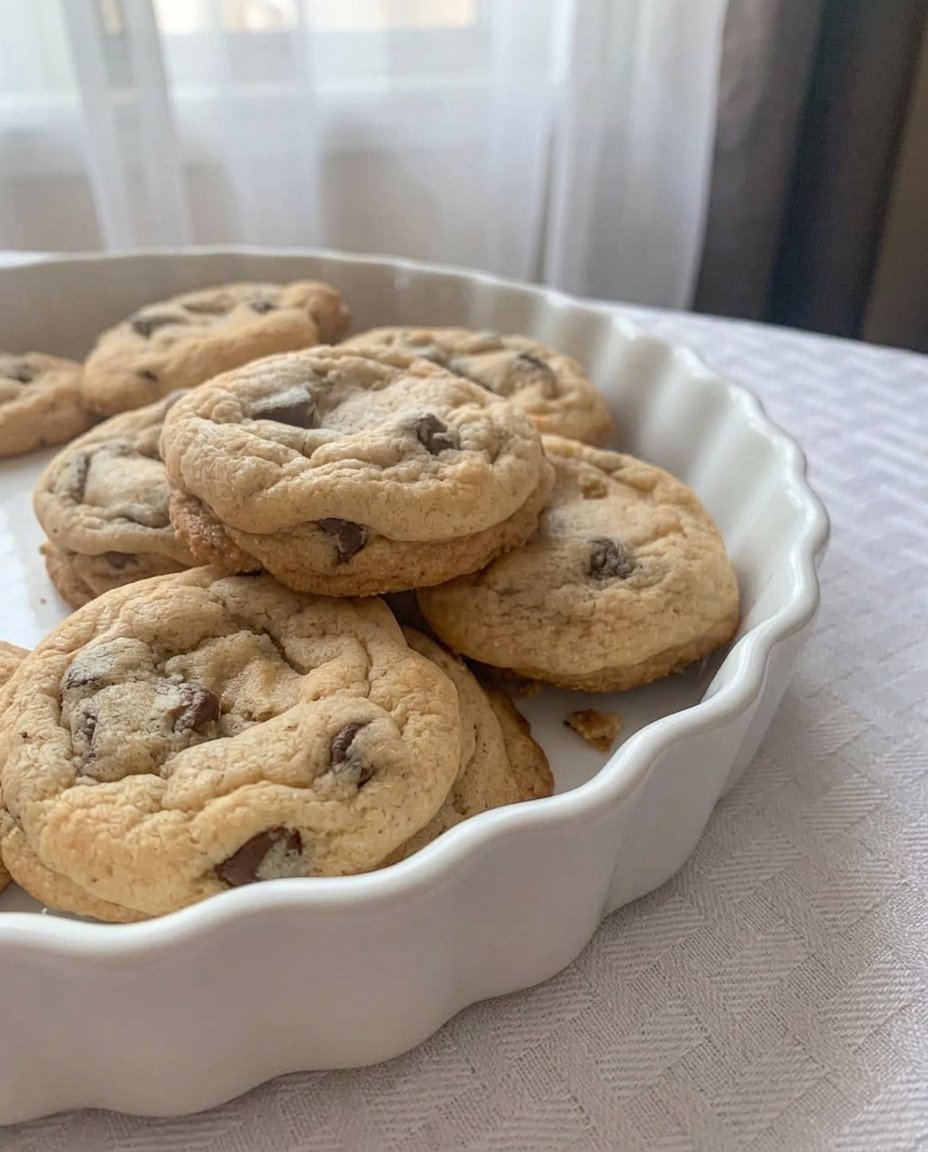
Temperature significantly affects how we perceive the flavors in these Soft Batch Cookies 2. While they are tempting straight from the oven, the toasted notes of the brown butter and the richness of the chocolate are more pronounced at room temperature. We recommend serving them alongside a cold glass of whole milk, as the milk fats cleanse the palate of the heavy sugar, allowing each bite to taste as fresh as the first. For more ideas on presenting your bakes with professional flair, examine our tips for Effortless Cookie Elegance.
The Scientific Truth About Soft Batch Baking
Mastering the Soft Batch Cookies 2 formula is a victory for any home baker who values precision. By understanding how brown butter, sugar ratios, and acidic dairy work together, you can create a cookie that defies the standard laws of staling. We encourage you to keep testing these ratios in your own kitchen to see how different environments affect the final crumb. For more inspiration on seasonal baking science, visit our Seasonal Cookie Design section. If you enjoyed this breakdown, please share your results with us on Instagram, Pinterest, or Facebook.