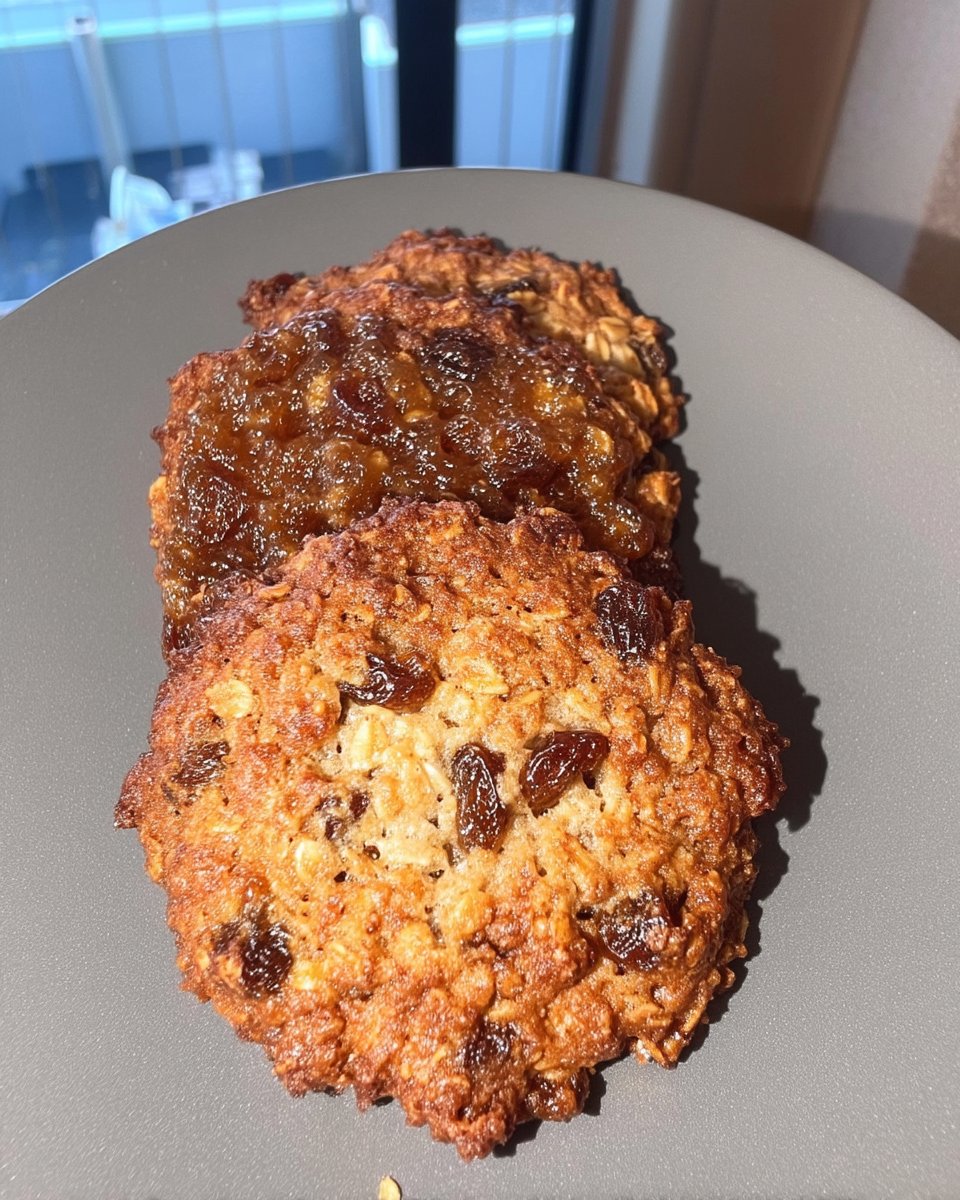
In our test kitchen, we focused on how ground espresso interacts with lipid structures during the browning process. We found that adding the coffee grounds directly to the hot butter allows the volatile oils in the bean to disperse evenly throughout the fat. This Espresso Chocolate Chip 2 recipe is the result of testing several ratios to find the exact point where caffeine bitterness meets caramel sweetness.

This formulation relies on a precise balance of 14 tablespoons of butter and a specific egg-to-yolk ratio. By increasing the fat content and reducing the water found in egg whites, we achieved a texture that remains soft yet structurally sound. This scientific approach creates a cookie that highlights the deep, roasted notes of the espresso without overwhelming the palate.
The Chemistry of Flavor and Texture
You will appreciate the scientific rigor behind this recipe because it solves the common problem of coffee-flavored cookies being either too dry or too bitter. We have carefully calibrated the moisture levels to account for the drying effect of ground espresso. By using browned butter, we introduce the Maillard reaction early in the process, which provides a nutty foundation that supports the chocolate and coffee profiles.
This recipe stands out because it focuses on the internal structure. Many cookies lose their shape when flavored with extra dry ingredients like coffee grounds, but our use of an extra egg yolk provides the necessary lecithin for emulsification. This means your cookies will have a consistent crumb and a reliable spread every time you bake. It is a breakthrough for those who want a professional-grade result from a home kitchen.
The inclusion of both granulated and light brown sugar serves a dual purpose. The granulated sugar provides the necessary crispness on the edges through crystallization, while the molasses in the light brown sugar keeps the center hygroscopic, meaning it holds onto moisture. This creates the perfect textural gradient from the crunchy exterior to the fudgy interior, making this version of the Espresso Chocolate Chip 2 a superior choice for serious bakers.
Print
Espresso Chocolate Chip 2
- Total Time: 4 hours 32 mins
- Yield: 20 cookies
- Diet: Vegetarian
Description
Elevate your dessert game with these scientifically perfected cookies that combine the intensity of espresso with the richness of browned butter. This recipe balances precise sugar ratios and extra egg yolks to achieve a soft, decadent texture and a complex, roasted flavor profile.
Ingredients
- 14 tablespoons unsalted butter
- 1 tablespoon fine ground espresso
- 1/2 cup plus 2 tablespoons light brown sugar
- 1/2 cup granulated sugar
- 1 large egg, room temperature
- 1 large egg yolk, room temperature
- 1 2/3 cups plus 1 tablespoon all-purpose flour
- 1 teaspoon baking soda
- 1/2 teaspoon salt
- 1 teaspoon vanilla extract
- 3/4 cup semi-sweet chocolate chips or chopped chocolate
Instructions
- In a light-colored stainless steel pan, brown the butter over medium heat until amber; remove from heat and immediately stir in the ground espresso to bloom the oils.
- Transfer the butter mixture to a heat-proof bowl and let it cool completely to room temperature, which takes about 20–30 minutes.
- Whisk in the granulated and light brown sugars for exactly one minute until the mixture resembles wet sand.
- Add the room-temperature egg, egg yolk, and vanilla extract, whisking until the mixture is glossy and fully emulsified.
- In a separate bowl, whisk together the flour, baking soda, and salt, then gently fold the dry ingredients into the wet mixture using a spatula.
- Fold in the chocolate chips, scoop into two-tablespoon portions, and freeze on a parchment-lined tray for at least 3–4 hours or overnight.
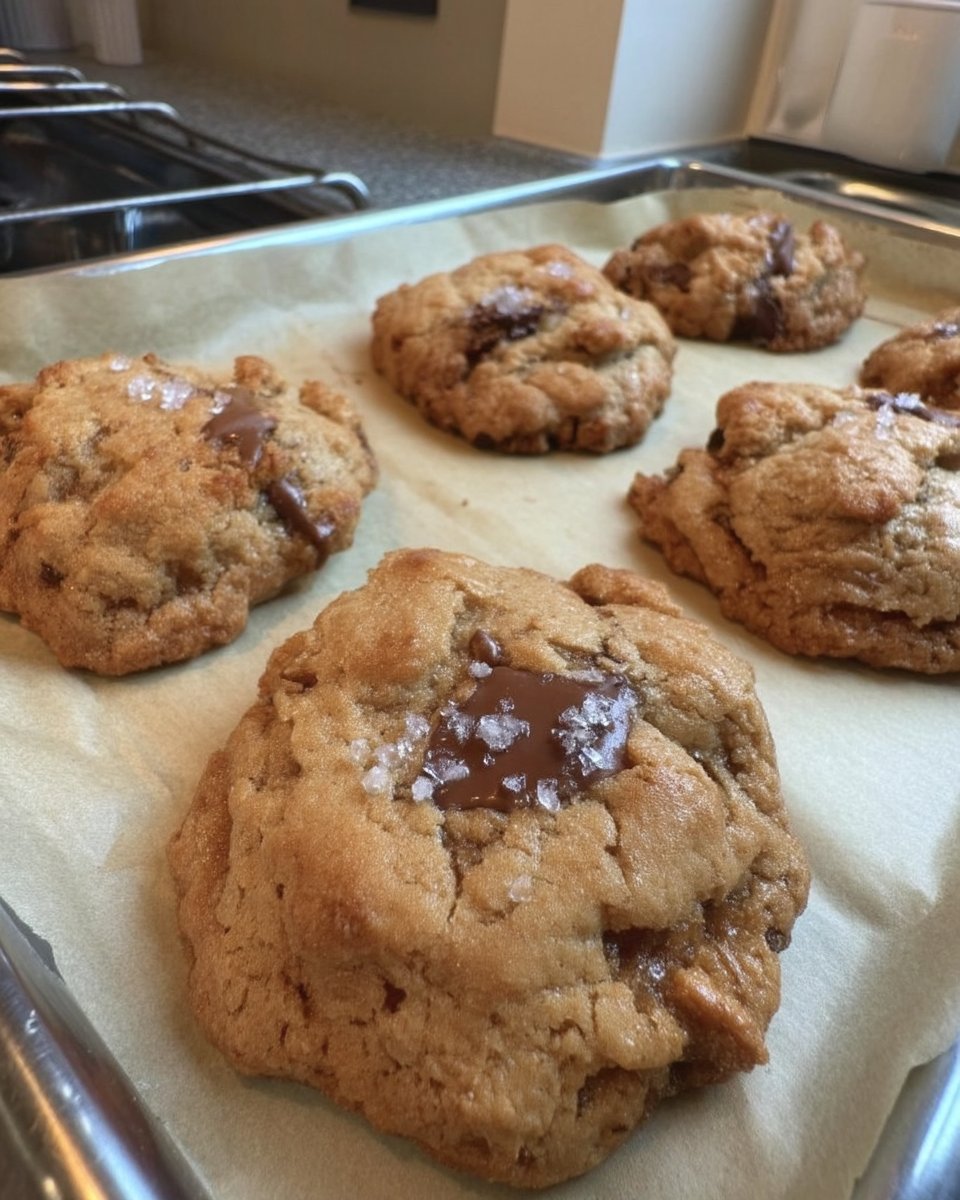
- Preheat oven to 350°F and bake the frozen dough balls for 10–12 minutes until the edges are golden and set but the centers remain slightly puffy.
Notes
To ensure perfect cookie structure, use a digital scale to measure your flour at approximately 220 grams. The freezing step is non-negotiable as it allows the flour to hydrate and prevents the cookies from spreading too thin during baking.
- Prep Time: 20 mins
- Cook Time: 12 mins
- Category: Dessert
- Method: Baking
- Cuisine: American
The Molecular Formula for Cookie Success
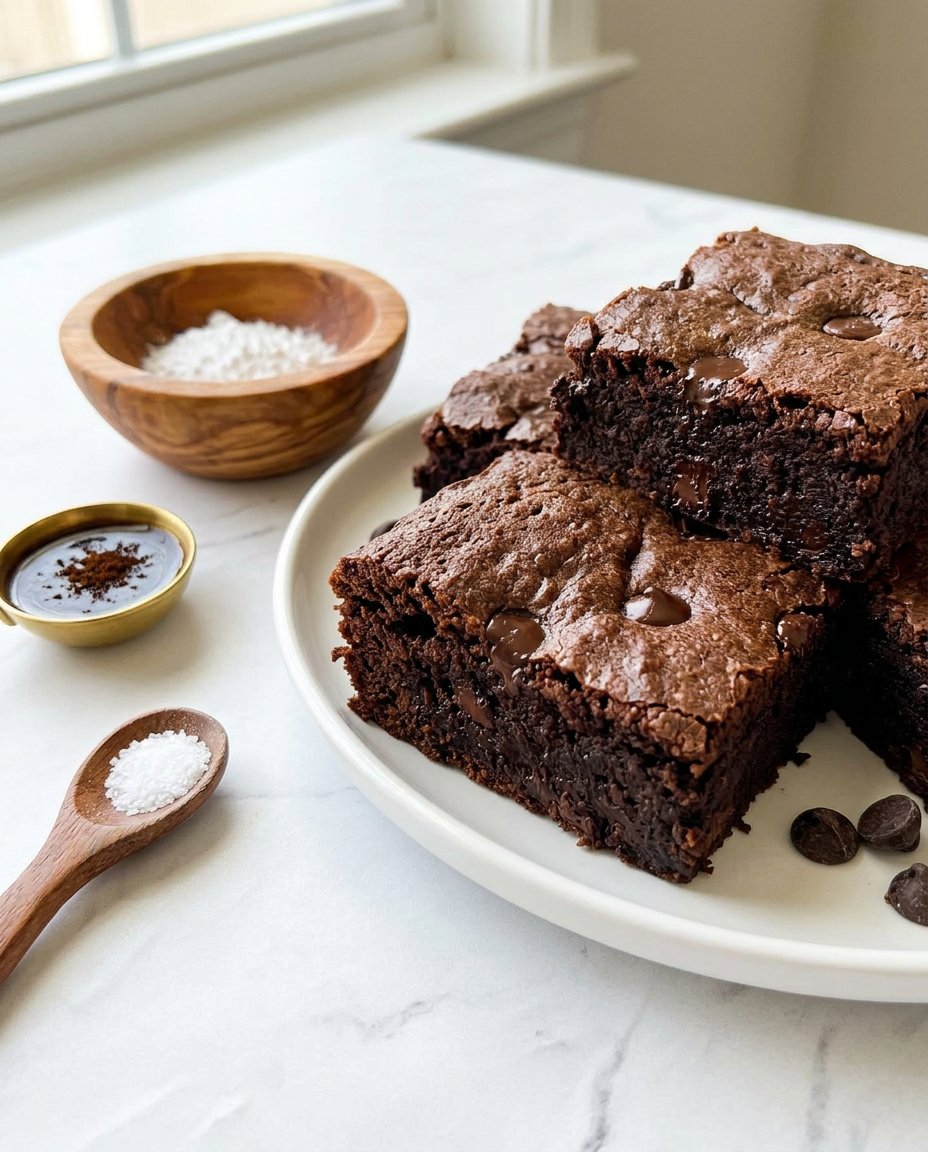
Understanding the role of each component in this formula is vital for maintaining the structural integrity of the cookie. Every gram of flour and every milliliter of fat has been tested to ensure the final product meets our standards for density and flavor release.
- Unsalted Butter (14 tablespoons): We specify unsalted butter so you can control the sodium content to the milligram. Browning the butter removes water, which concentrates the flavor and changes the way the flour hydrates.
- Ground Espresso (1 tablespoon): Use a fine grind to prevent a gritty texture. The heat from the browned butter blooms the coffee, releasing aromatic compounds that would otherwise remain trapped in the bean.
- Sugars (Light Brown and Granulated): The ratio of 1/2 cup plus 2 tablespoons of brown sugar to 1/2 cup of white sugar is calculated to manage the pH of the dough, which affects both browning and spread.
- Large Egg and Egg Yolk: The extra yolk is a strategic addition. It adds fat and emulsifiers without adding the water found in an egg white, leading to a richer, more tender crumb.
- All-Purpose Flour (1 2/3 cup + 1 tablespoon): This specific amount provides the protein framework required to hold the heavy additions of chocolate and espresso without the cookie becoming cakey.
- Baking Soda (1 teaspoon): This alkaline leavener reacts with the acidic brown sugar to create carbon dioxide, providing a lift that balances the dense fats.
- Semi-Sweet Chocolate (3/4 cup): The sugar content in semi-sweet chocolate complements the espresso perfectly. Chopped chocolate creates pools of cocoa, while chips maintain their structure for a varied texture.
- Vanilla Extract and Salt: These function as flavor modulators. The salt reduces the perception of bitterness from the coffee, while the vanilla adds a complex aromatic layer.
The Methodical Baking Process
Step 1: Brown the Butter and Bloom the Espresso
Place the 14 tablespoons of unsalted butter in a stainless steel pan over medium heat. Using a light-colored pan is critical so you can monitor the color change of the milk solids. As the water evaporates, the butter will foam and then begin to turn an amber brown. Once you see the brown bits at the bottom, remove the pan from the heat immediately. Stir in the 1 tablespoon of ground espresso. This step uses the residual heat to activate the coffee oils. Pour the mixture into a heat-proof bowl and let it cool to room temperature (approximately 20-30 minutes). If the butter is too hot when you add the sugars, it will dissolve them completely, leading to a greasy cookie.
Step 2: Emulsify the Sugars and Fats
Once the butter and espresso mixture is at room temperature, add the granulated sugar and light brown sugar. Use a whisk to combine them for exactly one minute. This step is not about aeration, as we do not want to incorporate too much air, but about starting the dissolution of the sugar crystals into the fat. The mixture should look like wet sand.
Step 3: Incorporate the Liquid Protein
Add the room-temperature egg, the extra egg yolk, and the vanilla extract to the bowl. Whisk until the mixture is glossy and well-combined. Using room-temperature eggs is vital because cold eggs will cause the browned butter to seize and solidify, breaking the emulsion you have started to build. The lecithin in the egg yolk will help bind the fats and liquids into a stable base.
Step 4: Fold in Dry Ingredients and Chocolate
In a separate bowl, whisk together the flour, baking soda, and salt to ensure even distribution of the leavening agent. Gently fold the dry ingredients into the wet mixture using a spatula. Stop as soon as you see no more streaks of flour. Over-mixing at this stage develops gluten, which will make the cookies tough. Fold in the 3/4 cup of chocolate chips or chopped chocolate last. The dough will be thick and fragrant.
Step 5: Portion and Thermal Stabilization
Use a standard two-tablespoon cookie scoop to portion the dough onto a parchment-lined tray. This ensures uniform size, which leads to uniform baking. Place the tray in the freezer for at least 3-4 hours, though an overnight chill is preferred. This rest period allows the flour to fully hydrate and the fats to solidify. It also allows the enzymes in the dough to break down complex starches into simple sugars, which results in better browning and a deeper flavor profile.
Step 6: Controlled High-Heat Baking
Preheat your oven to 350°F (180°C). Arrange the frozen dough balls on a baking sheet, leaving at least two inches of space between them to allow for heat circulation. Bake for 10-12 minutes. The objective is to pull them out when the edges are set and golden, but the centers still appear slightly underdone and puffy. They will finish cooking on the hot tray through carry-over induction.
Lab Notes for Perfection
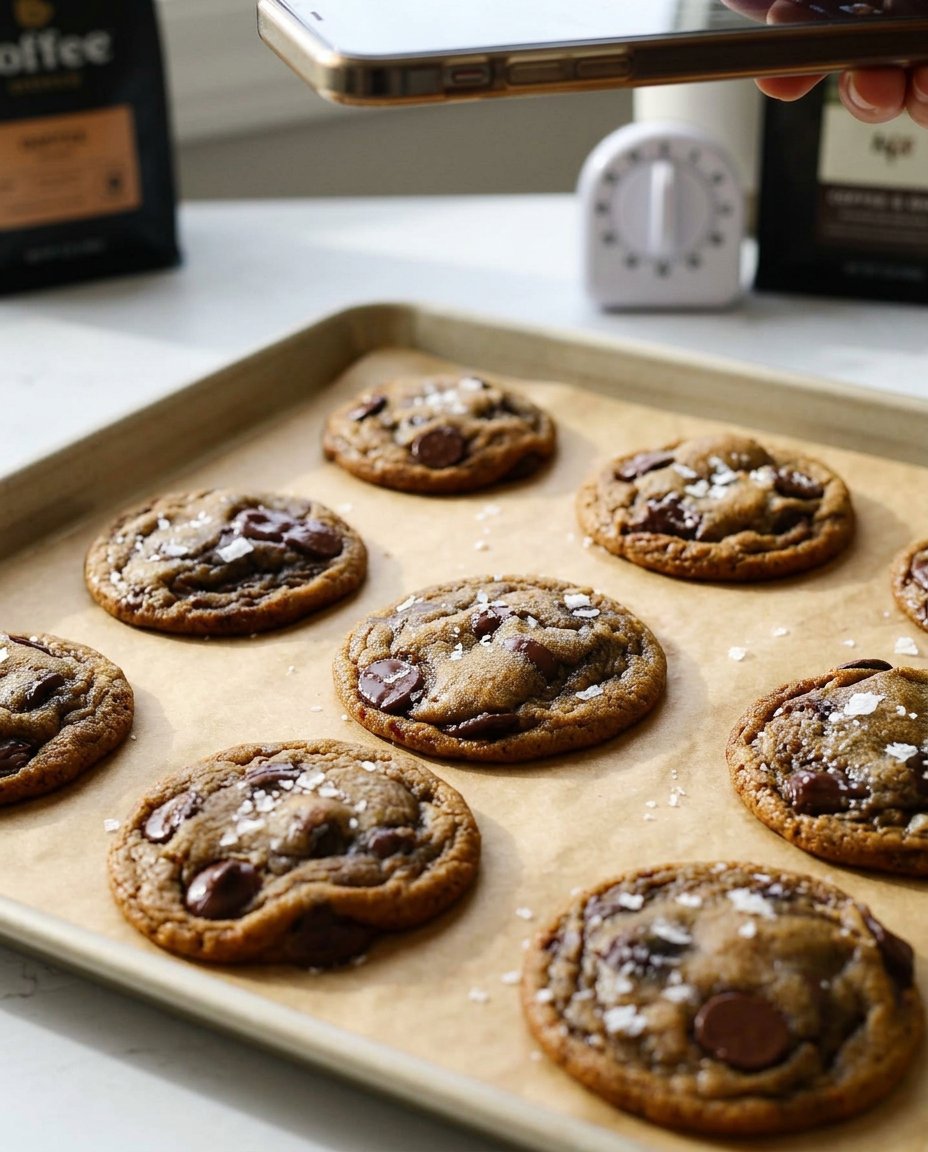
Precision in measurement is the most important factor in cookie structure. We strongly recommend using a digital scale for your flour; 1 2/3 cups plus 1 tablespoon should weigh approximately 220 grams. If you must use volume, use the spoon-and-level method to avoid packing the flour, which leads to a dry, crumbly cookie. For more technical guidance on dough behavior, visit our Artisan Cookie Collection.
Temperature control is another variable that determines success. If your kitchen is warmer than 75°F, your butter may take longer to cool. You can speed this up by placing the bowl in an ice bath, but stir constantly to keep the texture uniform. If you are interested in comparing different fat-to-coffee ratios, you might find the techniques in this espresso chocolate chip cookies recipe a useful reference for your own testing. Always remember that the dough must be cold when it enters the oven to prevent excessive spreading.
Scientific Flavor Variations
You can modify the flavor profile of the Espresso Chocolate Chip 2 without ruining the structure if you follow these tested guidelines. To create a mocha-toffee version, replace 1/4 cup of the chocolate chips with toffee bits. Since toffee is primarily sugar and fat, it will increase the spread slightly, so make sure your dough is frozen solid before baking. For more creative ideas, see our Trending Cookie Creations.
If you prefer a milder coffee flavor, you can use decaffeinated espresso grounds. The chemical process of decaffeination does not change the physical structure of the ground, so it remains a 1:1 substitution. For a salted version, sprinkle a few grains of Maldon sea salt on top immediately after baking. The sodium ions will block bitter receptors on your tongue, making the chocolate taste more intense and the coffee smoother. Always avoid adding liquid coffee or brewed espresso to this dough, as the extra water will ruin the protein structure of the flour.
Optimization of the Tasting Experience
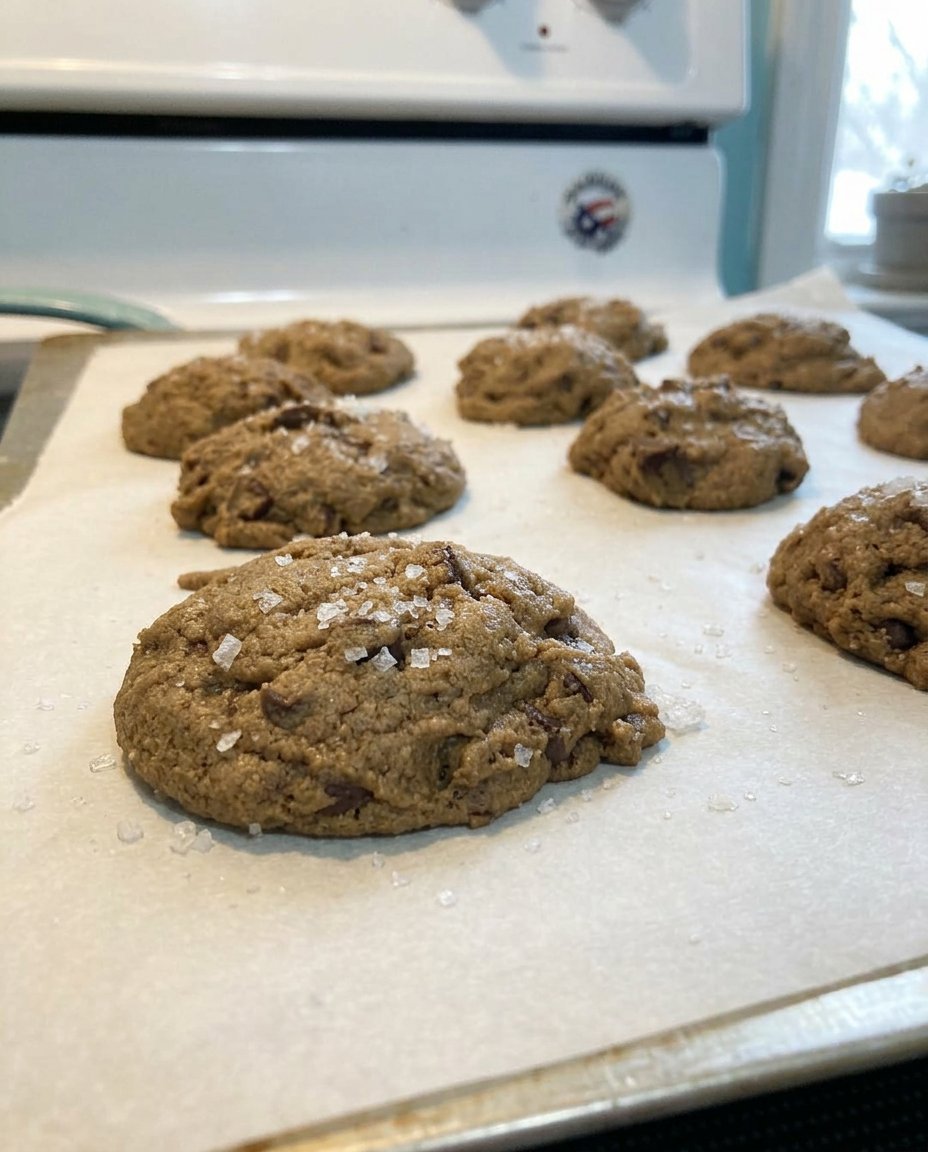
To experience the full range of flavors in these cookies, serve them at a temperature of approximately 75°F. While a warm cookie is delicious, letting it cool completely allows the fats to set and the espresso notes to stabilize. This makes the flavor more balanced and less dominated by the heat of the chocolate. For presentation ideas, look at our Effortless Cookie Elegance guide.
Pairing these cookies with a glass of cold milk is a classic choice because the milk fats help coat the tongue, softening the acidity of the coffee. For a more sophisticated pairing, try a small glass of bourbon; the vanillins in the wood-aged spirit mirror the vanilla extract in the dough, while the alcohol helps cleanse the palate between bites of rich chocolate.
The Scientific Truth of Better Baking
Mastering the Espresso Chocolate Chip 2 is a victory for any home baker. By respecting the chemistry of browning butter and the necessity of temperature control, you have created a cookie that is far superior to standard versions. We encourage you to keep testing these variables in your own kitchen to see how small changes impact the final result. For more inspiration on seasonal baking science, visit our Seasonal Cookie Design section. Don’t forget to share your successful bakes with us on Facebook, Instagram, Pinterest, and TikTok.