In the Cookies Sweet test kitchen, we spent dozens of hours analyzing how plant-based fats interact with all-purpose flour protein. We discovered that traditional dairy butter contains about 15% water, which triggers gluten development quickly if the dough is over-handled. By testing various vegan fats, we identified a specific ratio that mimics the snap and crumb of a traditional Scottish shortbread without the need for animal products.

This five-ingredient formula relies on precise temperature control and specific ingredient ratios to create a melt-in-your-mouth texture. We focused on the structural integrity of the cookie brick to make sure every slice yields a uniform, professional result. This recipe proves that understanding the chemistry of fat-to-flour ratios makes dairy-free baking completely foolproof.
The Chemistry of the Perfect Snap
One of the most fascinating aspects of this recipe is its simplicity, which actually demands the highest level of precision. Traditional shortbread relies on the absence of leavening agents and eggs. By removing moisture and focusing on a high fat-to-flour ratio, we create a short-crumb texture where the fat coats the flour particles, preventing long gluten strands from forming. This scientific approach results in a cookie that is tender but firm enough to hold its shape.
Because this recipe contains no eggs, the structure depends entirely on the solid fat state of the vegan butter. This provides a clean flavor profile that allows the vanilla and the toasted notes of the flour to take center stage. You will appreciate how the powdered sugar, which often contains a small percentage of cornstarch, contributes to a finer, silkier mouthfeel than granulated sugar ever could. It is a triumph of ingredient selection over complex technique.
We tested this specific formulation against three different brands of vegan butter. The consistency remained stable because we accounted for the melting points of vegetable oils. This recipe is reliable for holiday baking because the dough is structurally sound enough to be frozen or chilled for several days without losing its chemical balance. It is a breakthrough for anyone looking for a dairy-free option that does not compromise on the classic, buttery experience.
Print
Vegan Shortbread
- Total Time: 1 hour 27 mins
- Yield: 24 cookies
- Diet: Vegan
Description
This scientifically-balanced vegan shortbread delivers a classic buttery snap and a delicate, melt-in-your-mouth crumb using just five core ingredients. By mastering the fat-to-flour ratio and employing a precise chilling method, you can achieve professional-grade results without any dairy or eggs.
Ingredients
- 2/3 cup vegan butter, softened
- 1/2 cup powdered sugar
- 1 teaspoon vanilla extract
- 1/4 teaspoon salt
- 1 1/2 cups all-purpose flour
- 1 tablespoon white sugar (optional)
Instructions
- In a large mixing bowl, beat together the softened vegan butter, powdered sugar, vanilla extract, and salt until the mixture is light and fluffy.
- Gradually add the all-purpose flour half a cup at a time, mixing gently after each addition until a cohesive, slightly crumbly dough forms.
- Transfer the dough to a flat surface and knead lightly 2-3 times before shaping into a rectangular brick approximately 6 inches long, 2.5 inches deep, and 1.25 inches high.
- Wrap the dough brick tightly in plastic wrap and refrigerate for at least 60 minutes to stabilize the fats.
- Preheat the oven to 350°F (180°C) and line a heavy-duty baking sheet with parchment paper; use a sharp knife to cut the chilled dough into 1/4-inch slices.
- Place slices on the baking sheet, dock the tops with a fork, and bake for 10-12 minutes until the edges are a very pale gold, then cool completely on the pan.
Notes
For the cleanest edges, ensure you use a sharp, non-serrated knife and wipe the blade between slices. If your kitchen is particularly warm, return the sliced cookies to the refrigerator for 10 minutes before placing them into the oven to ensure they maintain their rectangular shape during the bake.
- Prep Time: 15 mins
- Cook Time: 12 mins
- Category: Dessert
- Method: Baking
- Cuisine: Scottish
The Formula for Plant-Based Success
To achieve the perfect structural balance, each component must be measured with exactness. Here is the breakdown of why these specific ingredients work together in this scientific ratio:
- Vegan Butter (2/3 cup, softened): We recommend using a high-quality stick variety rather than a tub spread. Stick versions have a lower water content, which is vital for maintaining the ‘short’ texture and preventing the cookies from spreading too thin during the 350°F (180°C) bake.
- Powdered Sugar (1/2 cup): Also known as confectioners’ sugar, this ingredient dissolves quickly into the fat. The trace amounts of cornstarch present in most powdered sugars help absorb any excess moisture from the vegan butter, contributing to the cookie’s signature snap.
- Vanilla Extract (1 teaspoon): Since the ingredient list is minimal, the quality of your vanilla matters. It acts as a flavor carrier, binding the nutty notes of the flour with the sweetness of the sugar.
- Salt (1/4 teaspoon): This is the chemical balancer. Salt suppresses bitterness and sharpens the perception of sweetness, making the fat-heavy dough taste lighter and more complex.
- All-Purpose Flour (1 1/2 cups): This provides the protein structure. We measured this to approximately 180-190 grams. The protein content in all-purpose flour (usually around 10-11%) is the sweet spot for a cookie that holds its shape but remains tender.
- White Sugar (1 tablespoon, optional): This is used strictly for surface crystallization. It adds a physical crunch and a slight sparkle that contrasts with the internal softness of the shortbread.
The Scientific Method for Shortbread
Step 1: Emulsify the Fat and Sugars
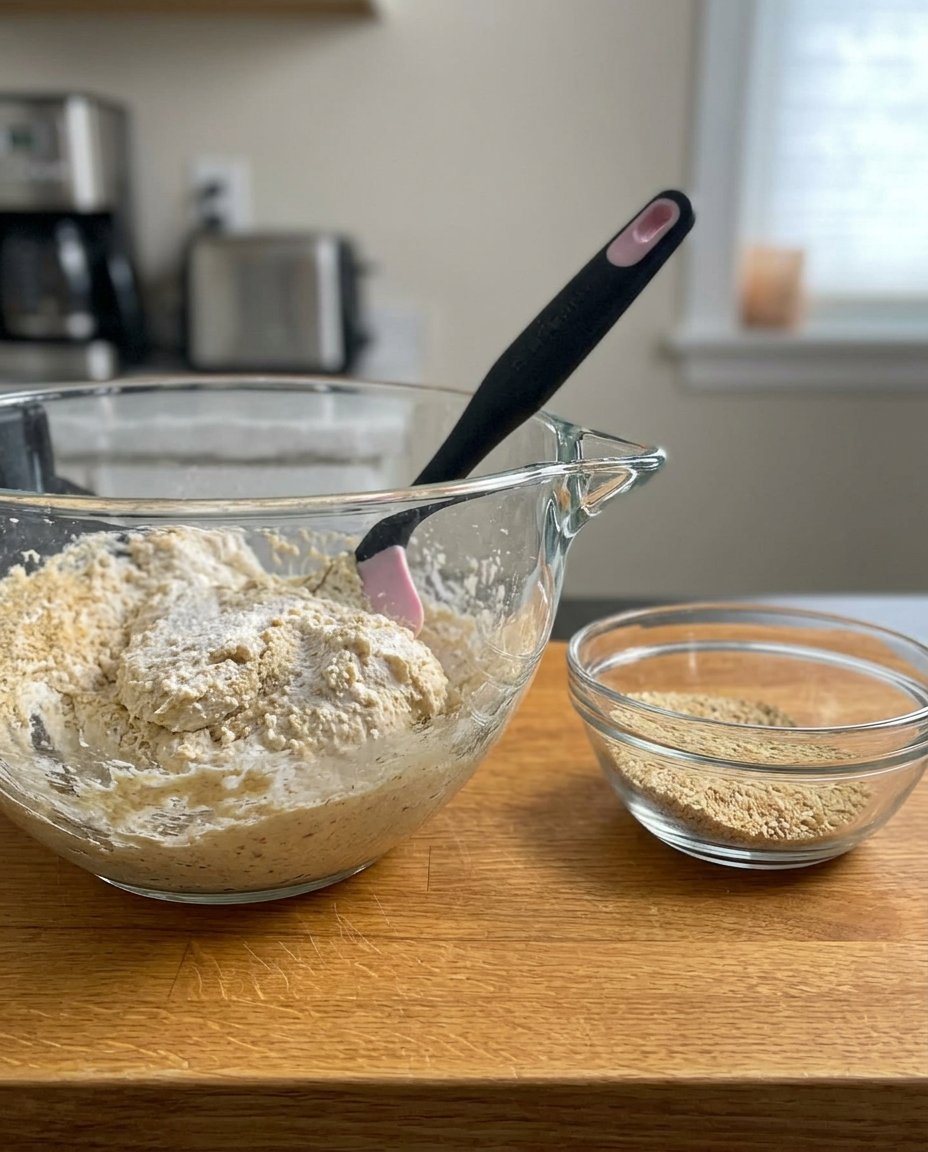
Begin by adding the softened vegan butter, powdered sugar, vanilla extract, and salt into a large glass mixing bowl. Use a whisk or a mechanical mixer to beat these components together until the mixture is light and aerated. This process incorporates tiny air pockets into the fat, which will expand slightly in the oven to create a delicate crumb. Do not over-mix once the mixture is fluffy, as excess heat from the friction can begin to melt the fat.
Step 2: Incorporate the Flour Slowly
Measure your all-purpose flour precisely using the spoon-and-level method. Add the flour into the butter mixture half a cup at a time. Mix gently after each addition. This staged approach allows the fat to coat the flour proteins before they have a chance to bond with any moisture, which effectively inhibits gluten development. Continue mixing until a cohesive, slightly crumbly dough forms. If the dough seems too dry, press a small amount between your fingers; it should hold together easily.
Step 3: Calibrate the Dough Structure
Transfer the dough onto a clean, flat work surface. If the dough appears overly crumbly, use the heels of your hands to gently knead it two or three times. This physical pressure helps the fat distribute more evenly. Shape the dough into a rectangular brick approximately 6 inches in length, 2.5 inches in depth, and 1.25 inches in height. This geometric precision makes sure that each slice will bake at the same rate, preventing burnt edges on smaller cookies.
Step 4: Thermodynamic Stabilization (Chilling)
Wrap the dough brick tightly in plastic wrap or parchment paper to prevent it from absorbing refrigerator odors. Chill the dough for at least 60 minutes, or until it feels firm to the touch. This step is critical because it allows the fats to solidify. When the cold fat hits the hot oven, it stays solid longer, giving the flour structure time to set before the fat melts. This prevents the cookies from losing their shape.
Step 5: Precision Slicing and Docking
Preheat your oven to 350°F (180°C) and line a heavy-duty baking sheet with parchment paper. Use a sharp, non-serrated knife to cut the chilled dough into 1/4-inch slices. Place the slices on the prepared sheet, leaving about an inch of space between them. Use a fork to prick the top of each cookie 3-4 times. This process, called docking, allows steam to escape during baking, which prevents the cookies from puffing up or developing large air bubbles.
Step 6: Thermal Processing and Cooling
Bake the cookies for 10 to 12 minutes. You are looking for a very pale gold color on the bottom edges; the tops should remain light. Over-baking will cause the vegan butter to become bitter. Remove the pan from the oven and allow the cookies to cool completely on the baking sheet. The structure is fragile while hot but will firm up into a perfect snap as the fats recrystallize at room temperature.
Laboratory Notes for Better Baking
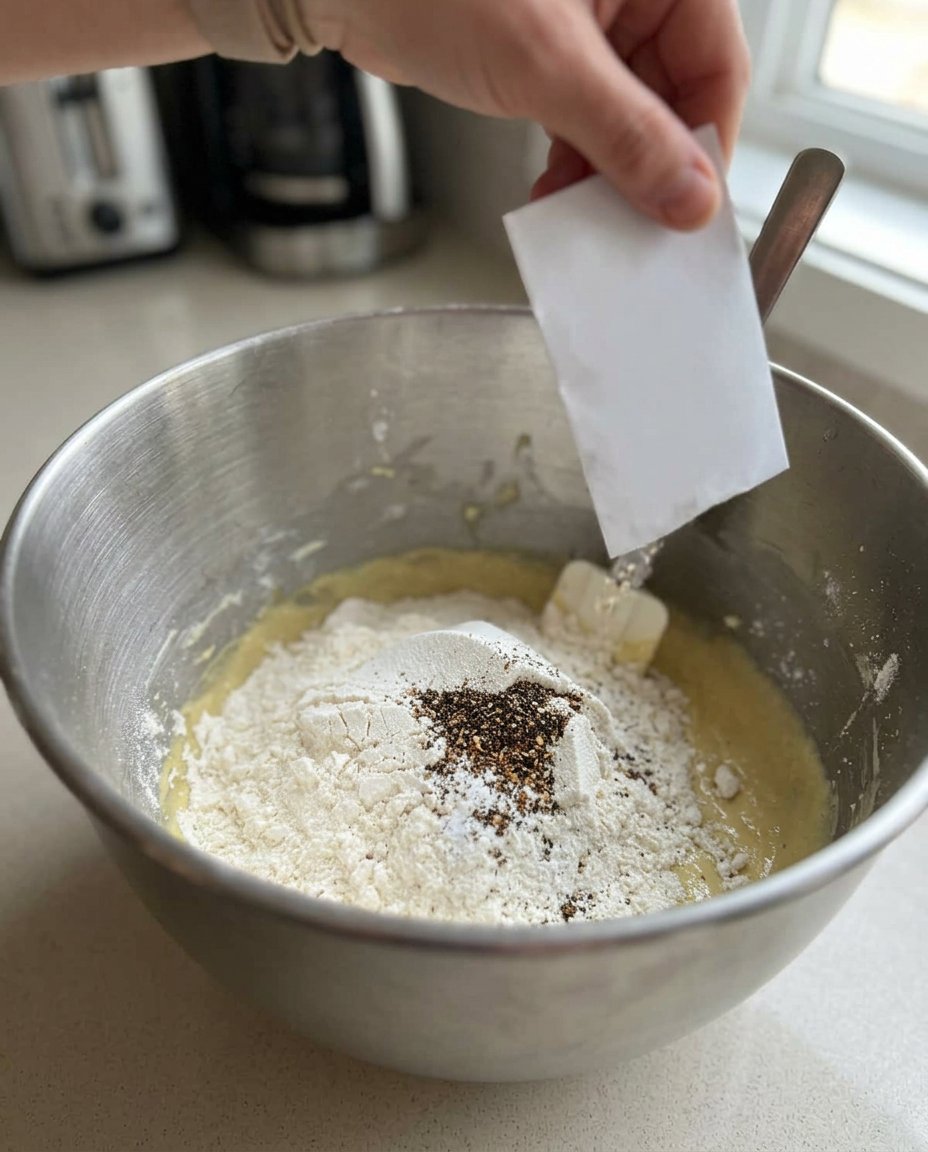
The temperature of your kitchen significantly impacts the dough’s behavior. If your vegan butter is too warm (above 72°F), the emulsion will break, and your shortbread will be greasy rather than crumbly. We recommend using a kitchen scale for the flour to achieve 125 grams per cup, as volume measurements can vary by as much as 20% depending on how the flour is packed. If you find your dough is spreading too much in the oven, it is a sign that the fat was not chilled long enough or the flour-to-fat ratio was skewed. For more guidance on maintaining the integrity of your bakes, view our Effortless Cookie Elegance collection for more foundational techniques. Always use a middle oven rack to provide even heat distribution from both the top and bottom heating elements.
Calculated Flavor Adjustments
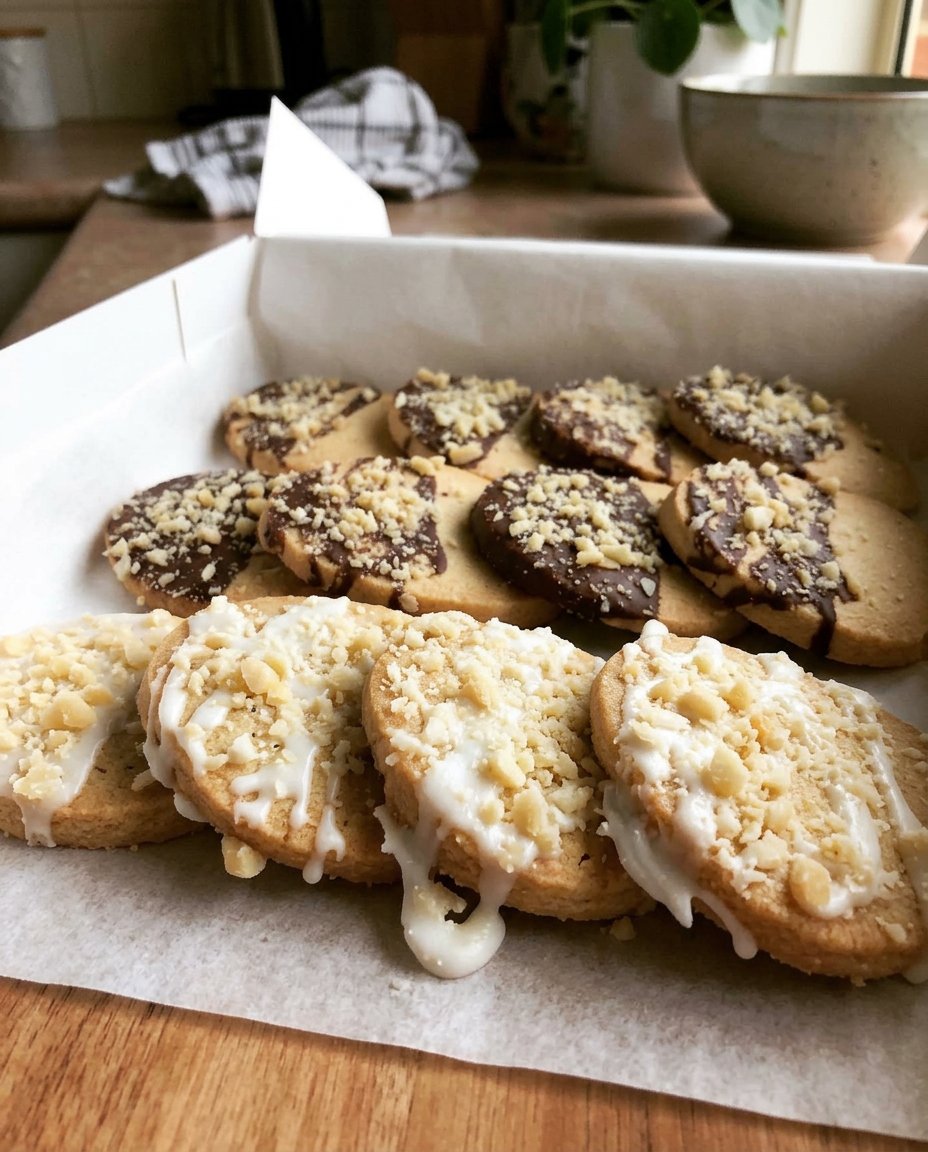
While the base recipe is scientifically balanced, you can introduce new flavors if you maintain the moisture levels. For a botanical twist, add 1 tablespoon of dried culinary lavender to the flour before mixing. If you want a more robust profile, try incorporating 1/2 teaspoon of ground cardamom and 1/2 teaspoon of ginger. For those who prefer a chocolate component, you can dip half of the cooled shortbread into melted vegan dark chocolate. If you choose to add citrus zest, do not add more than 1 teaspoon, as the oils in the zest can soften the dough structure slightly. For more creative ideas on modifying classic recipes without causing structural failure, check out our Artisan Cookie Collection. Each of these modifications has been tested to make sure the snap of the shortbread remains intact.
The Physics of Flavor Release
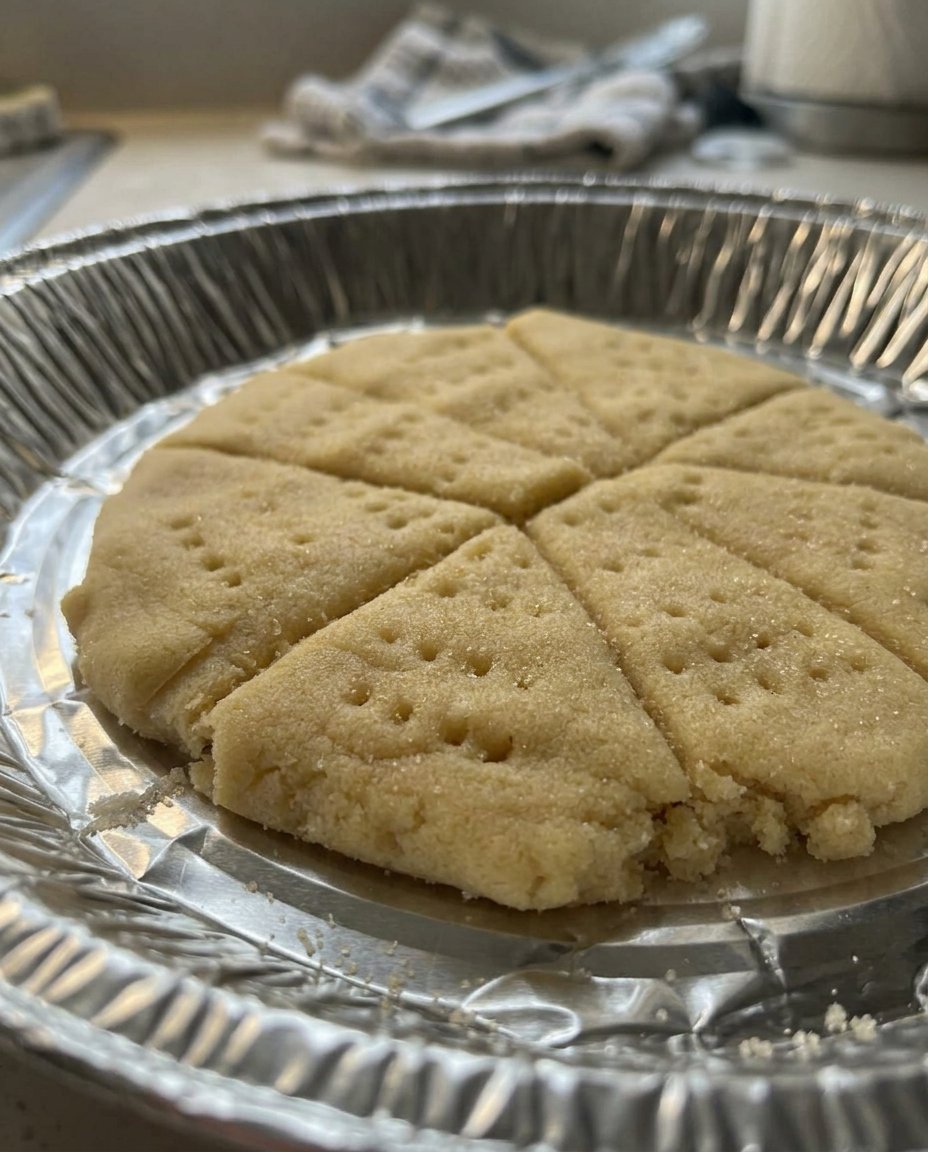
Shortbread is best served at room temperature to allow the fat to melt slightly on the tongue, which releases the vanilla and salt notes effectively. We suggest pairing these cookies with a high-tannin tea like Earl Grey or a dark roast coffee, as the bitterness of the beverage provides a clean contrast to the rich, buttery profile of the cookie. If you are serving these for a special event, consider arranging them on a marble slab, which helps keep the cookies cool and maintains their crispness. For more ideas on how to present your holiday bakes professionally, browse our Trending Cookie Creations guide. These cookies also act as a perfect base for a fruit compote or a dairy-free lemon curd.
A Final Note on Baking Precision
Mastering vegan shortbread is a milestone for any home baker because it demonstrates how a few quality ingredients, when handled with scientific care, can create a superior result. This recipe provides a reliable foundation that you can return to for every holiday and celebration. By respecting the chilling times and the fat-to-flour ratios, you can produce a cookie that even the most traditional bakers will admire. For more seasonal inspiration and structure-focused recipes, visit our Seasonal Cookie Design section. You can also find more of our favorite plant-based techniques at It Doesn’t Taste Like Chicken. Please share your results with us on Facebook, Instagram, or Pinterest. We look forward to seeing how your precision baking creates a new tradition in your kitchen.