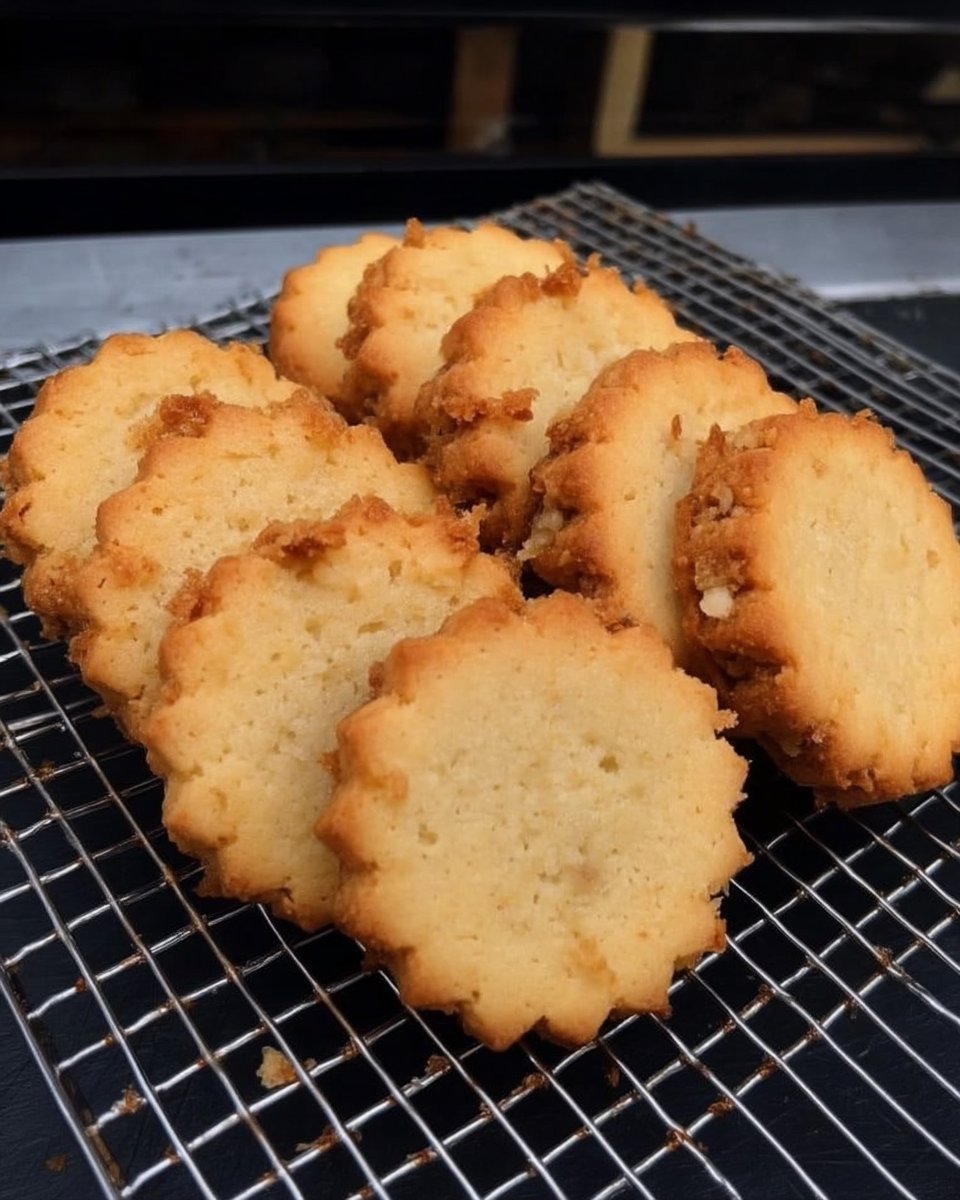
In the test kitchen, we often debate the merits of convection versus conduction, but few recipes demonstrate the power of direct heat quite like Welsh Cakes. During our testing phase, we found that maintaining the griddle surface at exactly 325°F (160°C) allows the interior starch to gelatinize just as the exterior reaches a perfect Maillard brown. It’s a delicate balance of thermal transfer that turns simple pantry staples into a tender, scone-like treat.

Welsh Cakes are a fascinating hybrid in the baking world—somewhere between a cookie, a scone, and a pancake. Traditionally cooked on a bakestone, they rely on a high ratio of fat to flour rubbed in by hand to limit gluten development, resulting in a “short” texture that melts in the mouth. This recipe uses precise measurements to ensure that characteristic sandy crumb while keeping the currants plump and the spice profile scientifically balanced.
The Chemistry of the Griddle
Unlike oven-baked cookies where heat surrounds the dough, Welsh Cakes rely on conductive heat from a heavy pan or griddle. This method creates a unique textural contrast: a crisp, caramelized shell protecting a soft, steaming interior.
You will appreciate the efficiency of this method—no preheating a large oven is required. By controlling the fat distribution through the “rubbing-in” method, we coat the flour proteins with lipids, preventing toughness. The result is a structurally sound yet tender cake that holds up to the dense sweetness of dried fruit and the warmth of mixed spices.
Print
Welsh Cakes
- Total Time: 30 mins
- Yield: 18 cakes
- Diet: Vegetarian
Description
These traditional Welsh Cakes offer a delightful combination of a scone and a biscuit, featuring a tender, sandy crumb and sweet bursts of currants. Perfect for afternoon tea, they are quickly prepared on a griddle for a signature golden exterior and a soft, warm center.
Ingredients
- 350g all-purpose flour
- 175g cold unsalted butter, cubed
- 80g superfine or caster sugar
- 10g baking powder
- 1/2 tsp mixed spice
- 100g currants or raisins
- 3g salt
- 1 large egg
- 2 tbsp whole milk
Instructions
- Sift the flour, baking powder, sugar, salt, and mixed spice into a large mixing bowl and whisk to ensure even distribution.
- Add the cold, cubed butter to the dry ingredients and rub it in with your fingertips until the mixture reaches a coarse breadcrumb consistency.
- Toss the currants or raisins into the bowl, stirring to coat the fruit evenly with the flour mixture.
- In a small container, lightly whisk the egg and milk together, then pour into the bowl and mix gently until a soft dough forms.
- Turn the dough out onto a lightly floured surface and roll it to a thickness of 1/4 inch (6mm).
- Use a round cutter to stamp out circles and cook them on a lightly greased heavy skillet over medium-low heat for 3 to 4 minutes per side until golden brown and firm.
Notes
For the best results, ensure your butter remains very cold until it is incorporated into the dough to maintain a short, flaky texture. Always use a heavy-bottomed pan to prevent hot spots, and if the cakes are browning too quickly, lower your heat to ensure the centers cook through without scorching the exterior.
- Prep Time: 15 mins
- Cook Time: 15 mins
- Category: Pastry
- Method: Griddle
- Cuisine: Welsh
Precision Ingredients for Structure
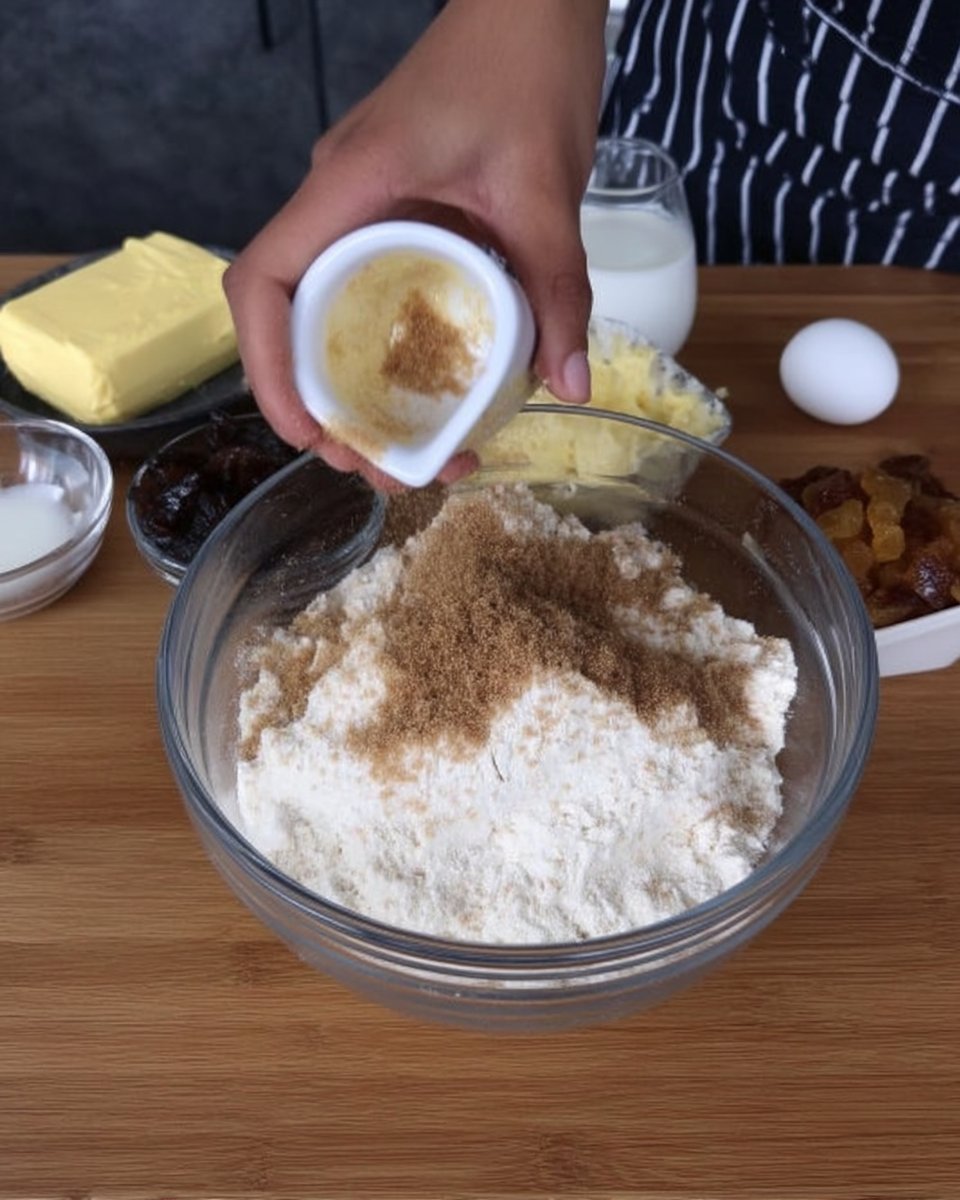
- All-Purpose Flour (350g): Provides the structural matrix. We need enough protein to hold the shape on the griddle but not so much that the cakes become rubbery.
- Cold Unsalted Butter (175g): The temperature is critical here. Cold butter, when cut into the flour, creates tiny pockets of steam upon hitting the hot griddle, contributing to a flaky lift.
- Sugar (80g): Superfine or caster sugar dissolves more readily into the low-moisture dough, ensuring even sweetness without gritty pockets.
- Baking Powder (10g): The chemical leavening agent responsible for the rise. Since there is no acidic buttermilk to react with soda, double-acting baking powder is essential for lift once heat is applied.
- Mixed Spice (½ tsp): A blend typically containing cinnamon, coriander, caraway, nutmeg, ginger, and cloves. This provides the classic flavor profile.
- Currants or Raisins (100g): Dried fruit adds chew and concentrated sweetness.
- Binder (1 Egg + 2 tbsp Whole Milk): The liquid activates the gluten just enough to bind the dough. The fat in the yolk and milk adds richness.
The Scientific Method
Step 1: Dry Ingredient Homogenization
Begin by sifting the flour (350g), baking powder (10g), sugar (80g), salt (3g), and mixed spice (½ tsp) into a large mixing bowl. Whisking these dry ingredients thoroughly ensures the leavening agent is evenly distributed, preventing uneven rising during the cooking process.
Step 2: Lipid Incorporation
Add the cold, cubed butter (175g) to the dry mix. Using your fingertips, rub the butter into the flour until the mixture resembles coarse breadcrumbs. This technique, known as “sabling,” coats the flour particles in fat, which inhibits gluten formation for a tender, sandy texture.
Step 3: Fruit Distribution
Stir in the currants or raisins (100g). Coating the fruit in the flour mixture before adding liquids helps suspend them evenly throughout the dough, preventing them from clumping together or sinking.
Step 4: Binding the Dough
In a small vessel, lightly beat the egg with the milk (2 tbsp). Pour this into the crumb mixture. Mix gently with a fork or your hands just until a soft dough forms. Do not overwork; excessive kneading develops gluten, which will make the cakes tough and rubbery.
Step 5: Rolling to Gauge
Transfer the dough to a lightly floured surface. Roll the dough out to a thickness of exactly ¼ inch (6mm). Consistency here is vital; if they are too thick (like the original French note of 0.5mm was likely a typo for 0.5cm), the outside will burn before the center cooks. Use a round cutter to stamp out circles.
Step 6: Thermal Application
Heat a heavy-bottomed skillet or griddle over medium-low heat. If you have an infrared thermometer, aim for a surface temp of 325°F (160°C). Grease lightly with butter or lard. Cook the cakes for 3–4 minutes per side. They should be golden brown and firm to the touch. Cool on a wire rack to stop the cooking process.
Lauren’s Lab Notes
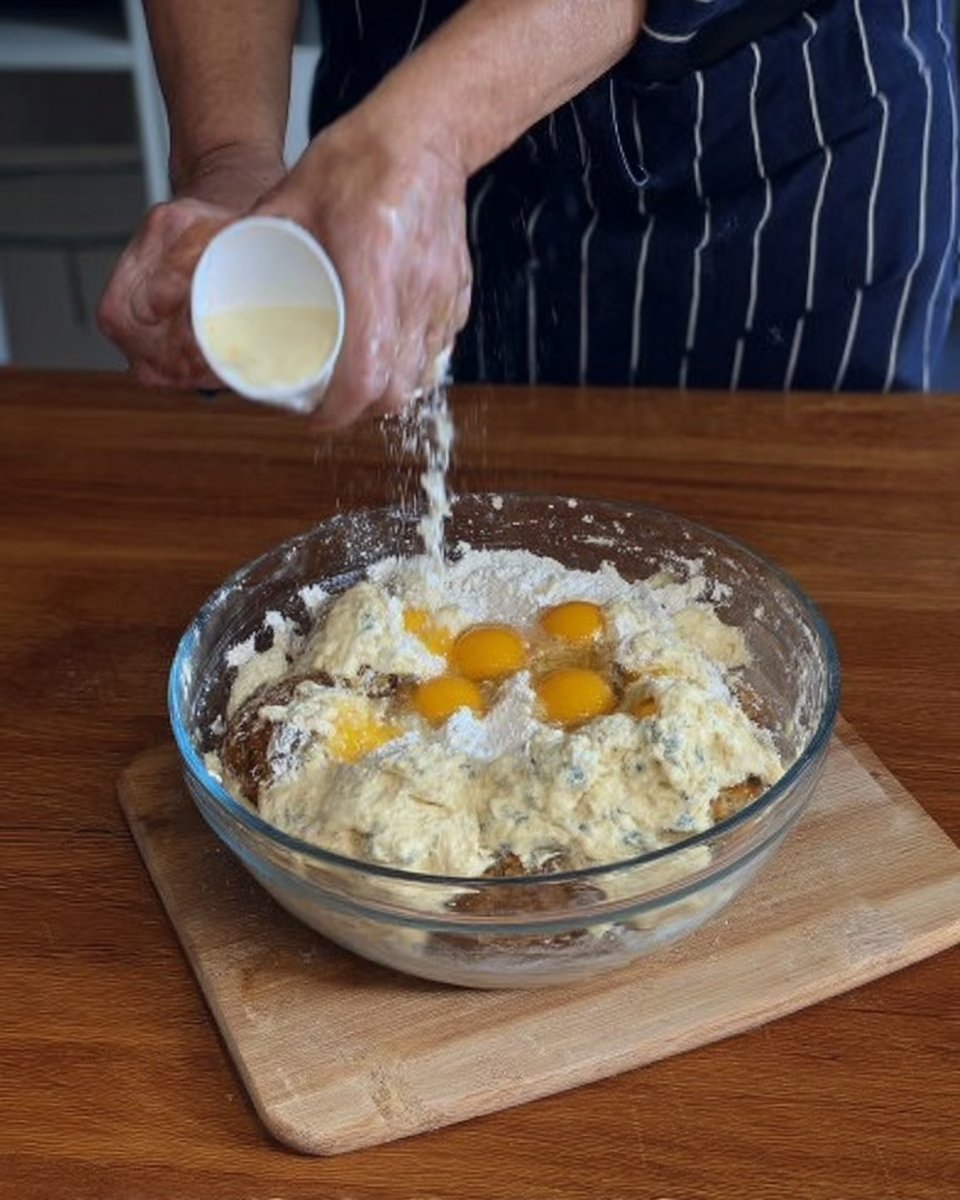
- Heat Management is Key: The most common failure point with Welsh Cakes is a pan that is too hot. If the cakes darken in under 2 minutes, the heat is too high, and the center will remain raw. Adjust your burner to maintain a steady, moderate temperature.
- The Butter Factor: If your kitchen is warm, chill the flour before starting. Keeping the lipids solid until they hit the hot pan ensures that characteristic short texture. For more insights on handling high-fat doughs, check our guide in the Artisan Cookie Collection.
- Testing for Doneness: Unlike cookies that harden as they cool, Welsh Cakes should feel slightly springy when pressed in the center while still on the griddle. They will firm up as the starches retrogradate during cooling.
Tested Variations
- Citrus Infusion: We tested adding 1 teaspoon of lemon or orange zest to the flour. The essential oils bind with the fat, releasing a bright aroma that cuts through the richness of the butter.
- Chocolate Swap: For a modern twist, replace the currants with mini chocolate chips. Note that chocolate melts, so monitor your pan heat closely to avoid scorching the cocoa solids. You can find similar flavor balancing ideas in our Trending Cookie Creations section.
- Spiced Complexity: If you cannot find mixed spice, a ratio of 2 parts cinnamon to 1 part nutmeg and a pinch of ground cloves mimics the chemical profile effectively.
Plating and Pairing
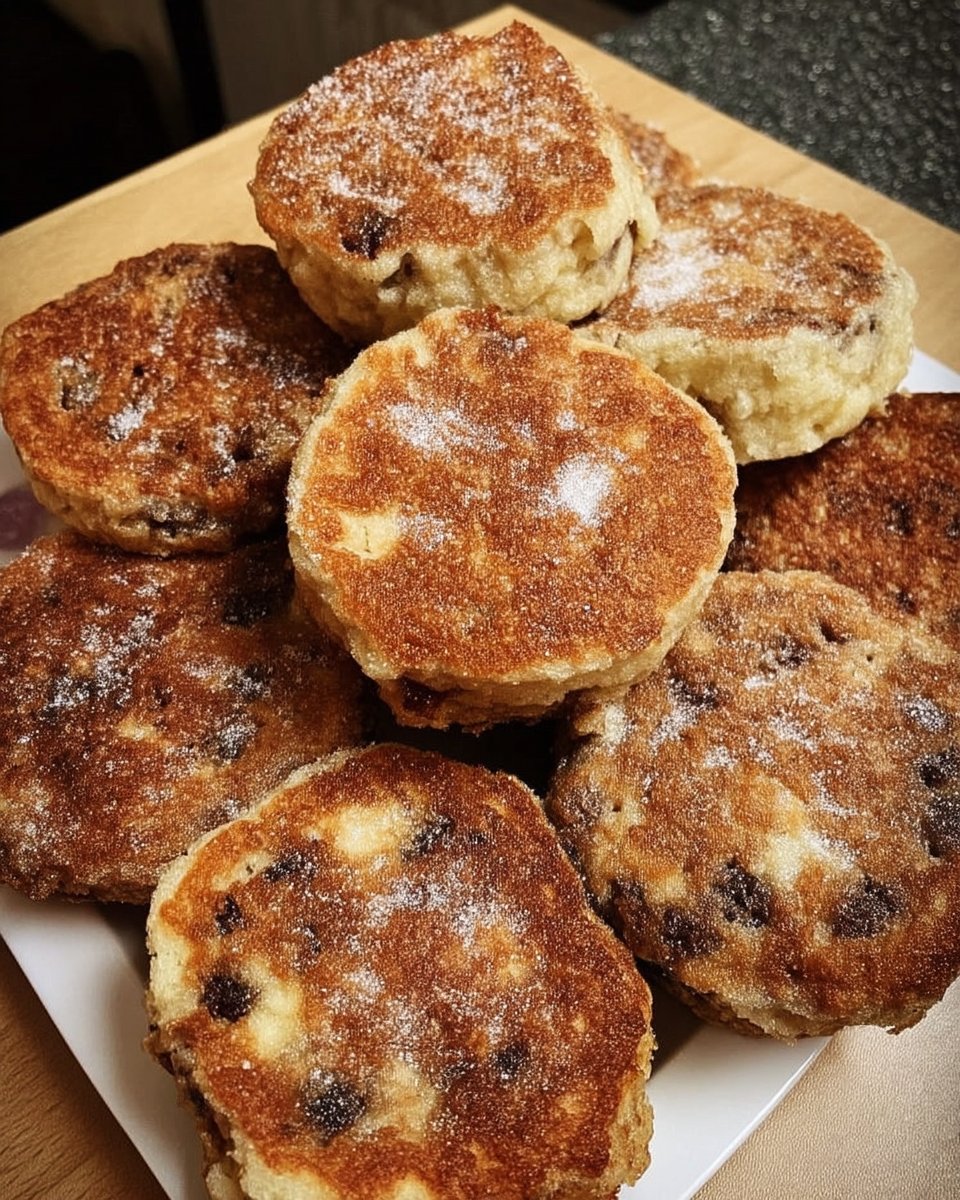
Tradition dictates serving these warm, sprinkled with a little extra caster sugar. The residual heat helps the sugar adhere to the surface. For a scientific flavor pairing, the tannins in a strong cup of black tea bind beautifully with the rich, fatty mouthfeel of the cake, cleansing the palate between bites.
If you want to dress them up for a dessert course, try serving them with a dollop of clotted cream and jam, similar to a scone. For more elegant presentation ideas, browse our Effortless Cookie Elegance archives.
The Scientific Truth
Welsh Cakes are a testament to the idea that precise technique yields superior flavor. By respecting the ratio of fat to flour and managing conductive heat carefully, you achieve a texture that is impossible to replicate in an oven. Keep testing your griddle temperatures until you find that sweet spot where golden brown meets fluffy interior.
For more seasonal inspiration, visit our Seasonal Cookie Design category. You can also compare this method with other European griddle cakes, such as the ones featured on 750g’s Welsh Cakes page, to see how regional variations impact texture.
Share your results with us: