Achieving the perfect snap and chew in Triple Ginger Cookies isn’t just about adding more spice; it’s about managing moisture ratios. In our test kitchen, we discovered that balancing fresh, ground, and crystallized ginger creates a complex heat profile, but the fresh ginger introduces water that interacts with the flour’s gluten network. By adjusting the fat content and chilling the dough, we control the spread to produce a cookie that is fudgy in the center and crisp on the edges.

This recipe relies on unsulfured molasses and dark brown sugar to provide a deep, acidic base that reacts with baking soda for a superior rise. The result is a crinkled surface that looks professional but is achieved through simple thermal shock chemistry. These cookies deliver a triple punch of ginger flavor without becoming bitter or fibrous.
The Chemistry of Spice
Unlike standard molasses cookies, this formula uses a specific triad of ginger forms to activate different taste receptors. Ground ginger provides a warm, background heat, while fresh ginger offers a sharp, enzymatic zing that cuts through the rich molasses. Finally, crystallized ginger adds a chewy textural contrast and a burst of concentrated sweetness.
The structural success here comes from the interaction between the acidic molasses and the baking soda. This reaction releases carbon dioxide rapidly in the oven, causing the cookies to puff up and then collapse slightly, creating those signature crinkles. We use a lower baking temperature of 325°F (163°C) to allow the center to set slowly, keeping the texture soft rather than brittle.
Print
Triple Ginger Crinkles
- Total Time: 1 hour 32 mins
- Yield: 20 cookies
- Diet: Vegetarian
Description
These deeply flavorful cookies utilize a unique triad of fresh, ground, and crystallized ginger to create a complex heat profile. Combined with dark molasses and a sugar-crusted exterior, they offer a perfect balance of a fudgy center and a crisp, crinkled edge.
Ingredients
- 1 1/2 cups (185g) all-purpose flour
- 1 1/2 tsp baking soda
- 2 tsp ground ginger
- 1 tsp cinnamon
- 1/4 tsp nutmeg
- 1/4 tsp allspice
- 1/8 tsp cloves
- 1/8 tsp sea salt
- 3/4 cup (120g) finely chopped crystallized ginger
- 1 stick (4oz) unsalted butter, softened
- 1/2 cup packed dark brown sugar
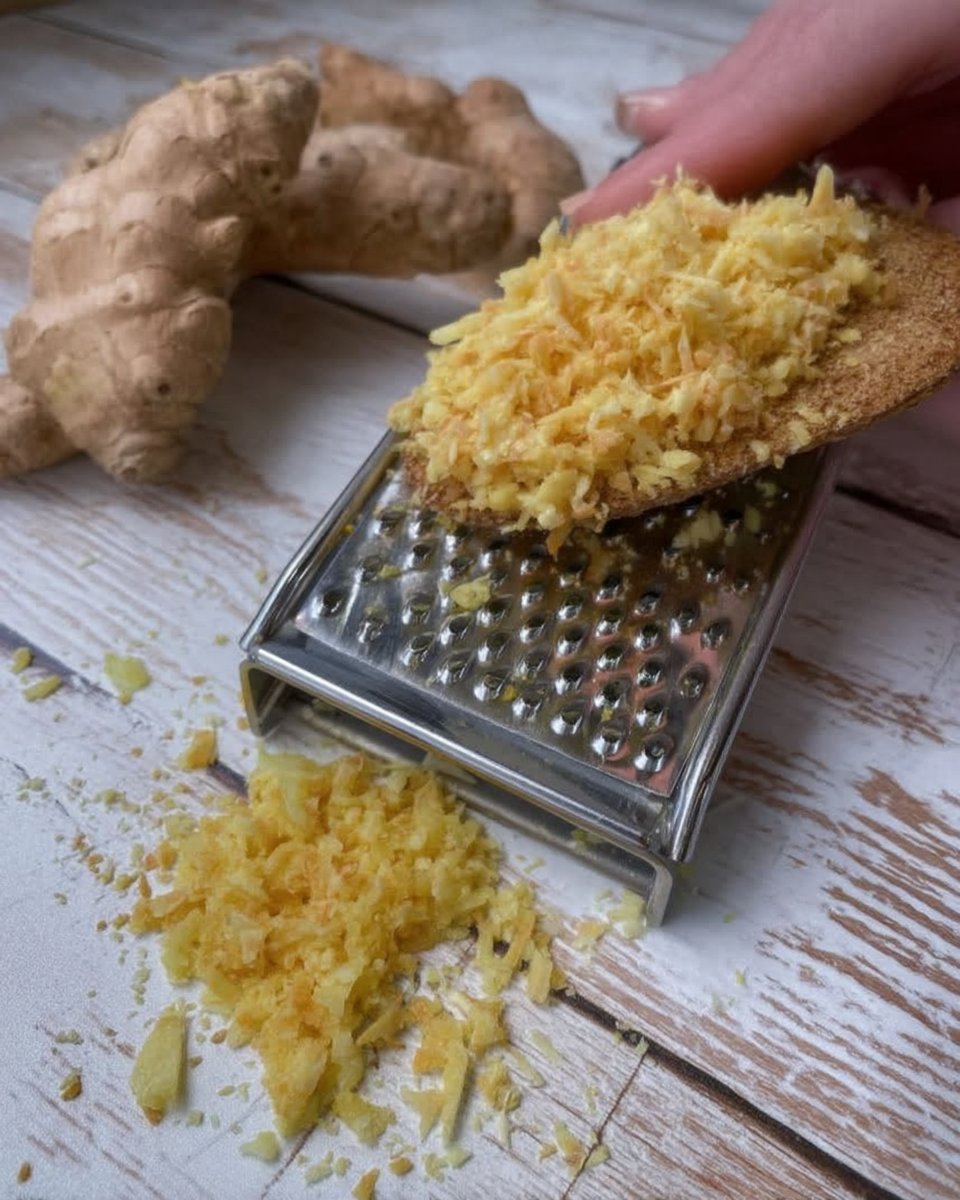
- 2 tsp freshly grated ginger
- 1/2 cup unsulfured molasses
- Granulated sugar for rolling
Instructions
- In a medium bowl, sift together the flour, baking soda, ground ginger, cinnamon, nutmeg, allspice, cloves, and sea salt.
- Add the chopped crystallized ginger to the dry ingredients, using your fingers to coat the pieces and break up any clumps.
- In a stand mixer fitted with the paddle attachment, cream the softened butter, dark brown sugar, and freshly grated ginger on medium speed for 2–3 minutes until fluffy.
- Add the molasses to the butter mixture and beat until fully emulsified, scraping down the bowl as needed.
- Reduce the mixer speed to low and gradually add the dry ingredients, mixing until just combined.
- Wrap the dough in plastic wrap and refrigerate for 1–2 hours to allow the flour to hydrate and the fats to firm up.
- Preheat your oven to 325°F (163°C) and line a baking sheet with parchment paper or a silicone mat.
- Divide the chilled dough into 20 equal portions, roll into balls, and coat each generously in granulated sugar.
- Place the balls on the baking sheet 1.5 inches apart and bake for 10–12 minutes until the surfaces have cracked.
- Let the cookies rest on the baking sheet for 4 minutes to set before moving them to a wire rack to cool completely.
Notes
For the best results, ensure your baking soda is fresh to guarantee the chemical reaction with the molasses that creates the signature crinkled top. If the dough becomes too soft while rolling, return it to the refrigerator for 15 minutes to maintain the proper thickness and prevent excessive spreading during the bake.
- Prep Time: 20 mins
- Cook Time: 12 mins
- Category: Dessert
- Method: Baking
- Cuisine: American
The Chemical Formula
Precision in ingredient selection is critical for the chemical reactions in this dough. Here is what you need for structural balance:
- All-Purpose Flour: Provides the necessary protein structure. We use 1 1/2 cups (185g) to support the heavy molasses and sugar load.
- The Ginger Trio: You will need 2 teaspoons of ground ginger for depth, 2 teaspoons of freshly grated ginger for kick, and 3/4 cup (120g) of finely chopped crystallized ginger for texture.
- Unsulfured Molasses: The primary source of acidity and moisture. Do not use blackstrap molasses, as its lower sugar content and higher bitterness will alter the texture and flavor profile.
- Unsalted Butter: Softened to room temperature (65°F-68°F) for proper aeration during the creaming method.
- Dark Brown Sugar: Contains molasses, contributing to the chewy texture and reacting with the baking soda.
- Spices: A blend of cinnamon, nutmeg, allspice, and cloves complements the ginger without overpowering it.
- Baking Soda: The leavening agent that reacts with the acidic molasses and brown sugar.
- Granulated Sugar: Used solely for rolling the dough balls to create the crystallized exterior crust.
The Method
Step 1: Dry Ingredient Homogenization
In a medium bowl, sift together 1 1/2 cups flour, 1 1/2 tsp baking soda, 2 tsp ground ginger, 1 tsp cinnamon, 1/4 tsp nutmeg, 1/4 tsp allspice, 1/8 tsp cloves, and 1/8 tsp sea salt. Sifting is vital here to distribute the potent spices evenly. Toss in the chopped crystallized ginger, using your fingertips to break up any clumps and coat the pieces in flour, which prevents them from sinking to the bottom of the cookie.
Step 2: The Creaming Phase
In the bowl of a stand mixer fitted with the paddle attachment, cream together 1 stick (4oz) of softened butter, 1/2 cup packed dark brown sugar, and 2 tsp freshly grated ginger. Beat on medium speed until the mixture is light and fluffy, about 2–3 minutes. This step incorporates air bubbles that will later expand. Pour in 1/2 cup molasses and beat well until fully emulsified. Scrape down the sides of the bowl to mix in any unblended butter.
Step 3: Dough Formation and Hydration
Reduce mixer speed to low and gradually add the dry ingredients. Mix until just combined and no streaks of flour remain. If necessary, fold the last bit by hand with a rubber spatula to avoid overworking the gluten. The dough will be thick and sticky. Turn it out onto plastic wrap, pat it into a 1-inch thick disc, and wrap tightly. Refrigerate for at least 1–2 hours. This resting period allows the flour to fully hydrate and the fats to resolidify, which is essential to prevent the cookies from spreading into flat puddles in the oven.
Step 4: Shaping and Surface Treatment
Preheat your oven to 325°F (163°C). Line a baking sheet with parchment paper or a silicone mat. Remove the dough from the fridge and break it into about 20 equal chunks. Roll each chunk into a ball between your palms, then roll the ball in granulated sugar until generously coated. This sugar coating draws moisture from the surface, promoting cracking.
Step 5: Thermal Processing
Place the dough balls on the prepared baking sheet, spacing them at least 1.5 inches apart. Bake on the middle rack for 10–12 minutes. The surface should be cracked, but the centers should still look slightly underdone. For a crisper cookie, bake 1–2 minutes longer. Let the cookies cool on the baking sheet for 3–4 minutes to set the structure before transferring them to a wire rack to cool completely.
Lauren’s Lab Notes
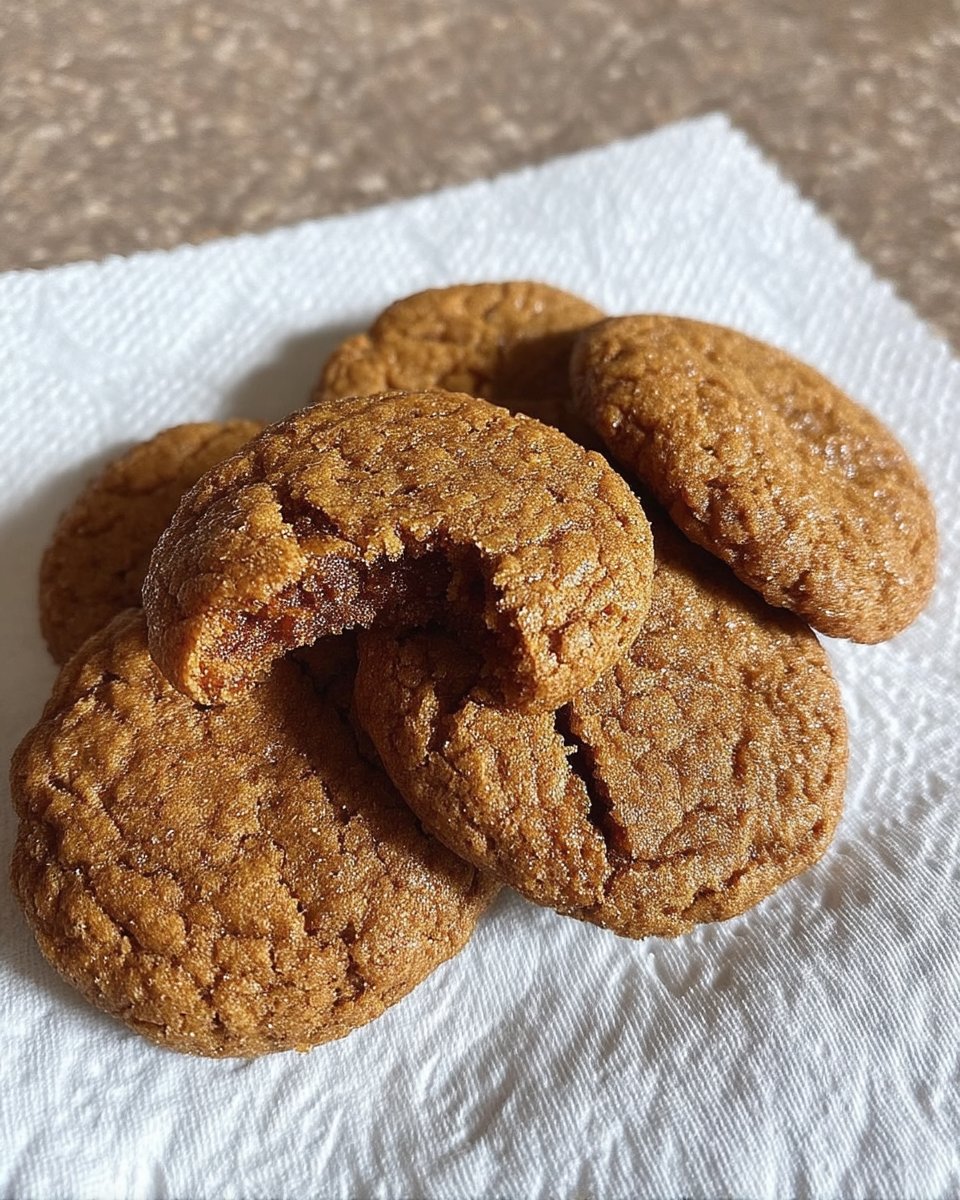
- Ginger Prep: Grating fresh ginger can be fibrous and messy. We recommend keeping a knob of fresh ginger in the freezer; it grates easily into a snow-like powder without clogging your microplane.
- Crystallized Ginger: To make chopping sticky crystallized ginger easier, chill it in the freezer for 15 minutes first, or lightly coat your knife blade with non-stick spray.
- Temperature Control: If your kitchen is warm, keep the unrolled dough balls in the fridge while the first batch bakes. Warm dough spreads faster than the edges can set, leading to thin cookies.
- Storage Science: These cookies contain hygroscopic ingredients (molasses, brown sugar) that draw moisture from the air. Store them in an airtight container to maintain chewiness. For more advice on maintaining texture in humidity, check our Artisan Cookie Collection.
Tested Variations
- Vegan Modification: We tested this recipe with dairy-free margarine in place of butter, and the structure holds up beautifully due to the molasses density. Ensure your margarine is stick-form, not tub-style, to maintain the correct water-to-fat ratio.
- The Peppery Kick: For a more savory heat, add 1/4 teaspoon of freshly cracked black pepper to the dry mix. The piperine in the pepper interacts synergistically with the gingerol in the ginger for a longer-lasting heat.
- Citrus Note: Rub 1 teaspoon of orange zest into the granulated sugar before rolling. The citrus oils brighten the deep molasses flavor.
- Gluten-Free: Use a measure-for-measure gluten-free flour blend that includes xanthan gum. You may need to rest the dough for an extra hour to allow the rice flour to hydrate completely. If you are looking for more specialized dietary bakes, browse our Seasonal Cookie Design category.
Flavor Development and Pairing
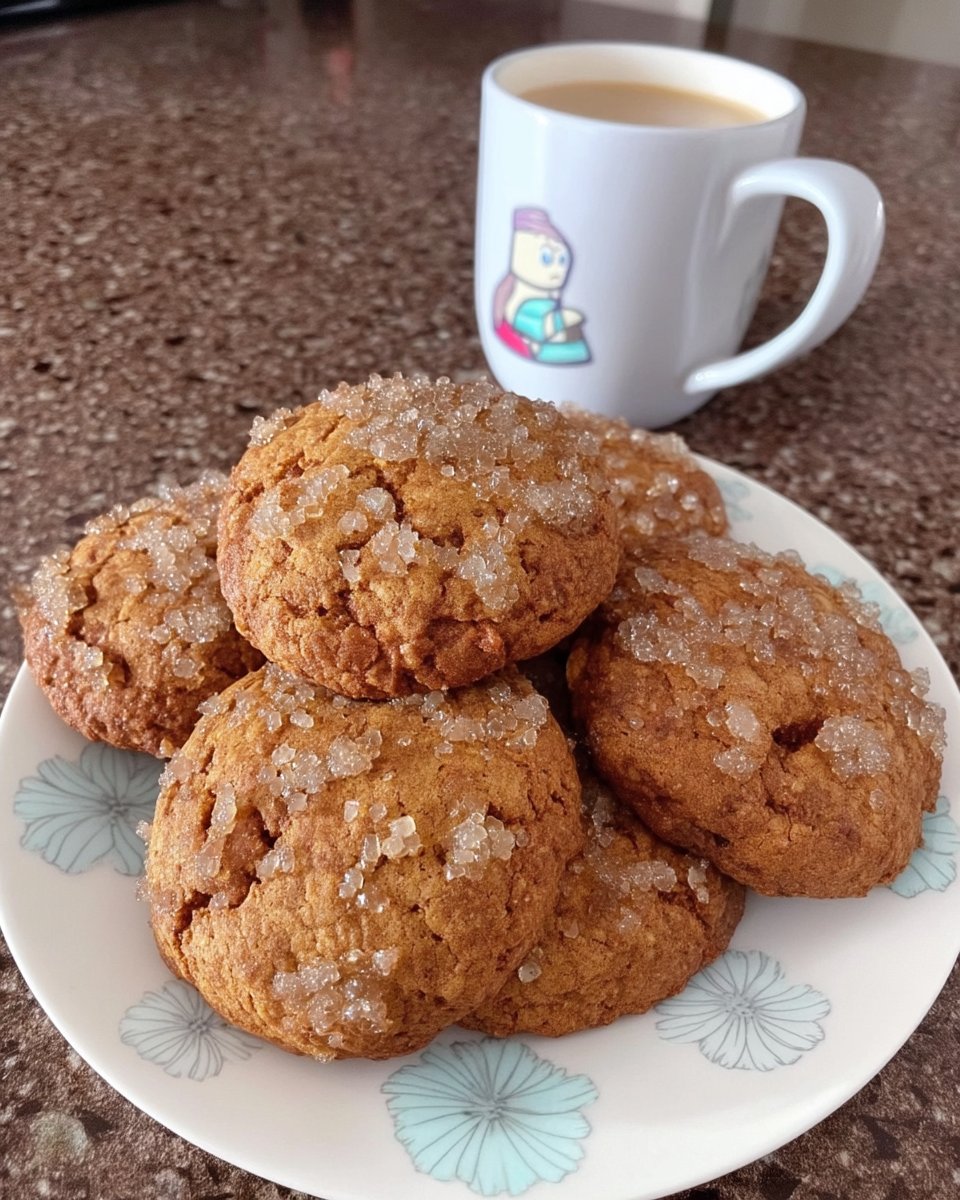
The flavor of these cookies actually deepens after 24 hours as the moisture equilibrates and the spices meld with the fats. They are best served at room temperature to maximize the chewy texture.
- Beverage Pairings: The spice profile pairs perfectly with the tannins in black tea or the acidity of a medium-roast coffee. For a holiday treat, serve with warm apple cider.
- Dessert Board: Arrange these alongside mild shortbreads to contrast the spice intensity. You can find excellent pairing options in our Effortless Cookie Elegance section.
Precision Baking Results
By respecting the ratios of wet to dry ingredients and understanding the role of thermal shock, you can consistently produce Triple Ginger Cookies that rival any bakery. The combination of three ginger types proves that specific chemical interactions yield superior flavor profiles.
This recipe was originally adapted from Will Cook For Friends, refined here to maximize chewiness and structural consistency. For more inspiration on flavor innovation, visit our Trending Cookie Creations category.
Share your results with us on Pinterest, Instagram, or Facebook.