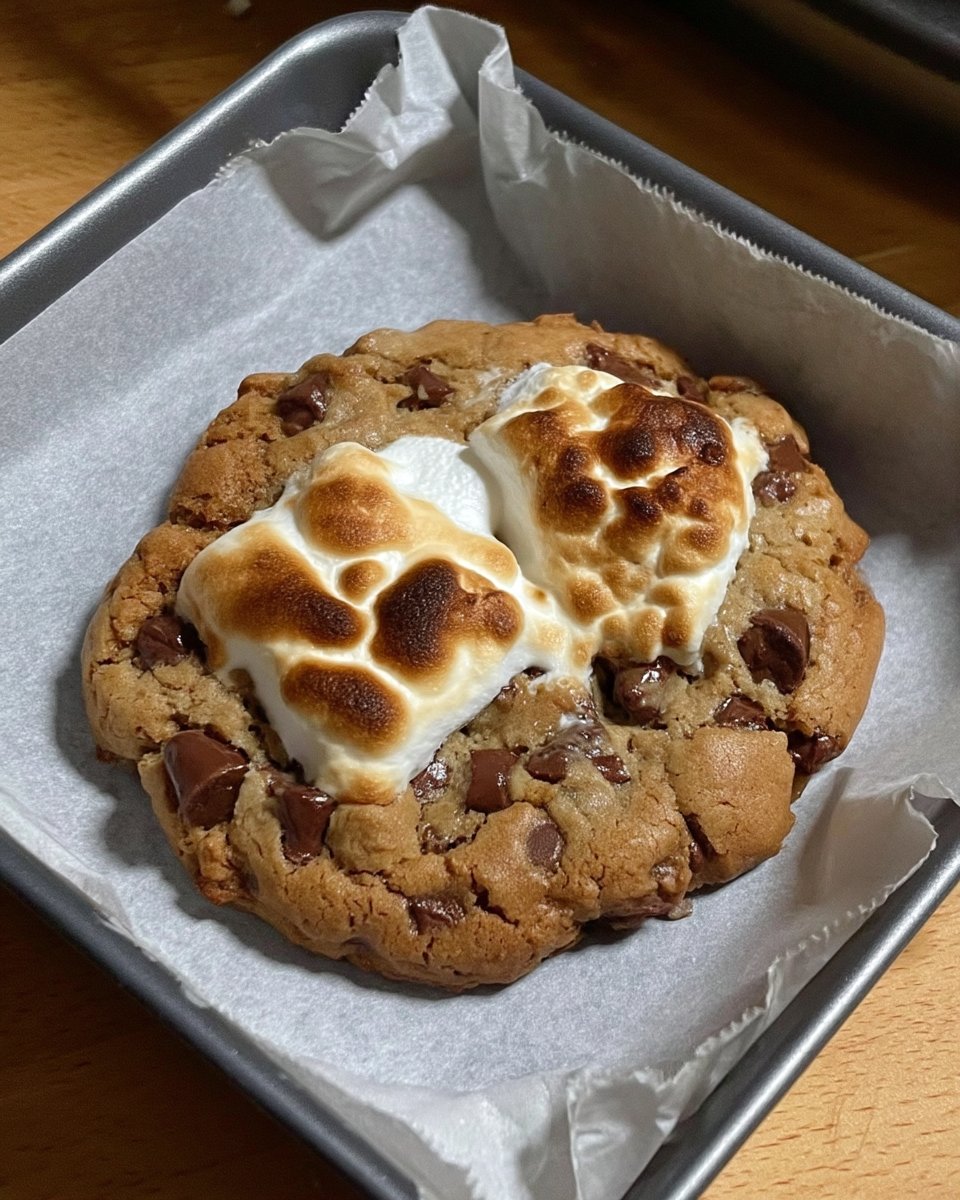
In the Cookies Sweet test kitchen, we spent three days analyzing how mini marshmallows react to high heat within a dough matrix. We found that without tearing the marshmallows, the internal steam pressure causes a structural blowout that compromises the cookie’s perimeter. Our final formula for Smore Cookies relies on these lab-tested results to produce a stable yet gooey result every time.

This recipe focuses on a high-stability dough that balances the moisture of light brown sugar with the dry inclusion of graham cracker shards. By chilling the dough for exactly one hour, we control the fat expansion to keep the chocolate and marshmallow suspended during the baking process. We have verified that this timing produces the perfect ratio of crisp edges to tender centers.
Precision Meets Flavor
Finding the right balance for Smore Cookies requires more than just mixing ingredients; it involves managing the moisture migration from the marshmallows into the surrounding crumb. You will appreciate this recipe because it solves the common problem of cookies becoming too soft or sticky after a few hours. By using cornstarch, we create a tighter crumb structure that holds the weight of the graham crackers without crumbling.
Another reason to choose this method is the specific use of two types of chocolate. The combination of semisweet chips and a traditional milk chocolate bar provides a complex flavor profile that mimics a real campfire experience. We tested various ratios and found that this specific 3/4 cup to 1.55-ounce split produces the most consistent results. You are essentially building a structural cage of dough that protects the delicate, melting sugar of the marshmallow, resulting in a breakthrough of texture in every bite.
Print
Smore Cookies
- Total Time: 1 hour 26 mins
- Yield: 18 cookies
- Diet: Vegetarian
Description
These scientifically-tested Smore Cookies feature a stable dough matrix designed to hold gooey marshmallows and crunchy graham cracker shards without collapsing. By using a precise chilling method and a touch of cornstarch, you achieve a bakery-quality texture with toasted edges and a rich chocolate profile.
Ingredients
- 180g (1.5 cups) all-purpose flour
- 1/2 teaspoon baking powder
- 1/2 teaspoon baking soda
- 1 teaspoon cornstarch
- 1/4 teaspoon salt
- 10 tablespoons unsalted butter, room temperature
- 1/2 cup light brown sugar
- 1/4 cup granulated sugar
- 1 large egg
- 1 teaspoon vanilla extract
- 1 cup mini marshmallows, halved
- 56g (4 sheets) graham crackers, roughly chopped
- 3/4 cup semi-sweet chocolate chips
- 1.55-ounce milk chocolate bar, chopped
Instructions
- Roughly chop the graham crackers and milk chocolate bar into 1/2-inch pieces, and manually tear the mini marshmallows in half.
- In a medium bowl, whisk together the flour, baking powder, baking soda, cornstarch, and salt for 30 seconds to ensure even distribution.
- Cream the butter with the light brown and granulated sugars in a stand mixer for 2 minutes on medium speed until the mixture is pale and aerated.
- Add the egg and vanilla extract to the creamed butter, beating on medium-low until the mixture is smooth and fully emulsified.
- Gradually incorporate the dry flour mixture into the wet ingredients on the lowest speed just until no white streaks remain.
- Gently fold in the chopped graham crackers, chocolate chips, and most of the marshmallows, reserving a small amount for the final topping.
- Cover and refrigerate the dough for at least 60 minutes to allow the flour to hydrate and the fats to firm up.
- Preheat your oven to 350°F (175°C) and line a baking sheet with parchment paper.
- Scoop 2-tablespoon portions of dough into spheres and place them 2 inches apart on the prepared sheet.
- Bake for 8 minutes, then briefly remove to press the reserved marshmallows and chocolate pieces into the tops before baking for another 2 to 3 minutes.
Notes
To ensure the best structural integrity, always use a kitchen scale to measure the flour and graham crackers as volume can vary significantly. If your marshmallows happen to leak and create an uneven edge during baking, you can use a large circular glass or cookie cutter to gently swirl the hot cookies into a perfect round shape immediately after they come out of the oven.
- Prep Time: 15 mins
- Cook Time: 11 mins
- Category: Dessert
- Method: Baking
- Cuisine: American
The Formula
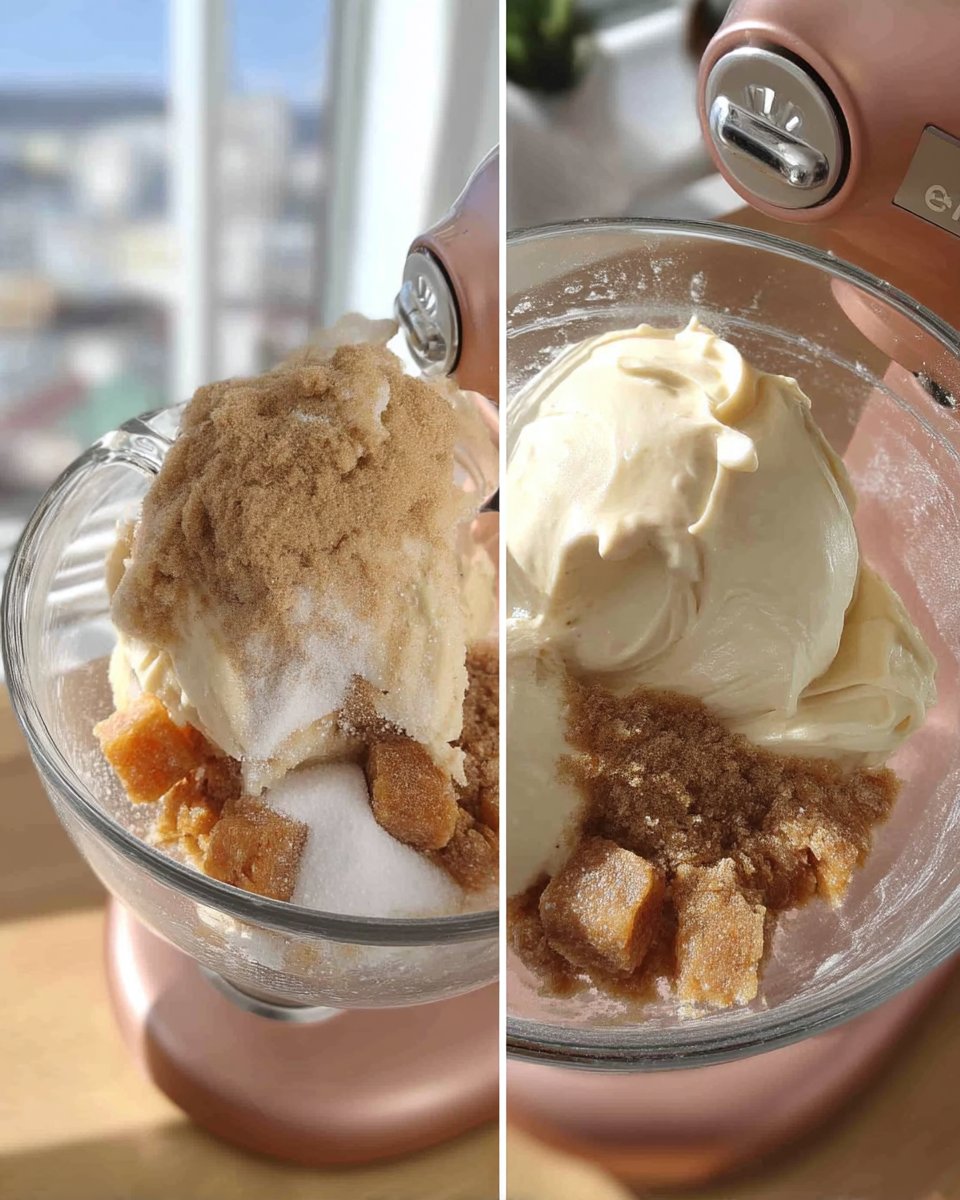
To achieve professional-grade results, we must look at the specific function of each component in the Smore Cookies matrix. Each ingredient has been weighed and tested for its chemical contribution to the final structure.
- All-Purpose Flour (180g): This provides the gluten network necessary to support heavy inclusions. We recommend using a scale for this 1.5-cup measurement to avoid adding too much flour, which results in a dry, cakey texture.
- Light Brown Sugar and Granulated Sugar: The 1/2 cup of brown sugar provides hygroscopic properties to keep the cookie moist, while the 1/4 cup of granulated sugar helps with the Maillard reaction for golden edges.
- Unsalted Butter (10 tbsp): This must be at room temperature (approximately 68°F/20°C) to allow for proper aeration during the creaming stage.
- Cornstarch (1 tsp): This acts as a tenderizing agent, preventing the gluten from becoming too tough while still maintaining the cookie’s shape.
- Marshmallows: We use 1 cup of mini marshmallows, but they must be halved. This reduces the size of the steam pockets that form as the gelatin and sugar melt.
- Graham Crackers (56g): Roughly chopped pieces provide a structural contrast and absorb excess moisture from the butter during the bake.
The Method
Step 1: Prepare Inclusions
Roughly chop the four graham crackers and the Hershey’s bar into 1/2-inch pieces. Tear the mini marshmallows in half manually. This step is vital because whole mini marshmallows often expand too rapidly, causing the dough to collapse around them.
Step 2: Sift Dry Ingredients
In a medium bowl, combine 180g of all-purpose flour, 1/2 teaspoon baking powder, 1/2 teaspoon baking soda, 1 teaspoon cornstarch, and 1/4 teaspoon salt. Whisk vigorously for 30 seconds to distribute the leavening agents evenly. This prevents uneven rising or ‘soda spots’ in the final batch.
Step 3: Cream Butter and Sugars
Using a stand mixer with the paddle attachment, beat the 10 tablespoons of unsalted butter with 1/2 cup light brown sugar and 1/4 cup granulated sugar. Set the speed to medium and mix for exactly 2 minutes until the mixture is pale and aerated. This creates the tiny air pockets that the leavening agents will expand.
Step 4: Emulsify Fats and Liquids
Add the one large egg and 1 teaspoon of vanilla extract to the butter mixture. Beat on medium-low until the egg is fully incorporated and the mixture looks smooth. Scrape down the sides of the bowl with a silicone spatula to make sure no unmixed butter remains at the bottom.
Step 5: Incorporate Dry Base
Gradually add the flour mixture to the wet ingredients while the mixer is on the lowest speed. Stop mixing the moment you no longer see white streaks of flour. Over-mixing at this stage will develop too much gluten, leading to a tough cookie.
Step 6: Fold in Inclusions
Reserve a small handful of the torn marshmallows for later decoration. Add the remaining marshmallows, the semi-sweet chocolate chips, and the chopped graham crackers to the dough. Fold them in gently by hand or on the lowest mixer setting for 10 seconds.
Step 7: Controlled Chill Phase
Cover the bowl and refrigerate the dough for at least 60 minutes. This allows the flour to fully hydrate and firms up the butter. Chilled dough spreads less in the oven, which is essential when you have melty ingredients like marshmallows that want to push outward.
Step 8: Final Bake and Set
Heat the oven to 350°F (175°C). Roll 2-tablespoon portions of dough into spheres and place them 2 inches apart on parchment paper. Bake for 8 minutes, then remove briefly to press the reserved marshmallows and Hershey’s pieces into the tops. Return to the oven for 2 to 3 minutes. Let them cool completely on the sheet to allow the sugar structure to set.
Lab Notes
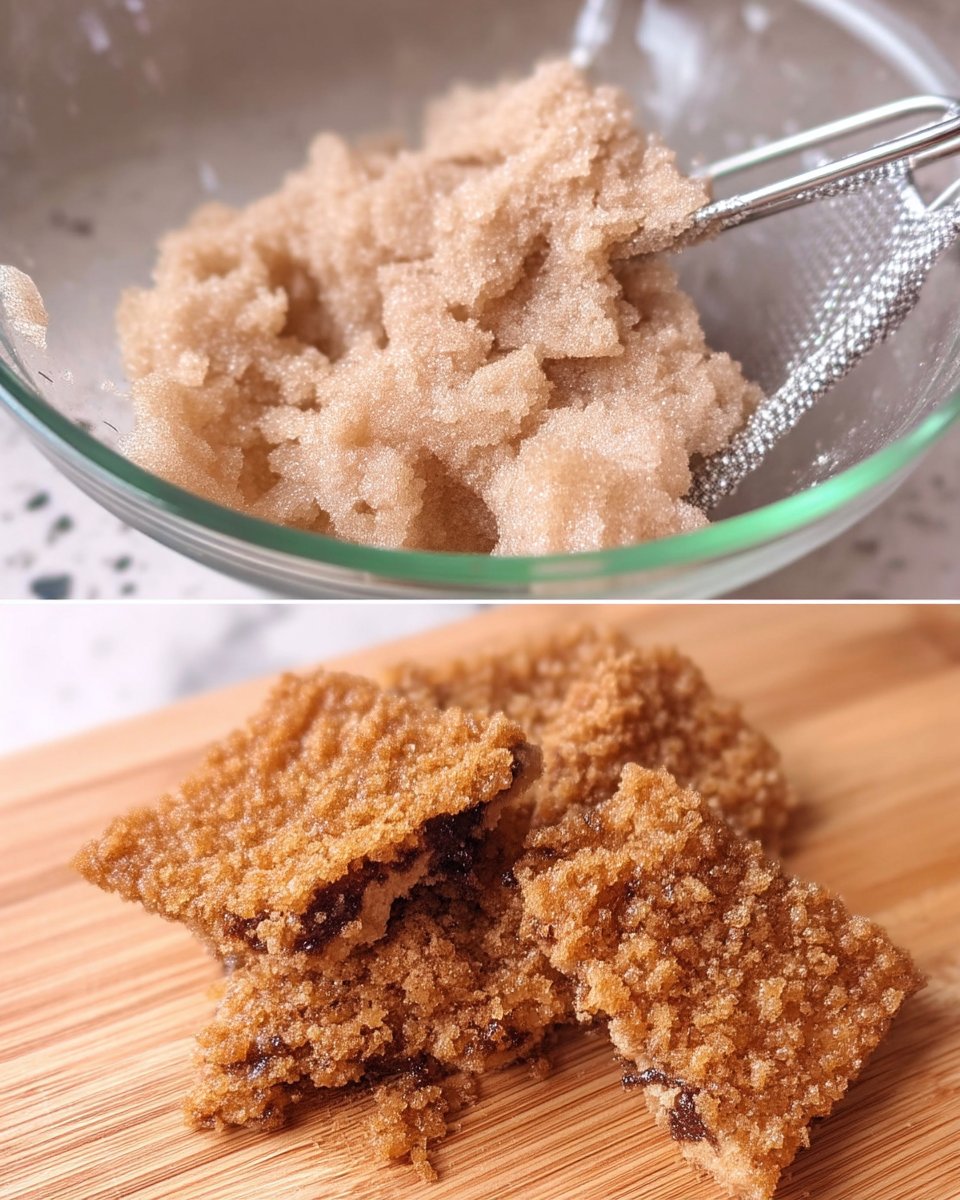
Temperature control is the most important factor when working with Smore Cookies. If your butter is too oily or warm before you start, the dough will not hold the air bubbles required for a soft crumb. We have found that checking the internal temperature of the dough after chilling—it should be around 40°F—provides the best results. For more detailed techniques on maintaining dough integrity, see our Artisan Cookie Collection.
If you experience a marshmallow blowout where the sugar leaks out and caramelizes on the pan, do not panic. Use a circular cookie cutter to ‘scoot’ the cookie back into a round shape while it is still hot and soft. This technique, often called the ‘cookie scoot,’ creates a professional appearance even if the inclusions were a bit unruly. Also, refer to the methods at Preppy Kitchen for alternative inclusion distributions that minimize sticking.
Tested Variations
We tested a dark chocolate version where we replaced the milk chocolate bar with 70% cacao chunks. Because dark chocolate has a higher cocoa butter content and less sugar, it changes the melting point of the cookie. If you make this change, increase the granulated sugar by 1 tablespoon to balance the bitterness. For more ideas on how to adjust your flavors for different months, look at our Seasonal Cookie Design guides.
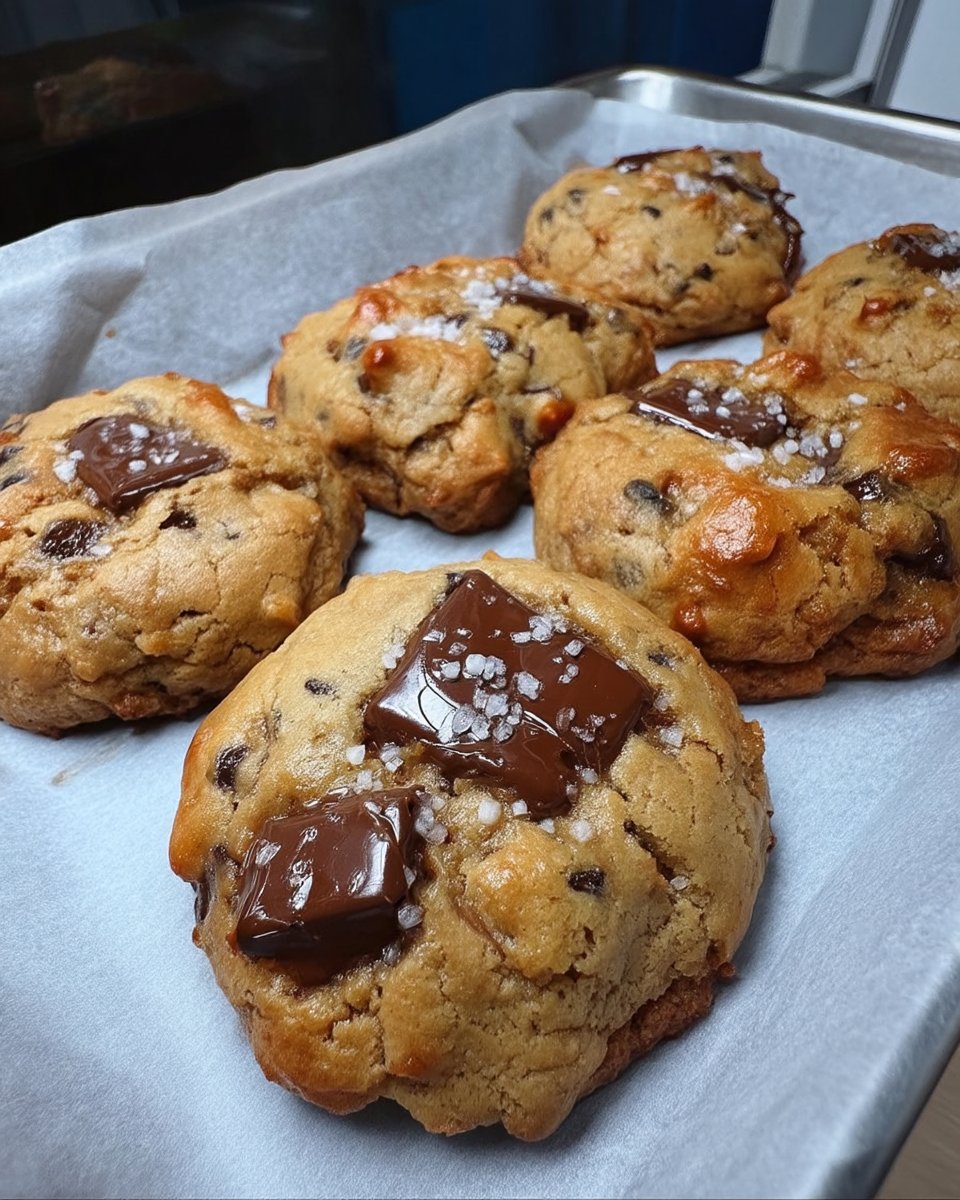
Another successful modification is the Salty Smore. Adding a pinch of Maldon sea salt to the top of the cookie immediately after the second bake phase helps cut through the sweetness of the marshmallow. We also tested gluten-free flour blends; if using a 1:1 replacement, add an extra tablespoon of milk to the dough to account for the higher absorption rate of rice-based flours.
Pairing Notes
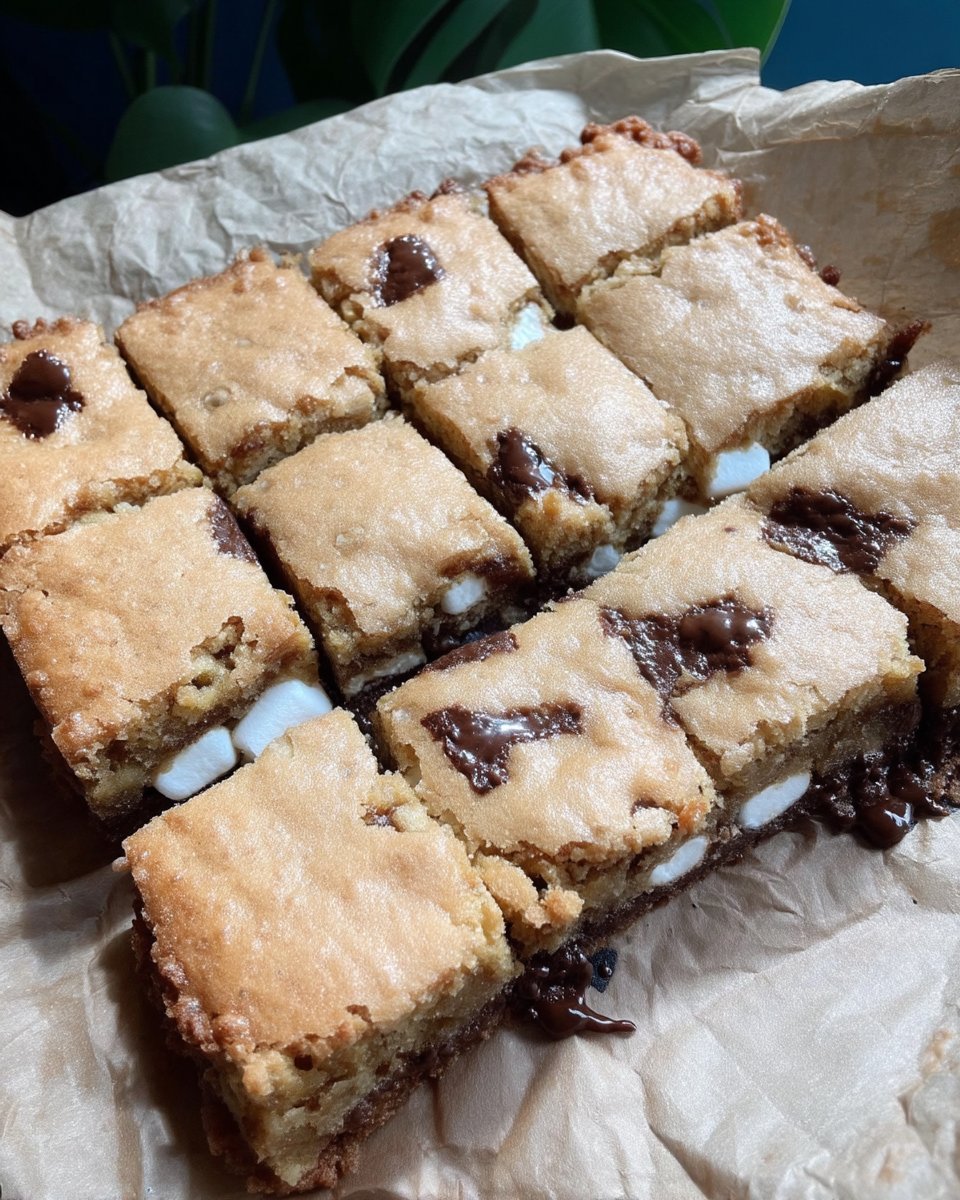
These Smore Cookies are best served slightly warm, approximately 10 minutes after they have been removed from the oven. At this temperature, the chocolate remains in a liquid state, and the marshmallow has a soft, elastic texture. For those looking to present these at an event, our Cookie Decorating Studio offers tips on how to arrange them for maximum visual impact.
Pairing these with a cold glass of whole milk is the scientific choice for flavor balance. The fats in the milk help cleanse the palate of the high sugar content from the marshmallows, making each bite as impactful as the first. If serving at a party, consider a light dusting of graham cracker crumbs over the serving platter to reinforce the theme.
The Scientific Truth
Success with Smore Cookies is a victory of structural engineering over high-sugar inclusions. By following our precise measurements and the 60-minute chill requirement, you can produce a bakery-quality treat that everyone will ask for. We encourage you to continue testing these ratios in your own kitchen to see how your specific oven environment affects the results. For more inspiration, check out our Trending Cookie Creations.
Be sure to share your baking results with us on Facebook, Instagram, or Pinterest. We love seeing how our readers apply test kitchen principles to their home baking projects!