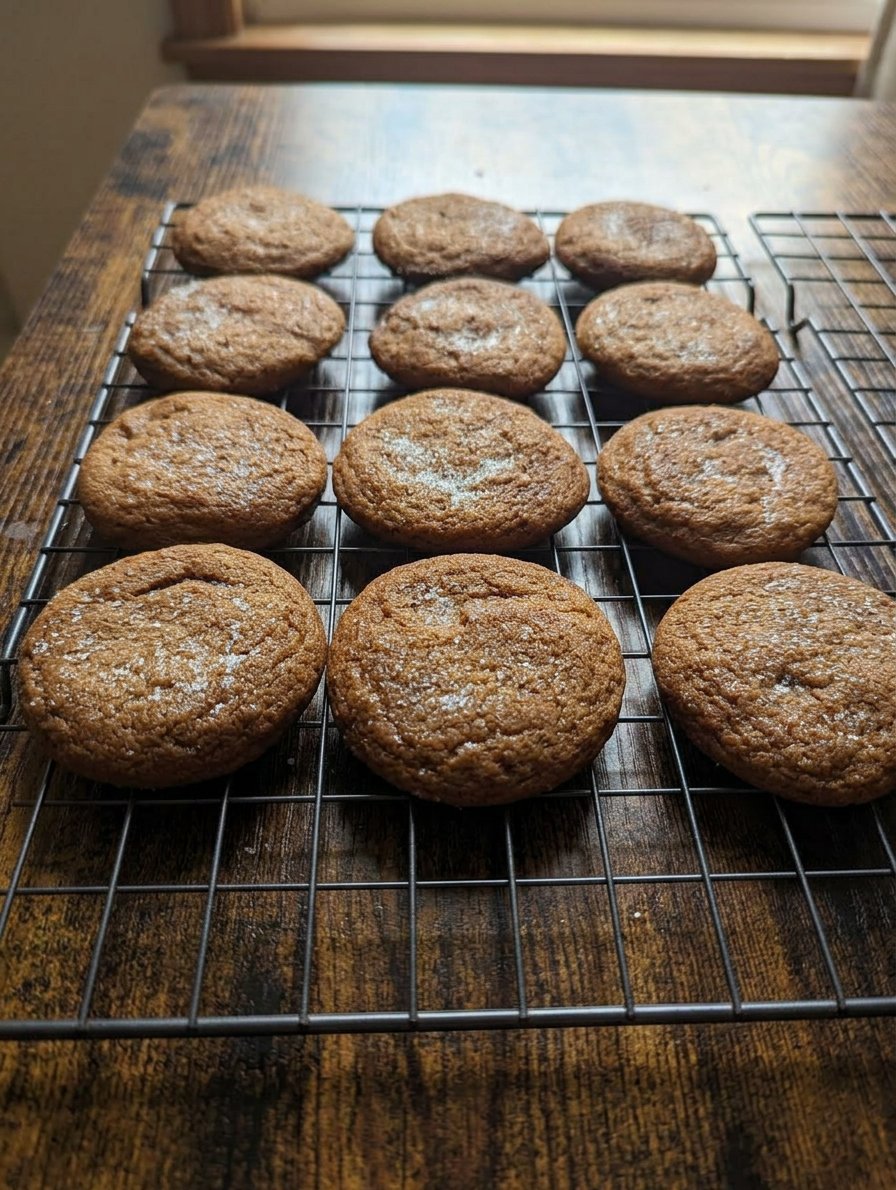
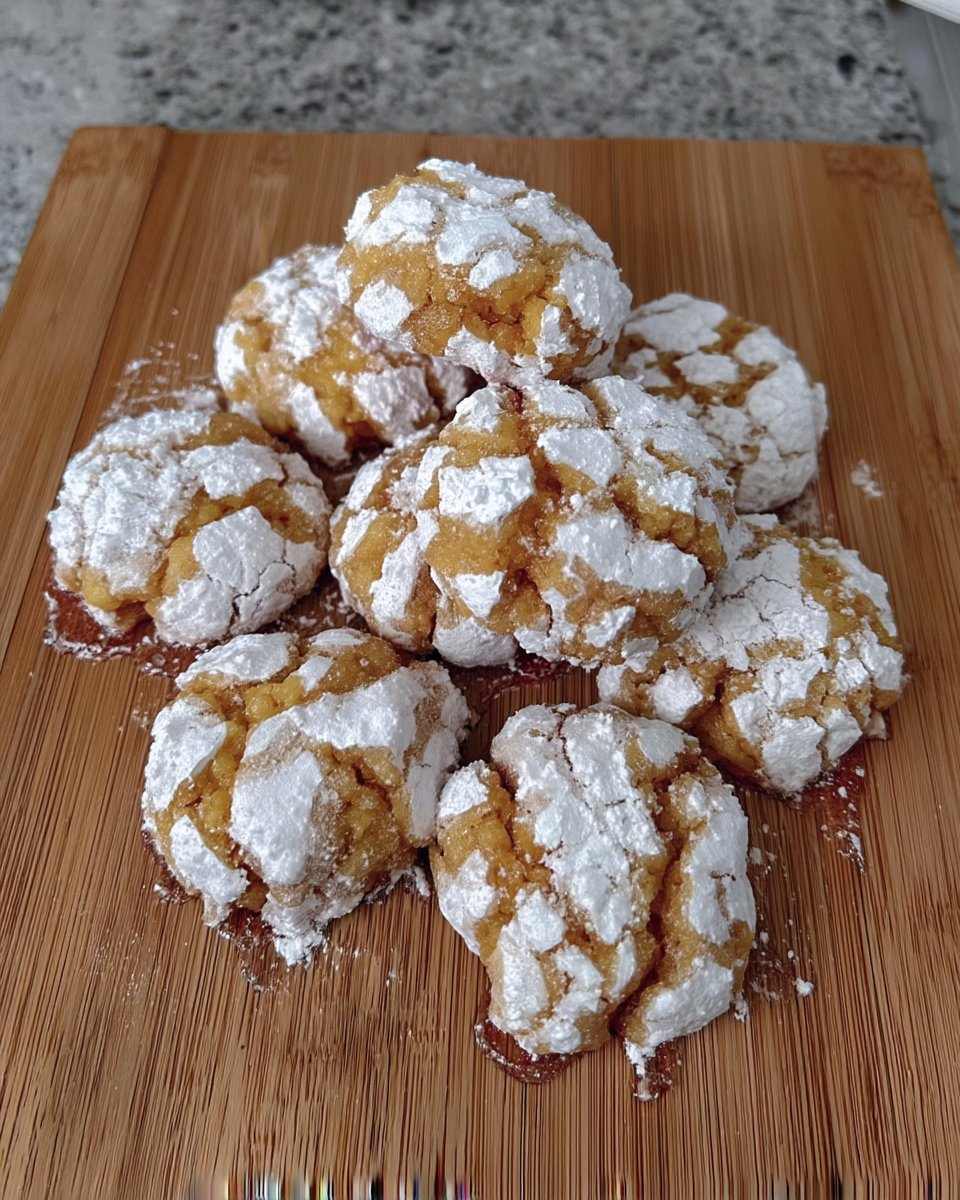
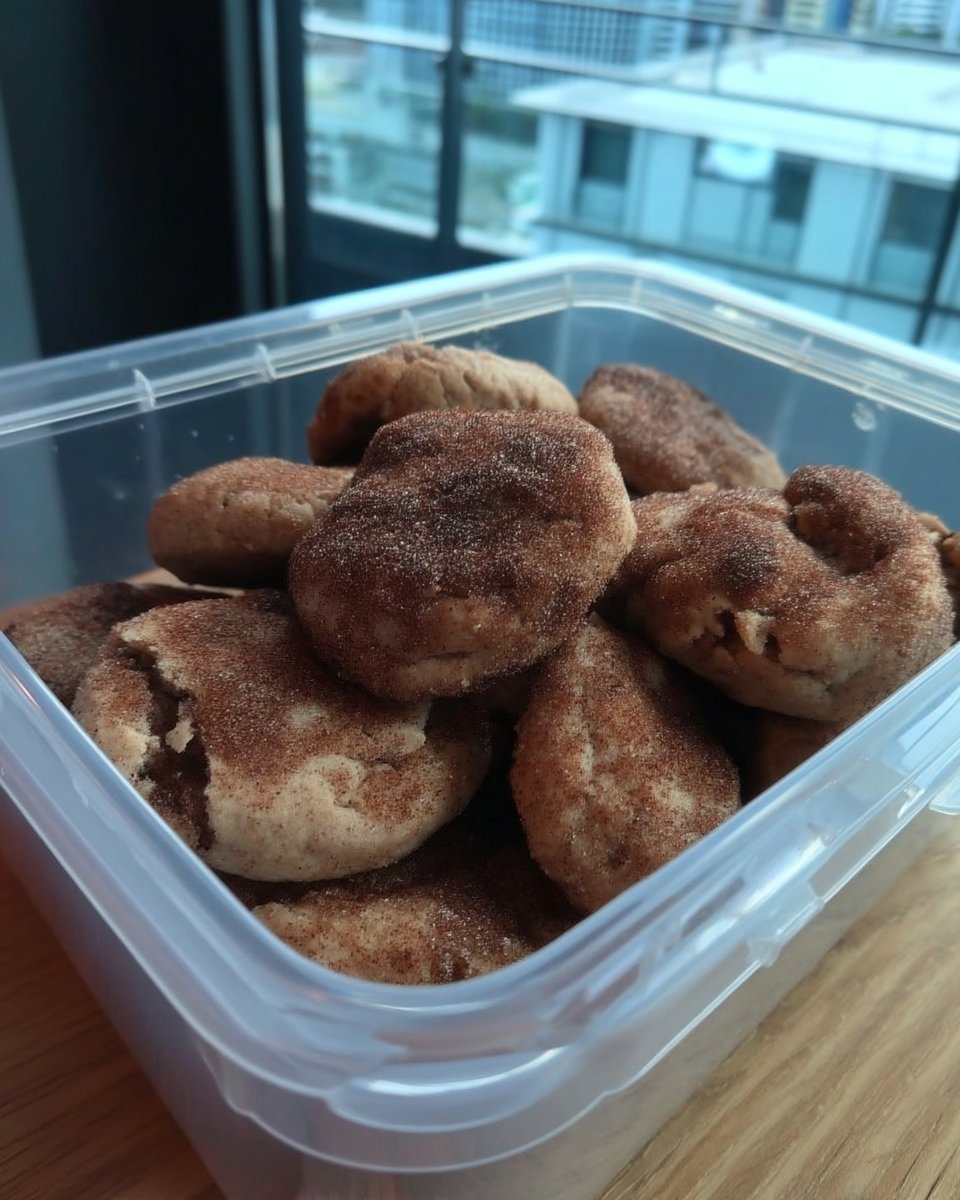
In our test kitchen, we spent weeks investigating the precise moisture balance required to replicate a authentic 1940s Siena formula. We discovered that the secret to the iconic cracked surface lies not in the oven temperature, but in the specific drying phase that occurs before baking begins. By allowing the exterior to form a delicate shell, we create a structural tension that results in a beautiful white-gold contrast when the cookie expands.

These almond-based confections represent a masterclass in gluten-free structure, relying on protein-rich egg whites rather than wheat flour. Our scientific approach confirms that a high concentration of almond extract provides the necessary flavor depth to balance the heavy powdered sugar content. When you follow this method, you achieve a marzipan-like interior that remains soft for days, provided the storage chemistry is handled correctly.
The Chemistry of the Perfect Ricciarelli
You will appreciate this recipe because it prioritizes structural integrity over guesswork. The ratio of 2 1/4 cups almond flour to 2 egg whites is calculated to produce a dough that is sticky enough to hold its shape but light enough to remain tender. This specific formula creates a fascinating textural contrast between the crisp, sugar-dusted exterior and the dense, chewy center.
Our testing showed that the addition of 1/2 teaspoon of lemon juice is a breakthrough for stabilization. The acid helps tighten the egg white protein strands, making the meringue less likely to collapse when you fold in the heavy almond flour. This precision leads to a reliable outcome every time, avoiding the common pitfall of a flat or overly dense cookie. It is a spectacular scientific victory for the home baker who values consistency.
Print
Ricciarelli
- Total Time: 80 mins
- Yield: 24 cookies
- Diet: Gluten-Free
Description
Discover the elegance of traditional Italian baking with these soft, almond-based Siena classics. This recipe features a unique drying phase that creates a beautiful cracked sugar crust and a moist, marzipan-like interior that is naturally gluten-free.
Ingredients
- 2 1/4 cups finely ground blanched almond flour
- 1 3/4 cups powdered sugar
- 1/2 cup extra powdered sugar for coating
- 1/4 teaspoon salt
- 1/4 teaspoon baking powder
- 2 large egg whites, room temperature
- 1/2 teaspoon lemon juice
- 1 tablespoon almond extract
- 1 teaspoon vanilla extract
- 1 teaspoon orange zest
Instructions
- Whisk together the almond flour, 1 3/4 cups powdered sugar, salt, and baking powder in a medium bowl until no clumps remain.
- In a stand mixer, beat the egg whites and lemon juice on medium-low for one minute, then increase to medium-high until stiff, glossy peaks form.
- Fold the almond extract, vanilla extract, and orange zest into the meringue until combined.
- Using a fine-mesh sieve, sift the almond flour mixture into the whites in three batches, gently folding with a silicone spatula after each addition to form a sticky dough.
- Roll the dough into 1-inch balls, coat them heavily in the extra powdered sugar, and shape them into ovals on a parchment-lined baking sheet.
- Allow the cookies to rest at room temperature for 30 to 60 minutes until a dry shell forms on the surface.
- Preheat the oven to 300°F (150°C), then flatten the cookies slightly and pinch the corners to create surface fissures before baking for 20 minutes.
Notes
For the best results, ensure your egg whites are at room temperature to achieve maximum volume and stability. If your kitchen is particularly humid, extend the drying time until the cookies feel completely matte and firm to the touch before baking to ensure the signature cracks develop correctly.
- Prep Time: 60 mins
- Cook Time: 20 mins
- Category: Dessert
- Method: Baking
- Cuisine: Italian
The Ricciarelli Formula
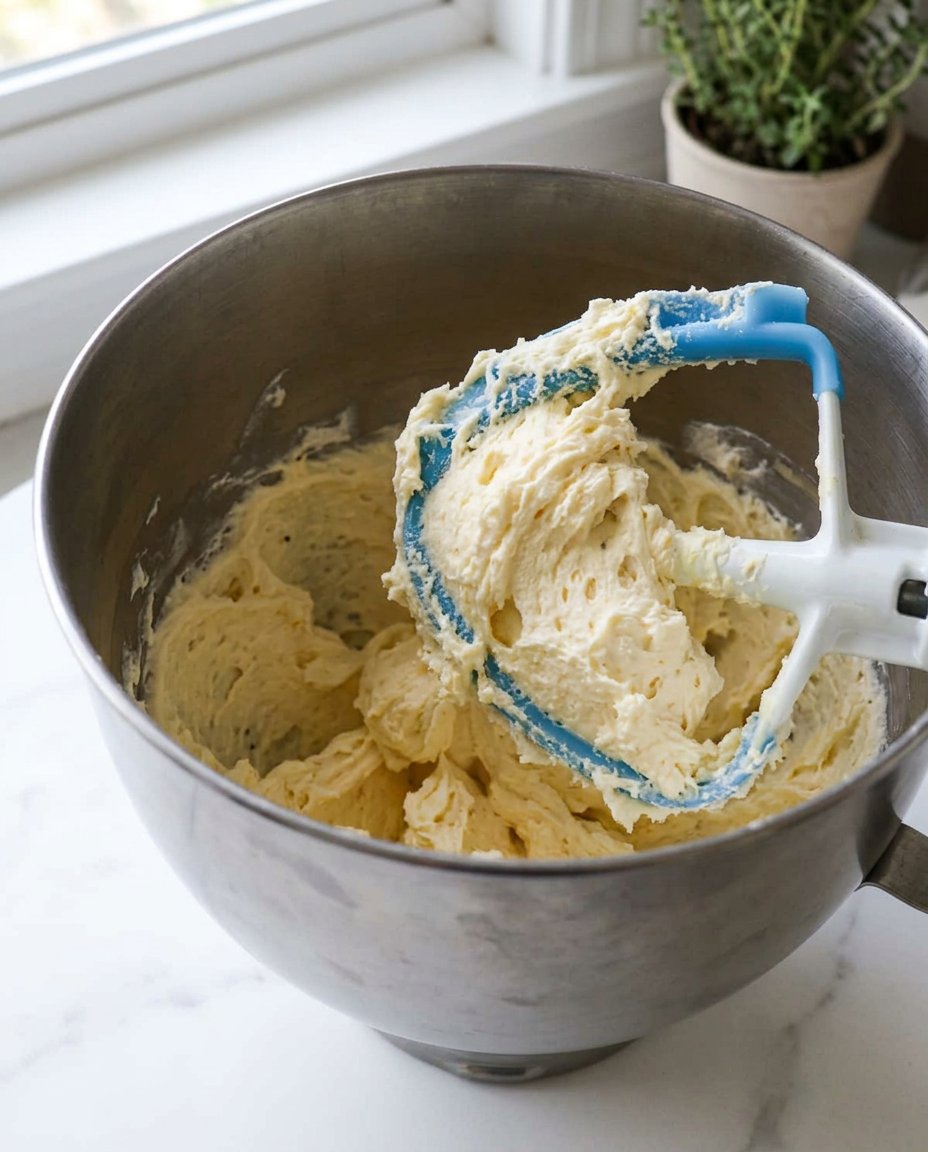
To achieve the perfect Siena-style results, every ingredient must be selected for its chemical contribution to the final structure. We recommend using finely ground, blanched almond flour for the most professional crumb.
- Almond Flour (2 1/4 cups): This provides the bulk of the structure and the essential healthy fats that keep the cookie moist.
- Powdered Sugar (1 3/4 cups): We use powdered sugar instead of granulated because the fine particles integrate better with the egg whites without creating a gritty texture.
- Egg Whites (2 large): These act as the primary leavening agent and structural binder. Room temperature whites reach stiff peaks more effectively than cold ones.
- Almond Extract (1 tablespoon): While this seems like a high amount, the almond flour itself is relatively neutral. This concentration is necessary for that bold, professional flavor profile.
- Orange Zest (1 teaspoon): The citrus oils provide a bright top note that cuts through the sweetness of the sugar.
- Lemon Juice (1/2 teaspoon): This acid stabilizes the meringue, preventing structural failure during the folding process.
The Scientific Process
Step 1: Prepare the Dry Foundation
In a medium bowl, combine 2 1/4 cups almond flour, 1 3/4 cups powdered sugar, 1/4 teaspoon salt, and 1/4 teaspoon baking powder. Use a whisk to break up any clumps, as uniform particle size is vital for a smooth dough. Sifting this mixture through a fine-mesh sieve is highly recommended to prevent uneven moisture absorption later.
Step 2: Build the Meringue Structure
Add the 2 egg whites and 1/2 teaspoon lemon juice to the bowl of a stand mixer. Beat at medium-low speed for exactly one minute until the mixture is frothy. Increase the speed to medium-high and continue beating until stiff peaks form. The whites should be glossy and hold their shape firmly when the whisk is lifted. At this stage, fold in the almond extract, vanilla extract, and orange zest.
Step 3: Integrate the Ingredients
Using a fine-mesh sieve, sift the almond flour mixture into the beaten egg whites in three separate batches. Use a silicone spatula to fold each batch gently. The goal is to keep some air in the whites, though the final result will be a sticky dough rather than a light meringue. Do not over-mix, or you will deflate the protein structure entirely.
Step 4: Shape for Precision
Line a baking sheet with parchment paper. With clean, slightly damp hands, roll the dough into balls approximately 1 to 1.5 inches in diameter (aim for 23-25 grams each). Roll each ball in the extra 1/2 cup of powdered sugar until heavily coated. Shape them into ovals and place them on the prepared sheet with at least 2 inches of space between them.
Step 5: The Critical Drying Phase
Leave the cookies at room temperature for 30 to 60 minutes. This allows the sugar and egg whites to form a thin, dry shell on the surface. In humid environments, this may take longer. The cookies are ready when the surface is dry to the touch and no longer sticky. While waiting, preheat your oven to 300℉ (150℃).
Step 6: Create Controlled Cracking
Flatten the cookies slightly and gently squeeze the opposite corners to stretch the surface. This creates small fissures in the dried shell. This technique pre-cracks the cookie, allowing for a more uniform and attractive expansion during the baking process. Bake for 20 minutes exactly. The cookies should be set but remain pale with a slight golden hue on the bottom.
Lauren’s Lab Notes
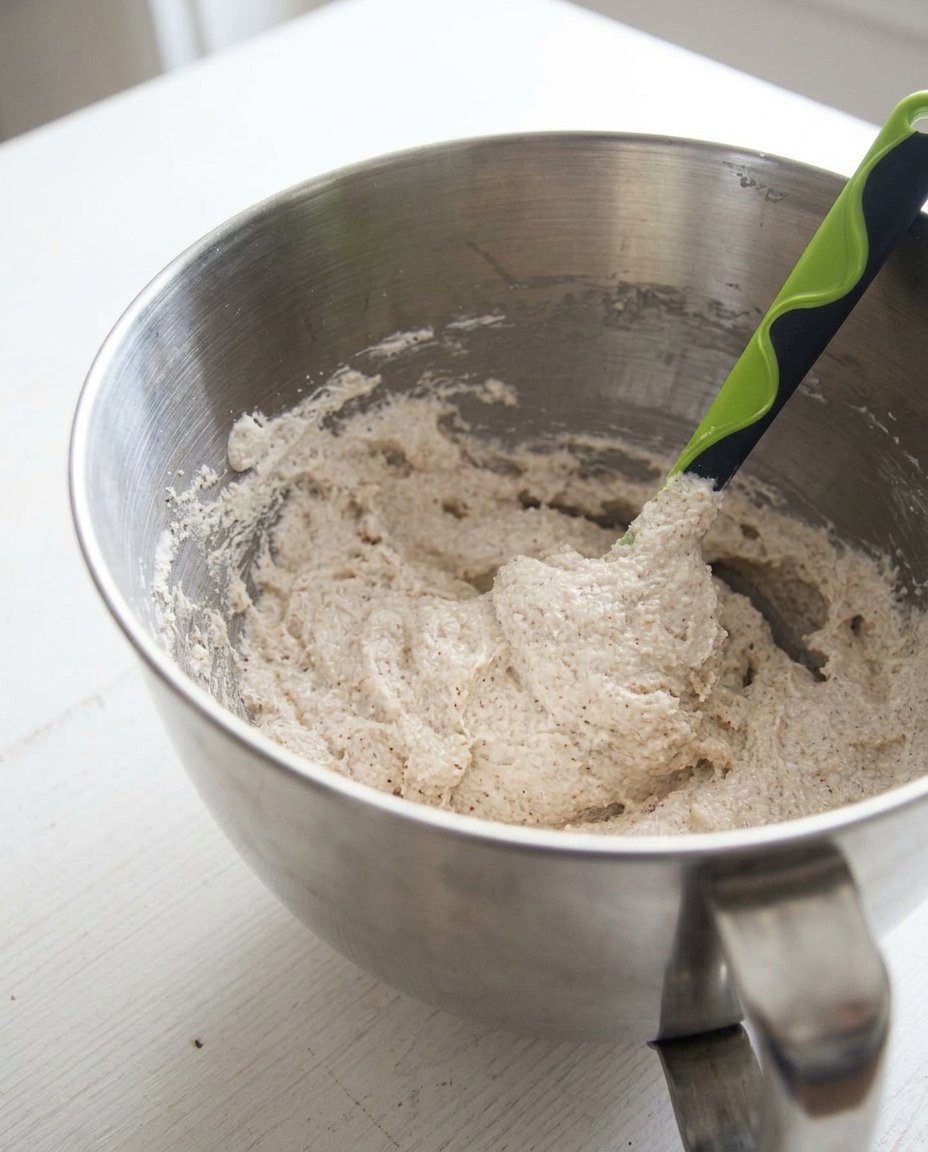
Temperature control is your best friend when working with almond-based doughs. If your kitchen is particularly warm, the fats in the almond flour can begin to soften the dough too much. If the dough feels unmanageable, chill it for 15 minutes before shaping. For those looking for more refined techniques, check out our Effortless Cookie Elegance guide for managing delicate dough textures.
Humidity is the primary variable that can disrupt your results. On rainy days, the drying phase in Step 5 can take up to two hours. You must wait until the shell is completely matte and firm to the touch. For a deeper understanding of traditional Italian methods, you can reference the shaping techniques found in this Ricciarelli study. If your cookies spread too much, it is likely that the egg whites were not beaten to a true stiff peak or the drying phase was skipped.
Tested Variations
We tested several flavor modifications to see how they affected the structural balance of the dough. If you wish to use lemon zest instead of orange, maintain a 1:1 ratio to keep the moisture levels consistent. For a nutty variation, you can replace 1/4 cup of the almond flour with finely ground pistachios. However, because pistachios have a higher fat content, you must reduce the almond extract by 1/2 teaspoon to keep the dough from becoming too soft.
For those interested in more creative flavor profiles, our Artisan Cookie Collection offers several similar gluten-free options. If you decide to add cocoa powder for a chocolate version, replace 2 tablespoons of almond flour with 2 tablespoons of high-quality cocoa. This keeps the dry-to-wet ratio perfectly balanced, which is vital for preventing the cookies from collapsing in the center during the cooling process.
Pairing Notes
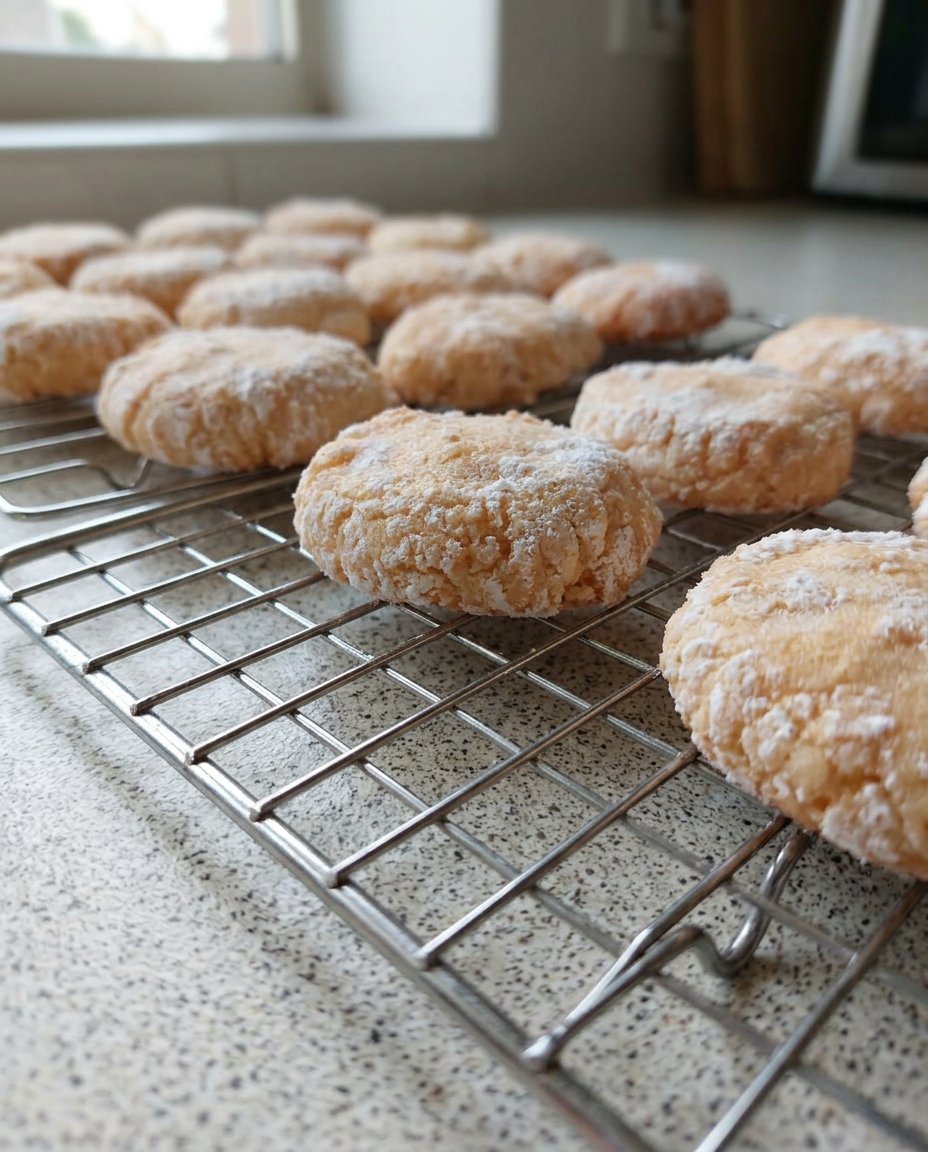
These cookies reach their peak flavor approximately 24 hours after baking. During this time, the moisture redistributes from the center to the edges, creating a more uniform chewiness. We recommend serving them with a strong espresso or a traditional Italian dessert wine like Vin Santo. The acidity in the coffee or the sweetness of the wine complements the nutty almond base beautifully.
If you are planning a dessert platter, these pair remarkably well with items from our Cookie Decorating Studio. The bright white appearance of the powdered sugar makes them a stunning addition to any holiday table. For the best experience, serve them at a room temperature of approximately 70°F (21°C) to allow the almond oils to remain supple and fragrant.
The Scientific Truth
Mastering the Ricciarelli is a victory for any home baker who appreciates the intersection of tradition and chemistry. By respecting the drying time and the protein structure of the egg whites, you can create a professional-grade treat that honors the 1940s origins of the recipe. For more inspiration on seasonal baking, view our Seasonal Cookie Design series. We encourage you to keep testing these ratios in your own kitchen to find your perfect flavor balance. Share your baking triumphs with us on Instagram or join our community on Facebook and Pinterest to see how other bakers are finding success with these Siena classics.