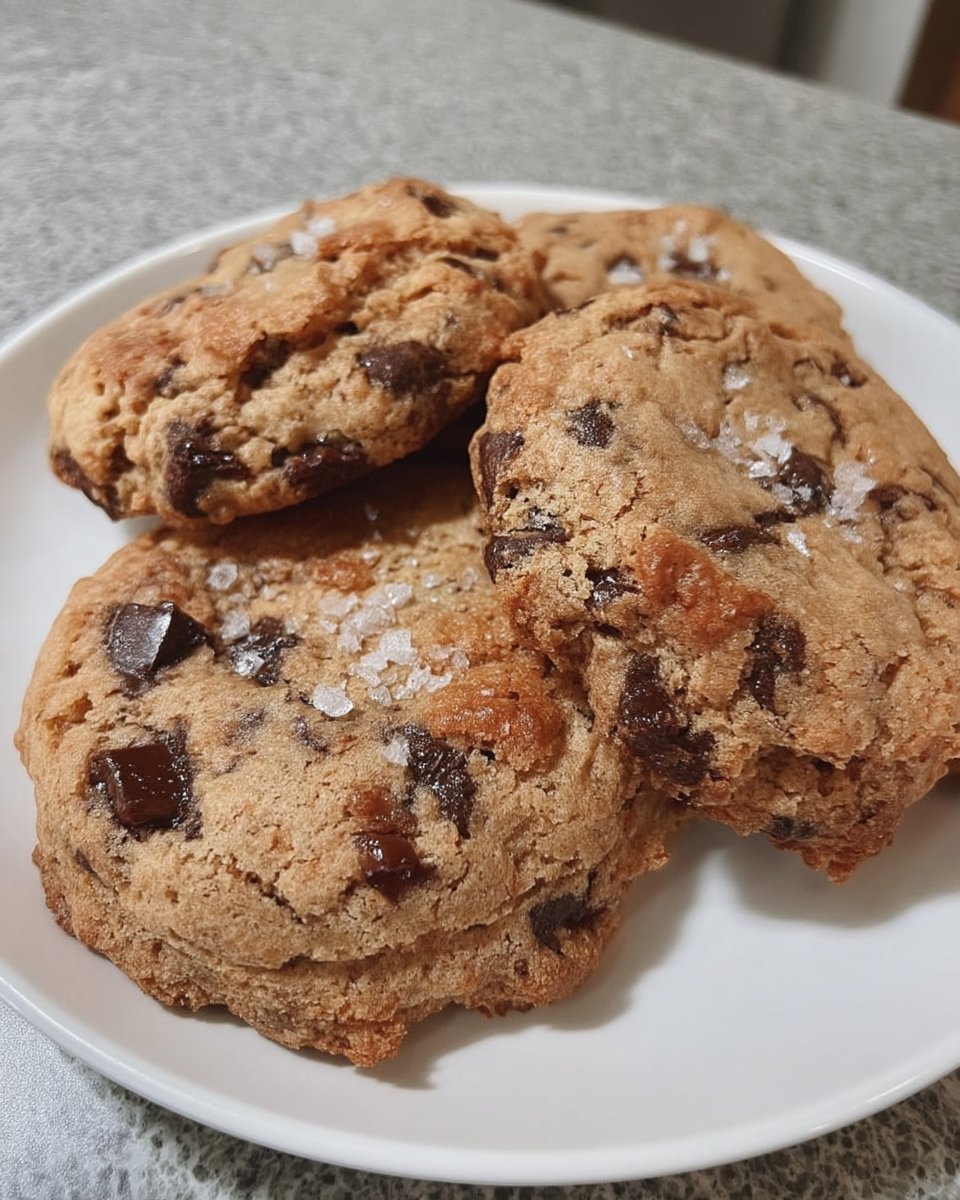
In our test kitchen, we meticulously measured the hydration levels of the dough to prevent shrinking during the bake. We found that precisely 415 grams of flour provides the structural scaffold needed to support the high butter content without losing the intricate cut-out shapes. By controlling the temperature of the butter at exactly 65°F (18°C), we achieved the perfect aeration during the creaming stage to support the cookie’s lift.

These Raspberry Linzer Cookies represent a triumph of architectural baking, balancing a tender, spiced shortbread with a vibrant fruit center. The inclusion of orange zest and specific ratios of nutmeg and cloves creates a flavor profile that is both complex and scientifically balanced. This method prioritizes stability, so your delicate windows remain sharp and clean after exiting the oven.
The Science of Structural Sweetness
This recipe succeeds because it respects the chemistry of shortcrust pastry. The high fat content from 250 grams of unsalted butter creates a physical barrier between the flour’s proteins, preventing excessive gluten development. This results in a short texture that breaks cleanly rather than stretching, providing a satisfying snap followed by a melt-on-the-tongue finish.
The addition of caster sugar is a deliberate choice for its fine crystal size. Unlike larger granulated crystals, caster sugar dissolves more quickly during the creaming process, which creates a tighter, more uniform crumb structure. You will appreciate how the acidity of the raspberry jam cuts through the richness of the butter, creating a sensory experience that is perfectly calibrated. The spice blend of cinnamon, nutmeg, and cloves provides a warm aromatic base that complements the bright citrus notes of the orange zest.
Print
Raspberry Linzer Cookies
- Total Time: 55 mins
- Yield: 24 cookies
- Diet: Vegetarian
Description
These elegant Raspberry Linzer Cookies combine a spiced, citrus-infused shortbread with a vibrant fruit center for a perfect balance of flavor and texture. Using precise scientific techniques for the dough ensures a crisp, clean finish that makes these classic treats as beautiful as they are delicious.
Ingredients
- 415g all-purpose flour
- 1/2 tsp baking powder
- 1 tsp ground cinnamon
- 1/2 tsp ground nutmeg
- 1/4 tsp ground cloves
- 1/4 tsp fine salt
- 250g unsalted butter, softened to 65°F (18°C)
- 160g caster sugar
- Zest of 1 orange
- 1 large egg (50-55g), room temperature
- 1 tsp vanilla extract
- 150g raspberry jam
- Powdered sugar, for dusting
Instructions
- Whisk together the flour, baking powder, cinnamon, nutmeg, cloves, and salt in a large bowl to ensure even distribution.
- In a separate bowl, cream the softened butter, caster sugar, and orange zest with an electric mixer on medium speed for 3 minutes until light and fluffy.
- Add the egg and vanilla extract to the butter mixture, mixing until a stable emulsion is formed.
- Gradually fold the dry ingredients into the wet mixture using a spatula, mixing only until a cohesive dough forms to avoid over-working.
- Divide the dough into two portions and roll each between sheets of baking paper to a thickness of 7mm (1/4-inch), then refrigerate for 30 minutes.
- Preheat the oven to 200°C (400°F) or 180°C (355°F) for fan-forced ovens and line trays with baking paper.
- Cut the chilled dough into 6cm (2 1/4-inch) circles, removing the centers from half of the cookies to create windows.
- Bake for 10 minutes, rotating the tray halfway through, until edges are lightly golden; allow to cool completely on the tray.
- Dust the windowed cookies with powdered sugar, apply a teaspoon of jam to the solid bases, and gently sandwich the pieces together.
Notes
For the most cohesive texture, allow the assembled cookies to rest for 24 hours before serving; this allows the moisture from the jam to create a perfect, tender bite. If your kitchen environment is warm, always return the dough to the refrigerator between rolling and cutting to maintain the sharp edges of your cookie shapes.
- Prep Time: 45 mins
- Cook Time: 10 mins
- Category: Dessert
- Method: Baking
- Cuisine: Austrian
The Linzer Formula and Chemistry
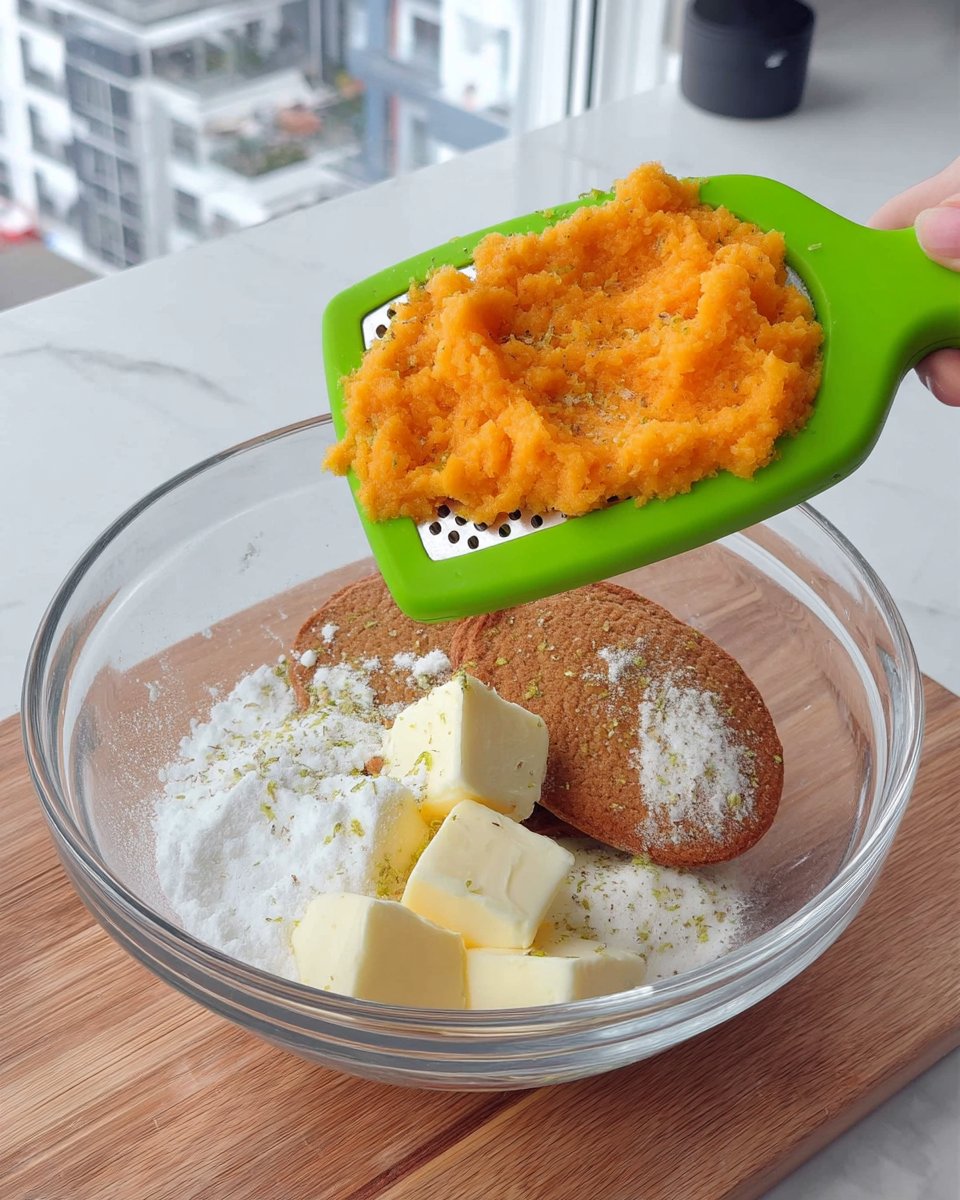
To achieve the perfect balance of flavor and structure, each ingredient must be measured by weight. Our testing shows that volume measurements can vary by up to 20%, which is the difference between a tender cookie and a dry one.
- All-Purpose Flour (415g): This provides the medium protein content (typically 10-11%) required to build enough structure to hold the sandwich together without making the cookie tough.
- Unsalted Butter (250g): Use high-quality butter with at least 82% fat content. The water content in lower-quality butter can cause the cookies to spread too much.
- Caster Sugar (160g): Also known as superfine sugar, it incorporates better into the fat for a smoother dough.
- Spices (Cinnamon, Nutmeg, Cloves): These spices contain volatile oils that are activated by the heat of the oven, deepening the flavor profile as the cookies bake.
- Orange Zest: The citric acid and oils in the zest provide a chemical counterpoint to the sweetness of the jam.
- Raspberry Jam (150g): Look for a jam with a high fruit-to-sugar ratio. The pectin in the jam helps it set properly so it does not leak out of the cookies.
- Egg (50-55g): A large egg at room temperature acts as the emulsifier, binding the fats and liquids into a stable dough.
The Scientific Process
Step 1: Combine Dry Ingredients for Distribution
To a large mixing bowl, add the 415g of flour, 1/2 tsp baking powder, 1 tsp ground cinnamon, 1/2 tsp ground nutmeg, 1/4 tsp ground cloves, and 1/4 tsp fine salt. Use a whisk to combine these thoroughly. This step is critical to prevent “clumps” of leavening or spice, which would create uneven air pockets or “hot spots” of flavor in the finished crumb.
Step 2: Cream Butter, Sugar, and Zest
Add the softened butter (65°F/18°C), 160g caster sugar, and the zest of one orange to a large mixing bowl. Use an electric hand mixer to whip on medium speed for exactly 3 minutes until the mixture is light and fluffy. This aeration process creates tiny air bubbles that the baking powder will later expand. Add the egg and vanilla extract, mixing until the emulsion is stable and well combined.
Step 3: Integrate Dry Ingredients and Form Dough
Add half of the flour mixture to the creamed butter and mix using a spatula. Incorporate the remaining flour mixture and mix just until a cohesive dough forms. Over-mixing at this stage will develop gluten, leading to a rubbery texture. Split the dough into two equal portions and shape them into discs or balls.
Step 4: Rolling for Uniform Thickness
Place one portion of dough between two sheets of baking paper. Use a rolling pin to roll the dough to a precise thickness of 7mm (1/4-inch). Using baking paper instead of extra flour prevents the dough from becoming dry and tough. Place the rolled dough on a tray and refrigerate for 30 minutes to allow the butter to solidify and the gluten to relax.
Step 5: Thermal Calibration
Preheat your oven to 200°C (400°F) for conventional ovens or 180°C (355°F) for fan-forced ovens. Proper preheating is essential for the immediate expansion of the dough’s air cells. Line two large baking trays with high-quality baking paper to prevent sticking and ensure even heat distribution.
Step 6: Precision Cutting
Use a 6cm (2 1/4-inch) round cookie cutter to cut the chilled dough. For half of the circles, use a smaller cutter to remove the centers. Work quickly while the dough is cold to maintain the geometric integrity of the shapes. If the dough warms up, return it to the fridge for 10 minutes before continuing.
Step 7: The Bake Cycle
Bake on the middle rack one tray at a time for 10 minutes. The cookies are done when the edges are a very light golden brown. Rotate the tray at the 5-minute mark to account for any oven hot spots. Allow the cookies to cool completely on the tray to let the structure fully set before moving them.
Step 8: Surface Finishing
Place the cooled cookies with the center holes on a cooling rack. Dust them generously with powdered sugar. Doing this before assembly prevents the sugar from dulling the vibrant red color of the raspberry jam.
Step 9: Sandwich Assembly
Apply approximately 1 teaspoon of raspberry jam to the flat side of the solid cookie bases. Place the sugar-dusted window cookies on top. Press very gently to create a seal without cracking the delicate shortbread.
Lauren’s Lab Notes for Precision
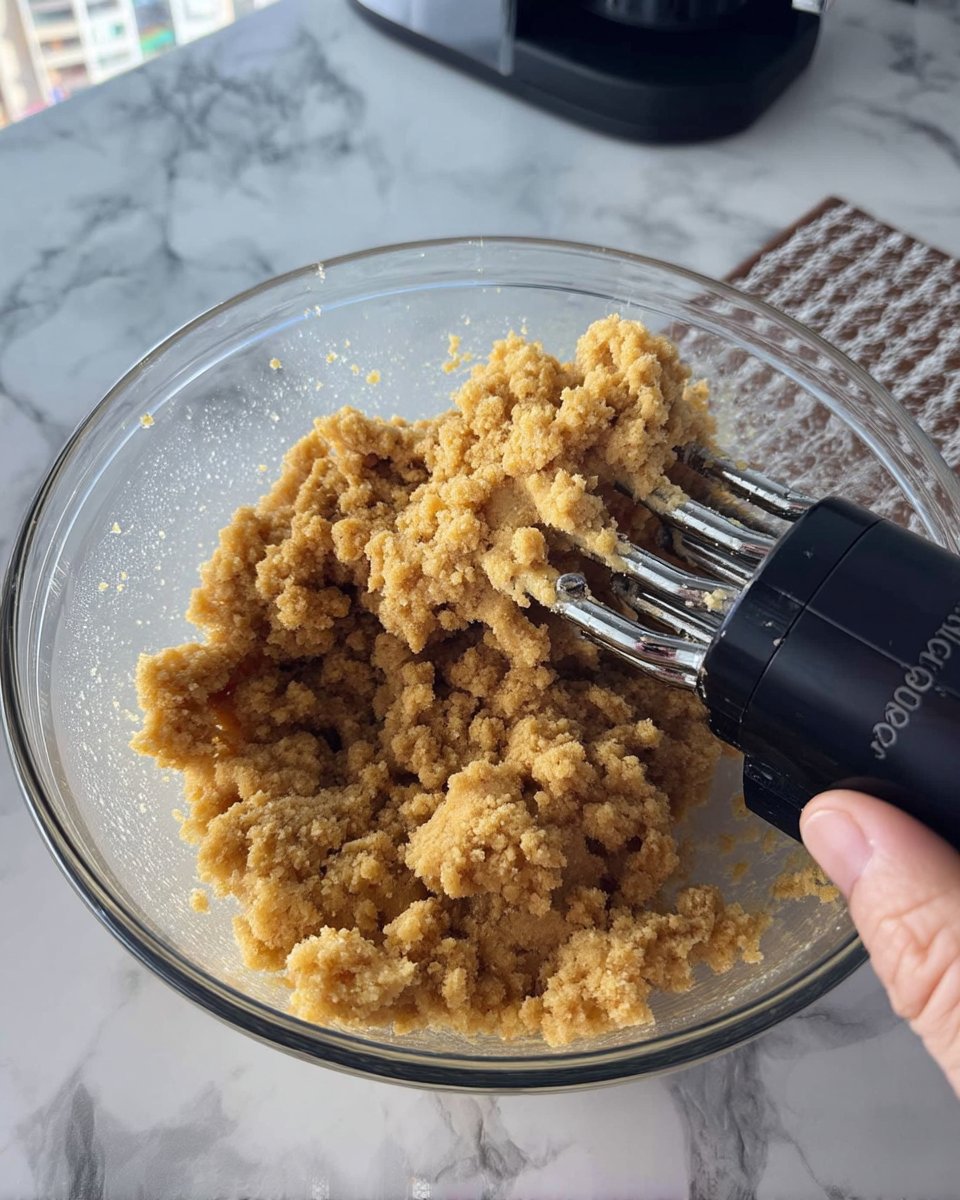
Temperature control is the most frequent point of failure in Raspberry Linzer Cookies. If your kitchen is warmer than 72°F (22°C), your dough will become sticky and difficult to handle. Always chill the dough after rolling but before cutting to make sure the shapes remain crisp. If you notice the cookies spreading too much in the oven, it is likely that the butter was too warm or the oven was not fully preheated.
For those looking to master different styles of baking, you can find more technical guidance in our Artisan Cookie Collection. Another vital tip is to check the internal temperature of your cookies; they should reach roughly 175°F (80°C) to guarantee the moisture has evaporated sufficiently for a crisp finish. If your jam is too thin, simmer it on the stove for 5 minutes to reduce the water content before using it as a filling.
Tested Flavor Tweaks and Scientific Options
While raspberry is traditional, you can substitute other fruit preserves. If you choose to use apricot jam, increase the orange zest by 50% to balance the higher sugar content of the fruit. For a nutty variation, you can replace 50g of the all-purpose flour with finely ground almond meal. However, because almond meal has a higher fat content, you should reduce the butter by 10 grams to keep the dough from becoming too greasy.
You can find more inspiration for seasonal adjustments in our guide to Seasonal Cookie Design. Another tested variation involves using lemon zest and blackberry jam for a sharper flavor profile. When making these swaps, keep the 7mm thickness consistent to maintain the baking times calculated in our test kitchen.
Flavor Maturation and Pairing Science

Raspberry Linzer Cookies are unique because their flavor and texture actually improve 24 hours after assembly. This time allows the moisture from the jam to migrate slightly into the cookie, softening the center while the edges remain crisp. This process, known as moisture equilibration, creates a more cohesive bite.
Serve these cookies at room temperature to allow the fats in the butter to soften, which carries the spice flavors more effectively across the palate. They pair exceptionally well with a bitter black tea or a sharp espresso, as the tannins in the drink provide a clean finish to the buttery sweetness. For more tips on presenting your bakes, visit our Cookie Decorating Studio. Remember that salt enhances sweetness; a tiny pinch of flaky salt on top of the jam window can make the raspberry flavor pop.
The Scientific Truth of Heritage Baking
Success with Raspberry Linzer Cookies comes from respecting the precision of the measurements and the timing of the cooling process. By following these test kitchen-approved steps, you can create a cookie that honors tradition while utilizing modern structural chemistry. For more innovative recipes that focus on the science of flavor, check out our Trending Cookie Creations. You can also find technical visual guides for this recipe at The Scran Line. We invite you to share your results with our community of precision bakers on Facebook, Instagram, and Pinterest. Keep testing and keep baking.