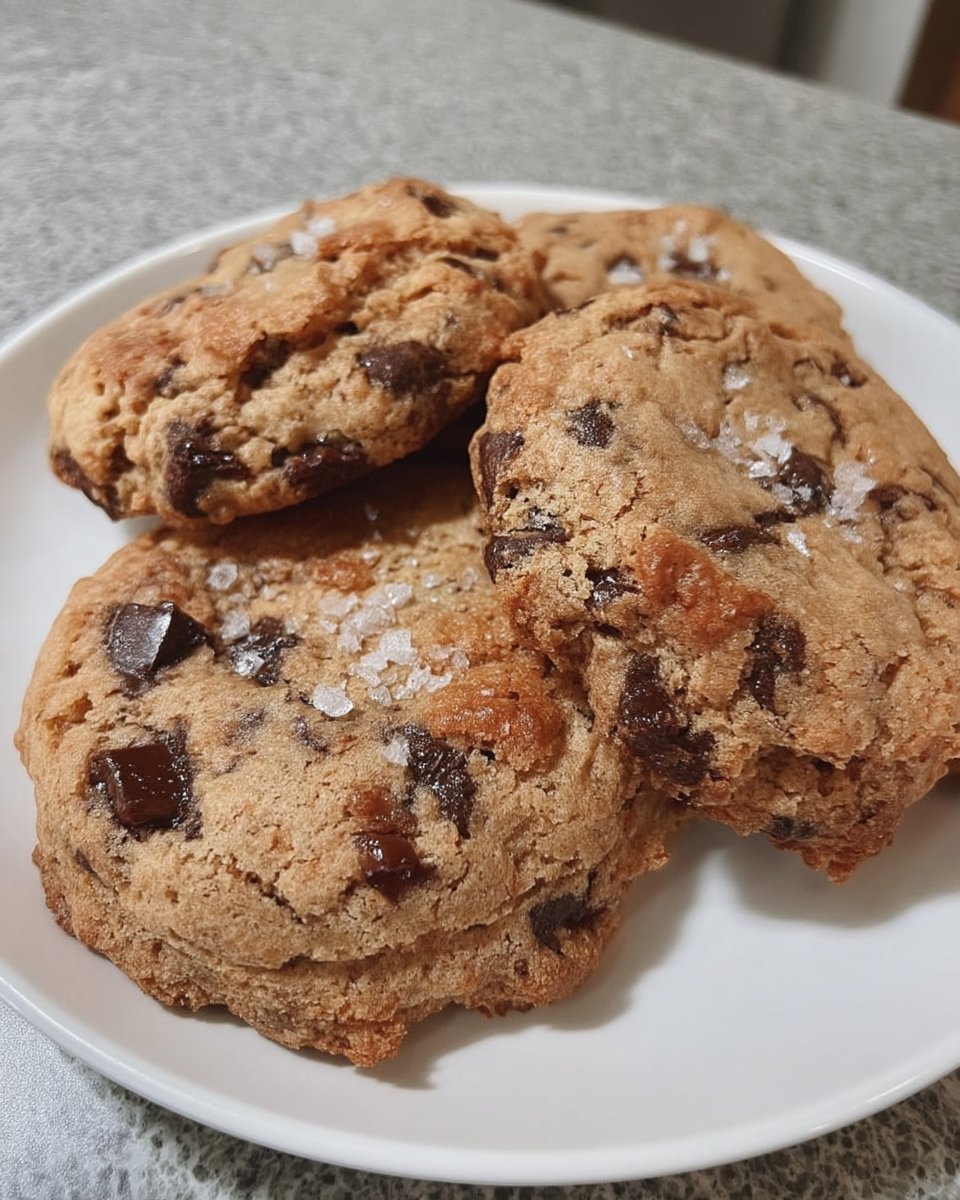
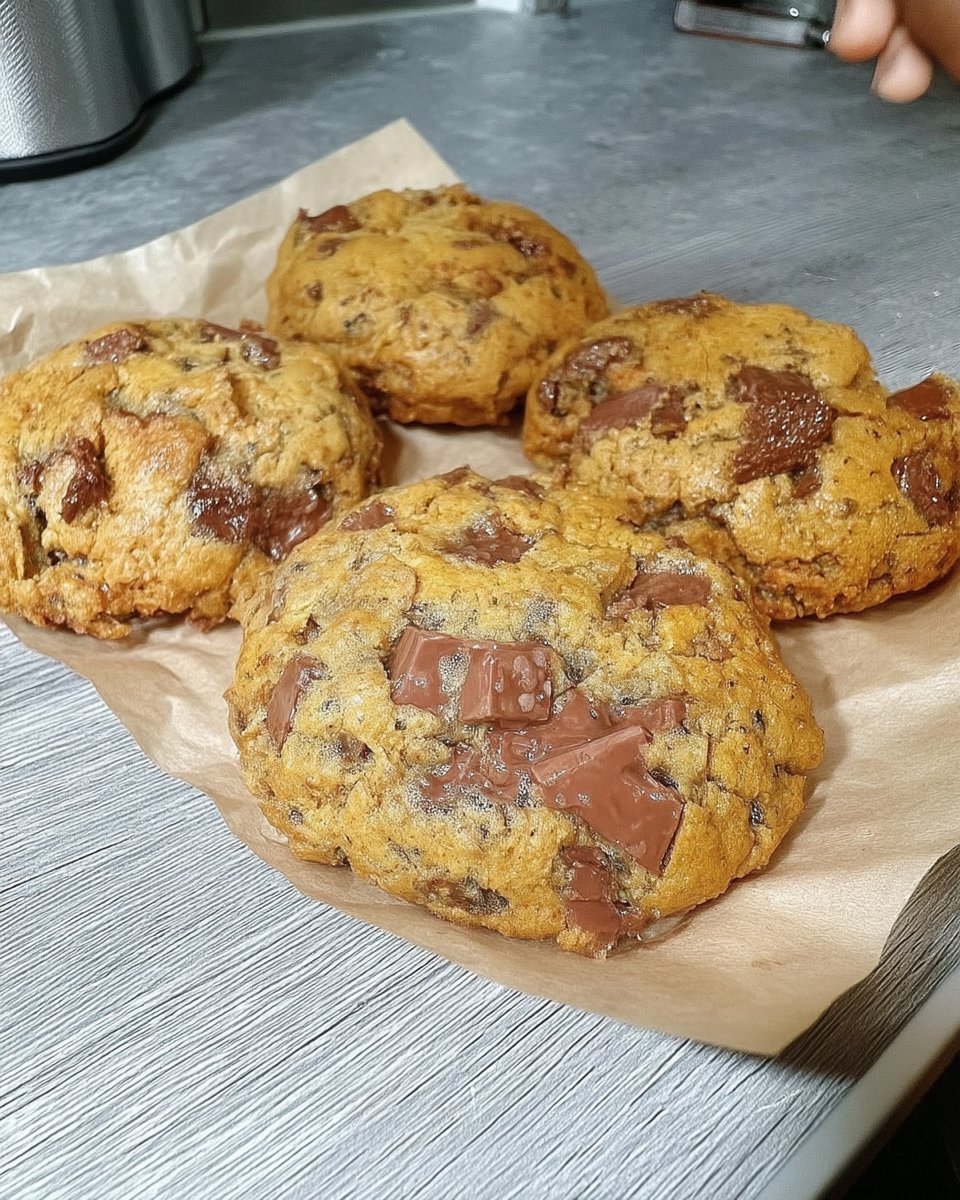
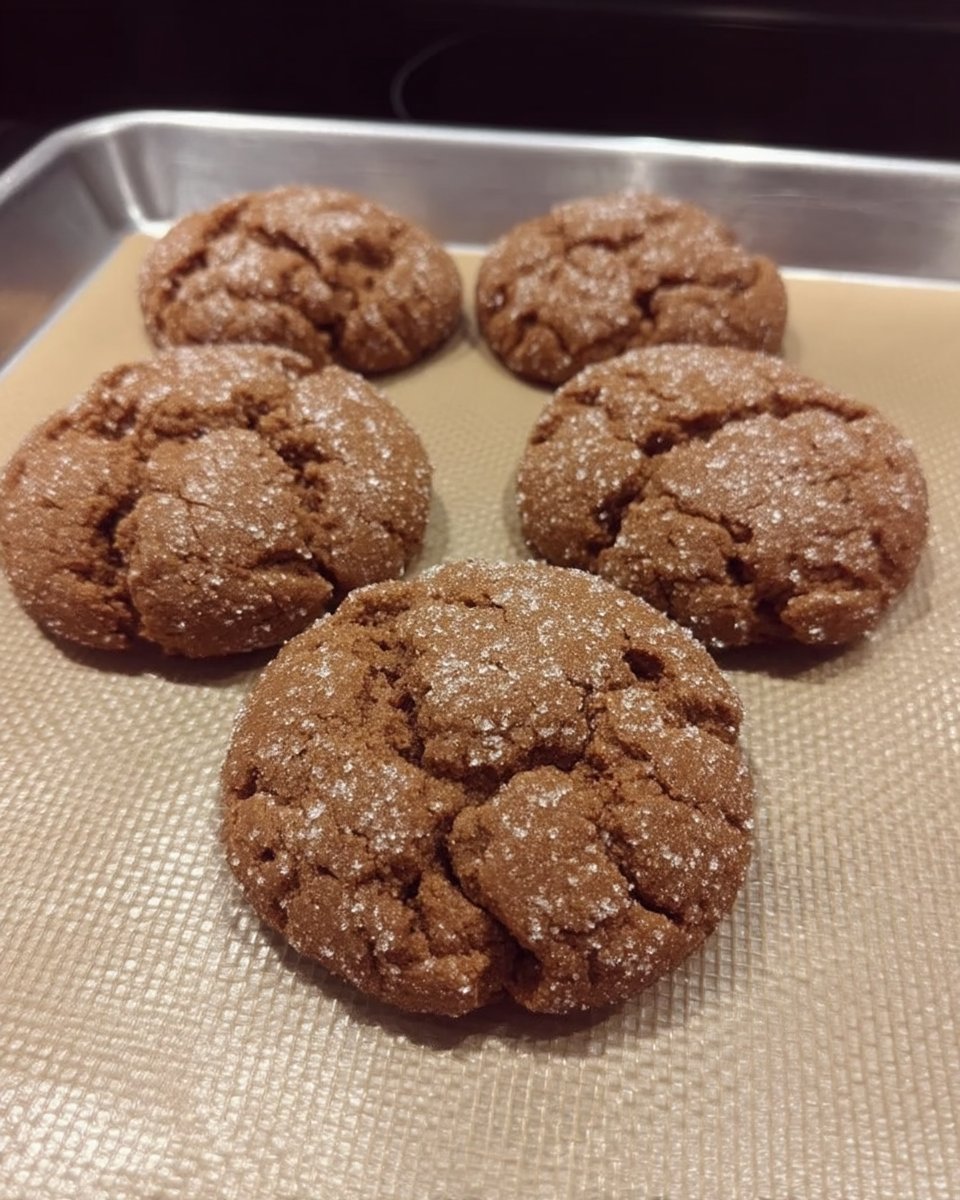
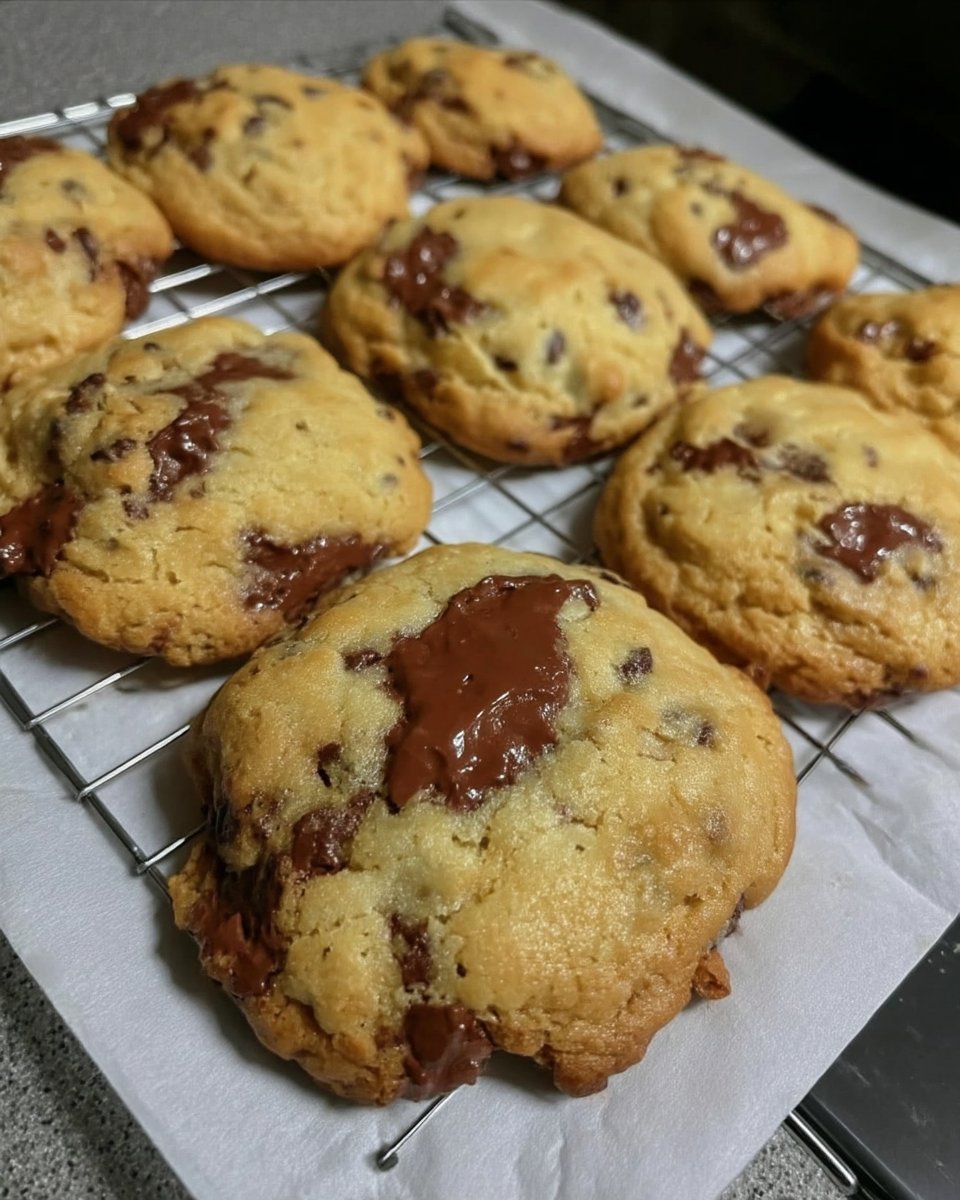
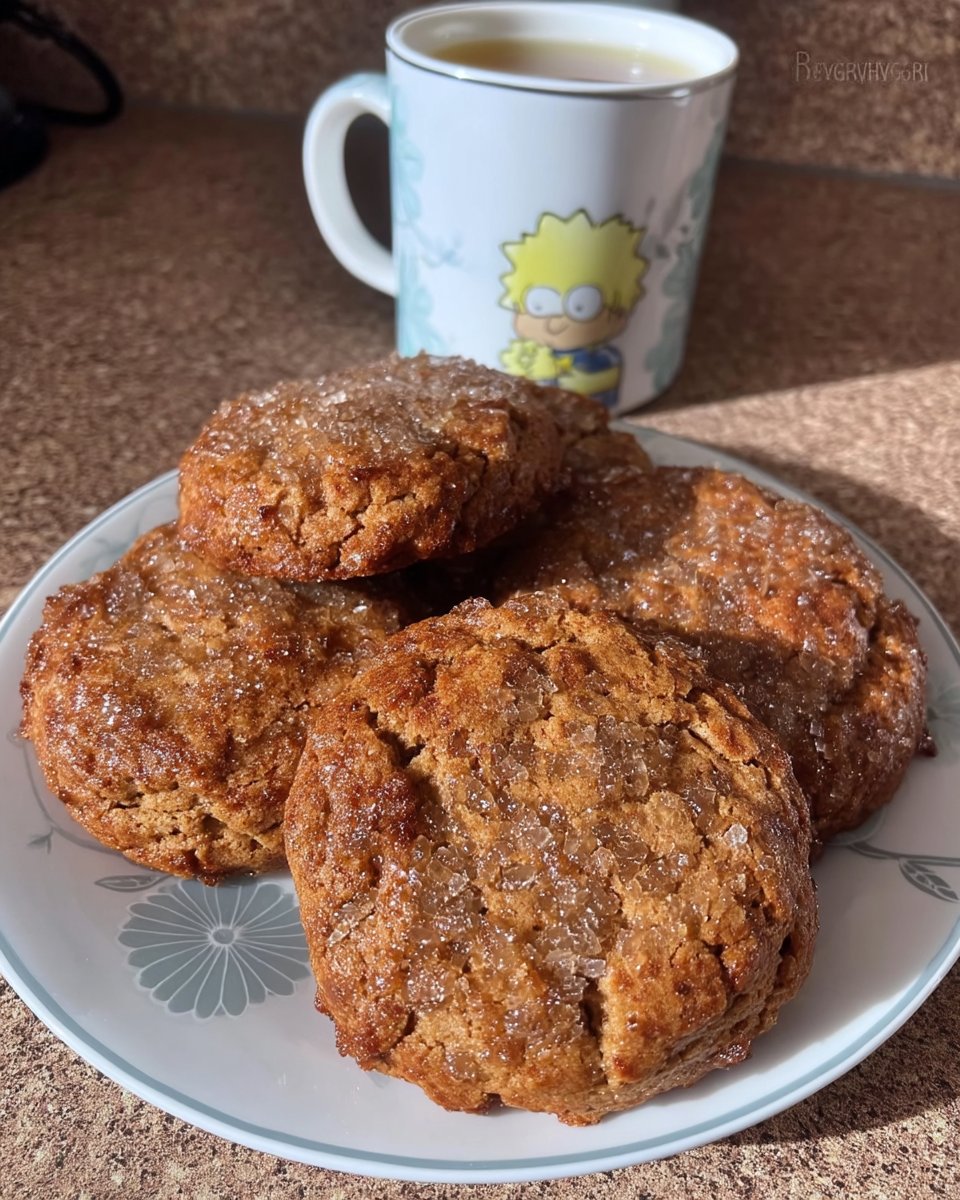
In our latest round of testing, we focused on the hydration rates of old-fashioned oats versus quick oats to solve the common issue of cookies spreading too thin. We found that allowing the dough to rest for just ten minutes allows the oats to absorb moisture from the butter effectively. This Oatmeal Scotchies recipe is the result of that rigorous testing, delivering a structurally sound cookie with a chewy center and crisp edges.

These cookies balance the deep, caramel notes of butterscotch morsels with the earthy warmth of cinnamon. By using a higher ratio of brown sugar to granulated sugar, we introduce extra acidity and moisture, reacting with the baking soda to create a soft, thick crumb that holds its shape beautifully while maintaining that classic nostalgic flavor.
Precision Meets Nostalgia
The magic of this recipe lies in the balance of moisture and absorption. Oatmeal is highly hygroscopic, meaning it absorbs water readily. By calibrating the fat content from the butter and the hydration from the eggs, we achieve a texture that is crisp on the edges yet undeniably chewy in the center. The addition of cinnamon isn’t just for flavor; it provides a subtle aromatic complexity that cuts through the sweetness of the butterscotch, creating a scientifically balanced bite.
Print
Oatmeal Scotchies
- Total Time: 25 mins
- Yield: 24 cookies
- Diet: Vegetarian
Description
These Oatmeal Scotchies combine the deep, caramel notes of butterscotch with the earthy warmth of cinnamon for a nostalgic treat. Utilizing a precise hydration method and high brown sugar content, they offer a perfect balance of chewy centers and crisp, golden edges.
Ingredients
- 270g old-fashioned oats
- 226g unsalted butter, softened
- 150g all-purpose flour
- 300g butterscotch flavored morsels
- 1 cup dark brown sugar, packed
- 1/2 cup granulated sugar
- 2 large eggs
- 1 teaspoon vanilla extract
- 1 teaspoon baking soda
- 1/2 teaspoon salt
- 1/2 teaspoon ground cinnamon
Instructions
- Preheat oven to 375°F (190°C) and line a baking sheet with parchment paper.
- In a medium bowl, whisk together the flour, baking soda, salt, and cinnamon until well combined.
- In a stand mixer or large bowl, cream the softened butter, dark brown sugar, and granulated sugar for 2–3 minutes until light and fluffy.
- Add the eggs one at a time, followed by the vanilla, and beat until the mixture is fully emulsified.
- Turn the mixer to low and add the flour mixture, mixing until only a few streaks of flour remain to avoid over-mixing.
- Fold in the oats and butterscotch morsels manually with a spatula, then let the dough rest for 10 minutes to allow the oats to hydrate.
- Portion the dough into two-tablespoon mounds and place them 3 inches apart on the prepared baking sheet.
- Bake for 10 minutes until the edges are golden; let the cookies cool on the pan for 5–10 minutes to fully set.
Notes
For the most consistent results, always measure your flour and oats by weight using a kitchen scale rather than by volume. If you find the cookies are spreading too much, ensure your butter was not overly melted during the creaming stage, and consider chilling the dough for an additional 15 minutes before baking. A light sprinkle of sea salt immediately after baking can help cut through the sweetness of the butterscotch.
- Prep Time: 15 mins
- Cook Time: 10 mins
- Category: Dessert
- Method: Baking
- Cuisine: American
The Formula for Success
- Old-Fashioned Oats (270g): Do not substitute with instant or quick oats. The structural integrity of the whole oat is necessary for the correct chew and rise. Quick oats will absorb moisture too fast, drying out the dough.
- Butter (226g, Softened): We use unsalted butter to control the sodium levels precisely. If you must use salted, reduce the added salt by 1/4 teaspoon. The temperature should be around 65°F (18°C) for optimal creaming.
- Dark Brown Sugar: The molasses content here adds moisture and acidity, activating the baking soda for a better rise and deeper flavor profile.
- Butterscotch Flavored Morsels (300g): The star flavor driver. These chips create pockets of caramel-like sweetness throughout the dense oat structure.
- AP Flour (150g): The protein structure. Weigh this carefully; too much flour leads to a dry, crumbly puck.
- Cinnamon & Vanilla: The aromatic compounds that round out the flavor profile and bridge the gap between the oats and the sugar.
The Method: Mixing for Structure
Step 1: Dry Ingredient Integration
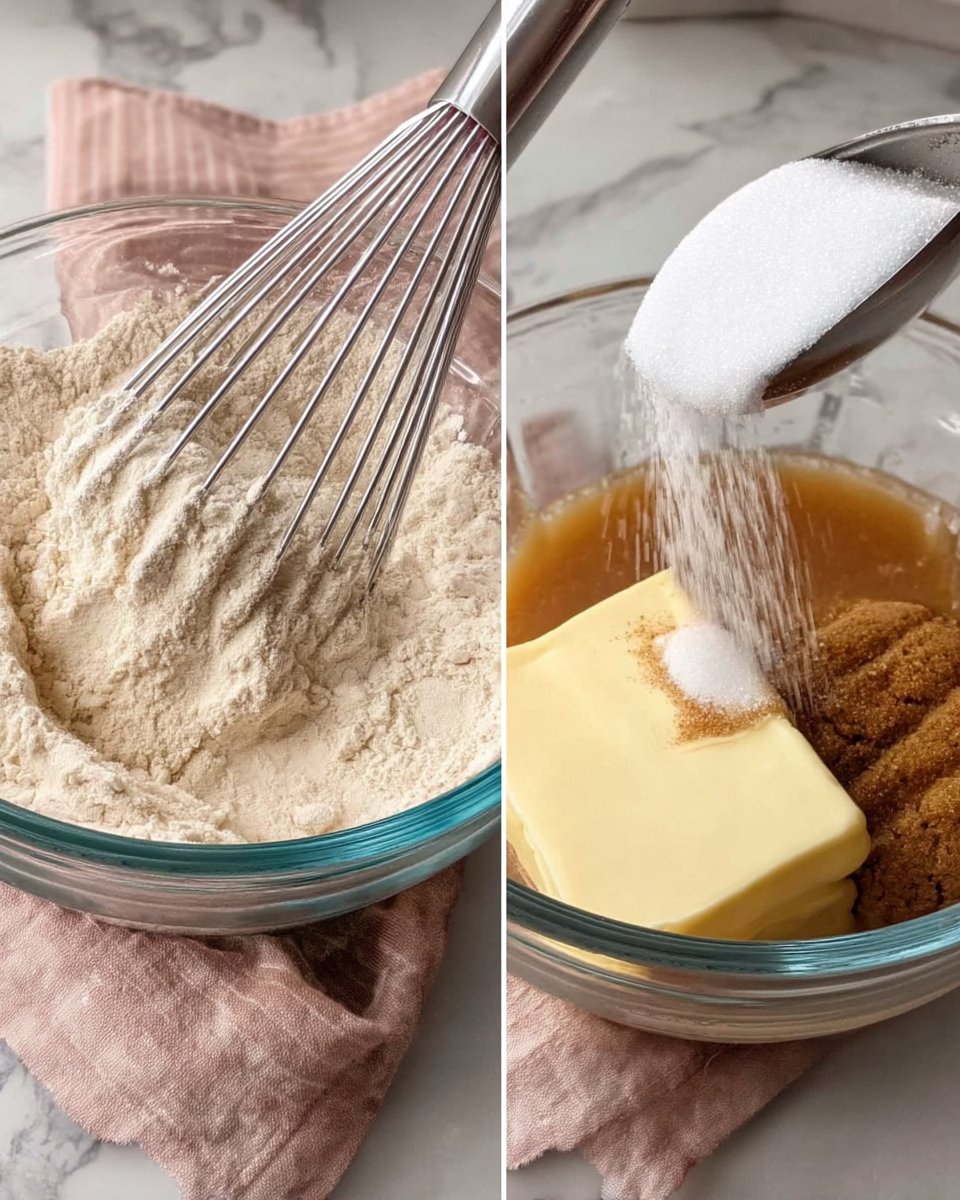
Preheat your oven to 375°F (190°C). In a medium bowl, whisk together the flour, baking soda, salt, and cinnamon. Whisking ensures the leavening agent is evenly distributed, preventing metallic hotspots or uneven rising during the bake.
Step 2: Aeration and Emulsification
In a stand mixer or large bowl, cream the softened butter, brown sugar, and granulated sugar until light and fluffy. This usually takes 2–3 minutes. Scrape down the bowl to ensure no butter adheres to the bottom, then add the eggs one at a time, followed by the vanilla. Beat until fully emulsified.
Step 3: Controlled Mixing
Turn the mixer to low. Add the flour mixture and mix until just barely combined—streaks of flour should remain. Over-mixing at this stage develops too much gluten, resulting in a tough cookie rather than a tender one.
Step 4: Final Fold and Rest
Add the oats and butterscotch morsels. Mix on the lowest setting for just a few seconds. Switch to a spatula to fold in any remaining flour manually. For the best structural result, let the dough rest (or freeze) for 10 minutes to hydrate the oats.
Step 5: Baking
Portion into two-tablespoon mounds on a parchment-lined sheet, spaced 3 inches apart. Bake at 375°F for 10 minutes. The edges should be golden, but the centers might look slightly underdone—they will set as they cool on the pan for 5–10 minutes.
Lauren’s Lab Notes for Consistency
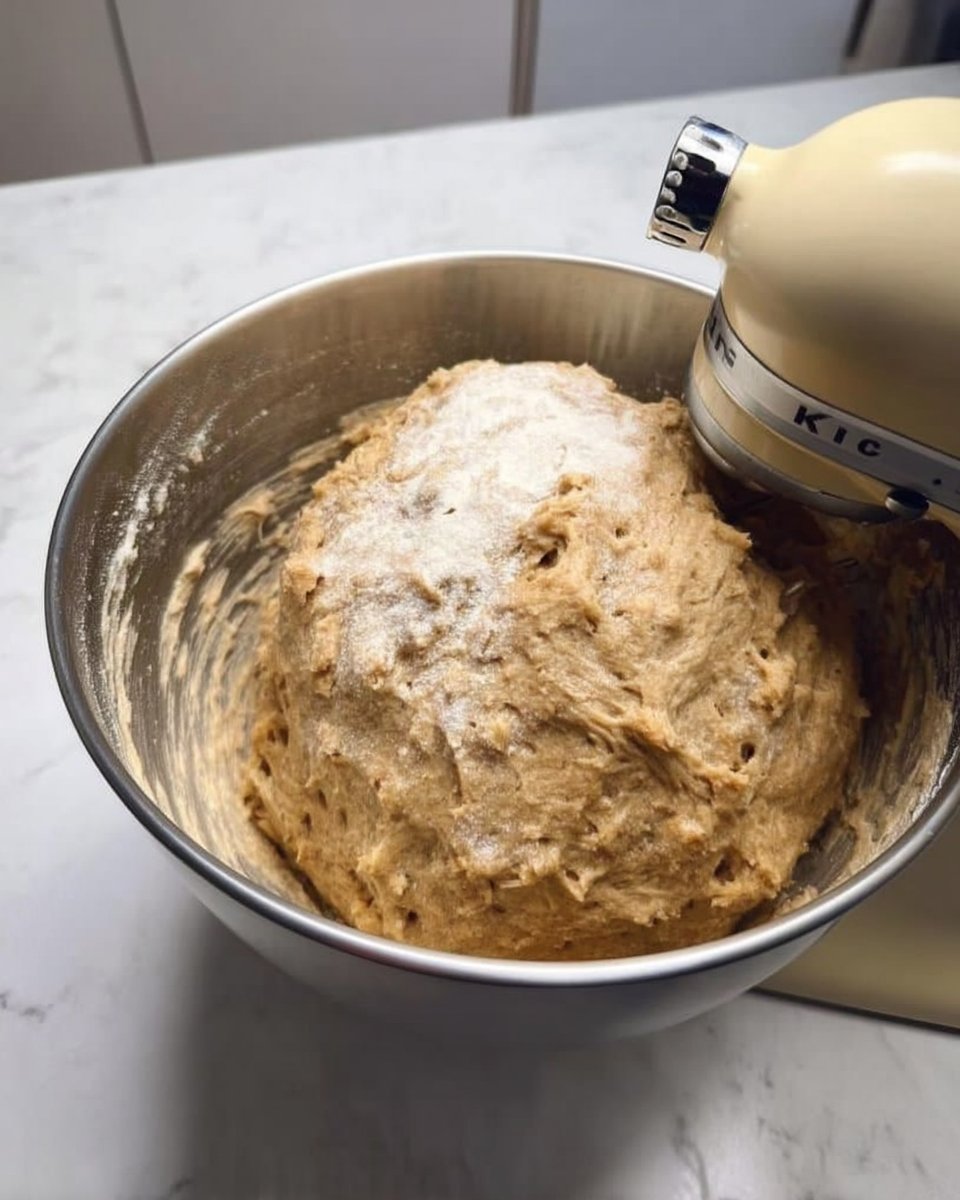
- Hydration is Key: If your cookies are spreading too much, your butter may have been too warm. Pop the dough in the fridge for 15 minutes before baking to solidify the fat.
- Weigh Your Flour: I cannot stress this enough. Using a scale ensures you have exactly 150g of flour. If scooping, fluff the flour first, scoop, and level off with a knife.
- Storage Science: Store these in an airtight container with a slice of bread. The hygroscopic sugar in the cookies will draw moisture from the bread, keeping them soft for days.
- Visual Appeal: For more professional-looking cookies, press a few extra morsels on top before baking. Check our Effortless Cookie Elegance guide for more styling techniques.
Tested Flavor Variables
- Nutty Crunch: Add 1/2 cup of toasted pecans. Toasting releases the nut oils, amplifying the flavor. You may need to reduce the oats by 2 tablespoons to maintain the moisture balance.
- Chocolate Swap: If butterscotch is too sweet, swap half the chips for semi-sweet chocolate. The bitterness balances the sugar profile effectively. For another perspective on this classic, you can compare with Preppy Kitchen’s oatmeal scotchies, though our ratio favors a slightly higher oat content for chewiness.
- Spiced Kick: Increase cinnamon to 1 teaspoon and add a pinch of nutmeg for a holiday profile. See our Trending Cookie Creations for more spiced ideas.
Serving for Flavor Impact
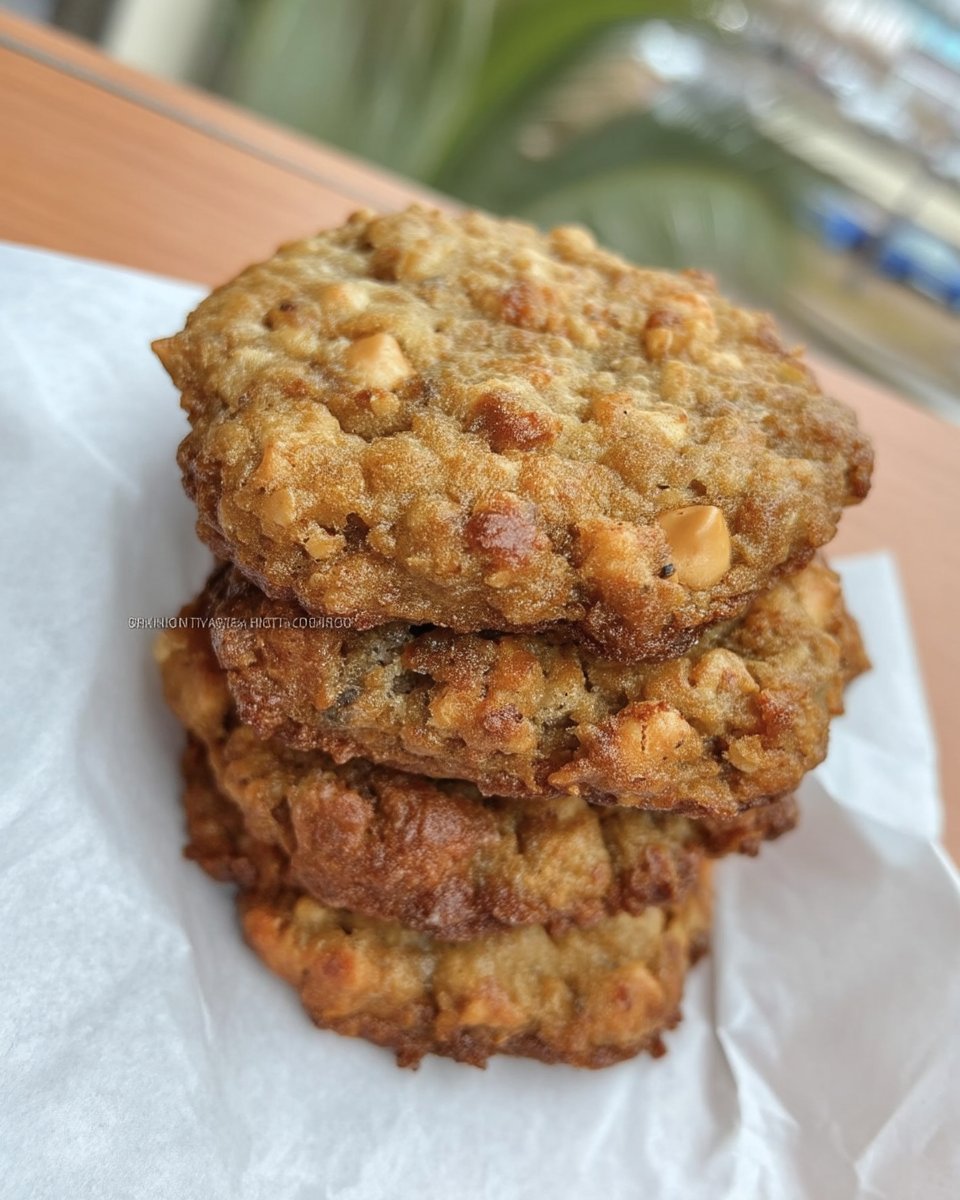
These cookies are chemically at their best when slightly warm, as the cocoa butter or hydrogenated oils in the morsels are in a liquid state, coating the tongue better. Serve with a glass of cold milk to cleanse the palate between bites. For a sophisticated finish, sprinkle a tiny pinch of flaky sea salt on top right after baking to contrast the sweetness. Explore our Artisan Cookie Collection for more plating inspiration.
The Scientific Truth
Mastering Oatmeal Scotchies is about respecting the ratio of dry oats to wet sugar and fat. Once you understand this balance, you can experiment with confidence. We hope this precision-focused guide helps you achieve the perfect batch. If you are looking for more holiday-appropriate bakes, check our Seasonal Cookie Design category.
Share your results with us on social media!