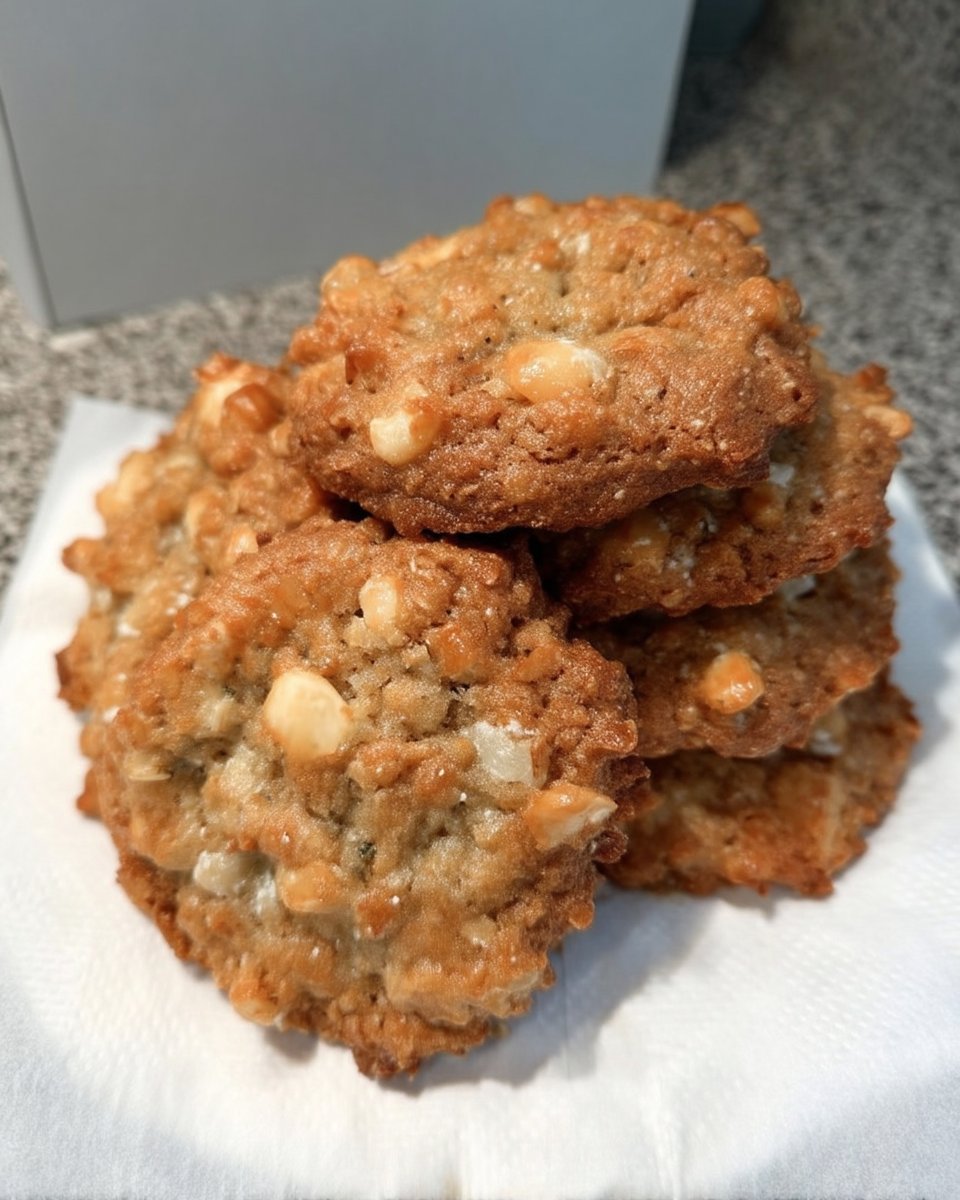
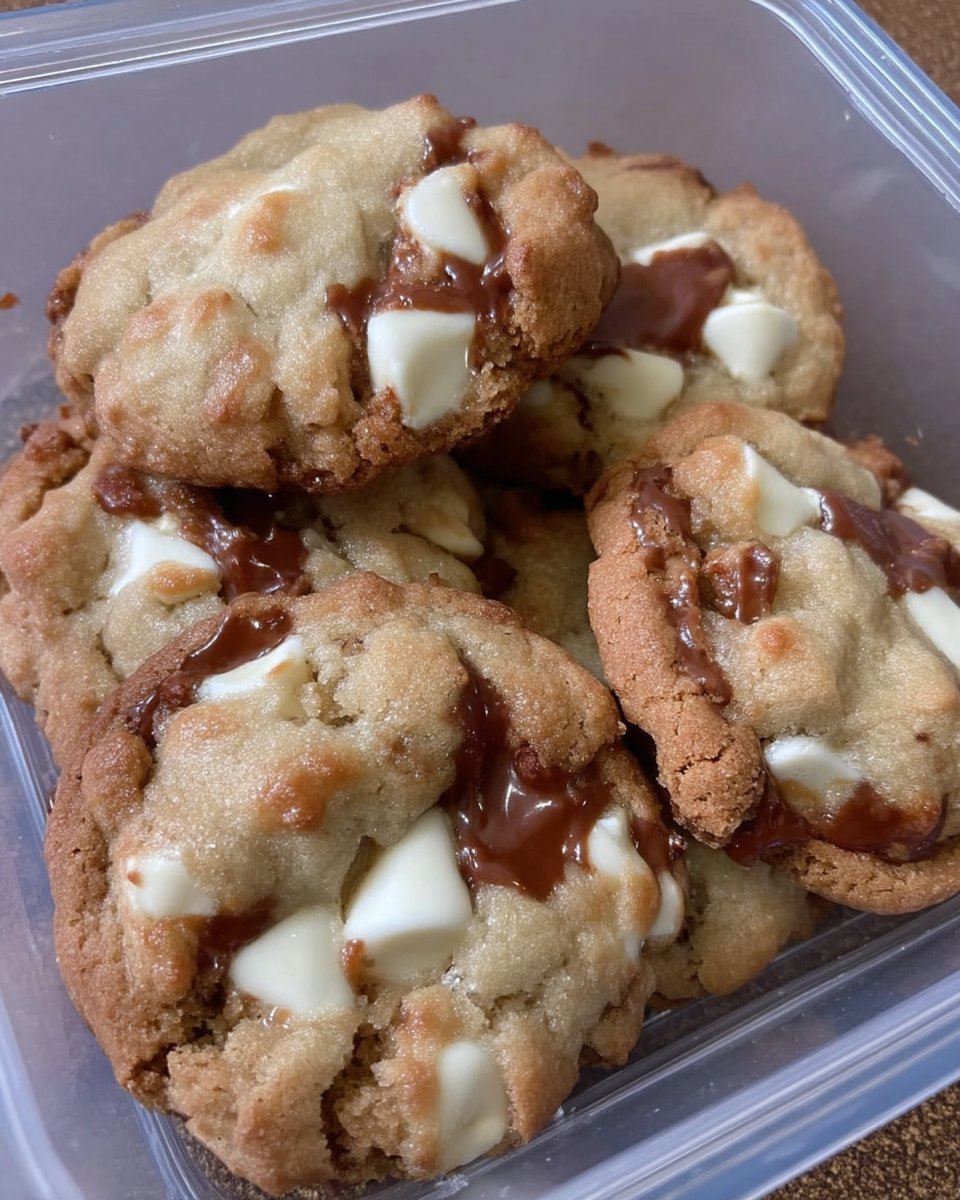
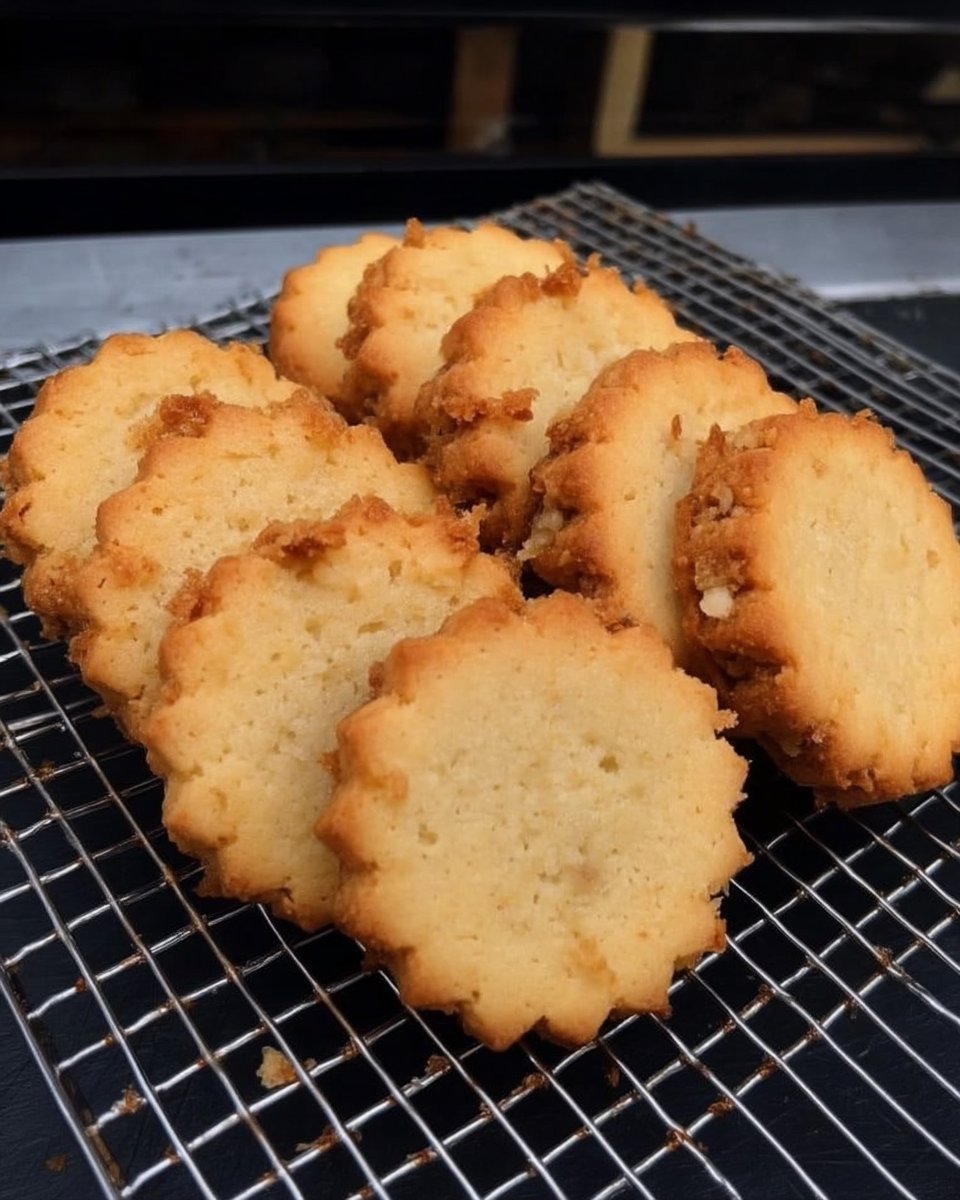
In the Cookies Sweet test kitchen, we recently investigated the threshold of minimalist cookie structures, specifically how a three-ingredient matrix can support internal moisture without collapsing. These Oatmeal Banana Cookies are the result of rigorous testing regarding oat particle size and banana ripeness, proving that even the simplest recipes benefit from scientific precision. We discovered that by altering the physical state of the oats, we could create a reliable binder that rivals traditional flour and egg compositions.

This recipe is designed for those who require a quick, nutritionally dense snack without sacrificing the structural integrity of a proper cookie. By understanding the interaction between the starches in the fruit and the fibers in the oats, you can produce a consistent result every time you bake. This scientific approach transforms a basic snack into a reliable laboratory staple for healthy eating.
The Chemistry of Minimalist Structure
This recipe is a fascinating study in starch gelatinization and fiber hydration. You will love it because it demonstrates how banana starches, when heated to 350°F, act as a primary binding agent in the absence of traditional proteins like eggs. The natural sugars in the fruit undergo a mild caramelization, providing a complex flavor profile that belies the simplicity of the ingredients. Furthermore, the high fiber content of the rolled oats creates a satisfying, chewy texture that maintains its form throughout the baking process. We have meticulously tested the moisture-to-dry-ratio to find the exact point where the cookie remains soft without becoming structurally unstable or overly soggy. This balance is achieved by utilizing the oats in two different physical forms, which allows for both a fine-crumb binder and a coarse-textured bite. It is a triumph of food science that satisfies the palate while adhering to strict nutritional parameters.
Print
Oatmeal Banana Cookies
- Total Time: 22 mins
- Yield: 10 cookies
- Diet: Vegan, Gluten-Free, Dairy-Free
Description
This scientifically-developed recipe utilizes the natural starches of ripe bananas and the dual textures of rolled oats to create a satisfying, chewy cookie without the need for flour or eggs. It is a nutrient-dense snack that balances moisture and structural integrity through precise ingredient preparation.
Ingredients
- 100g rolled oats (split into two 50g portions)
- 240g very ripe bananas (approximately 2–3 medium bananas)
- 0.5 tsp ground cinnamon
- Optional: 1/4 cup peanut butter or 1/2 cup grated carrots
Instructions
- Preheat your oven to 350°F (177°C) and line a baking sheet with parchment paper.
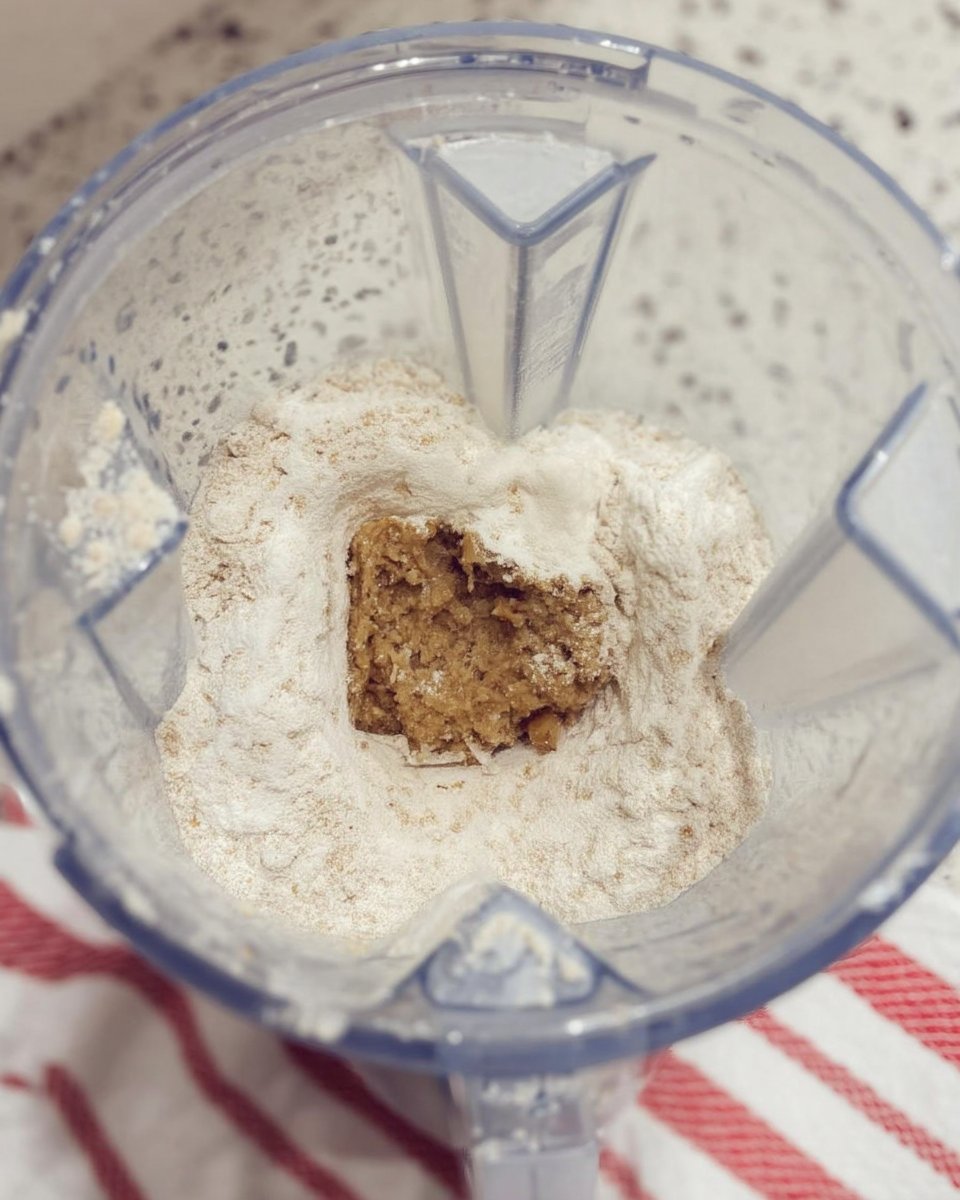
- Process 50g of the rolled oats in a blender or food processor until they reach a fine, flour-like consistency.
- In a large bowl, mash the bananas until fluid, then fold in the oat flour, the remaining 50g of whole oats, and cinnamon until well combined.
- Let the dough rest for 5 minutes to allow the oats to fully hydrate and the mixture to thicken.
- Scoop 2-tablespoon portions of dough onto the baking sheet and flatten them into discs approximately 1cm thick.
- Bake for 10 to 12 minutes until firm to the touch, then cool on a wire rack to allow the starches to set.
Notes
To ensure the cookies hold their shape, use a digital scale to measure exactly 100 grams of oats, as volume can vary significantly. If your bananas are extra large and the dough appears too wet after the resting period, incorporate an additional tablespoon of whole oats to reach the ideal viscosity.
- Prep Time: 10 mins
- Cook Time: 12 mins
- Category: Snack
- Method: Baking
- Cuisine: American
The Formula for Success
Understanding the role of each component is vital for consistent results. Each ingredient in this formula has a specific chemical function that contributes to the final crumb and stability of the cookie.
- Rolled Oats (100g total): We split the oats into two 50g portions. The first half is pulverized into a fine flour, increasing the surface area for maximum moisture absorption. The second half remains whole to provide structural scaffolding and a pleasant mastication experience. The beta-glucans in the oats help trap moisture, preventing the cookies from drying out during the thermal reaction in the oven.
- Ripe Bananas (240g): The ripeness of the banana is the most critical variable. As a banana ripens, its starches convert to sugars, increasing both sweetness and moisture content. We recommend using bananas with significant brown spotting, as this indicates a higher concentration of fructose and a softer texture that integrates more readily with the oat flour. The banana provides the necessary fat and liquid to hydrate the oats.
- Cinnamon (0.5 tsp): Beyond its aromatic qualities, cinnamon acts as a flavor bridge. It interacts with the sweetness of the banana to create a deeper sensory experience. It also provides a subtle antioxidant property to the dough.
- Optional Add-ins: If you choose to include peanut butter (1/4 cup), be aware that the added fats will soften the structure. Conversely, adding grated carrots (1/2 cup) will introduce extra moisture, requiring a slightly longer bake time to achieve the desired internal temperature.
The Scientific Process
Step 1: Thermal Preparation and Surface Setup
Preheat your oven to precisely 350°F (177°C). This temperature is high enough to trigger the evaporation of excess moisture without burning the natural sugars in the banana. Prepare a heavy-duty cookie sheet by lining it with parchment paper. This provides a non-stick surface that allows for even heat distribution across the base of the cookies.
Step 2: Mechanical Reduction of Oats
Place 50g (1/2 cup) of the rolled oats into a high-speed blender or food processor. Process until the oats reach a fine, flour-like consistency. This mechanical reduction is essential because the increased surface area allows the oat starch to hydrate rapidly when it contacts the wet ingredients. If the particles are too large, the cookie will lack a cohesive binder and may crumble after baking.
Step 3: Integrating the Matrix
In a large glass bowl, mash the bananas until they reach a fluid consistency, though leaving small 5mm chunks is acceptable for texture. Add the processed oat flour, the remaining whole rolled oats, and the cinnamon. Using a firm spatula, fold the ingredients together until the dry particles are fully hydrated. If you are adding peanut butter or walnuts, incorporate them now to ensure an even distribution of fats and solids throughout the batter.
Step 4: Hydration Rest
Allow the mixture to sit undisturbed for at least five minutes. This rest period is a critical phase where the dry oats absorb the liquid from the bananas. This hydration period ensures that the starches are primed for the oven, resulting in a more uniform texture. During this time, the viscosity of the batter will increase significantly.
Step 5: Portioning and Shaping
Using a calibrated 2-tablespoon scoop or a large spoon, transfer the batter onto the prepared baking sheet. Because these cookies do not contain chemical leaveners like baking powder or baking soda, they will not spread or rise significantly. You must manually shape them into the final desired form. We recommend a flattened disc shape about 1cm thick for optimal heat penetration.
Step 6: The Baking Phase
Bake for 10 to 12 minutes. At the 10-minute mark, check the internal stability. The cookies should feel firm to the touch and the edges should show a slight darkening. Remove from the oven and allow them to rest on the hot baking sheet for two minutes before transferring them to a wire cooling rack. This secondary rest allows the starches to set as the temperature begins to drop.
Lauren’s Lab Notes
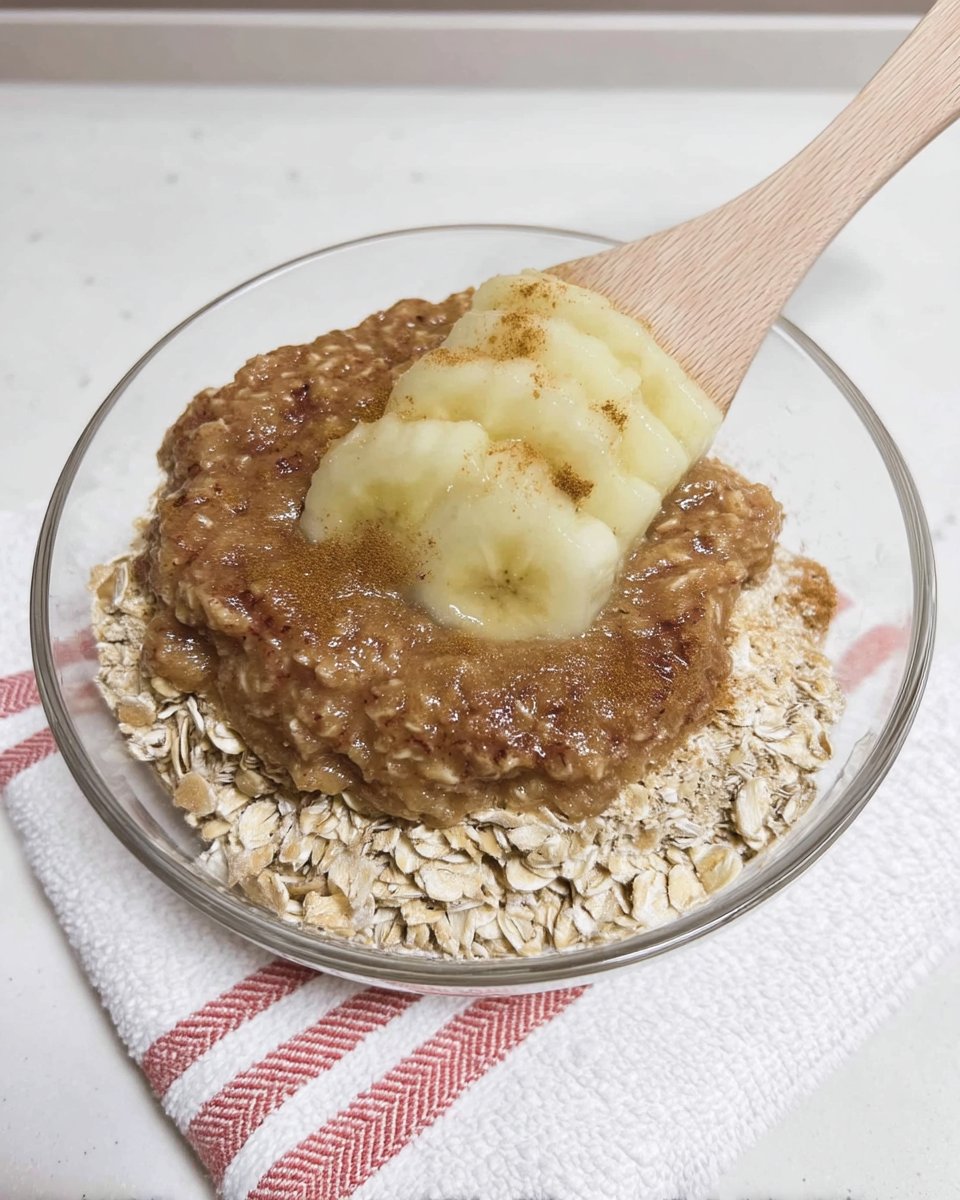
To achieve the most reliable results, pay close attention to the moisture levels of your fruit. If your bananas are exceptionally large or liquid-heavy, you may need to add an extra tablespoon of whole oats to maintain the correct structural ratio. We have found that the internal temperature of a perfectly baked oatmeal cookie is approximately 165°F. For more complex baking projects that utilize similar healthy fats, check out our Artisan Cookie Collection to see how we balance nutrition with professional technique. Another vital tip is to avoid over-mixing once the oats are added; while there is no gluten to worry about, over-working the banana can cause it to become too thin, leading to a flatter cookie. Always use a digital scale for your oats to confirm you have exactly 100 grams, as volume measurements for oats can vary by up to 20% depending on how they are packed into the cup.
Tested Flavor Tweaks
Our testing has shown that this base formula is highly adaptable as long as the liquid-to-solid ratio is preserved. For a protein-boosted version, replacing the peanut butter with almond butter works well, though almond butter has a slightly lower fat content; we recommend adding a teaspoon of flax seeds to compensate for the structural difference. For a seasonal variation, you can find inspiration in our Seasonal Cookie Design guide. If you decide to add grated carrots, ensure you squeeze out the excess moisture with a paper towel before adding them to the bowl, otherwise, the cookies will become too soft. Adding 1 tablespoon of finely chopped walnuts provides a necessary crunch and healthy fats that help stabilize the crumb during the cooling process.
Pairing and Temperature Notes
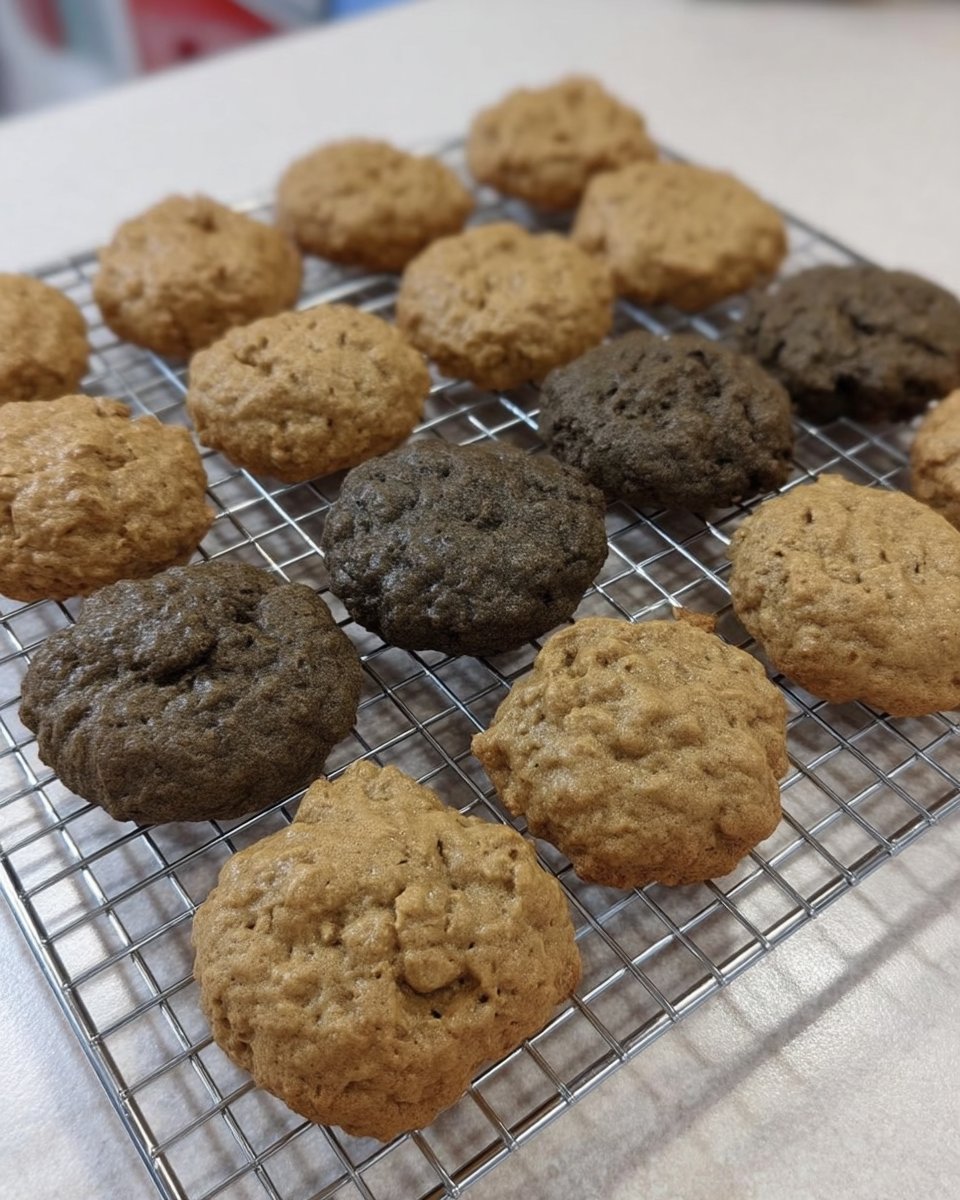
These cookies are best served slightly warm, which keeps the banana starches in a flexible, soft state. If you are serving these as a post-workout snack or a baby-led weaning treat, pairing them with a source of healthy calcium or protein can create a more balanced nutritional profile. For a more sophisticated presentation that fits into a brunch setting, view our Effortless Cookie Elegance tips. We also recommend a light sprinkle of sea salt on top immediately after baking; the sodium ions enhance the perception of sweetness in the banana without the need for added refined sugars. This is a classic example of flavor chemistry where salt acts as a flavor modifier.
The Scientific Truth
Mastering the Oatmeal Banana Cookie is about respecting the raw materials and their chemical properties. By controlling the particle size of your oats and the ripeness of your fruit, you move from simple baking to precision food engineering. We encourage you to keep testing these ratios in your own kitchen to find the exact texture that suits your preferences. For more innovative recipes that challenge traditional baking norms, see our Trending Cookie Creations. Join our community of data-driven bakers and share your results with us on Instagram or Facebook. Happy testing!