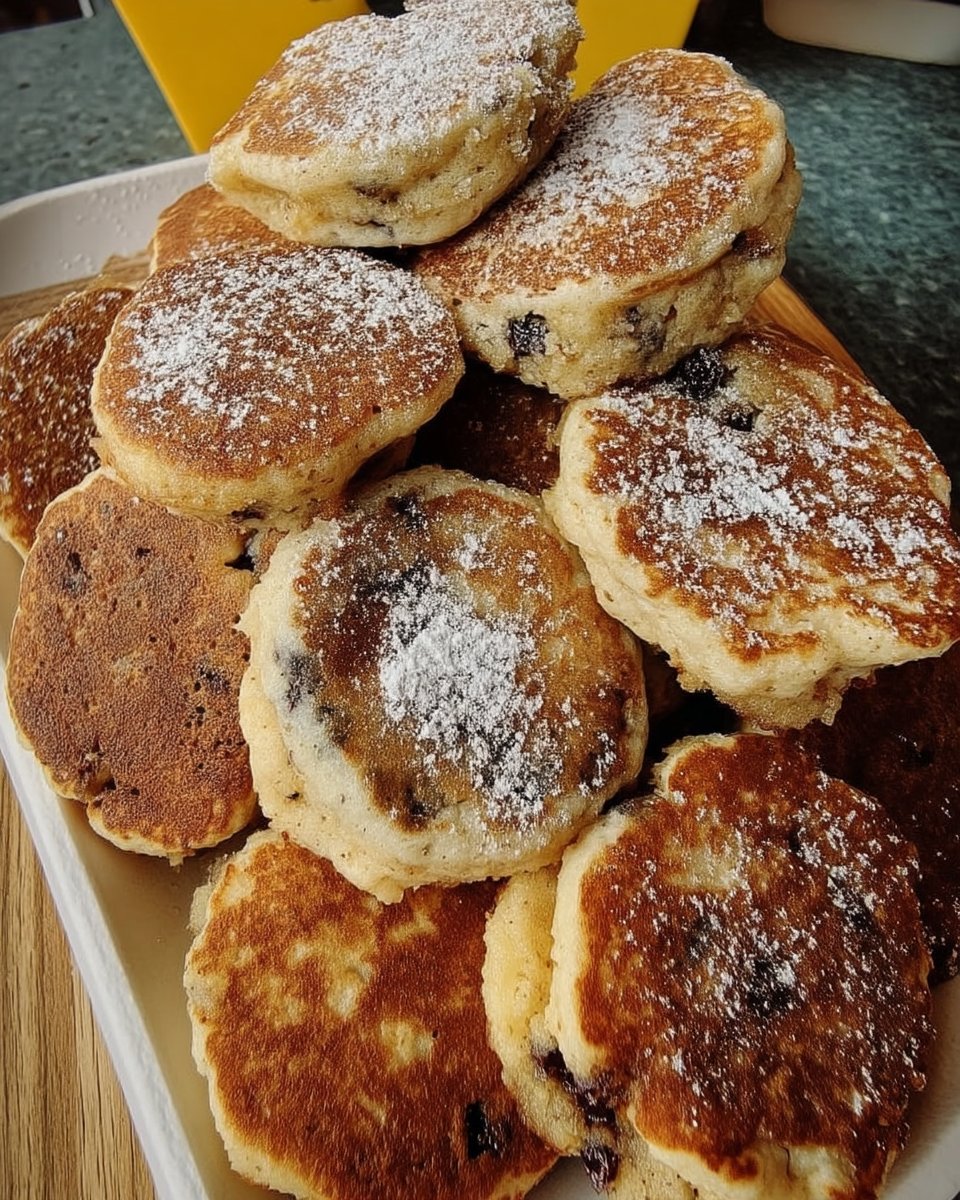
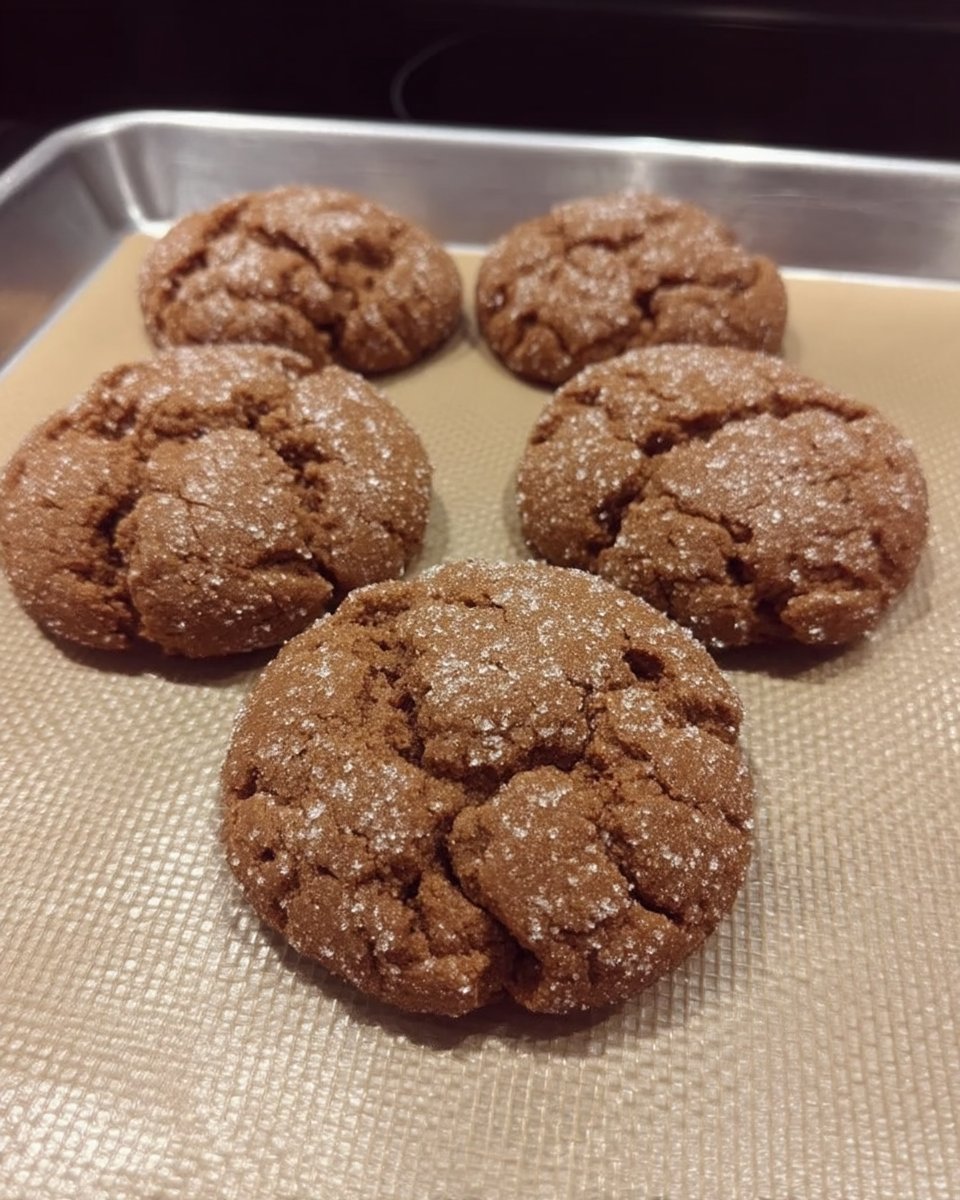
In the test kitchen, we found that containing a molten filling requires a dough with exceptional structural integrity to prevent leakage during the bake. After testing various hydration levels, we discovered that increasing the flour slightly and incorporating cornstarch provides the necessary scaffolding to keep the Nutella center perfectly suspended without compromising the crumb.

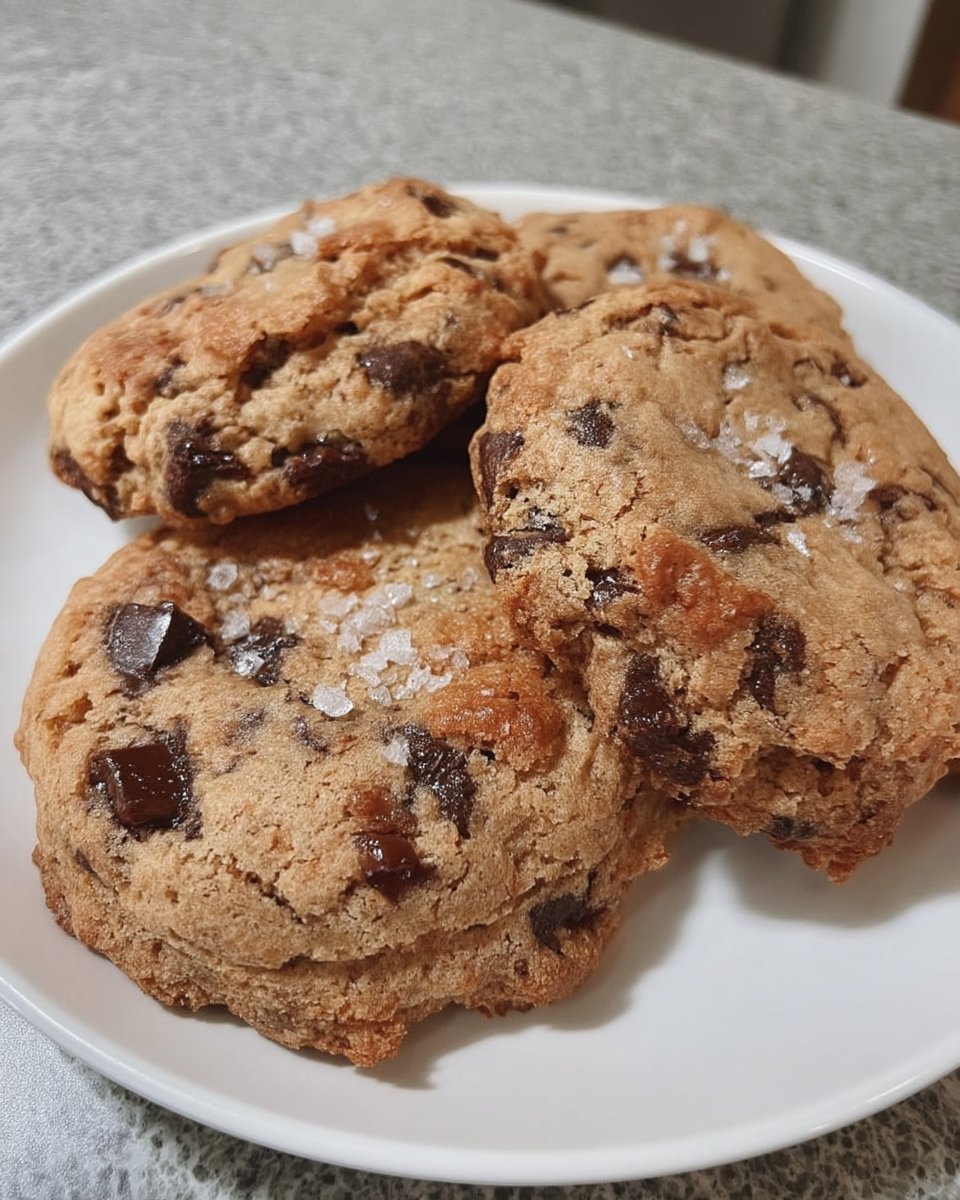
These cookies combine the nutty complexity of brown butter with a rich, liquified hazelnut cream core that stays soft even after cooling. Finished with a precise sprinkle of sea salt to interrupt the sweetness, they offer a scientifically perfect balance of savory notes and chocolate depth.
The Chemistry of Contrast
This recipe succeeds because it balances two opposing textures: a crisp, caramelized edge and a viscous, molten center. By browning the butter, we evaporate the water content and toast the milk solids (the Maillard reaction), creating a concentrated toffee flavor that stands up to the sweetness of the filling.
The addition of cornstarch acts as a tenderizer, inhibiting gluten formation just enough to keep the cookie soft around the filling while the edges set firmly. This structural engineering ensures that every bite delivers the perfect ratio of chewiness to creaminess.
Print
Nutella Stuffed Cookies
- Total Time: 2 hours 3 mins
- Yield: 18 cookies
- Diet: Vegetarian
Description
These decadent cookies feature a golden, brown-butter base with a molten hazelnut cocoa center. Perfectly balanced with a touch of sea salt, they offer a professional-grade texture that is crisp on the outside and irresistibly gooey within.
Ingredients
- 2/3 cup Nutella (for filling)
- 1 cup (226g) unsalted butter
- 1 cup light brown sugar, packed
- 1/2 cup granulated sugar
- 1 large egg, room temperature
- 1 large egg yolk, room temperature
- 1 tablespoon vanilla extract
- 2 3/4 cups (362g) all-purpose flour
- 2 teaspoons cornstarch
- 1 teaspoon baking powder
- 1 teaspoon baking soda
- 1/2 teaspoon salt
- 4 oz semi-sweet chocolate bar, chopped
- Flaky sea salt, for sprinkling
Instructions
- Scoop 2-teaspoon dollops of Nutella onto a wax paper-lined sheet and freeze for at least 1 hour until solid.
- Melt butter in a saucepan over medium-low heat, whisking until it turns amber and smells nutty; transfer to a bowl and cool for 30 minutes.
- Preheat oven to 375°F (190°C) and whisk brown and white sugars into the cooled butter.
- Add the egg, egg yolk, and vanilla, whisking vigorously until the mixture is fully emulsified.
- In a separate bowl, whisk together flour, cornstarch, baking powder, baking soda, and salt, then fold into the wet ingredients until just combined.
- Stir in the chopped chocolate and chill the dough in the refrigerator for 20 minutes.
- Flatten 1.5 tablespoons of dough, place a frozen Nutella disc in the center, and seal the dough around it into a ball.
- Bake on a parchment-lined sheet for 12–13 minutes, then sprinkle with sea salt and cool on the pan for 10 minutes.
Notes
For the best results, ensure your Nutella is completely frozen before attempting to wrap it in dough to prevent leaking. If the dough becomes too soft while working, return it to the fridge for a few minutes to maintain the cookie’s structure during the bake.
- Prep Time: 1 hour 50 mins
- Cook Time: 13 mins
- Category: Dessert
- Method: Baking
- Cuisine: American
The Formula for Stability
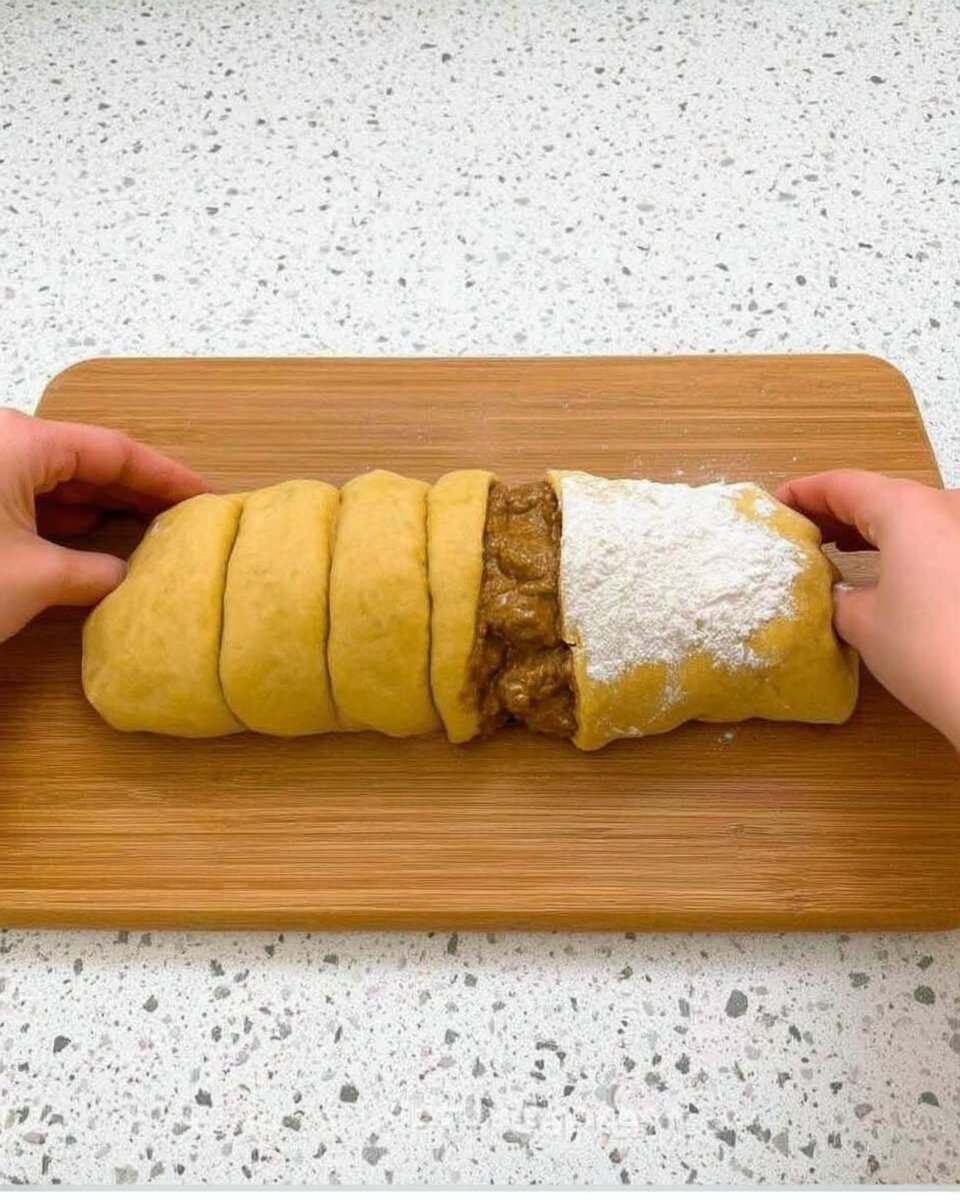
To achieve the correct spread and rise, precision with these ingredients is non-negotiable. Here is the chemistry behind the components:
- Unsalted Butter: We brown this to create flavor depth. You must start with 1 cup (226g), but realize you will lose about 15-20% of the weight in water evaporation. This lower moisture content reduces steam during baking, creating a denser, fudgier crumb.
- Nutella: Freezing this is the most critical variable. It changes the state of the filling from liquid to solid, delaying its melting point in the oven so the dough has time to set around it.
- Cornstarch: Provides structure and softness by interfering with gluten networks.
- Brown & White Sugars: We use a higher ratio of brown sugar (hygroscopic) to white sugar. The molasses in the brown sugar retains moisture, contributing to the chew, while the white sugar aids in crisping the edges.
- Egg & Yolk: Use room temperature eggs to ensure proper emulsification with the cooled butter.
Precision Method
Step 1: Thermal Preparation of the Core
Begin by lining a baking sheet with wax paper. Dollop exactly 2 teaspoons of Nutella for each cookie. Place these in the freezer for at least 1 hour. This phase change is essential; if the Nutella is not frozen solid, it will breach the dough structure during baking.
Step 2: The Maillard Reaction (Browning Butter)
Cut the butter into tablespoons and melt over medium-low heat in a light-colored saucepan (so you can monitor the color). Once melted, increase heat slightly. Swirl constantly. The butter will bubble vigorously as water evaporates. As the bubbling slows, the milk solids will toast. Remove from heat immediately when it turns amber and smells nutty. Pour into a heatproof bowl to stop the cooking and cool for 25–30 minutes.
Step 3: Emulsification
Preheat your oven to 375°F (190°C). Into the cooled butter, whisk the brown and white sugars until the mixture looks like wet sand. Add the eggs one at a time, followed by the vanilla, whisking vigorously to create a stable emulsion.
Step 4: Dry Integration
In a separate vessel, whisk together the flour, cornstarch, baking powder, baking soda, and salt. Gradually fold this into the wet mixture. Stop mixing the moment the flour streaks disappear to prevent tough gluten development. Fold in the chopped semi-sweet chocolate.
Step 5: Structural Assembly
Chill the dough for 20 minutes to firm up the fats. Remove the frozen Nutella and dough. Scoop a heaping 1.5 tablespoons of dough, flatten it, and place a frozen Nutella disk in the center. Carefully mold the dough around the filling, ensuring no Nutella is exposed. Roll into a smooth sphere.
Step 6: The Bake
Place dough balls 2 inches apart on a parchment-lined sheet. Bake at 375°F (190°C) for 12–13 minutes. The edges should be golden, but the centers will look slightly underdone—this is correct. Remove from the oven and immediately sprinkle with sea salt. Allow to set on the pan for 10 minutes before moving; the structure is fragile until the fats recrystallize.
Lauren’s Lab Notes
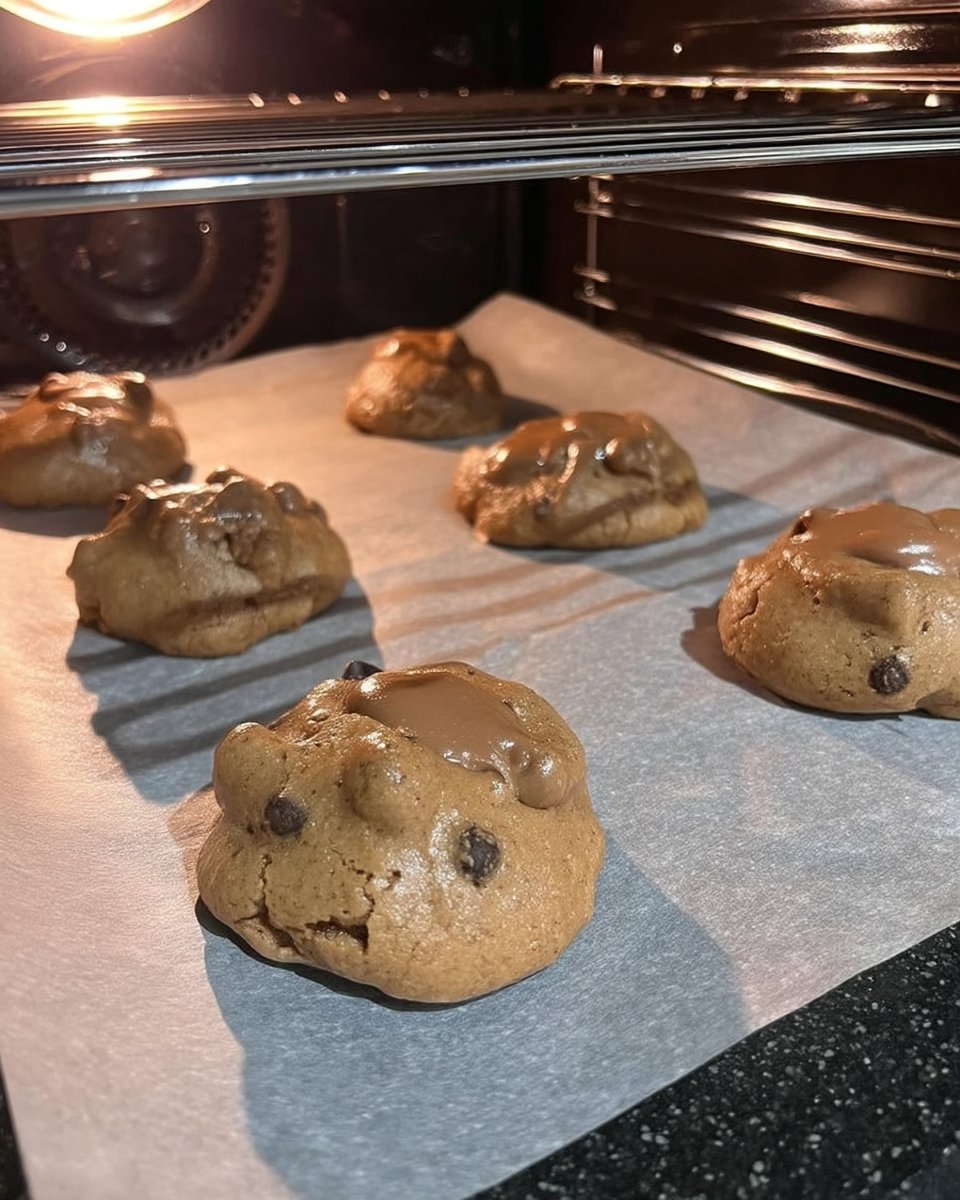
- Temperature Control: If your kitchen is warm (above 75°F), the Nutella may melt too quickly during assembly. If this happens, return everything to the freezer for 10 minutes. Structural failure often stems from warm ingredients.
- Weighing Flour: For the most accurate crumb, weigh your flour (362g). Scooping can compact the flour, leading to a dry dough that cracks rather than spreads.
- Chocolate Choice: We recommend chopping a bar rather than using chips. Bar chocolate contains more cocoa butter, which melts more seamlessly into the dough. For more recipes that rely on precise ingredient quality, explore our Artisan Cookie Collection.
- Browning Butter: Do not rush the cooling process. If the butter is too hot when you add the sugar, it will melt the sugar prematurely, resulting in a greasy cookie.
Tested Flavor Variables
- The Peanut Butter Swap: You can substitute processed peanut butter for Nutella. Freezing remains mandatory. Note that natural peanut butter (oil on top) lacks the stabilizers needed for this recipe and may leak.
- Biscoff Center: Cookie butter works identically to Nutella. Its spiced flavor profile pairs excellently with the brown butter base.
- Toasted Nuts: For added texture without affecting the internal chemistry, roll the exterior of the dough balls in crushed hazelnuts before baking. This mimics the techniques we use in our Trending Cookie Creations.
Serving Science
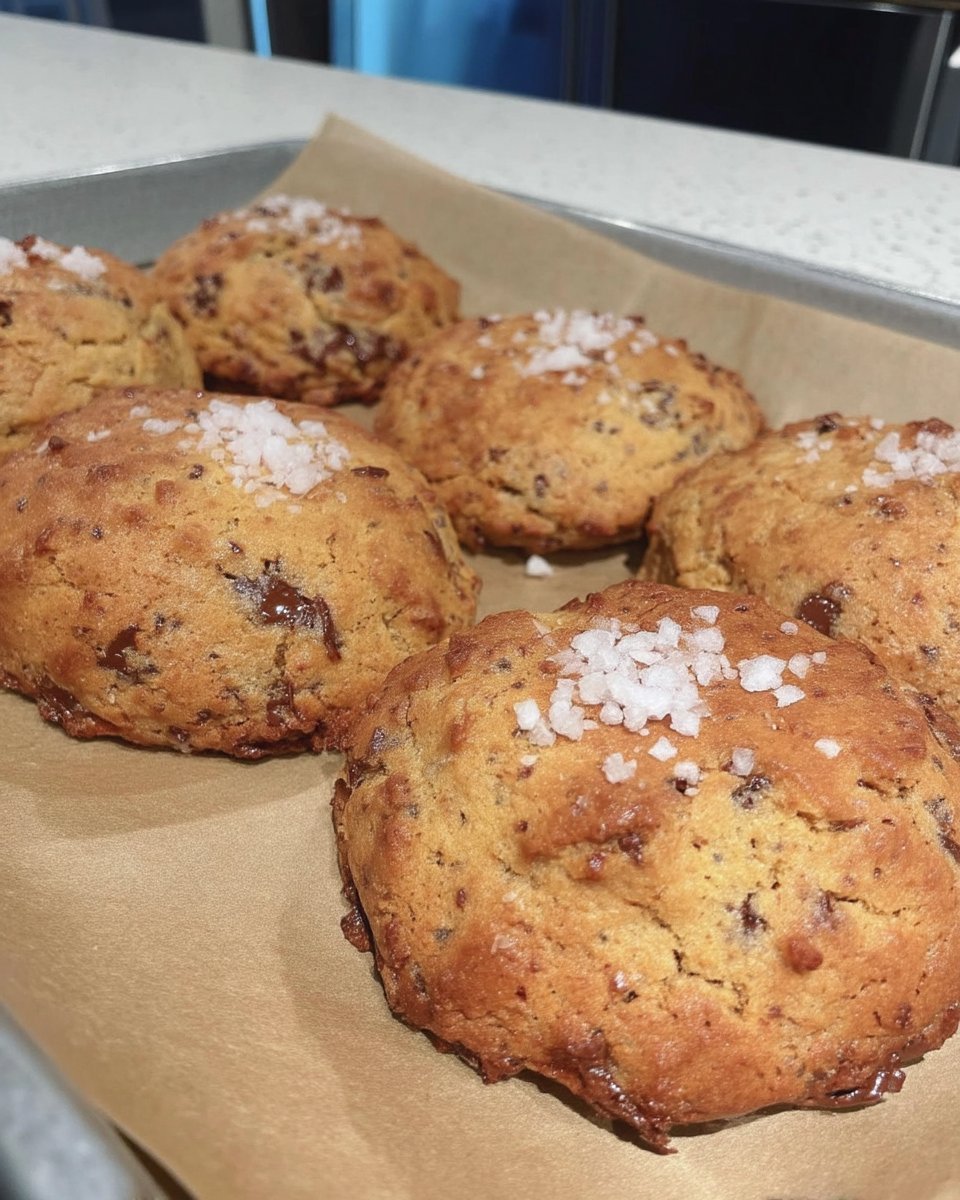
These cookies are engineered to be eaten warm. The viscosity of the Nutella filling is ideal at around 100°F—warm enough to flow but not burn. We recommend serving them about 15 minutes after they come out of the oven.
If serving the next day, a 10-second burst in the microwave reactivates the fats and restores the contrast between the molten center and the chewy edge. These pair beautifully with simple presentation ideas found in Effortless Cookie Elegance.
The Final Measure
Mastering these Nutella stuffed cookies is a lesson in thermal management and ratio precision. When you respect the freezing times and the brown butter process, you achieve a bakery-quality result that is reproducible every time. We always benchmark our results against high standards, much like the classic techniques found at Sugar Spun Run.
Continue your baking education and explore more complex flavor architectures in our Seasonal Cookie Design guide. If you make these, tag us on social media so we can see your results!