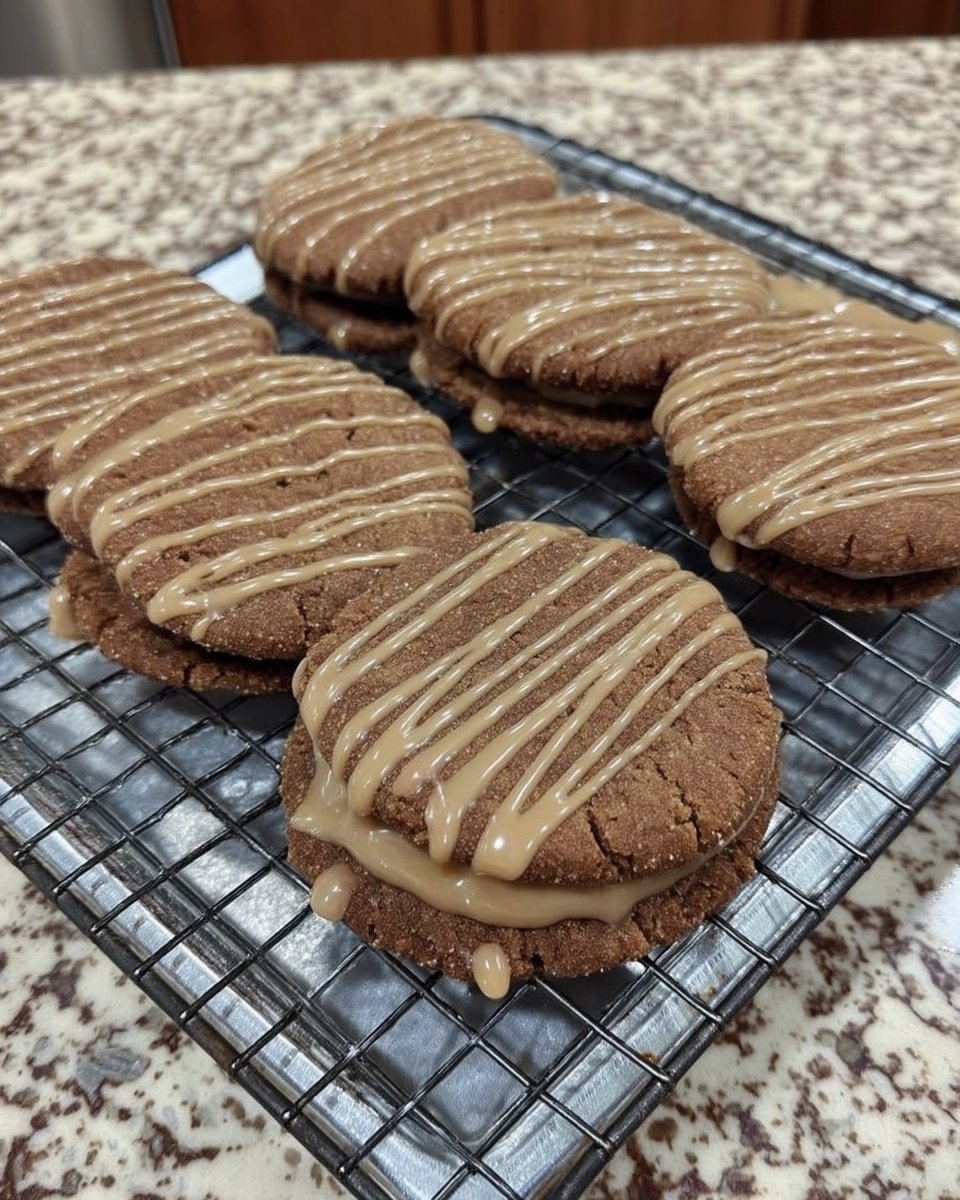
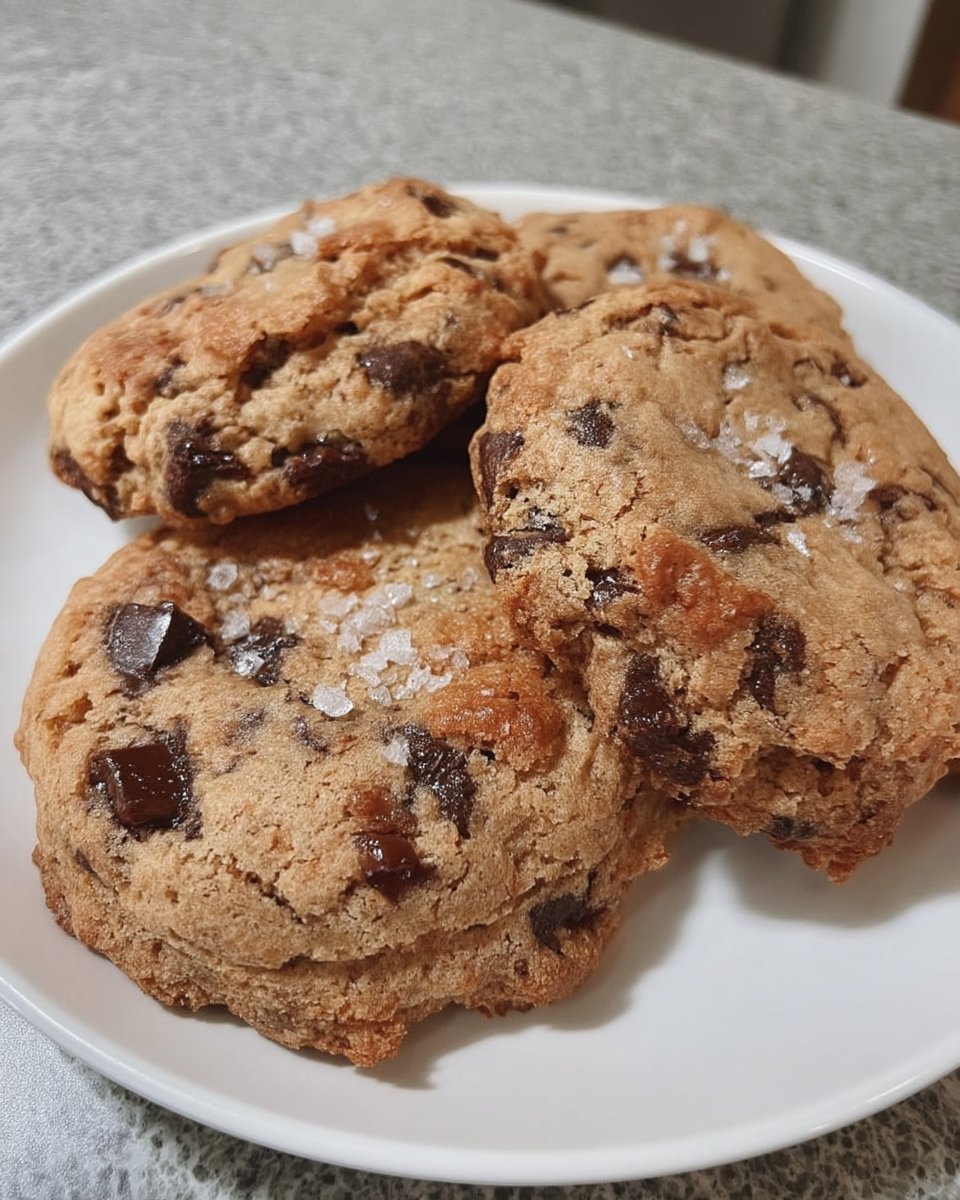
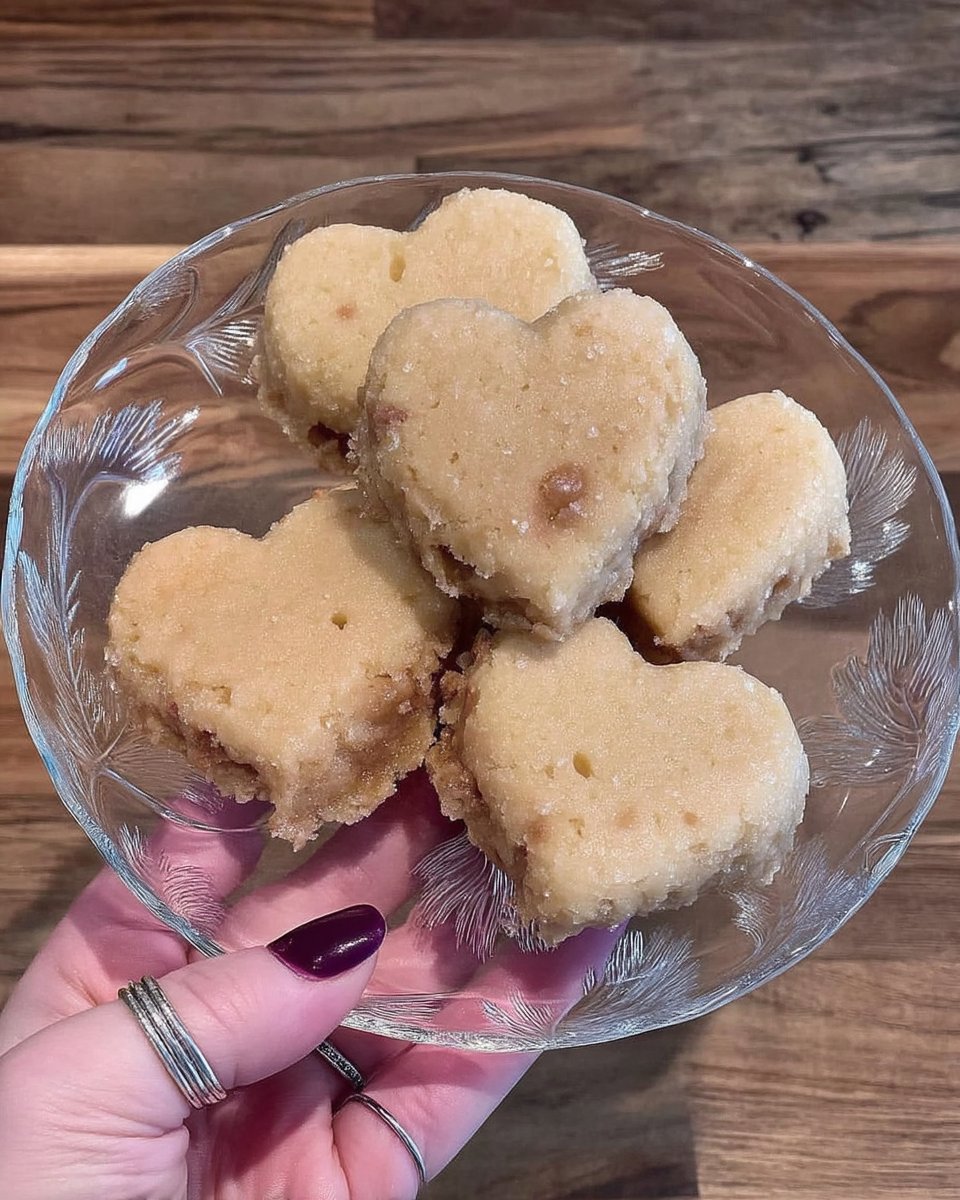
In our test kitchen, we analyzed the structural difference between a soft gingerbread and a true snap. We discovered that a specific ratio of cold butter to heavy cream creates a brittle enough structure to shatter upon biting while maintaining enough integrity to hold a creamy lemon filling. This recipe represents the successful culmination of three dozen test batches focused on that specific snap-to-filling ratio.

These Lemon Ginger Snaps use a high-aeration creaming method to produce a delicate, airy crumb that crisps significantly as it cools. The filling relies on the unique melting point of coconut oil to provide a stable, melt-in-your-mouth texture that standard buttercreams cannot match. By following these precise weight measurements, you will achieve a professional-grade sandwich cookie that balances heat and citrus perfectly.
Precision Meets Flavor
This recipe succeeds because it respects the chemistry of spice and fat. Unlike traditional ginger cookies that rely on shortening for crunch, we use cold unsalted butter (4 ounces; 110 g) and a long creaming cycle to build a sturdy air-cell structure. This results in a cookie that is remarkably crisp without being rock-hard. The addition of 1 ounce (30 g) of heavy cream at the end of the mixing process provides just enough moisture to allow the dough to spread into perfect, thin discs.
You will also find that the flavor profile is more sophisticated than a standard store-bought snap. By using 1/8 ounce (4 g) of fresh lemon zest alongside 1 1/4 teaspoons of ground ginger, we create a bright top note that cuts through the deep, earthy molasses. This balance is not accidental; it is a calculated ratio designed to wake up the palate. The filling, made with refined coconut oil, acts as a temperature-sensitive delivery system for lemon juice, providing a cooling sensation that contrasts the warmth of the cinnamon and nutmeg.
Finally, the technical success of this cookie lies in its reliability. Because we provide measurements in both ounces and grams, you can eliminate the variables that usually lead to baking failure. Whether you are a scientist at heart or a home baker looking for a reliable victory, these cookies offer a repeatable process for a superior result. Every bite provides a satisfying snap followed by a bright burst of citrus, making it a standout addition to your baking repertoire.
Print
Lemon Ginger Snaps
- Total Time: 50 mins
- Yield: 20 sandwich cookies
- Diet: Vegetarian
Description
These sophisticated sandwich cookies perfectly balance the spicy warmth of ginger and molasses with a bright, citrus-infused filling. Using a precise aeration method, these snaps achieve a professional-grade brittle texture that shatters beautifully upon the first bite.
Ingredients
- 5 1/4 ounces (150 g) sugar
- 4 ounces (110 g) cold unsalted butter
- 1 ounce (30 g) unsulfured molasses
- 1 1/4 teaspoons ground ginger
- Baking soda
- Ground cinnamon
- Ground nutmeg
- Kosher salt
- 1/8 ounce (4 g) fresh lemon zest
- 6 ounces (170 g) all-purpose flour
- 1 ounce (30 g) heavy cream
- Powdered sugar
- 2.5 ounces (70 g) refined coconut oil
- Fresh lemon juice
- Lemon extract
Instructions
- Adjust oven rack to the lower-middle position and preheat to 350°F (180°C).
- In a stand mixer with a paddle attachment, cream together the sugar, cold butter, molasses, ginger, baking soda, cinnamon, nutmeg, salt, and lemon zest on medium speed for exactly 5 minutes until pale and fluffy.
- Reduce mixer speed to low, add all the flour at once, and drizzle in the heavy cream, mixing only until no dry streaks remain.
- Portion the dough into 3/8-ounce (10 g) balls, roll them smooth, and place on parchment-lined baking sheets with 1 1/4 inches of space between them.
- Bake for 10 minutes until golden brown and firm at the edges, then cool completely on the pan to allow the sugar to recrystallize for a crisp snap.
- Prepare the filling by creaming the powdered sugar, coconut oil, lemon juice, lemon extract, and a pinch of salt on medium speed for 5 minutes until white and cloud-like.
- Transfer the filling to a pastry bag and pipe approximately 1/4 ounce (6 g) onto the bottom of half the cookies, topping each with a second cookie to form a sandwich.
- Refrigerate the assembled cookies for 15 minutes to allow the coconut oil filling to set firmly before serving.
Notes
For the most consistent results, always use a kitchen scale to measure ingredients by weight rather than volume. If your kitchen is warmer than 75°F, you may need to chill the filling bowl briefly during the whipping process to prevent the coconut oil from melting and losing its structure.
- Prep Time: 25 mins
- Cook Time: 10 mins
- Category: Dessert
- Method: Baking
- Cuisine: American
The Formula for Structural Success
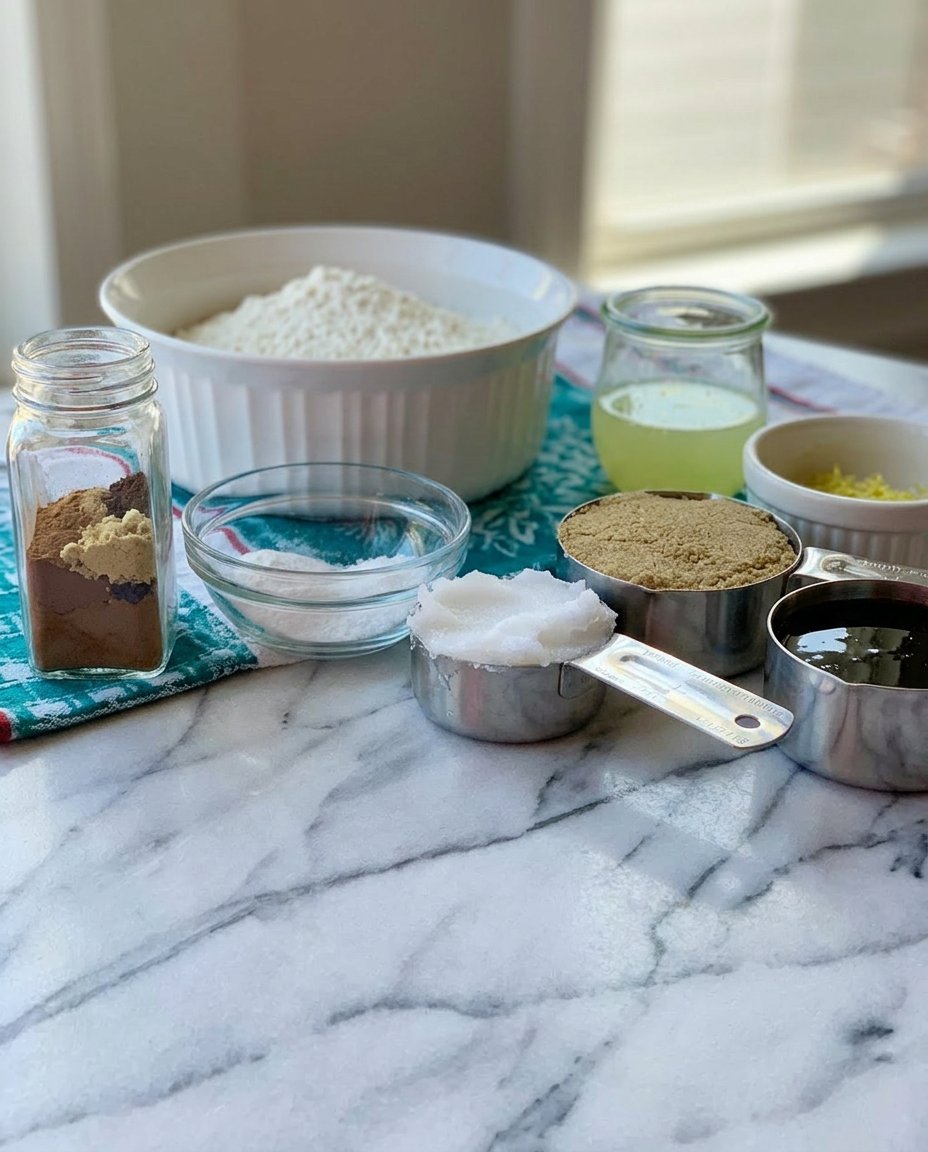
To achieve the perfect Lemon Ginger Snaps, we must examine the specific role each ingredient plays in the cookie’s chemistry. Baking is a series of chemical reactions, and these specific components are chosen for their ability to balance acidity, moisture, and structure.
- Unsalted Butter (4 oz / 110 g): Use this cold. Cold butter allows for more air to be trapped during the 5-minute creaming process, which is essential for the cookie’s eventual snap. If the butter is too soft, the air cells will collapse, leading to a greasy, flat cookie.
- Unsulfured Molasses (1 oz / 30 g): This provides the classic flavor and the necessary acidity to react with the baking soda. Avoid blackstrap molasses, as its mineral content and bitterness will overwhelm the delicate lemon notes.
- Ground Ginger (1 1/4 tsp): This is the primary heat source. We tested ratios up to 2 teaspoons, but 1 1/4 teaspoons provided the best balance with the citrus without masking the buttery finish.
- Heavy Cream (1 oz / 30 g): This is our secret structural weapon. It adds a small amount of liquid and fat at the end of the mix, which helps the sugar dissolve slightly during the bake, creating that sought-after crackled surface.
- Refined Coconut Oil (2.5 oz / 70 g): For the filling, refined oil is necessary if you want a pure lemon flavor. If you prefer a tropical undertone, virgin coconut oil is an excellent substitute, but it will change the flavor profile significantly.
- Lemon Zest and Extract: We use both to cover the full spectrum of citrus. The zest provides aromatic oils, while the extract in the filling provides a punchy acidity that survives the sugar saturation.
The Scientific Process
Step 1: Aerating the Base
Adjust your oven rack to the lower-middle position and preheat to 350°F (180°C). In the bowl of a stand mixer fitted with the paddle attachment, combine 5 1/4 ounces (150 g) sugar, 4 ounces (110 g) cold unsalted butter, molasses, ginger, baking soda, cinnamon, nutmeg, salt, and lemon zest. Mix on low until the dry ingredients are moistened, then increase to medium. Cream the mixture for exactly 5 minutes until it is soft, light, and noticeably paler. This step is vital for creating the air pockets that result in a crisp snap.
Step 2: Incorporating Flour and Cream
Reduce the mixer speed to low. Add 6 ounces (170 g) of all-purpose flour all at once. As the flour begins to incorporate, drizzle in 1 ounce (30 g) of heavy cream. Mix only until no streaks of dry flour remain. Over-mixing at this stage will develop gluten, which will turn your snaps into tough, bread-like discs. The dough should be soft but manageable.
Step 3: Portioning and Shaping
Using a 1 1/2-teaspoon scoop, divide the dough into approximately 40 level portions. For maximum precision, scale out 3/8-ounce (10 g) portions. Cut each portion in half and roll them into smooth rounds between your palms. While they look small, the high sugar content and the addition of cream will cause them to spread significantly. Arrange them on a parchment-lined baking sheet, leaving 1 1/4 inches of space between each ball.
Step 4: The Bake and Cool
Bake for approximately 10 minutes. The cookies are finished when they are golden brown, no longer puffy in the center, and feel firm at the edges. If your oven has hot spots, rotate the pan at the 5-minute mark. Move the pan to a cooling rack but leave the cookies on the sheet. They will not be crisp while warm; the sugar must recrystallize as the temperature drops to room temperature to achieve the final snap.
Step 5: Emulsifying the Filling
While the cookies cool, clean your mixer bowl. Combine the powdered sugar, coconut oil, lemon juice, lemon extract, and salt. Mix on low to start, then increase to medium and cream for 5 minutes. The mixture should become white and fluffy, resembling a cloud. The temperature of your kitchen should be between 70°F and 74°F (21-23°C) for the best consistency. Transfer the filling to a pastry bag with a 1/2-inch tip.
Step 6: Final Assembly
Flip half of the cooled cookies upside down. Pipe about 1/4 ounce (6 g) of filling into the center of each. Find a matching cookie of similar size and press it gently on top until the filling reaches the edges. Refrigerate the assembled cookies for 15 minutes to set the coconut oil before serving.
Lauren’s Lab Notes
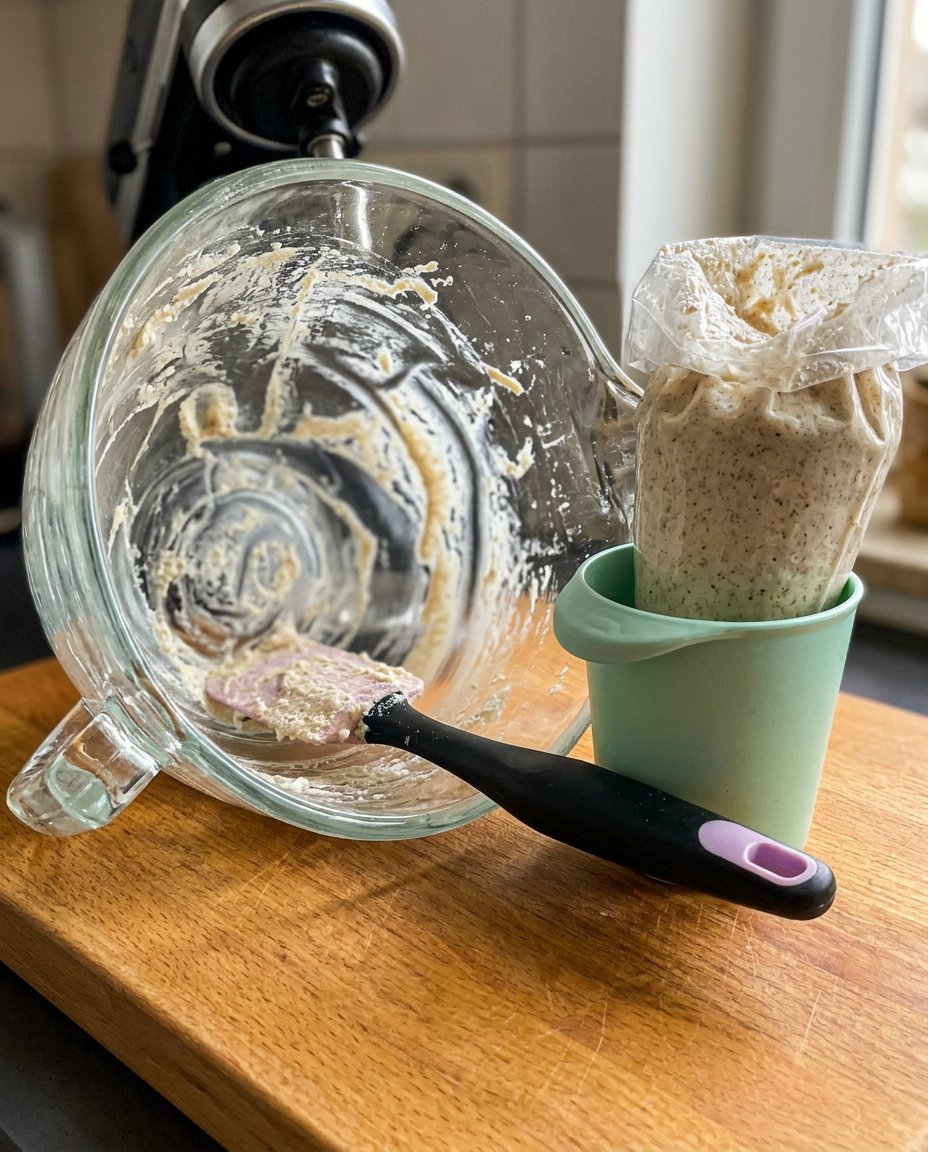
The most common failure in this recipe occurs during the creaming stage. If you do not cream the butter and sugar for the full 5 minutes, the cookies will be dense rather than snappy. For those interested in expanding their technical skills, our Artisan Cookie Collection provides further insight into how fat aeration affects crumb structure.
Another critical factor is the temperature of the coconut oil in the filling. If your kitchen is above 76°F (24°C), the filling will become liquid and run off the cookies. If this happens, place the mixing bowl in the refrigerator for 5 minutes, then re-whip. Conversely, if the oil is below 70°F (21°C), it will be too hard to cream properly. Aim for a texture similar to softened butter for the best results. If you notice your cookies spreading too much during the bake, check that your baking soda is fresh and that your butter was truly cold when you started.
Tested Variations
While the lemon and ginger pairing is a classic, the structural integrity of this dough allows for several modifications. We have tested a version using virgin coconut oil in the filling, which adds a distinct tropical aroma that complements the ginger’s heat. This is a favorite in our Seasonal Cookie Design series, especially for spring gatherings.
You can also experiment with the spice profile. Replacing the nutmeg with ground cardamom (1/8 teaspoon) creates a floral note that pairs beautifully with the lemon. If you prefer a darker, more robust cookie, you can substitute the unsulfured molasses with dark molasses, though you should avoid blackstrap as it will make the cookies too acidic and bitter. If you choose to use table salt instead of Diamond Crystal, remember to use half the volume (1/16 teaspoon) to maintain the correct sodium balance.
Flavor Science and Pairing
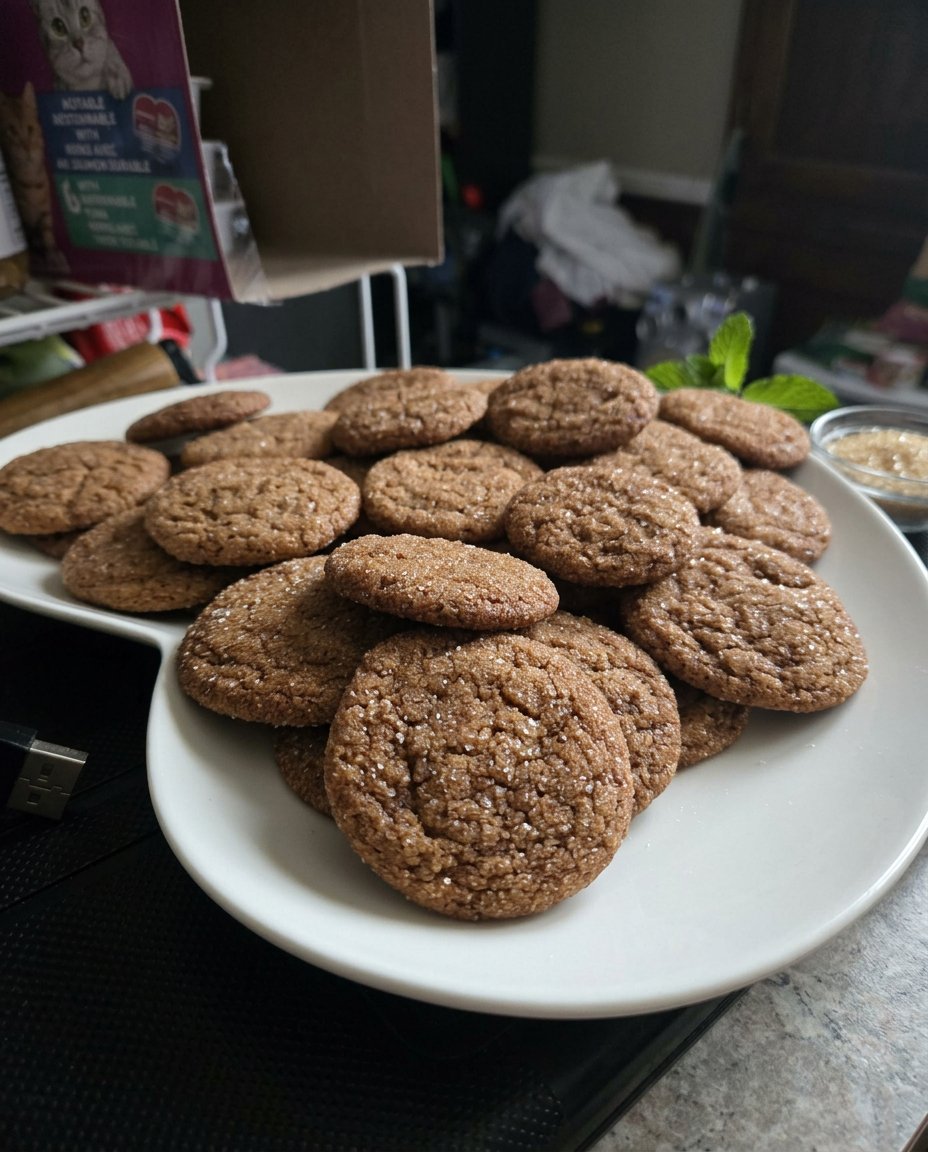
These cookies are best served at a temperature of approximately 72°F (22°C). This allows the coconut oil in the filling to soften slightly on the tongue without losing its structural hold. For a sophisticated presentation, refer to our Effortless Cookie Elegance guide for plating techniques.
Pairing these snaps with a hot beverage is a brilliant way to experience their flavor chemistry. The heat from a black tea or a light roast coffee will melt the filling instantly, releasing the lemon oils more rapidly. If you are serving these as part of a larger spread, they pair exceptionally well with creamy desserts like panna cotta or vanilla bean ice cream, where the ginger’s heat provides a necessary counterpoint to the dairy’s richness. For more ideas on how to integrate these into a dessert course, see the homemade ginger lemon cremes recipe for inspiration.
The Scientific Truth
Mastering the Lemon Ginger Snap is a victory for any home baker because it requires a balance of temperature control and mechanical aeration. By sticking to the gram measurements and respecting the 5-minute creaming rule, you create a cookie that is both technically perfect and flavorfully complex. We invite you to continue your journey into flavor balance by checking out our Trending Cookie Creations for more innovative pairing ideas. Baking is a science that rewards precision with spectacular results. Share your results with us on Facebook, Pinterest, or Instagram so we can celebrate your test kitchen success.