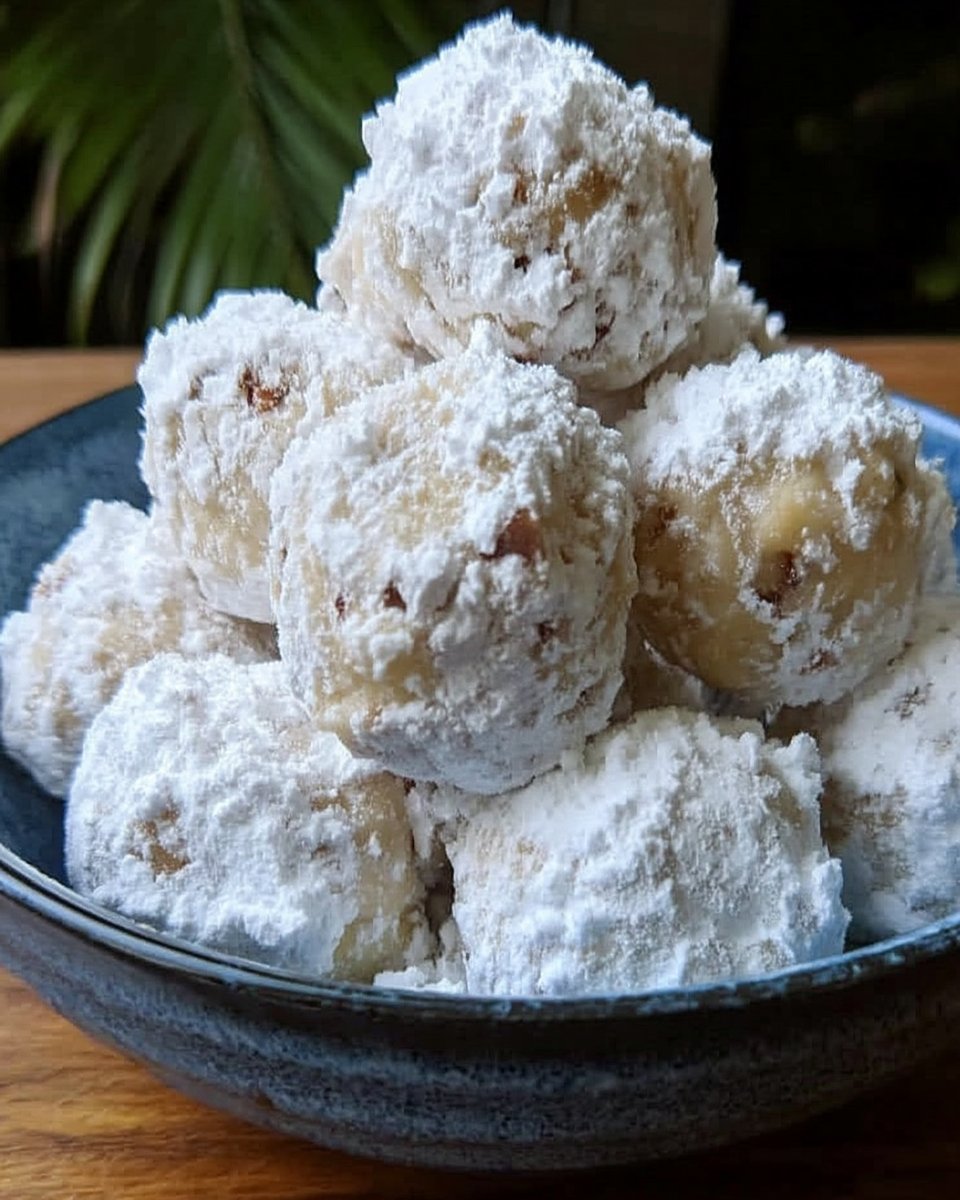
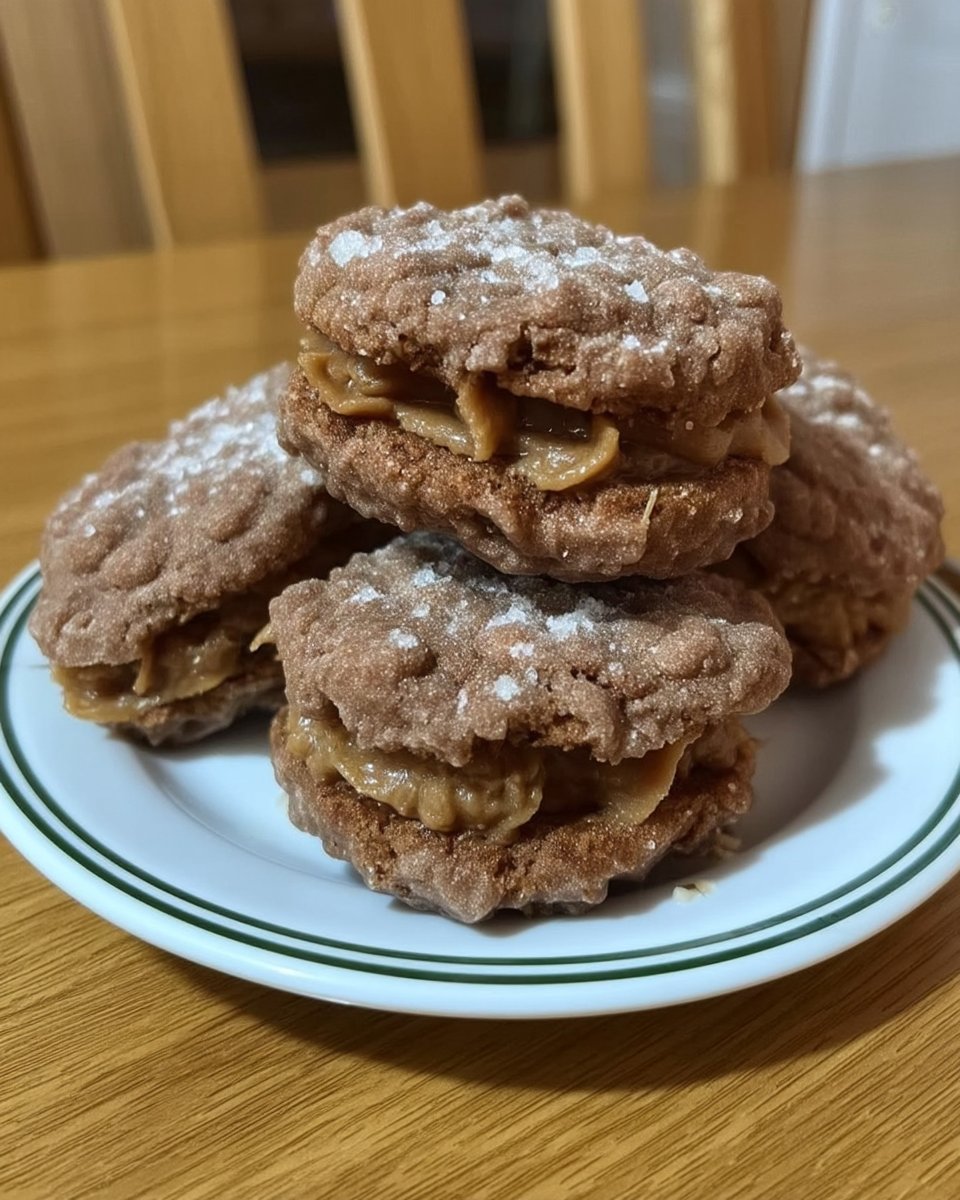
Our test kitchen spent weeks analyzing the structural integrity of 1/2-inch thick cut-out dough to prevent the common issue of edge collapse. We found that a specific flour-to-fat ratio guarantees these Fairy Cookies maintain their sharp geometric edges without becoming brittle. This formula relies on the precise expansion of baking powder rather than steam to achieve its characteristic delicate crumb.

These traditional treats rely on a high-protein flour base and a specific creaming method to incorporate just enough air for a tender bite. By omitting a chilling step, we allow the gluten to remain relaxed, making the rolling process efficient and predictable for home bakers. The result is a consistent, reliable base that performs perfectly under various kitchen conditions.
Precision Meets Flavor
Bakers choose this recipe when they require a cookie that holds its shape with scientific accuracy. The 3:1 ratio of flour to butter creates a sturdy internal matrix that supports the 1/2-inch height without sinking in the center. Unlike thinner sugar cookies that often crisp at the edges, this thickness preserves a soft, cake-like interior that contrasts beautifully with a quick-set frosting.
You will appreciate the reliability of the dough during the cutting phase. Because the fat content is perfectly balanced with the 3 cups of flour, the dough remains pliable but not sticky, allowing for clean cuts with a pizza cutter or knife. This structural stability means your triangles will look as professional as those from a high-end bakery while maintaining a nostalgic, homemade flavor profile.
The inclusion of almond extract or Princess Bakery Emulsion adds a sophisticated aromatic layer that distinguishes these from standard vanilla biscuits. This scent profile is chemically designed to linger, providing a sensory experience that begins during the bake and continues through every bite. It is a proven formula for success when presentation and taste are equally important.
Print
Fairy Cookies
- Total Time: 28 mins
- Yield: 24 cookies
- Diet: Vegetarian
Description
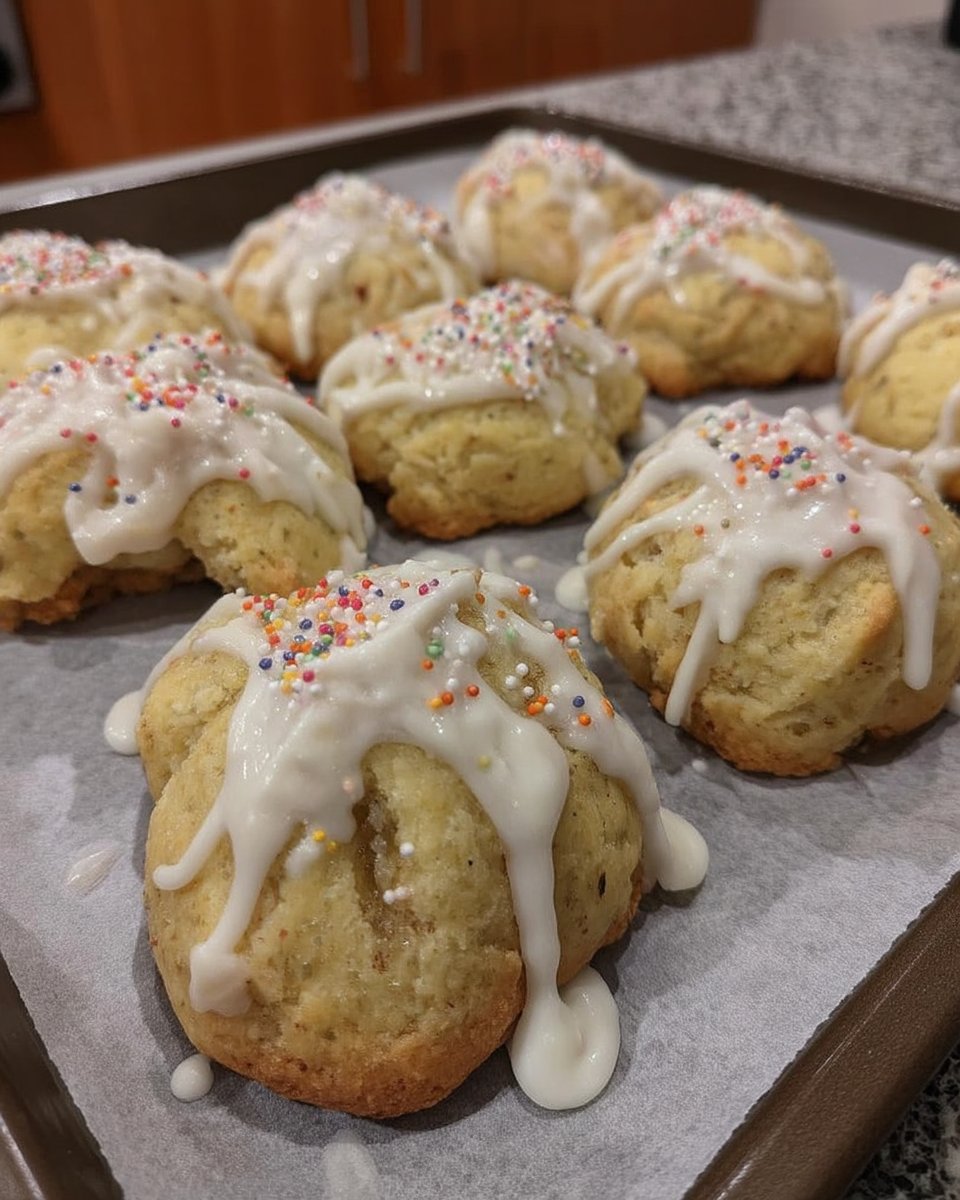
These thick, 1/2-inch cut-out cookies offer a soft, cake-like interior and exceptional structural integrity for sharp edges. Flavored with almond and vanilla and finished with a creamy buttercream frosting, they are the perfect blend of nostalgic taste and professional presentation.
Ingredients
- 1 cup unsalted butter, room temperature (for dough)
- 1 cup granulated sugar
- 1 large egg
- 1 teaspoon vanilla extract
- 1/2 teaspoon almond extract
- 1 1/2 teaspoons baking powder
- 1/4 teaspoon fine sea salt
- 3 cups all-purpose flour
- 1/2 cup unsalted butter, room temperature (for frosting)
- 2 cups powdered sugar
- Assorted sprinkles
Instructions
- Preheat oven to 350°F (177°C) and verify the temperature with an oven thermometer.
- In a stand mixer fitted with a paddle attachment, cream 1 cup of butter and granulated sugar for 3 minutes until light and fluffy.
- Add the egg, vanilla extract, and almond extract, beating until the mixture is fully emulsified.
- Mix in the baking powder and salt on low speed to ensure even distribution.
- Gradually add the flour on the lowest setting, mixing only until the white streaks disappear.
- Roll the dough to a 1/2-inch thickness on a lightly floured surface and cut into 3 1/2-inch triangles using a pizza cutter.
- Bake on a parchment-lined sheet pan for exactly 8 minutes until edges are barely golden; cool completely on the pan.
- Beat the remaining 1/2 cup of butter until smooth, gradually incorporate powdered sugar until spreadable, then frost the cooled cookies and add sprinkles immediately.
Notes
To achieve a professional look, use a metal ruler to guide your pizza cutter when creating the triangle shapes for perfectly straight lines. If you are baking in a humid environment, you may need to let the frosted cookies sit uncovered for an extra hour to allow the frosting to develop its characteristic light crust.
- Prep Time: 20 mins
- Cook Time: 8 mins
- Category: Dessert
- Method: Baking
- Cuisine: American
The Formula for Structural Success
Understanding the role of each component in this cookie matrix is vital for achieving the correct crumb and lift. Each ingredient has been tested for its chemical contribution to the final structure.
- Unsalted Butter (1 cup / 226g): Must be at room temperature (65-68°F). This fat provides the plastic state necessary for creaming, where sugar crystals create air pockets that later expand.
- Granulated Sugar (1 cup / 200g): Beyond sweetness, sugar interferes with gluten development, ensuring the cookie remains tender rather than bread-like.
- Large Egg (1 unit): Acts as the primary emulsifier, binding the fats and liquids into a stable mixture that won’t separate during the baking process.
- Almond and Vanilla Extracts: These volatile aromatics provide the primary flavor profile; for a more professional finish, the Princess Bakery Emulsion offers a citrus-floral note that is heat-stable.
- Baking Powder (1 1/2 tsp): This chemical leavener provides the vertical lift, reacting once with moisture and again with oven heat.
- Fine Sea Salt (1/4 tsp): Necessary to balance the ionic charges in the dough and amplify the perception of the sweet extracts.
- All-Purpose Flour (3 cups / 375g): The structural foundation. We use a precise volume to create enough gluten for shape retention without making the cookie tough.
- Powdered Sugar (2 cups): Used in the frosting for its fine particle size, ensuring a smooth, spreadable emulsion that sets quickly.
The Scientific Process
Step 1: Thermal Calibration
Preheat your oven to 350°F (177°C). Use an oven thermometer to verify the internal temperature, as even a 10-degree variance can affect the expansion of the baking powder and the setting of the flour’s proteins.
Step 2: Mechanical Aeration
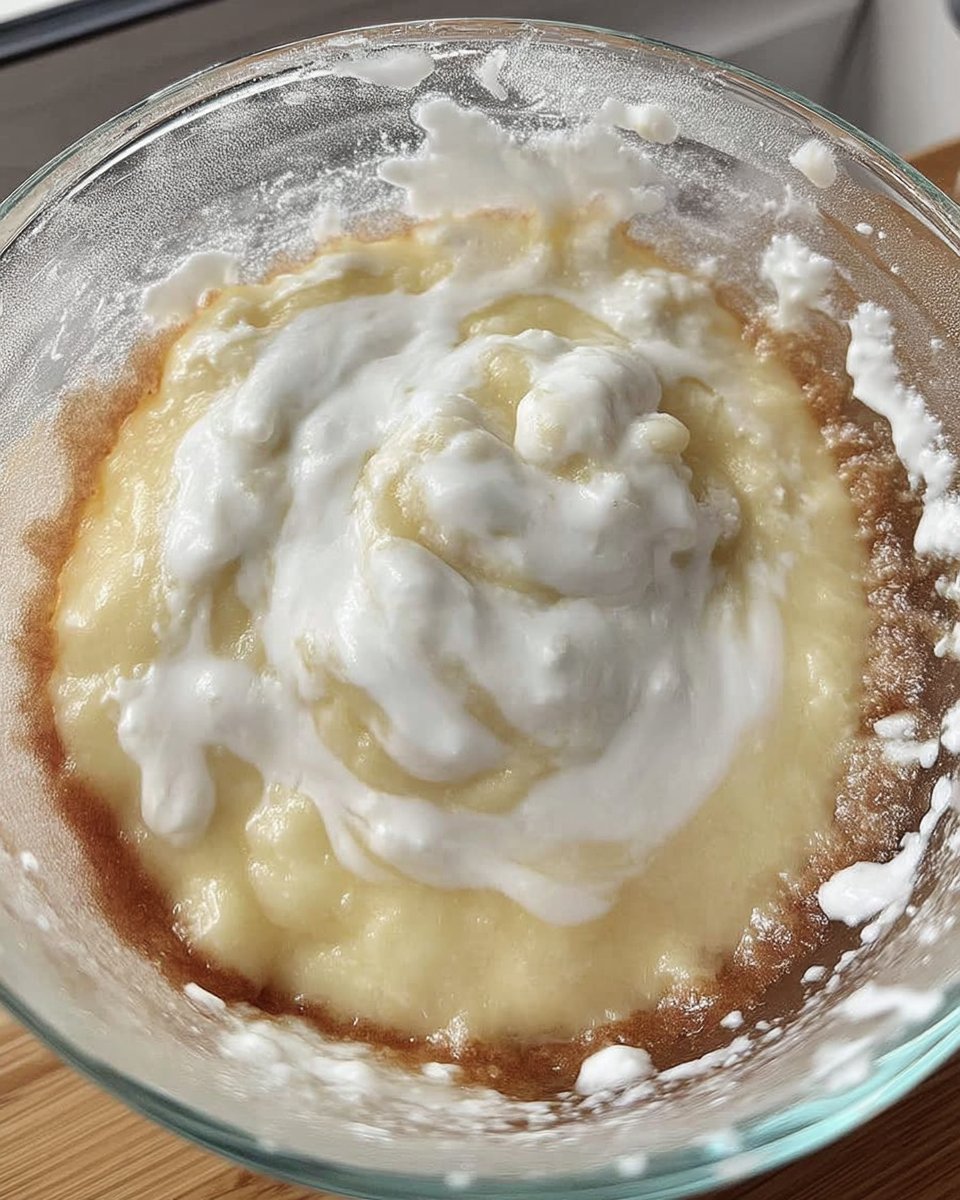
In the bowl of a stand mixer fitted with the paddle attachment, beat the room-temperature butter and granulated sugar on medium-high speed. Continue this process for approximately 3 minutes until the mixture is light, fluffy, and noticeably paler in color. This step is critical for building the air cell structure.
Step 3: Emulsification
Reduce the mixer speed and add the egg, vanilla extract, and almond extract. Beat until the mixture is fully emulsified. If the mixture looks curdled, the egg was likely too cold; continue beating until the fats and liquids are unified.
Step 4: Chemical Incorporation
Add the baking powder and salt directly into the wet mixture while the mixer is on low. This ensures these small-volume ingredients are evenly distributed throughout the fat phase before the bulk flour is added, preventing localized pockets of leavener.
Step 5: Developing the Matrix
Gradually add the flour with the mixer on its lowest setting. Mix only until the last streaks of white disappear. Over-mixing at this stage will over-develop the gluten, resulting in a tough cookie rather than a tender one.
Step 6: Geometric Shaping
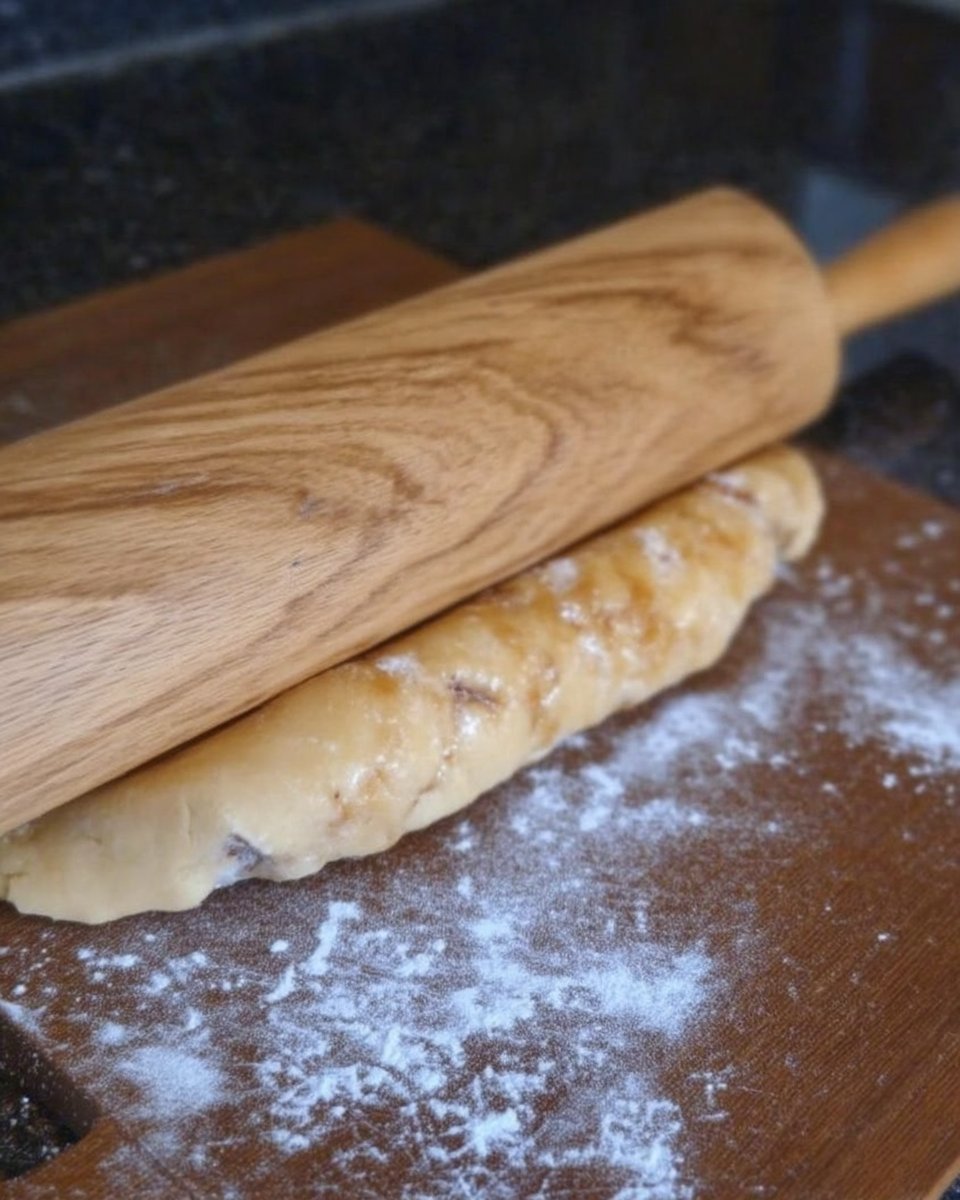
Turn the dough out onto a lightly floured surface. Roll the dough to a uniform thickness of 1/2 inch. Using a pizza cutter or sharp knife, cut the dough into triangles approximately 3 1/2 inches long. This shape provides the best surface area for even heat distribution.
Step 7: The Bake Phase
Place the triangles on a parchment-lined sheet pan. Bake for exactly 8 minutes. The edges should be just barely golden. The cookies will finish setting on the hot pan once removed from the oven. Allow them to cool completely (to approximately 70°F) before attempting to frost.
Step 8: Frosting Synthesis
Beat the second portion of room-temperature butter until smooth. Gradually incorporate the powdered sugar on low speed, then increase to medium-high until the frosting reaches a spreadable viscosity. Apply 1 to 2 teaspoons per cookie and immediately apply sprinkles while the frosting is still tacky.
Lauren’s Lab Notes
Temperature control is the most frequent point of failure in this recipe. If your butter is too warm (above 72°F), the air cells will collapse, leading to a greasy, flat cookie. Conversely, if it is too cold, you won’t achieve the necessary aeration. Use a digital thermometer to check your butter’s internal temperature before starting. For more detailed insights on maintaining dough integrity, see our guide on the Artisan Cookie Collection.
If you find your dough is sticking during the rolling process, do not keep adding more flour, as this will skew the ratio and make the cookies dry. Instead, roll the dough between two sheets of parchment paper. This maintains the moisture balance while giving you the geometric precision required for the triangle cuts.
Tested Flavor Tweaks
For a botanical variation, replace the almond extract with 1/2 teaspoon of culinary-grade lavender oil. This pairs exceptionally well with the thick, cake-like texture of the Fairy Cookies. If you prefer a more rustic approach, you can find similar textural concepts in our Seasonal Cookie Design series.
Another tested modification involves browning the butter for the frosting. This adds a nutty depth that complements the sweetness of the powdered sugar. If you are interested in how other cultures approach this style of treat, you might enjoy reading about fairy toast cookies which utilize a similar sprinkle-heavy aesthetic but with a different structural base.
Flavor Science and Pairing
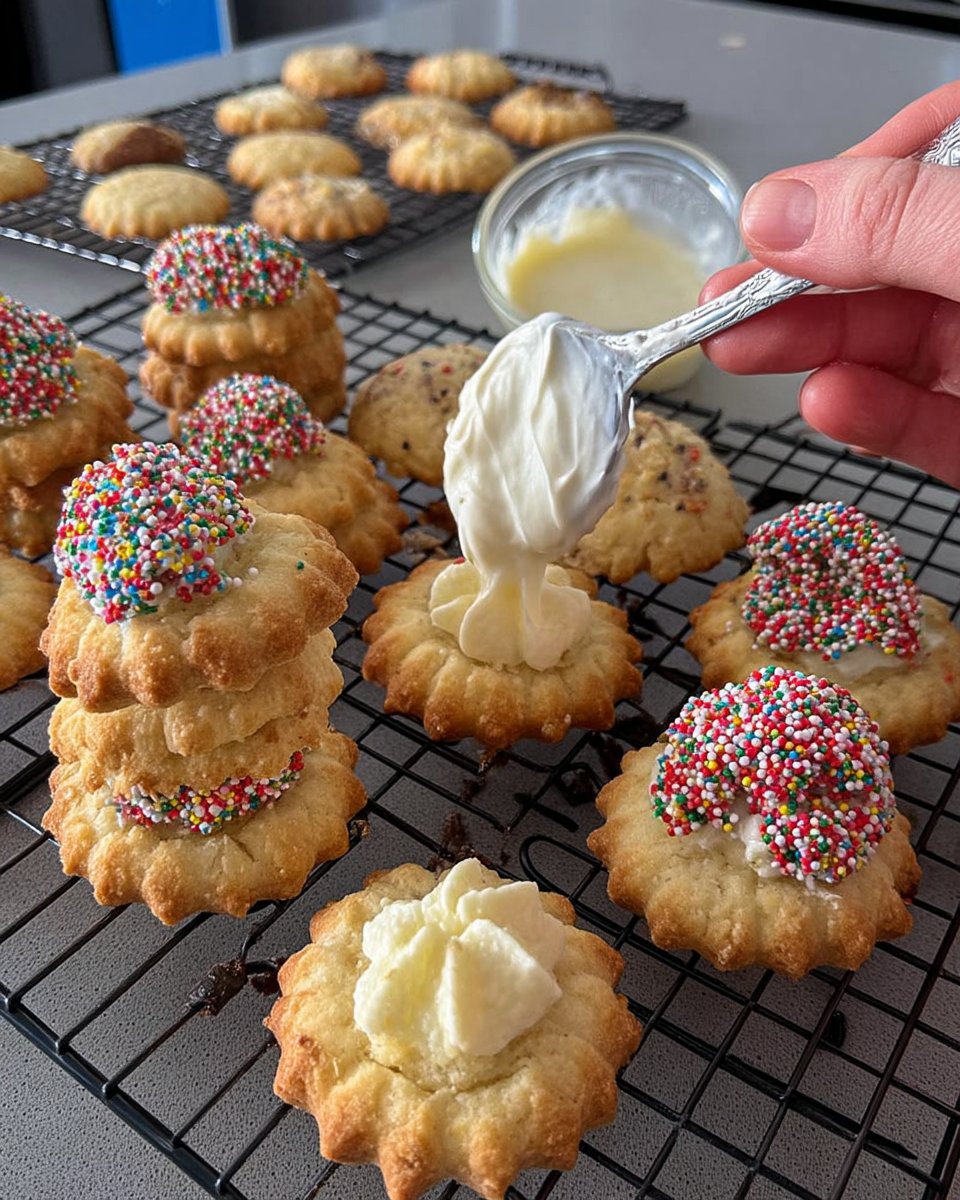
These cookies reach their peak flavor profile approximately four hours after frosting. This allows the extracts to permeate the crumb and the frosting to form a slight crust, providing a satisfying textural contrast. To further explore decorative techniques that maintain structure, visit our Cookie Decorating Studio.
Pair these cookies with a lightly steeped Earl Grey tea. The bergamot in the tea acts as a chemical bridge between the almond in the cookie and the sweetness of the frosting. Always store them in a single layer in an airtight container to prevent the frosting from compressing the crumb of the cookie below it.
The Scientific Truth
Achieving the perfect Fairy Cookie is a triumph of ratio over guesswork. By maintaining the 1/2-inch thickness and adhering to the 8-minute bake time, you create a treat that is both a breakthrough in texture and a remarkable nod to tradition. For more innovative recipes that use these principles, check out our Trending Cookie Creations. We encourage you to share your results and continue your baking journey with us on Facebook, Instagram, Pinterest, and YouTube.