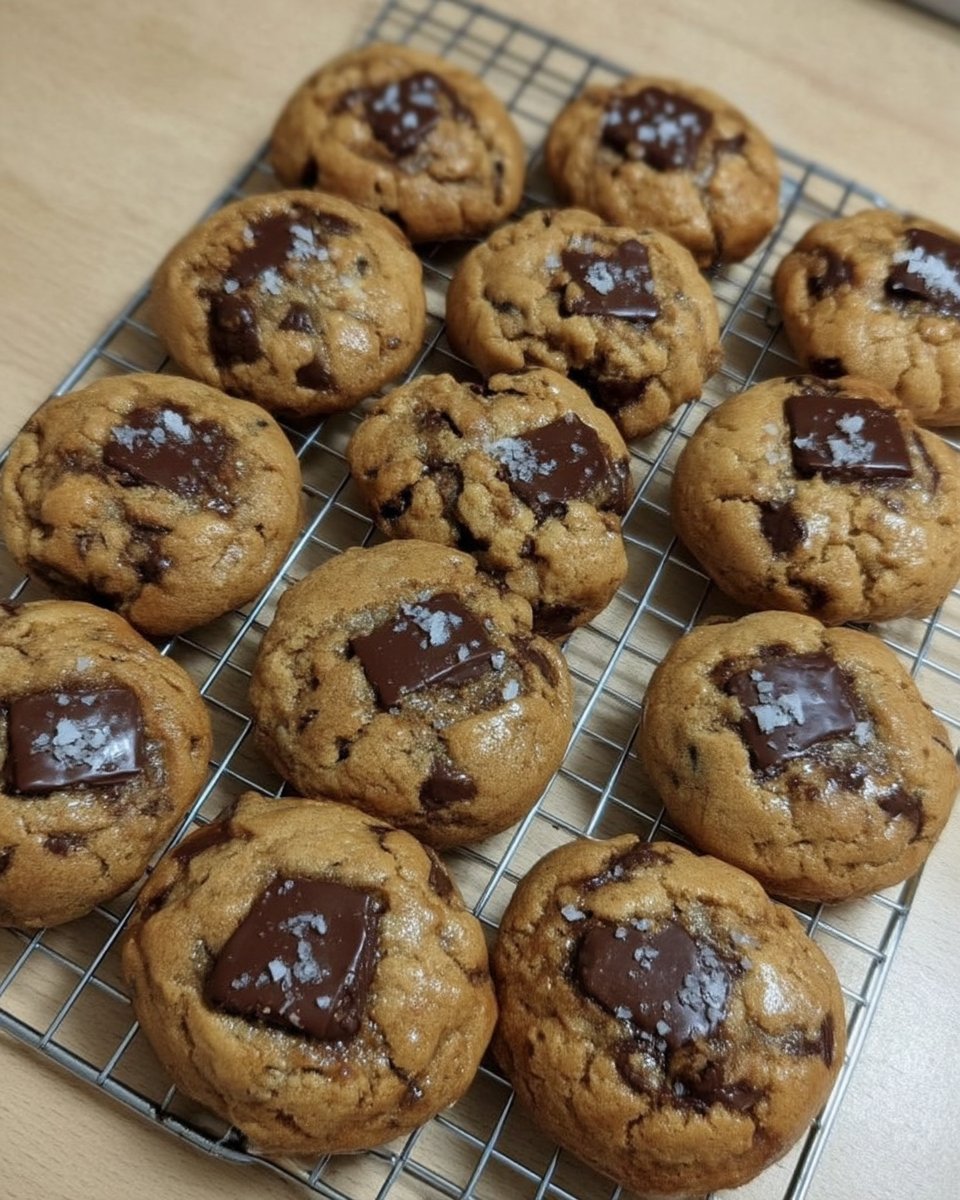
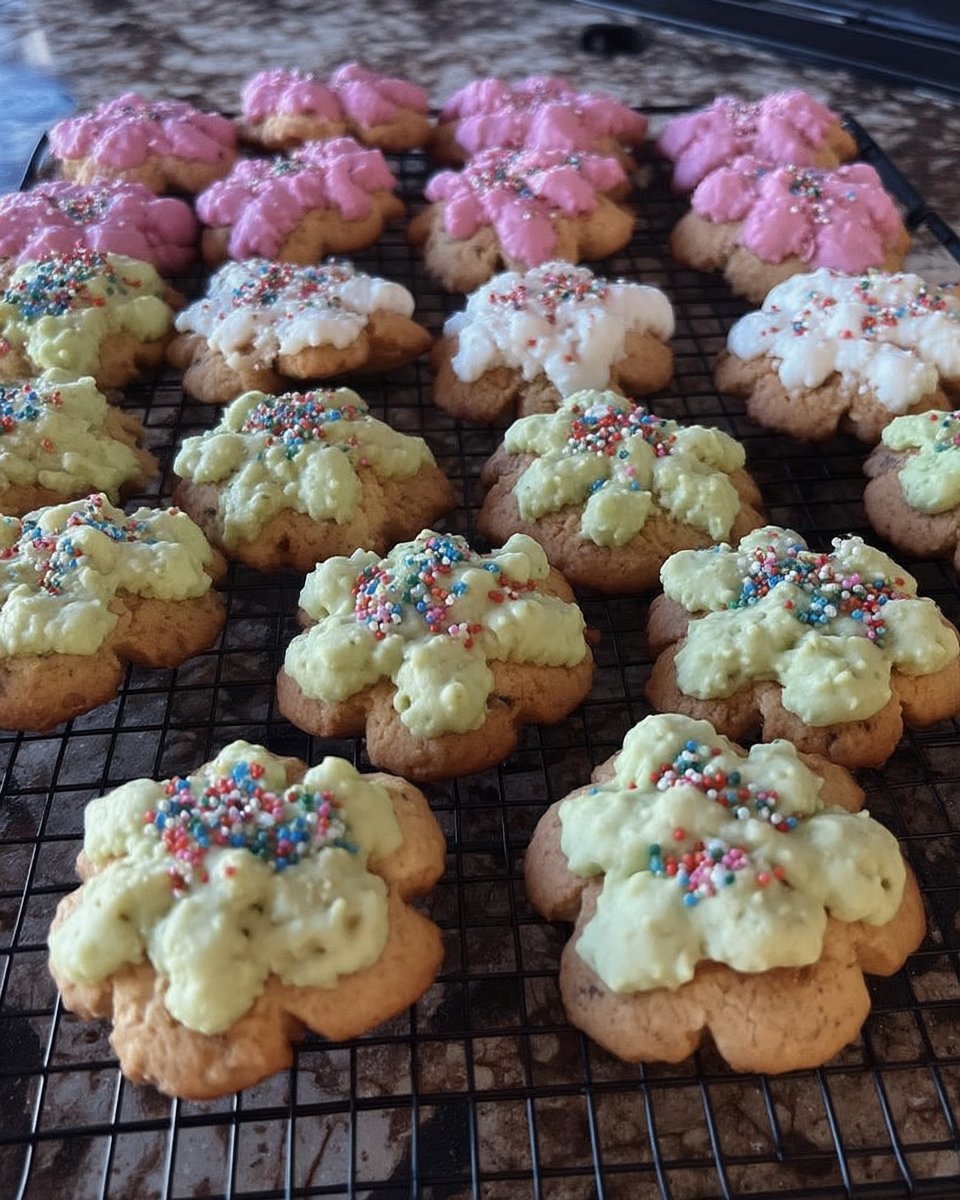
In the Cookies Sweet test kitchen, we recently investigated how to stabilize the crumb of a semi-homemade base. We tested four different oil-to-egg ratios to prevent the typical cakey collapse often found in cake mix lemon cookies. Our findings showed that a precise reduction in liquid allows the lemon zest to provide flavor without compromising the structural integrity of the bake.

This recipe uses a standard 15.25-ounce box as the foundation for a scientific approach to texture. By adding fresh acidity and essential oils from zest, we transform a simple mix into a professional-grade lemon crinkle with a specific moisture-to-fat balance.
Precision Meets Flavor
The chemical foundation of this recipe lies in the pre-calculated ratios of the cake mix, which provides a consistent baseline of flour, sugar, and leavening agents. Unlike traditional scratch recipes where flour protein levels can vary, the mix guarantees a predictable starch structure. This reliability allows us to focus on the flavor chemistry, specifically how the addition of fresh lemon zest interacts with the lipids in the vegetable oil.
You will appreciate the structural integrity of these cookies, which maintain a soft, tender crumb without becoming oily or fragile. By carefully controlling the hydration levels with exactly two large eggs and just under a half cup of oil, we create a dough that is pliable enough to roll but sturdy enough to hold its shape during the thermal expansion in the oven. The result is a cookie that achieves the perfect crinkle—a surface tension phenomenon where the exterior dries and cracks while the interior remains moist and aerated.
Furthermore, the use of vegetable oil instead of butter is a calculated choice for texture. While butter provides flavor, its water content (roughly 15-18%) can lead to excess steam and gluten development. Oil, being 100% fat, coats the flour particles more efficiently, inhibiting gluten formation and resulting in a superior, melt-in-your-mouth feel that highlights the bright, citrus notes of the lemon rather than the heavy notes of dairy fats.
Print
Cake Mix Lemon Cookies
- Total Time: 25 mins
- Yield: 24 cookies
- Diet: Vegetarian
Description
These professional-grade lemon crinkle cookies use a convenient cake mix base enhanced with fresh zest and a precise fat-to-moisture ratio. The result is a soft, tender treat with a perfectly cracked powdered sugar exterior that highlights bright citrus notes.
Ingredients
- 15.25-ounce box lemon cake mix
- 1/2 cup vegetable oil (slightly under, approximately 105g)
- 2 large eggs
- 1 fresh lemon (for 1 tbsp juice and zest)
- 1/4 cup powdered sugar (for coating)
Instructions
- Preheat your oven to 350°F (177°C) and line a heavy-gauge baking sheet with parchment paper.
- In a large glass bowl, vigorously whisk together the vegetable oil and two large eggs for 30 seconds until emulsified.
- Zest the lemon directly into the bowl and stir in exactly 1 tablespoon of fresh lemon juice.
- Add the lemon cake mix and use a spatula to fold the ingredients together until no dry streaks remain.
- If the dough is too soft to handle, refrigerate for 15 to 20 minutes to allow the starches to hydrate.
- Using a 1.5-tablespoon scoop, form the dough into balls and roll them thoroughly in powdered sugar.
- Place the balls 2 inches apart on the baking sheet and bake for 9 to 11 minutes until set.
- Let the cookies rest on the sheet for 2 minutes before transferring them to a wire rack to cool completely.
Notes
To achieve the best visual contrast, apply a thick, even layer of powdered sugar immediately before baking so it does not dissolve into the dough. Always use room temperature eggs to ensure a smooth emulsion with the oil, which prevents the cookies from becoming greasy or flat.
- Prep Time: 15 mins
- Cook Time: 10 mins
- Category: Dessert
- Method: Baking
- Cuisine: American
The Formula for Success
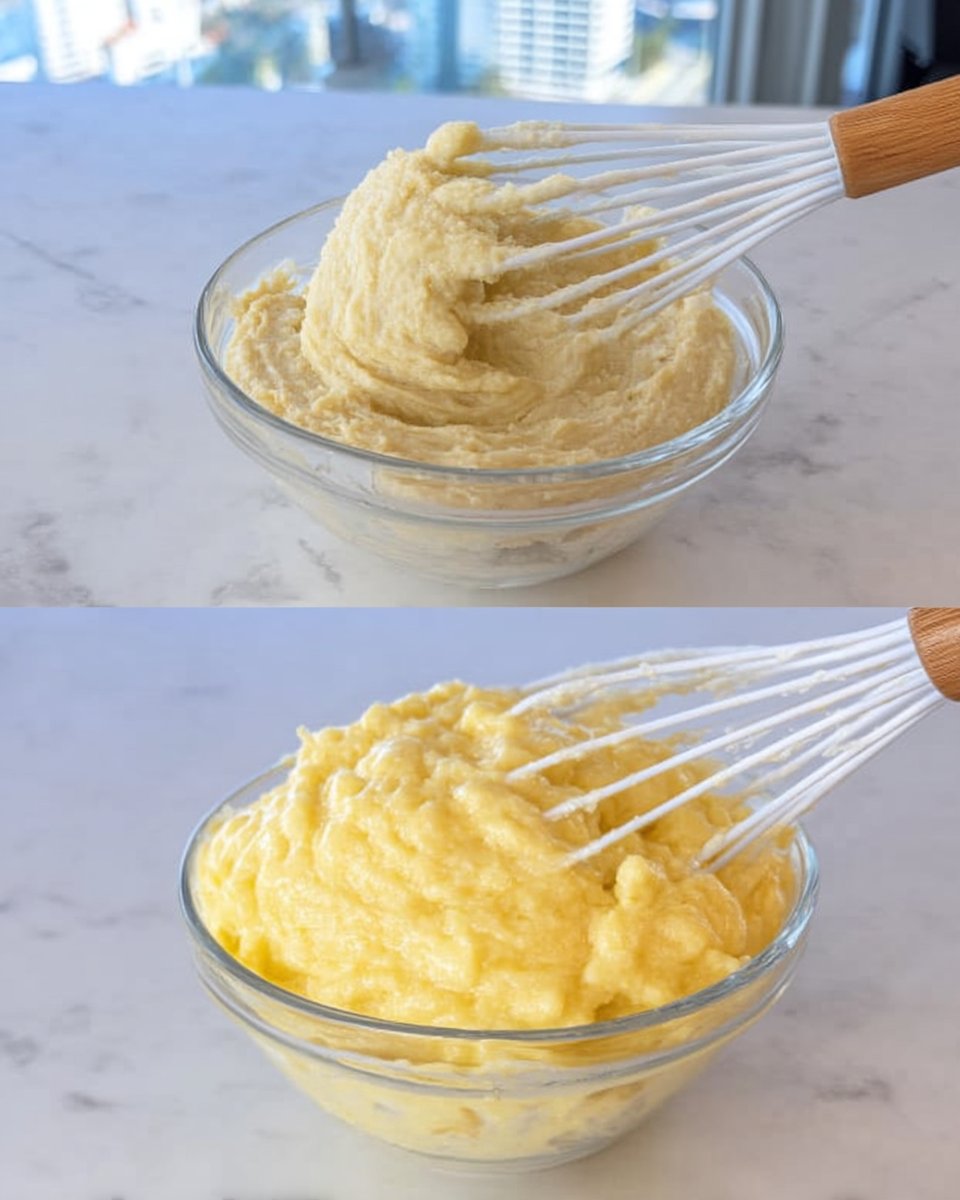
To achieve the perfect balance in your cake mix lemon cookies, each component must be measured with precision. The interactions between these five ingredients are what define the final structural outcome.
- Lemon Cake Mix (15.25 oz): This is your structural base. It contains bleached flour, which has a lower protein content than all-purpose flour, facilitating a softer crumb. The pre-mixed leavening agents are calibrated to react to the moisture we provide.
- Vegetable Oil (1/2 cup, slightly under): We recommend measuring just under the 1/2 cup line to prevent the dough from becoming overly greasy. This fat acts as a tenderizer, preventing the protein chains from becoming too tough.
- Large Eggs (2): These provide the necessary protein for structure and the lecithin required for emulsification. The water content in the whites helps hydrate the starches while the yolks add richness and stability.
- Fresh Lemon (1): You will use both the juice and the zest. The zest contains essential oils like limonene, which provide the deep aromatic profile. The juice adds acidity, which slightly lowers the pH of the dough, affecting both the rise and the final bite.
- Powdered Sugar (1/4 cup): This is used for coating. Chemically, it creates a moisture barrier on the surface of the cookie. As the cookie expands, this dry layer cracks, creating the classic crinkle aesthetic.
Precision in measurement is vital. If you add too much lemon juice, the extra liquid will cause the cookies to spread too much. If you skip the zest, you lose the complex citrus notes that a standard box mix cannot provide on its own. Every ingredient plays a specific role in this edible chemical reaction.
The Scientific Process
Step 1: Thermal Calibration and Sheet Preparation
Begin by preheating your oven to 350°F (177°C). Use an oven thermometer to verify the internal temperature, as home ovens often deviate by 10 to 25 degrees. Line a heavy-gauge baking sheet with parchment paper. This provides a non-stick surface and acts as a thermal buffer, preventing the bottoms of the cookies from browning too quickly before the center is set.
Step 2: Lipid and Protein Emulsification
In a large glass bowl, combine the vegetable oil and two large eggs. Whisk them together vigorously for 30 seconds. This step is critical because it begins the emulsification process, ensuring the fat is evenly distributed throughout the protein of the egg whites. A well-emulsified base leads to a more uniform crumb and prevents the oil from leaching out during baking.
Step 3: Activating Volatile Aromatics
Zest one fresh lemon directly into the oil and egg mixture. The essential oils in the zest are fat-soluble; by adding them to the oil first, you capture and distribute the flavor more effectively. Add exactly 1 tablespoon of fresh lemon juice. The acidity will react with the leavening agents in the mix to produce carbon dioxide, which creates the lift needed for a light texture.
Step 4: Integrating the Chemical Base
Add the lemon cake mix to the wet ingredients. Use a sturdy spatula to fold the dry mix into the liquid. Stop the moment no streaks of dry flour remain. Over-mixing at this stage can lead to excess gluten development, which would turn your tender cookies into a tough, bread-like consistency. The goal is a homogenous, sticky dough.
Step 5: The Hydration and Solidification Phase
If your kitchen environment is warm, refrigerate the dough for 15 to 20 minutes. This resting period allows the flour starches to fully hydrate and the fats to solidify slightly. A chilled dough is significantly easier to handle and will spread more predictably in the oven. This is a common test kitchen technique for maintaining structural integrity.
Step 6: Portioning and Sucrose Barrier
Using a medium cookie scoop (approximately 1.5 tablespoons), portion the dough into consistent spheres. Roll each ball between your palms to create a smooth surface, then roll them thoroughly in powdered sugar. The sugar should completely coat the dough, acting as a desiccant that dries the surface and facilitates the crinkling process.
Step 7: Controlled Thermal Exposure
Place the dough balls on the prepared baking sheet, spaced 2 inches apart to allow for lateral expansion. Bake for 9 to 11 minutes. Watch for the moment the cookies are set and the crinkle pattern is established. They should not show signs of browning on the edges. In our testing, 10 minutes was the optimal duration for a soft-set center.
Step 8: Post-Bake Structural Setting
Allow the cookies to remain on the baking sheet for exactly 2 minutes after removal from the oven. This carry-over cooking time is essential for the structure to firm up. Transfer the cookies to a wire cooling rack to prevent steam from building up underneath, which would soften the bottom crust.
Lauren’s Lab Notes
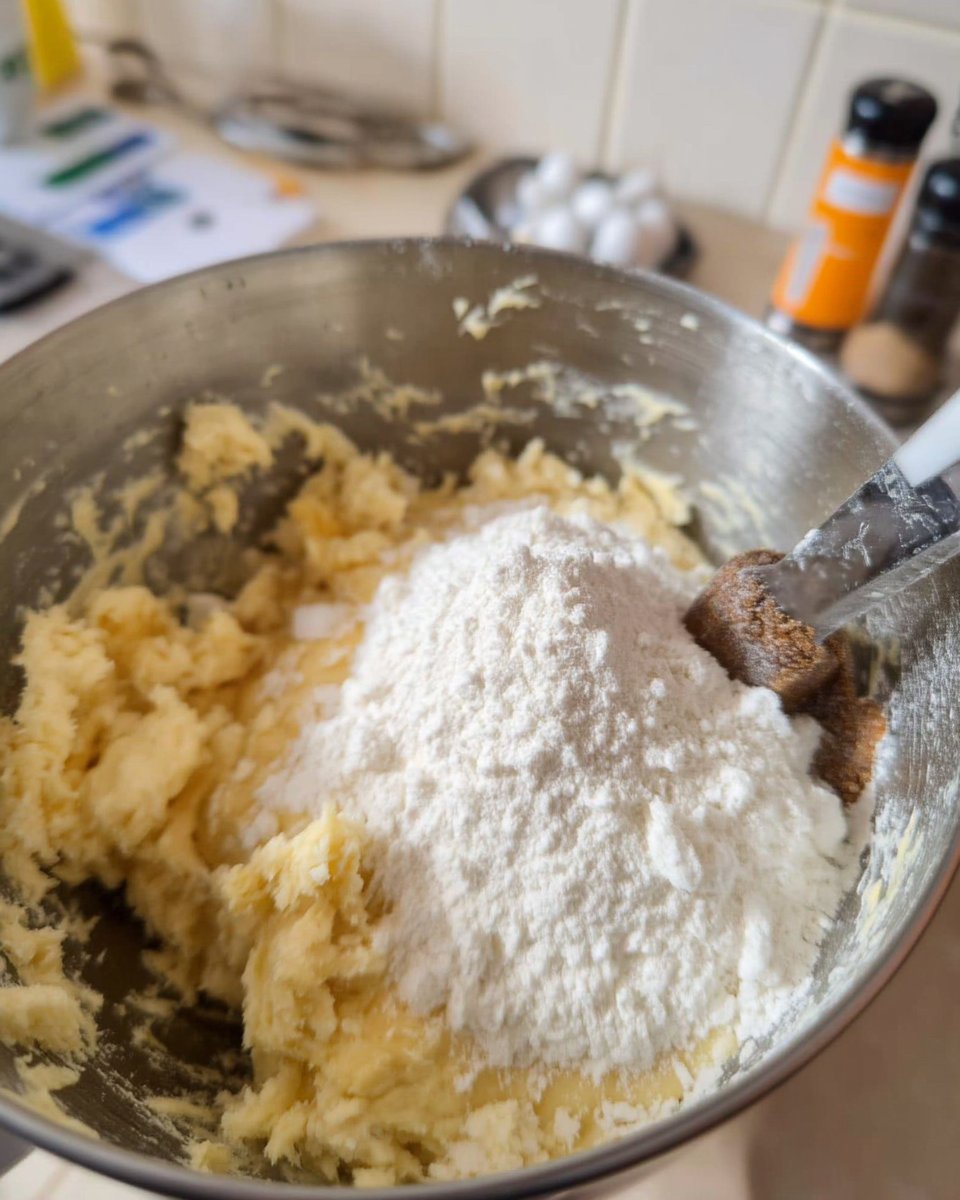
Precision in measuring the vegetable oil is the most common point of failure for cake mix lemon cookies. We recommend using a digital scale to measure 105 grams of oil if you want the most consistent result. If you use a liquid measuring cup, be sure to look at it at eye level and stop just a hair below the 1/2 cup mark to avoid an oily finish.
Another secret for success involves the lemon zest. Use a microplane for the finest texture; large pieces of zest can disrupt the gluten network and cause uneven spreading. If you find your cookies are spreading too thin, it is likely that the lemon juice was more than the required tablespoon or the dough was too warm. For more help with dough consistency, check out our Artisan Cookie Collection where we break down moisture ratios in depth. Always use room temperature eggs to guarantee they emulsify properly with the oil.
Scientific Options
While the base recipe is chemically sound, you can experiment with flavor tweaks if you maintain the moisture balance. For a ‘Lemon Poppy Seed’ variation, add 1 tablespoon of poppy seeds to the dry mix. This adds a physical crunch without altering the liquid-to-dry ratio. If you want to try a ‘White Chocolate Lemon’ version, fold in 1/2 cup of high-quality white chocolate chips. Be aware that white chocolate contains cocoa butter, which will melt and slightly increase the fat content, so you may need to chill the dough for an extra 10 minutes.
For those who prefer a more tart profile, you can add 1/8 teaspoon of citric acid to the powdered sugar coating. This provides a sharp acidic punch that balances the sweetness of the cake mix. If you enjoy experimenting with different textures, you might want to look at our Effortless Cookie Elegance guide for more ways to customize pre-made bases without causing a structural failure.
Pairing Notes
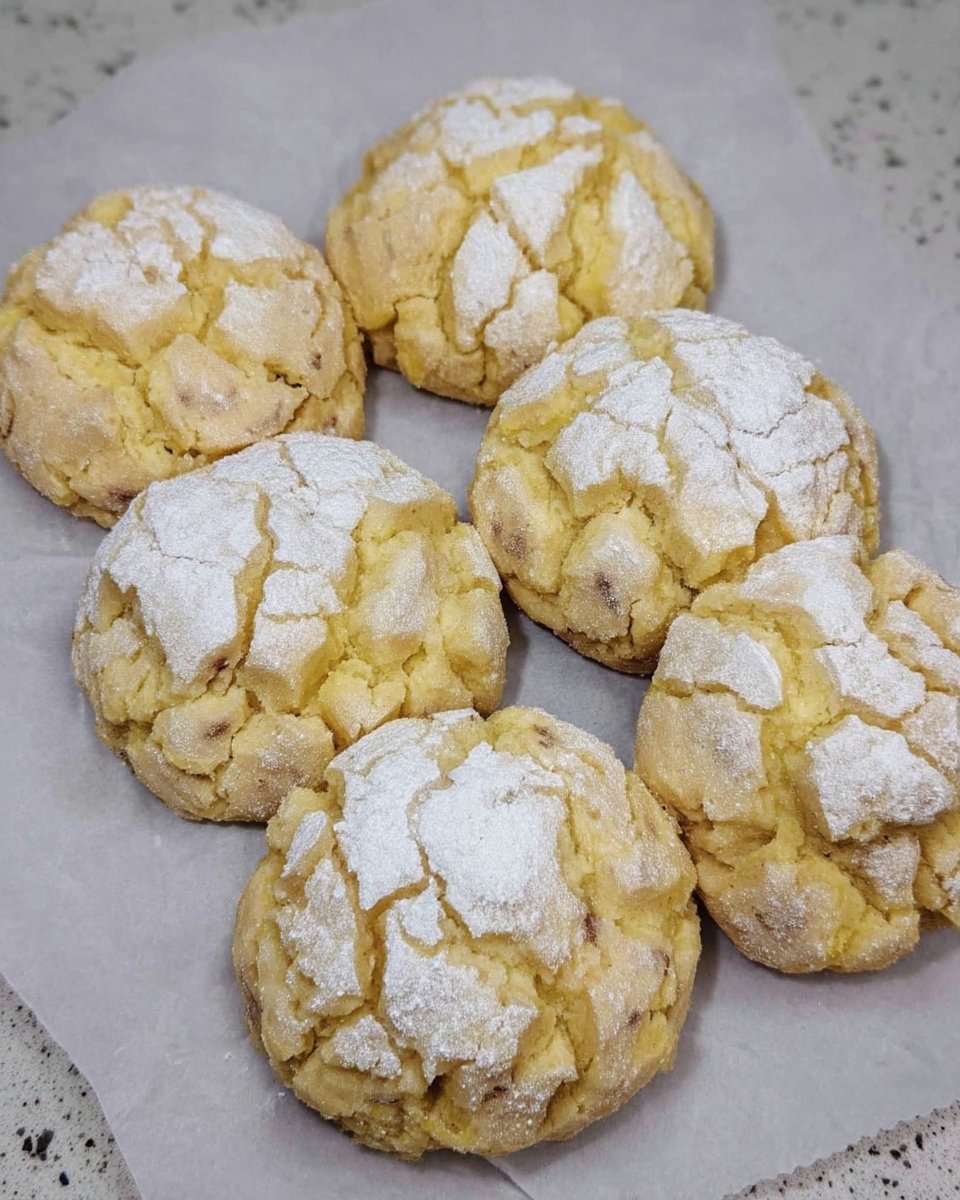
These cake mix lemon cookies are best served at room temperature, which allows the citrus oils to reach their full aromatic potential. When the cookies are cold, the fats in the oil are more solid, which can mute the flavor and make the texture feel denser. If you are serving these at a gathering, try pairing them with a light herbal tea or a dry sparkling wine; the acidity in the wine complements the lemon, while the tea helps cleanse the palate of the sugar.
For an aesthetic touch, serve them on a dark platter to make the white powdered sugar crinkle pattern pop. If you are looking for more ideas on how to present your bakes professionally, our Trending Cookie Creations section offers several tutorials on plating and seasonal displays. Remember that the powdered sugar will eventually absorb moisture from the cookie, so for the best visual ‘crinkle’ effect, serve them within 12 hours of baking.
The Scientific Truth
Success in the kitchen is often about understanding how to manipulate convenient ingredients using professional techniques. By treating a box mix as a chemical base rather than a finished product, you can achieve a result that tastes entirely homemade and technically perfect. We have proven that the addition of fresh citrus and a controlled lipid ratio transforms the humble cake mix into a sophisticated treat. Don’t be afraid to keep testing these ratios in your own kitchen to find your perfect bite. For more seasonal inspiration, see our Seasonal Cookie Design gallery. If you found this scientific approach helpful, please share your results with our community on Facebook and Instagram. Happy baking!