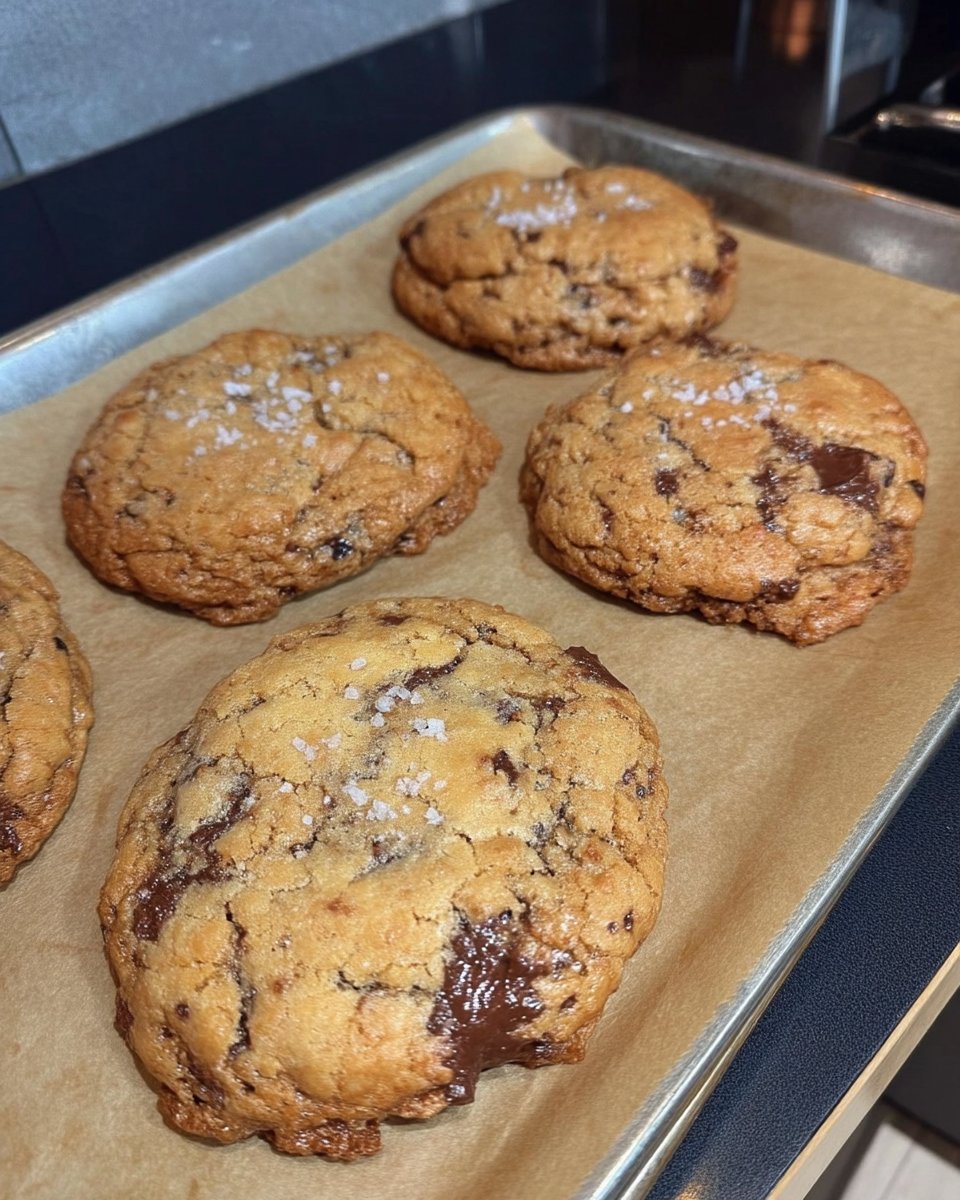
Our test kitchen spent weeks analyzing the precise moisture balance required for a shortbread base that holds its shape without becoming brittle. We discovered that the interaction between the high fat content of the butter and the protein in the egg yolk creates a specific crumb structure that resists cracking when pressed. This Apricot Thumbprint recipe represents a breakthrough in structural stability for fruit-filled cookies.

These cookies focus on the chemistry of stone fruit and buttery dough, using a high-viscosity apricot preserve to prevent weeping during the baking process. By controlling the aeration during the creaming stage, we achieve a dense yet melt-in-your-mouth texture that perfectly supports the tart jam center. This methodical approach makes sure that every cookie maintains a perfect circle and a consistent bake.
Precision Meets Flavor
This recipe stands out because it treats the Apricot Thumbprint not just as a sweet treat, but as a study in ingredient ratios. The primary reason you will find success with this formula is the specific inclusion of an egg yolk without the white. This choice is based on the fact that egg whites contain high amounts of water, which can activate gluten too quickly and lead to a tough, bready cookie. By using only the yolk, we introduce lecithin, a natural emulsifier that binds the fats and liquids into a smooth, stable dough.
Another reason this recipe succeeds is the thermal stability of the apricot jam. Many fruit preserves have a low boiling point, causing them to bubble over and ruin the cookie’s aesthetics. We tested various brands and found that those with a higher pectin content maintain their shape and concentrate their flavor under heat. The addition of almond extract is a scientific choice as well; stone fruits like apricots share a chemical compound called benzaldehyde with almonds, so the extract actually strengthens the natural flavor profile of the fruit rather than just adding a secondary scent.
Finally, the rolling of the dough in granulated sugar isn’t just for sweetness. Those sugar crystals create a physical barrier that helps the dough hold its round shape in the initial minutes of baking. As the butter melts, the sugar crust sets quickly, preventing the bottom of the cookie from spreading too wide. This results in a taller, more professional-looking cookie that has a satisfying crunch before hitting the soft, buttery center.
Print
Apricot Thumbprint
- Total Time: 34 mins
- Yield: 24 cookies
- Diet: Vegetarian
Description
These scientifically-perfected shortbread cookies feature a rich, buttery base and a vibrant apricot jam center. Designed to hold their shape without cracking, they offer a delicate balance of almond-scented dough and sweet fruit preserves.
Ingredients
- 1 cup (226g) unsalted butter, softened to 65°F
- 3/4 cup granulated sugar, plus extra for rolling
- 1 large egg yolk
- 1 teaspoon vanilla extract
- 1/2 teaspoon almond extract
- 2 1/4 cups (280g) all-purpose flour
- 1/4 teaspoon salt
- 1/2 cup high-quality apricot jam
Instructions
- Preheat your oven to 350°F (180°C) and line two heavy-duty baking sheets with parchment paper.
- In a stand mixer with a paddle attachment, cream the softened butter and granulated sugar on medium-high speed for exactly 3 minutes until pale and voluminous.
- Add the egg yolk, vanilla extract, and almond extract, beating on medium speed for 1 minute to fully emulsify the fats.
- Whisk the flour and salt together, then add to the mixer on the lowest speed half a cup at a time, mixing only until streaks disappear.
- Scoop 1 tablespoon (20g) portions of dough, roll into smooth spheres, and coat each ball in a bowl of granulated sugar.
- Place balls 2 inches apart on sheets and use the back of a rounded measuring teaspoon to press a deep well halfway into each cookie.
- Stir the jam to break up clumps and fill each indentation with approximately 1/2 teaspoon of preserve.
- Bake for 12-14 minutes until set and matte; cool on the sheet for 5 minutes before transferring to a wire rack.
Notes
For the most consistent results, always use a digital scale to measure your flour and butter. If you find the dough sticking to your measuring spoon while making indentations, lightly dip the spoon in flour or sugar between cookies.
- Prep Time: 20 mins
- Cook Time: 14 mins
- Category: Dessert
- Method: Baking
- Cuisine: American
The Formula
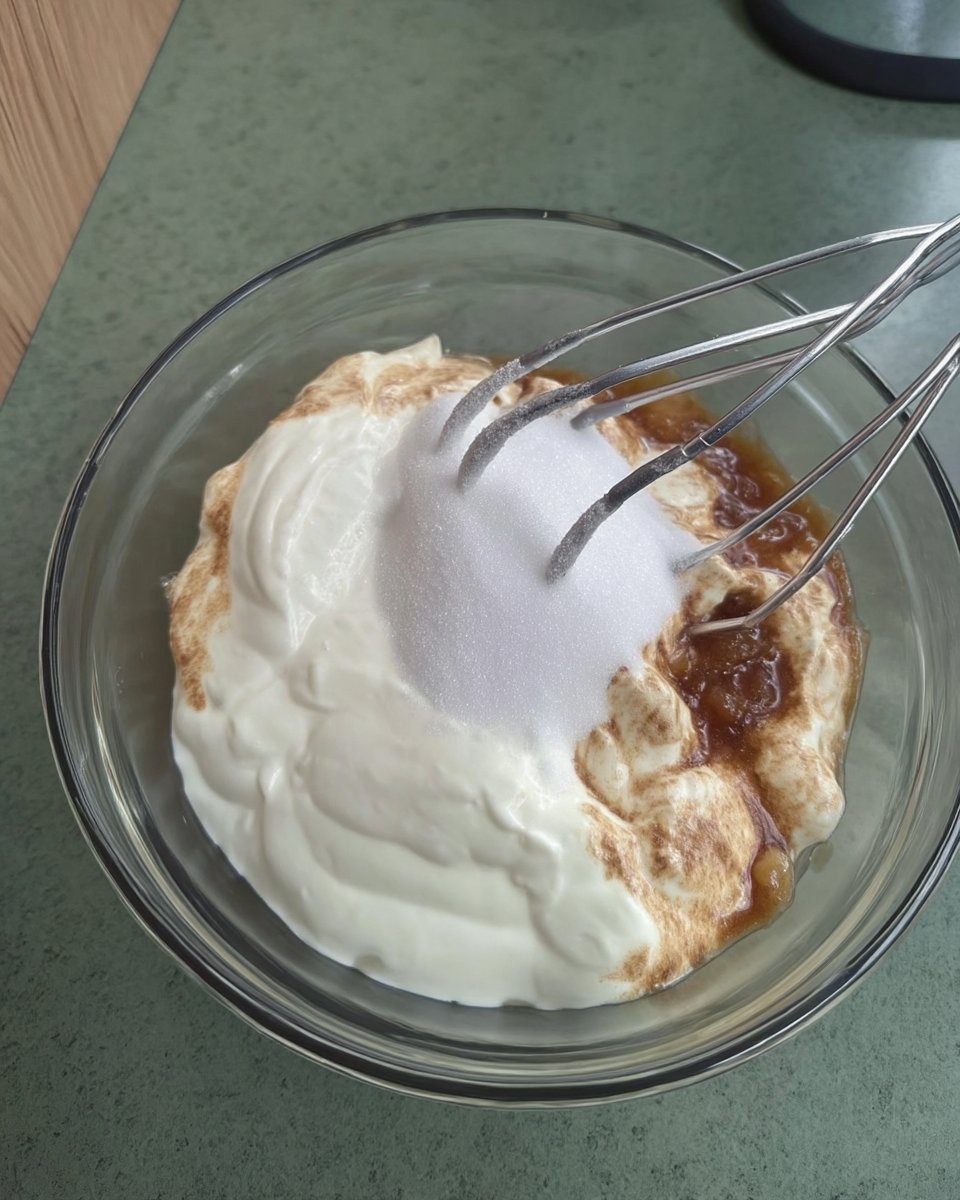
To achieve the perfect Apricot Thumbprint, we must look at the quality and temperature of each component. Every ingredient in this list serves a structural purpose that goes beyond simple flavor.
- Unsalted Butter (1 cup / 226g): We use unsalted butter to have total control over the sodium content, which affects the strengthening of the gluten. The butter must be at 65°F (18°C) to allow for proper air entrapment during creaming.
- Granulated Sugar (3/4 cup): The sugar crystals are the primary tool for aeration. We avoid powdered sugar here because the cornstarch in it can make the dough too dry for a proper thumbprint indentation.
- Egg Yolk (1 large): As the primary emulsifier, the yolk provides the fat necessary for a short, tender crumb. It also adds a rich golden color to the dough.
- Vanilla and Almond Extracts: These provide the aromatic complexity. The almond extract is particularly important for bridging the gap between the butter and the apricot.
- All-Purpose Flour (2 1/4 cups / 280g): We recommend a flour with a protein content of approximately 10.5%. This provides enough structure to hold the jam but low enough gluten to remain tender.
- Salt (1/4 tsp): Salt is essential for rounding out the sweetness and tightening the gluten network just enough to prevent the cookies from collapsing.
- Apricot Jam (1/2 cup): Choose a high-quality preserve with small fruit pieces to make sure the indentation is filled evenly without large gaps.
By measuring these ingredients by weight rather than volume, you maintain the chemical balance required for a consistent bake. Even a slight variation in flour can change the hydration level, leading to cracks in the dough.
The Scientific Process
Step 1: Prep and Thermal Regulation
Preheat your oven to 350°F (180°C). Accuracy is vital, so use an oven thermometer to verify the internal temperature. Line two heavy-duty baking sheets with parchment paper. This provides a non-stick surface while also insulating the bottom of the cookies from the direct heat of the metal, which helps prevent over-browning.
Step 2: Aeration and Creaming
In the bowl of a stand mixer fitted with the paddle attachment, combine the softened butter and granulated sugar. Beat on medium-high speed for exactly 3 minutes. During this time, the sugar crystals cut through the butter, creating millions of tiny air pockets. This process is known as mechanical leavening. The mixture should turn pale and look significantly more voluminous than when you started.
Step 3: Emulsification
Add the egg yolk, vanilla extract, and almond extract to the creamed mixture. Continue beating on medium speed for 1 minute. The lecithin in the egg yolk will act as a bridge between the water-based extracts and the fat-based butter. Scrape down the sides and bottom of the bowl with a silicone spatula to make sure no pockets of butter remain unmixed.
Step 4: Dry Ingredient Integration
Whisk the flour and salt together in a separate small bowl to distribute the salt evenly. Turn the mixer to the lowest speed and add the flour half a cup at a time. Mix only until the white streaks of flour disappear. Over-mixing at this stage develops too much gluten, which will turn your tender shortbread into a tough, elastic biscuit.
Step 5: Shaping and Sugar Coating
Scoop approximately 1 tablespoon (20g) of dough and roll it between your palms to create a smooth, spherical ball. Roll each ball in a small bowl of granulated sugar until fully coated. The sugar coating creates a crystalline structure on the exterior that supports the dough’s rise and prevents excessive spreading.
Step 6: Creating the Indentation
Place the balls 2 inches apart on the prepared sheets. Use the back of a rounded measuring teaspoon to press a deep well into the center of each ball. If the edges crack, the dough might be too cold; simply use your fingers to gently smooth the edges back together. The well should be about halfway through the thickness of the cookie.
Step 7: Filling the Core
Stir the apricot jam in a small bowl to break up any large clumps of fruit. Use a small spoon or a piping bag with a wide tip to fill each indentation with 1/2 teaspoon of jam. Do not overfill, as the jam will expand slightly when the sugars reach their boiling point in the oven.
Step 8: Controlled Baking and Cooling
Bake for 12-14 minutes. Look for the bottoms to be a very pale golden brown. The cookies themselves should look set and matte, not shiny. Let the cookies remain on the hot baking sheets for 5 minutes after removal. This allows the residual heat to finish cooking the center of the cookie without drying out the exterior. Transfer to a wire rack to cool completely.
Lauren’s Lab Notes
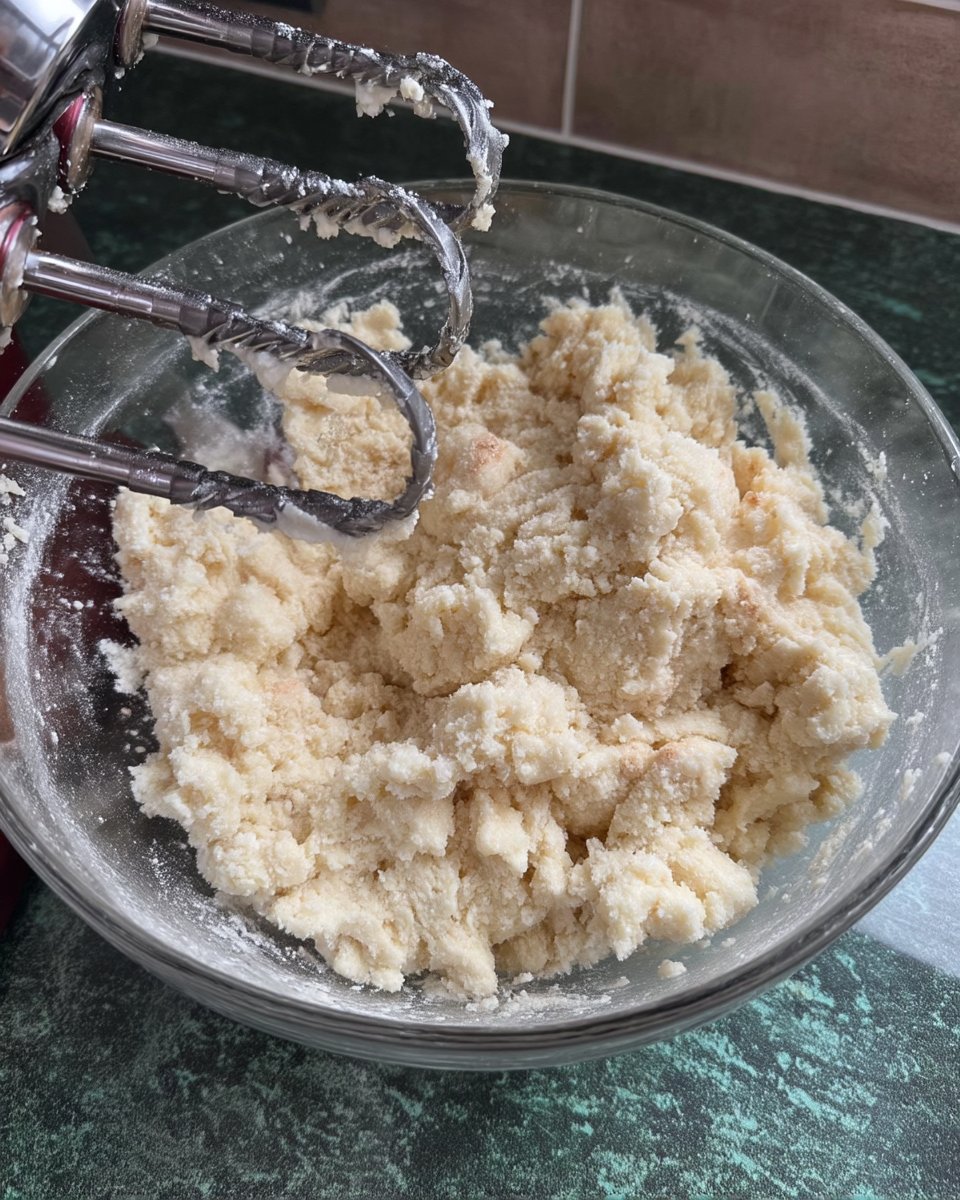
To prevent the dough from cracking when you press your thumb or spoon into it, make sure the dough is at room temperature. If the dough has been chilled, the fats are too solid to move fluidly, leading to structural fractures. If you do notice cracking, you can lightly dampen your finger to smooth the dough back into place. For those who want to see how these structural principles apply to other styles, check out our Artisan Cookie Collection for more deep dives into dough chemistry. Another tip is to use a high-quality jam that lists fruit as the first ingredient; cheaper jams often use corn syrup as a thickener, which has a lower melting point and can cause the filling to run. You can also compare this method to other techniques found at Dollop of Dough to see how different bakers handle fruit stability.
Tested Variations
If you prefer a different fruit profile, raspberry and blackberry preserves are excellent substitutes because they share a similar pectin density to apricot. When using these, you might want to skip the almond extract and use lemon zest instead to highlight the acidity of the berries. For those interested in seasonal changes, our Seasonal Cookie Design section offers many ways to adapt this base dough for different holidays. You can also experiment with a nut-crusted version: instead of rolling the dough in sugar, dip the balls in egg white and then roll them in finely chopped walnuts or pecans. The protein in the egg white creates a strong bond that keeps the nuts attached during the expansion phase of baking.
Pairing Notes
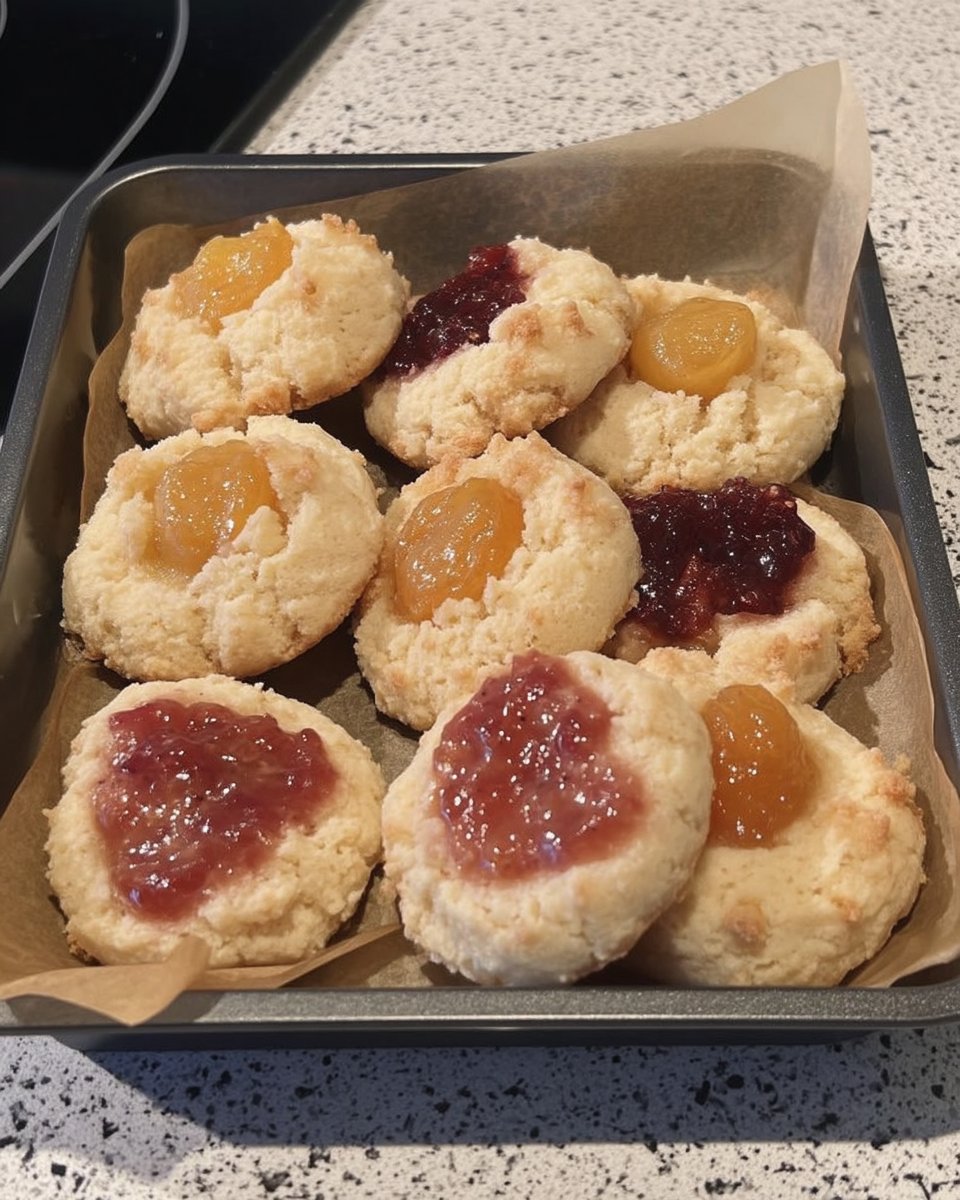
These cookies are best served once the jam has completely cooled and set, which usually takes about two hours. At this stage, the sugars in the jam have stabilized, and the moisture from the fruit has slightly migrated into the surrounding dough, creating a soft transition between the filling and the crust. To learn more about finishing techniques for beautiful displays, visit our Cookie Decorating Studio. For a sophisticated pairing, serve these with a strong Earl Grey tea; the bergamot in the tea complements the floral notes of the apricot and the nuttiness of the almond extract perfectly. Store any leftovers in an airtight container with parchment paper between layers to prevent the jam from sticking to the bottoms of other cookies.
The Scientific Truth
Mastering the Apricot Thumbprint is a triumph of understanding how fats and sugars interact under heat. When you follow these precise steps, you move beyond basic baking and begin to engineer a perfect texture. We invite you to continue your journey into baking science by looking at our Trending Cookie Creations. Please share your results with us on Facebook or Instagram so we can see your baking breakthroughs. Keep testing, keep measuring, and keep enjoying the delicious results of your precision.