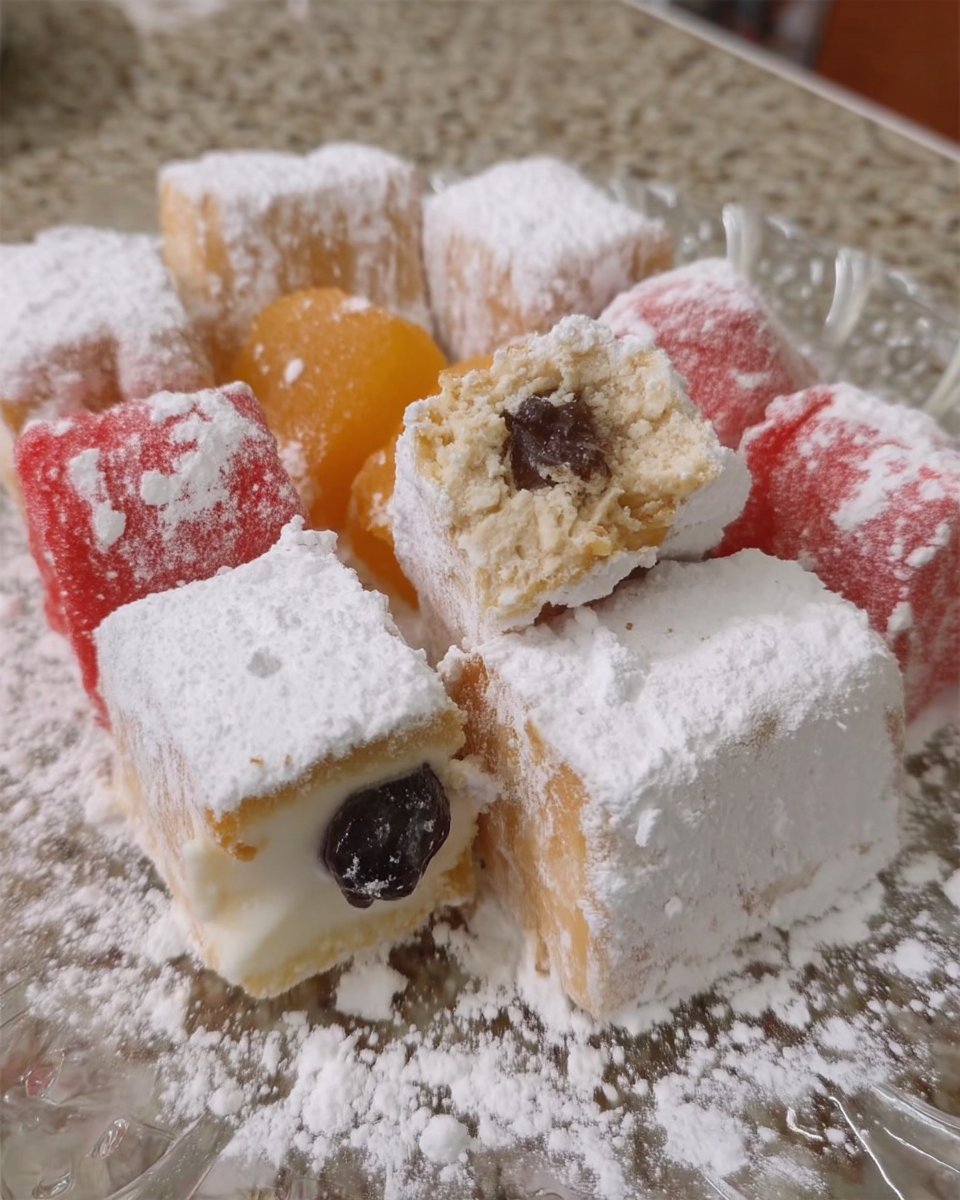
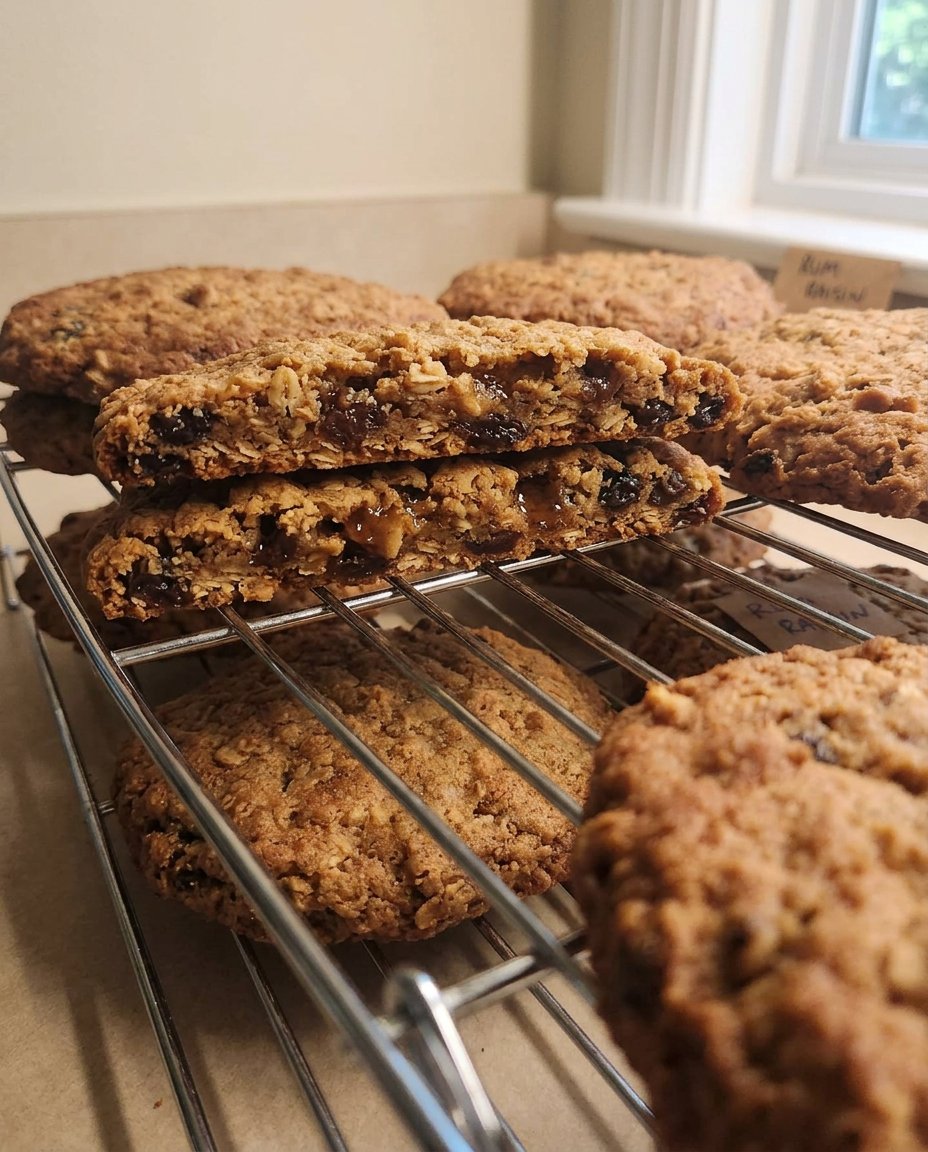
In the Cookies Sweet test kitchen, we recently investigated how different soaking durations for raisins impact the structural integrity of a spiced dough. We found that a 24-hour soak in dark rum allows the fruit to reach maximum hydration without releasing excess liquid into the surrounding cookie matrix during the bake. This precision prevents the common issue of soggy bottoms while guaranteeing that every bite delivers a concentrated burst of flavor.

These rum raisin cookies represent a study in flavor balance and moisture control. By pairing a high-moisture molasses dough with a stabilized rum-fruit filling, we achieve a texture that is simultaneously soft and structured. It is a recipe designed for those who appreciate the scientific rigor required to make a boozy treat both sophisticated and technically sound.
The Chemistry of a Perfect Soft Crumb
You will appreciate this recipe because it solves the traditional problem of fruit-filled cookies becoming overly soft or falling apart. Most versions rely on dry raisins that pull moisture away from the dough, leading to a crumbly texture. Our method uses a starch-stabilized filling that locks the rum and fruit juices in place, protecting the surrounding cookie structure.
The addition of molasses (approximately 1/4 cup plus 2 tablespoons) does more than just add flavor; it introduces invert sugars that are naturally hygroscopic. This means the cookies actively attract and hold onto moisture, staying soft for up to four days without the use of artificial softeners. This is a triumph of ingredient interaction where the heat of ground ginger and cinnamon meets the deep, fermented notes of the rum for a truly remarkable sensory experience.
Print
Rum Raisin Cookies
- Total Time: 25 hours 12 mins
- Yield: 24 cookies
- Diet: Vegetarian
Description
These sophisticated rum raisin cookies feature a tender molasses-spiced dough wrapped around a luscious, rum-soaked fruit center. The addition of arrowroot ensures a stable, jam-like filling that pairs perfectly with the warm notes of ginger and cinnamon.
Ingredients
- 1/2 cup (80g) raisins
- 1/2 cup (120ml) dark rum
- 2 1/4 cups (280g) all-purpose flour
- 1 tsp baking soda
- 2 tsp ground ginger
- 1 1/2 tsp cinnamon
- 1/4 tsp ground cloves
- 1/4 tsp ground nutmeg
- 1/2 tsp salt
- 3/4 cup (170g) softened salted butter
- 3/4 cup (150g) brown sugar
- 1/4 cup plus 2 tablespoons molasses
- 1 large egg, room temperature
- 1 egg yolk, room temperature
- 2 tsp vanilla extract
- 1 tbsp butter (for filling)
- 1 tbsp honey
- 1/2 tbsp arrowroot starch
- 1/2 tbsp lemon juice
- Granulated white sugar for rolling
Instructions
- Place raisins in a glass jar with dark rum and soak for at least 24 hours to ensure full hydration.
- In a medium bowl, whisk together the flour, baking soda, ginger, cinnamon, cloves, nutmeg, and salt for 30 seconds.
- Using a stand mixer with a paddle attachment, cream 3/4 cup butter and brown sugar on high speed for 2 minutes.
- Add the molasses, egg, egg yolk, and vanilla extract, beating for 1 minute to create a stable emulsion.
- Gradually mix in the dry ingredients on the lowest speed just until no flour streaks remain.
- Cover the dough and refrigerate for 1 to 2 hours to stabilize the fats and hydrate the flour.
- Prepare the filling by melting 1 tbsp butter and honey in a saucepan, then whisking in a slurry of arrowroot and lemon juice.
- Add the raisins and their soaking rum to the pan and simmer for 5-10 minutes until thickened; cool to room temperature.
- Preheat oven to 350°F (177°C) and line heavy-gauge sheet pans with parchment paper.
- Scoop 2.5 tablespoon portions of dough, split each in half, and create an indentation for 1 teaspoon of raisin filling.
- Seal the dough around the filling, roll into an egg-like shape, and coat in granulated sugar.
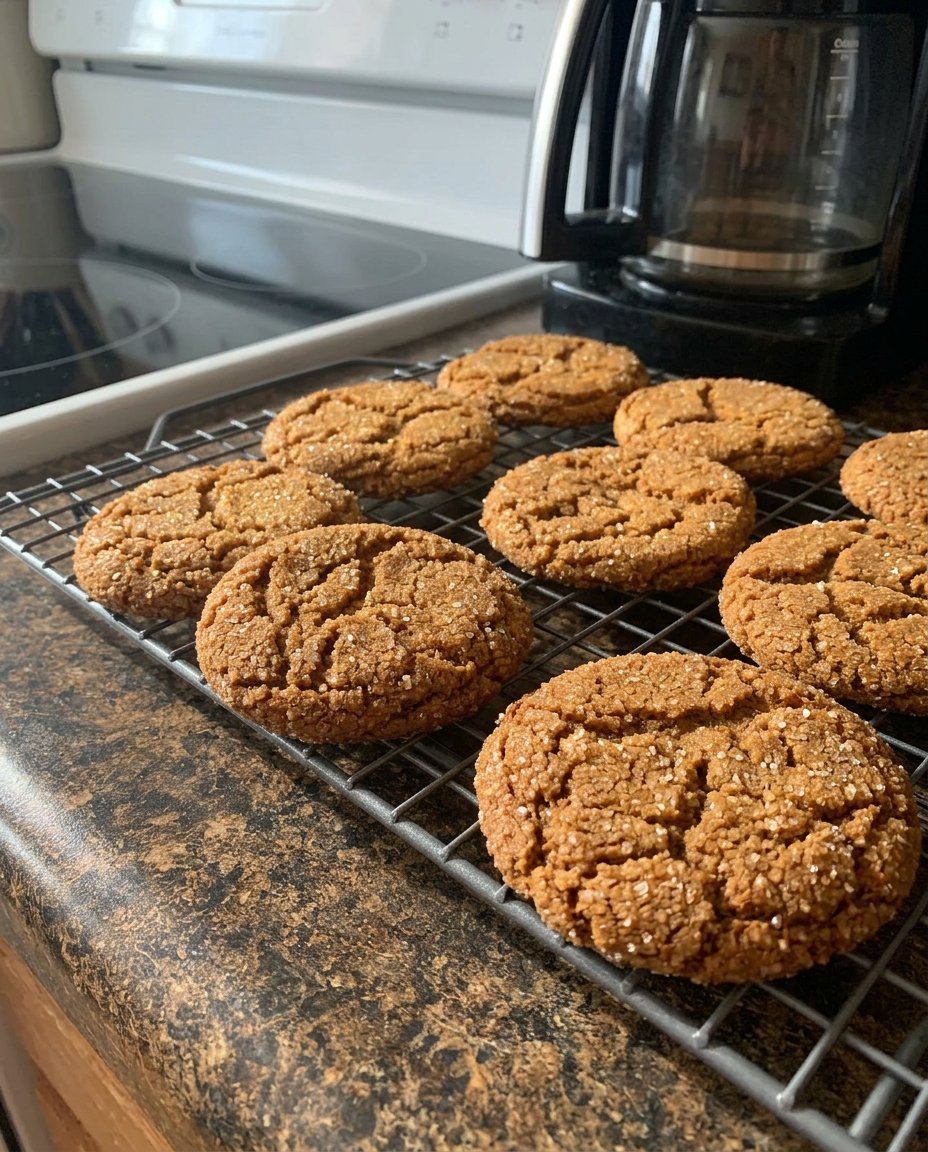
- Bake for 10-12 minutes until edges are set but centers are soft, then cool on a wire rack.
Notes
For the most consistent results, ensure your eggs and butter are at room temperature to prevent the dough from breaking during the emulsion stage. If the raisin filling appears too thin, continue simmering until it reaches a thick, jam-like consistency before attempting to stuff the cookies. These treats develop a deeper flavor and softer texture if allowed to sit in an airtight container for 24 hours after baking.
- Prep Time: 25 hours
- Cook Time: 12 mins
- Category: Dessert
- Method: Baking
- Cuisine: American
The Formula for Spiced Success
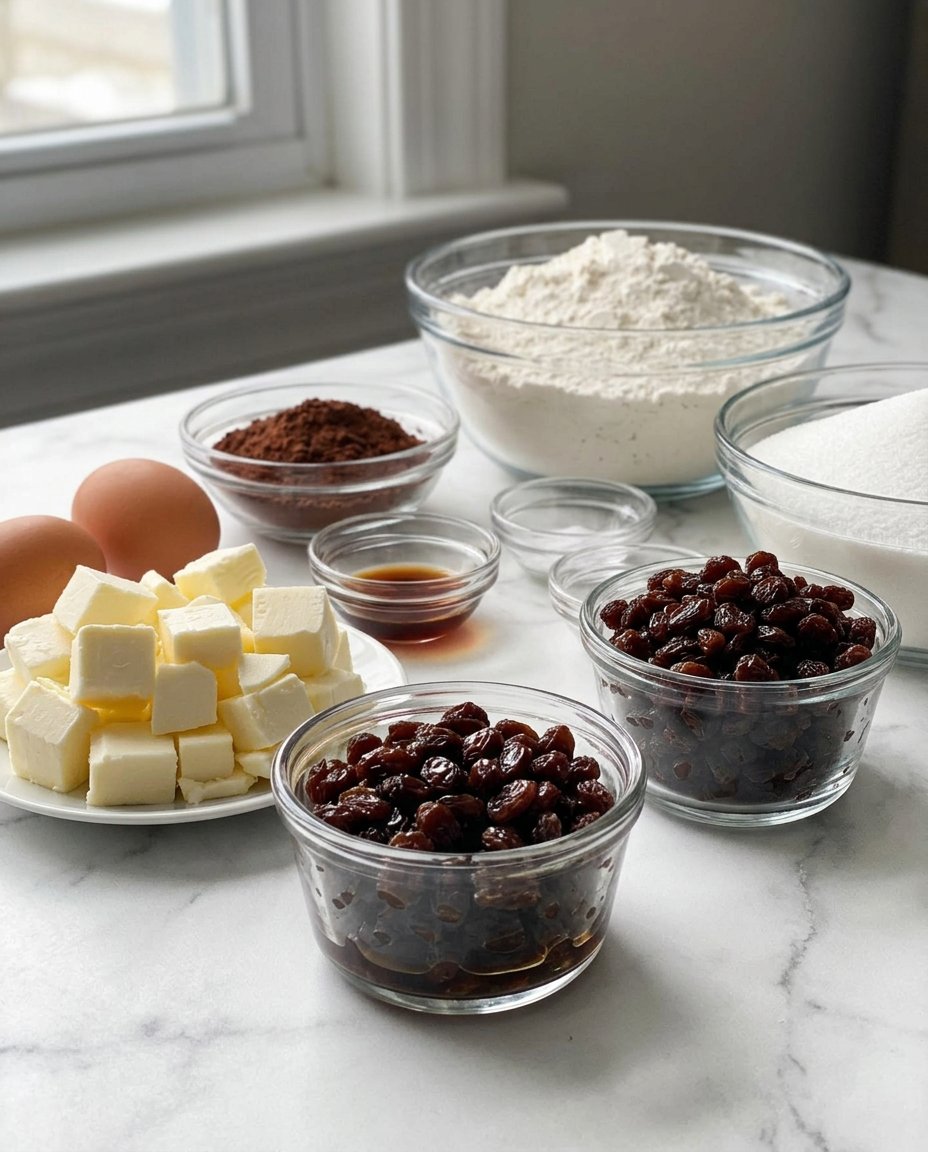
To achieve the specific crumb structure required for these cookies, each ingredient must be measured with precision. We recommend using a digital scale for the flour to hit exactly 280 grams (2 1/4 cups), as even a small variance in starch can lead to a dry cookie.
- All-Purpose Flour (280g / 2 1/4 cups): This provides the medium-protein base (around 10-12%) necessary for a chewy but stable structure.
- Rum-Soaked Raisins: Use a dark rum for its high ester content, which provides a deeper caramel-like flavor compared to white rum.
- Molasses: We use unsulphured molasses to provide acidity. This acidity reacts with the 1 teaspoon of baking soda to create the carbon dioxide bubbles needed for a soft, aerated rise.
- Egg and Egg Yolk: The extra yolk adds lecithin and fat, which improves the emulsification of the dough and contributes to a richer mouthfeel without adding excess water from an additional egg white.
- Arrowroot Starch: This is the secret to our stabilized filling. Arrowroot creates a clear, neutral gel that holds the rum in place during the thermal expansion of the baking process.
- Spices: Ground ginger (2 tsp), cinnamon (1 1/2 tsp), and cloves (1/4 tsp) are toasted slightly by the oven heat, activating their volatile oils for a more intense aromatic profile.
The Scientific Process
Step 1: Hydrate the Fruit
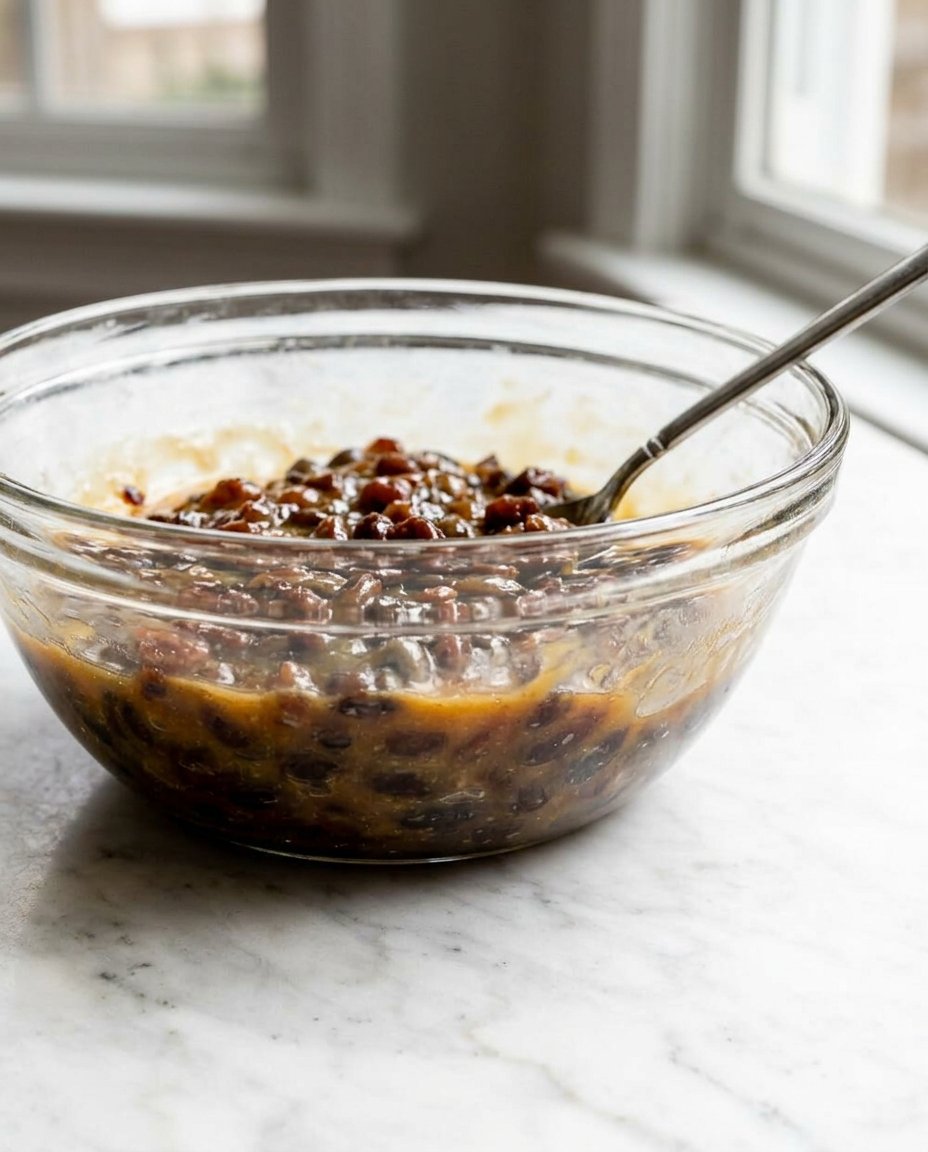
Place 1/2 cup (80g) of raisins in a clean glass jar and pour in 1/2 cup (120ml) of rum. Make sure the raisins are fully submerged to allow for even osmosis. Cover the jar and let it sit for at least 24 hours. This long soak allows the rum to penetrate the cellular structure of the raisin, preventing the fruit from acting as a moisture-thief once it is inside the dough.
Step 2: Combine Dry Ingredients
In a medium bowl, whisk together 2 1/4 cups flour, 1 tsp baking soda, 2 tsp ground ginger, 1 1/2 tsp cinnamon, 1/4 tsp ground cloves, 1/4 tsp ground nutmeg, and 1/2 tsp salt. Whisking for at least 30 seconds helps distribute the leavening agent and spices evenly, preventing localized ‘hot spots’ of baking soda that can cause uneven browning.
Step 3: Mechanical Aeration
In a large bowl, use a stand mixer with the paddle attachment to beat 3/4 cup (170g) of softened salted butter with 3/4 cup (150g) of brown sugar. Beat on high speed for exactly 2 minutes. This process, known as creaming, creates tiny air pockets in the fat which the baking soda will later expand. Scrape the sides of the bowl to make sure no pockets of unmixed fat remain.
Step 4: Emulsify the Wet Ingredients
Drizzle in the 1/4 cup plus 2 tablespoons of molasses and beat until combined. Add the room temperature egg, the egg yolk, and 2 tsp of vanilla extract. Beating for 1 minute at this stage is vital to form a stable emulsion. If your eggs are cold, they may cause the butter to seize, resulting in a broken dough structure.
Step 5: Low-Speed Integration
Gradually add the dry ingredient mixture to the wet base. Set your mixer to the lowest speed and stop the moment no streaks of white flour are visible. Over-mixing at this stage will develop excess gluten, leading to a tough, bread-like cookie rather than a tender one.
Step 6: Thermal Stabilization
Cover the dough and refrigerate for 1 to 2 hours. Chilling the dough is a non-negotiable step. It allows the flour to fully hydrate and solidifies the butter, which controls the rate of spread in the oven. A cold dough produces a thicker cookie with a more concentrated flavor.
Step 7: Create the Stabilized Filling
While the dough chills, melt 1 tbsp butter and 1 tbsp honey in a small saucepan. In a separate bowl, stir 1/2 tbsp arrowroot starch with 1/2 tbsp lemon juice until dissolved. Add this slurry to the saucepan and stir for one minute. Pour in the raisins and all the remaining rum from the jar. Simmer for 5-10 minutes until the mixture thickens into a jam-like consistency. Let it cool to room temperature (about 70°F / 21°C) before assembly.
Step 8: Prep the Baking Station
Preheat your oven to 350°F (177°C). Line two heavy-gauge sheet pans with parchment paper. Using a #24 cookie scoop, portion out 2 1/2 tablespoon-sized balls. Keep one tray in the refrigerator while you work on the other to maintain a consistent dough temperature.
Step 9: Assemble the Inclusions
Split each dough ball into two equal halves. Use the back of a teaspoon to create a small indentation in one half. Place 1 teaspoon of the cooled raisin filling into the center. Place the other half of the dough on top and pinch the edges to seal. Roll the dough into an egg-like shape; this vertical orientation helps the cookie maintain its height during the bake.
Step 10: Optional Sugar Coating
For a professional finish, roll each assembled ball in a bowl of granulated white sugar. This creates a crystalline crust that adds a pleasant crunch and helps control surface cracking through moisture migration during the first few minutes of baking.
Step 11: Controlled Baking
Bake for 10-12 minutes. The cookies are done when the edges are set and have turned a deep golden brown, but the centers still look slightly soft. Do not over-bake, as the carry-over heat from the pan will continue to cook the centers once removed from the oven.
Step 12: Final Cooling
Allow the cookies to rest on the sheet pan for 5 minutes to let the internal structure set. Transfer them to a wire cooling rack. This prevents steam from being trapped underneath the cookie, which would soften the bottom crust. Once completely cool, the starch in the filling will be fully set.
Lauren’s Lab Notes
To achieve the best results, pay close attention to the temperature of your ingredients. Butter should be around 65°F (18°C) for the most effective creaming. If your kitchen is warm, your dough may become too soft during assembly. If this happens, return the tray to the freezer for 10 minutes before baking. For a deeper dive into cookie mechanics, see our Artisan Cookie Collection.
If you find your cookies are spreading too much, it is likely that the raisin filling was still too warm when you assembled them, or the rum wasn’t fully thickened by the arrowroot. You can find more troubleshooting tips for boozy bakes in this guide to Rum Cookies. Always make sure the filling is completely cool to the touch to maintain the integrity of the dough walls.
Tested Flavor Variations
If you prefer a different fruit profile, you can substitute the raisins with dried currants or chopped dried cherries. Currants have a smaller surface area and provide a more uniform distribution of fruit. When making this swap, keep the rum ratios the same as the hydration requirements for these fruits are nearly identical to raisins. For more innovative ideas, browse our Trending Cookie Creations.
For a non-alcoholic version, you can substitute the rum with a strong brewed chai tea or a mix of apple cider and 1 tsp of rum extract. Note that since tea lacks the sugar content of rum, you should add an extra teaspoon of honey to the filling to maintain the same viscosity. This modification was tested in our kitchen and found to maintain the same structural balance as the original recipe.
Pairing and Texture Science
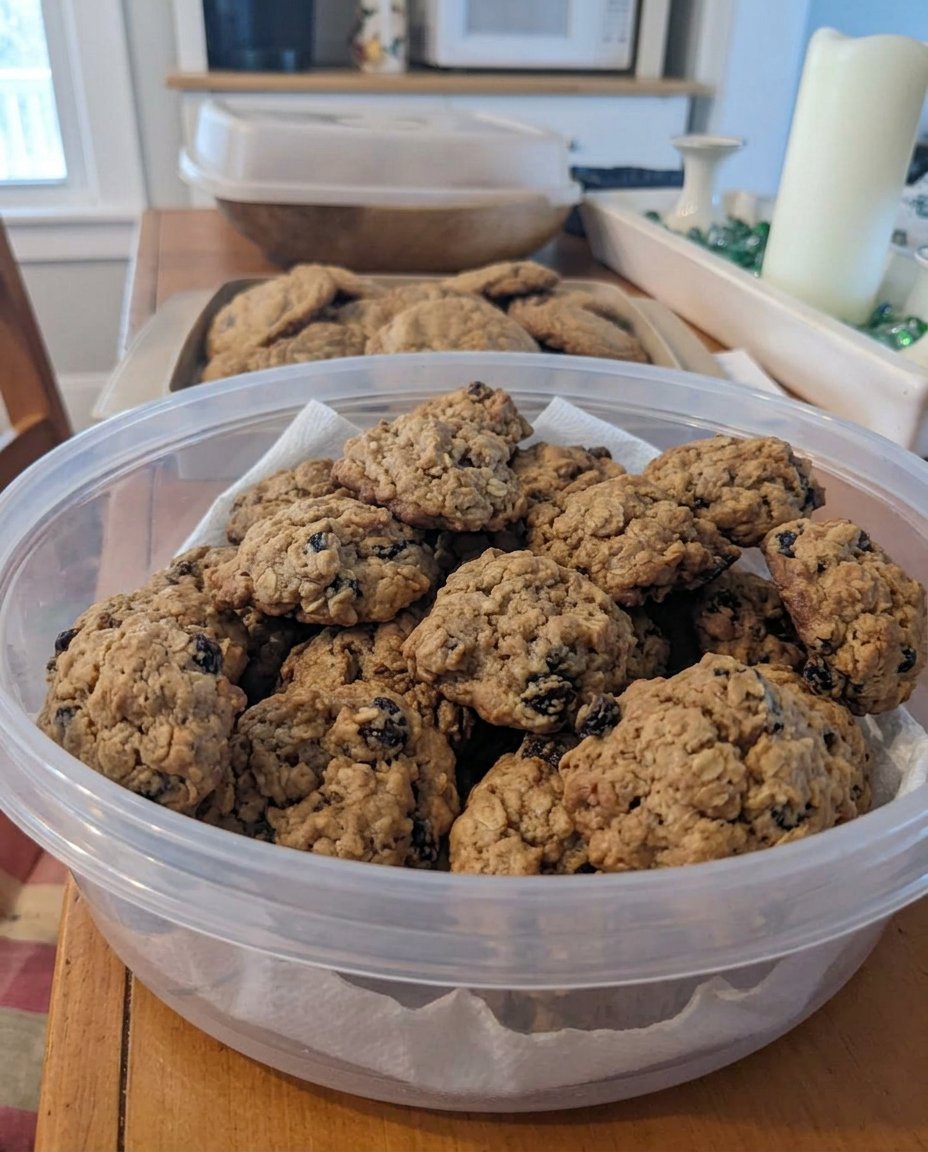
These cookies are best served at room temperature (around 70°F / 21°C) when the butter and molasses have reached their ideal plasticity. If served too cold, the spices will be muted; if served too warm, the filling may be too fluid. We recommend pairing them with a sharp cheddar cheese or a cup of black tea to balance the sweetness of the raisins. For more pairing advice, visit our Effortless Cookie Elegance guide.
To store, place them in an airtight container with a small piece of parchment paper between layers. Because of the hygroscopic nature of the molasses, they will actually become slightly softer and more flavorful on the second day as the spices have more time to bloom and the moisture levels equalize throughout the dough.
The Scientific Truth
Successful baking is a balance of precision and patience. These rum raisin cookies prove that by understanding the chemistry of your ingredients—from the gelling properties of arrowroot to the moisture-retaining power of molasses—you can create a complex, filled cookie that remains structurally sound. We encourage you to keep testing these ratios and exploring how different spirits or spices change the final result. For more seasonal inspiration, see our Seasonal Cookie Design gallery.
Share your baking results with our community on Instagram, Facebook, or Pinterest. We love to see how your precision leads to your own unique flavor breakthroughs.