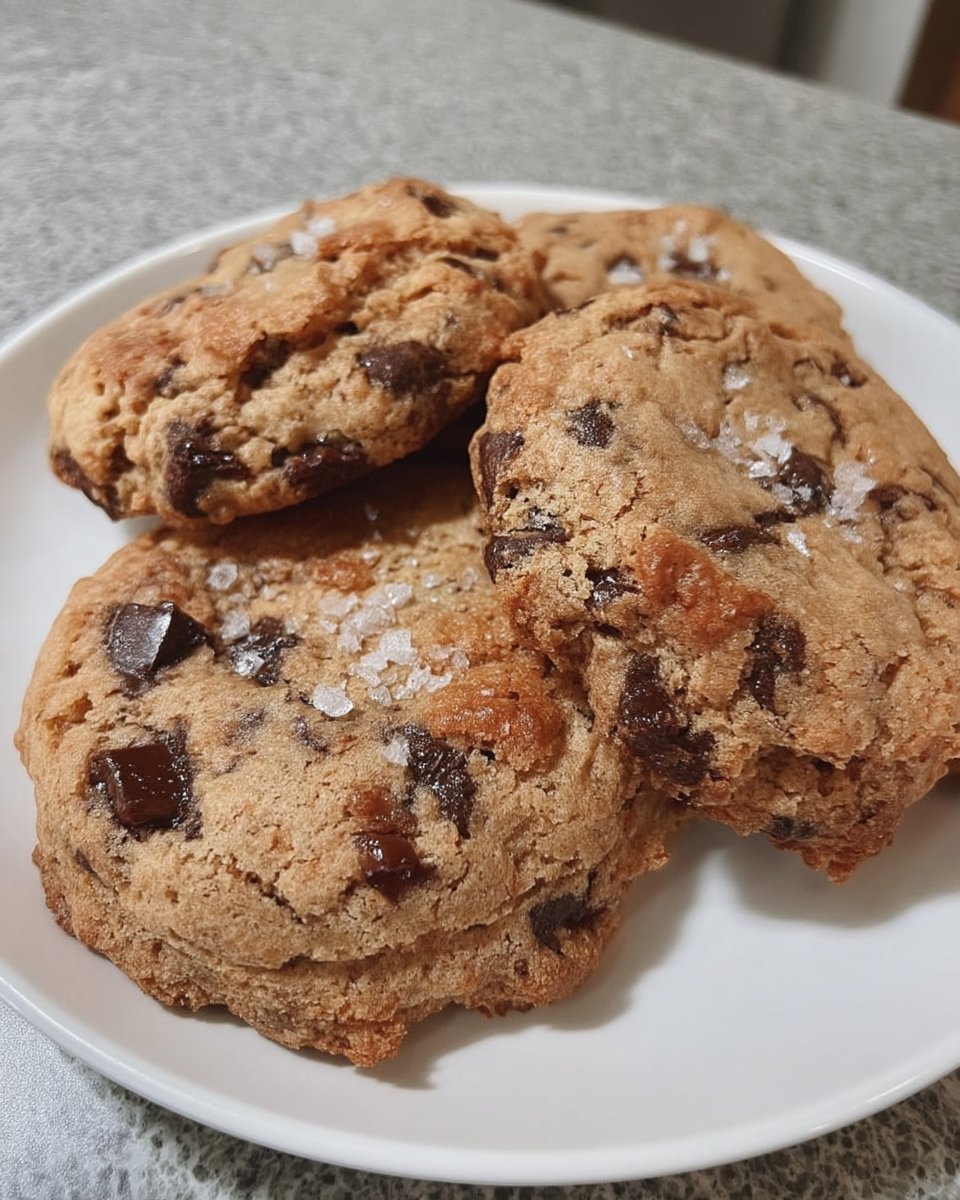
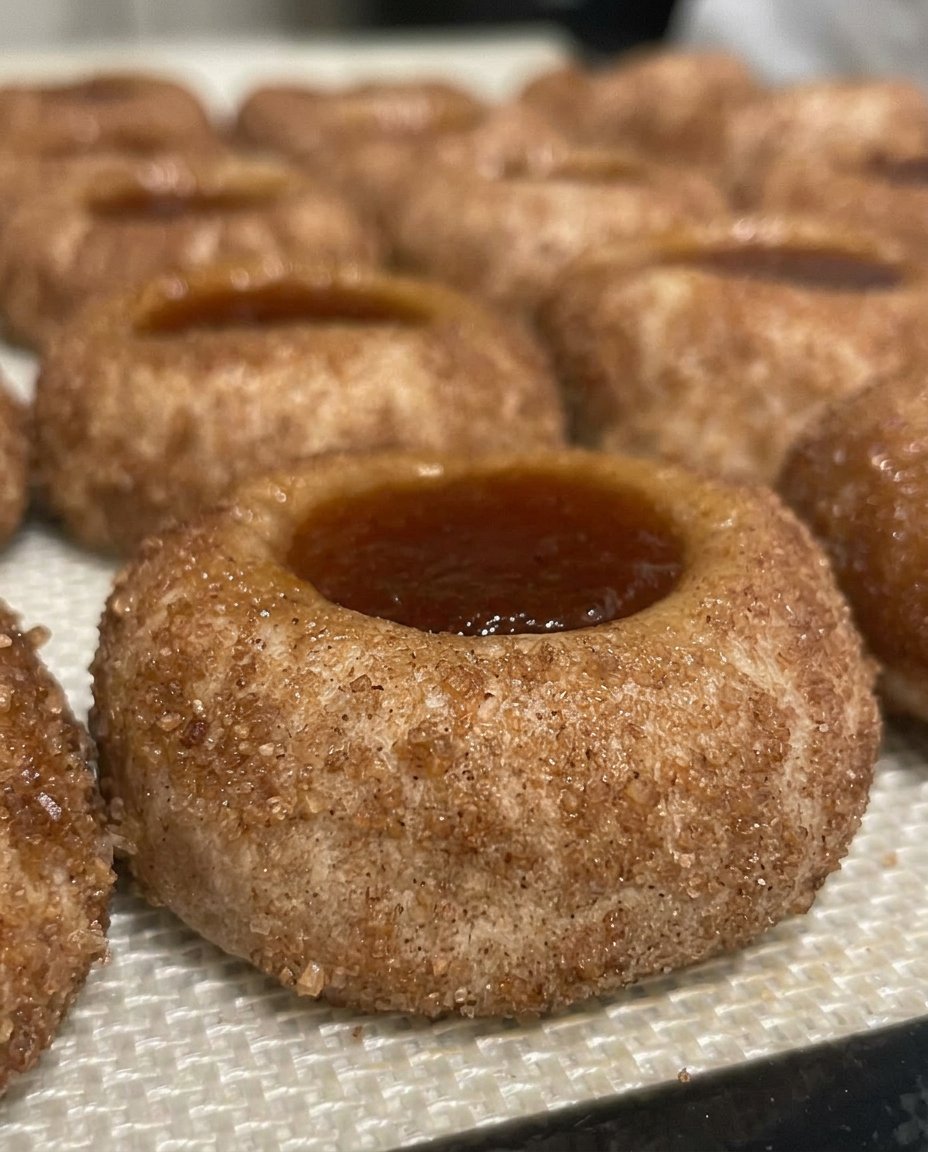
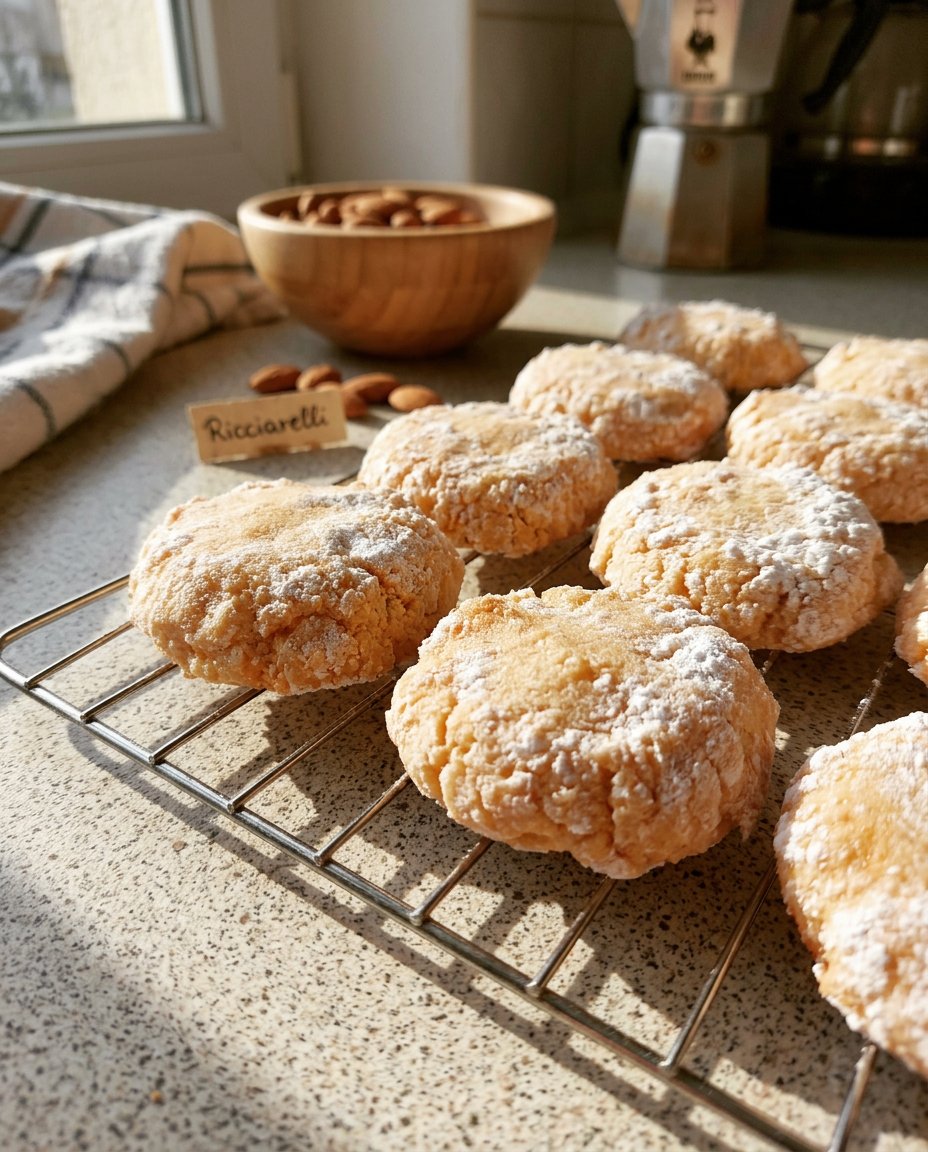
In the Cookies Sweet lab, we spent weeks analyzing how the protein structure of sesame seeds affects the spread of a standard dough. This Tahini Chocolate Chip 2 recipe is the result of those rigorous trials, where we swapped traditional fats for the earthy richness of sesame paste. It was a fascinating challenge to maintain the structural integrity while introducing such a high level of natural oil.

This formula relies on a 24-hour resting period to allow the flour to fully hydrate and the fats to stabilize for a perfect bake. By using both cane and brown sugar, we achieve a crisp perimeter and a dense, fudgy center that holds its shape. It is a breakthrough in texture for anyone tired of flat, greasy alternative-fat cookies that fail in the oven.
The Chemistry of Sesame and Sugar
This recipe succeeds because it treats tahini as a structural component rather than just a flavor additive in the dough matrix. Sesame paste contains about 50-60% fat, but it also has a significant amount of fiber and protein that traditional butter lacks. We adjusted the ratios to prevent the dough from becoming too brittle or too oily, resulting in a predictable and repeatable bake every time.
Home bakers often struggle with cookies that spread too thin when using alternative fats or seed-based pastes. Our testing showed that a specific ratio of cane sugar to light brown sugar provides the necessary caramelization and structural support. This formula makes certain that the Tahini Chocolate Chip 2 cookies remain thick and chewy, even with the added moisture of the sesame paste.
Precision is the key to this flavor breakthrough and maintaining the crumb. By chilling the dough, we allow the starches in the flour to absorb the liquid from the eggs and tahini, which leads to more even browning in the oven. You will appreciate how the slight bitterness of the tahini cuts through the sweetness of the chocolate, creating a sophisticated profile that pleases the palate.
Print
Tahini Chocolate Chip 2 Cookies
- Total Time: 24 hours 30 mins
- Yield: 24 cookies
- Diet: Vegetarian
Description
Experience a sophisticated twist on a classic favorite with these thick, chewy cookies that use tahini for a unique structural foundation. The earthy sesame paste perfectly balances the sweetness of semi-sweet chocolate for a gourmet finish.
Ingredients
- 1/2 cup (113g) unsalted butter, room temperature (68°F)
- 1/2 cup (120g) well-stirred tahini
- 1/2 cup cane sugar
- 1/2 cup light brown sugar
- 1 large egg
- 1 extra egg yolk
- 1 teaspoon vanilla extract
- 1 cup + 2 tablespoons (140g) all-purpose flour
- 3/4 teaspoon baking soda
- 1 teaspoon sea salt
- 2 cups (340g) semi-sweet chocolate chips (60% cacao)
Instructions
- In a stand mixer, cream together the room-temperature butter, stirred tahini, cane sugar, and light brown sugar on medium speed for 3 minutes until aerated.
- Add the large egg, extra egg yolk, and vanilla extract, then beat for an additional 2 minutes on medium-high speed until the mixture becomes pale and fluffy.
- In a separate bowl, whisk together the flour, baking soda, and sea salt, then gradually add to the wet ingredients on the lowest mixer speed until just combined.
- Gently fold in the chocolate chips using a spatula, then transfer the dough to a container and refrigerate for 24 hours to allow the flour to fully hydrate.
- Preheat the oven to 325°F (163°C), scoop the chilled dough into 1.5 tablespoon balls, and bake on parchment-lined sheets for 12 to 15 minutes until edges are golden.
Notes
For the most consistent results, always weigh your flour and tahini using a digital kitchen scale. If you prefer a flatter cookie with more spread, you can reduce the chilling time to only 2 hours, though the 24-hour rest is highly recommended for the best flavor profile and structural integrity.
- Prep Time: 15 mins
- Cook Time: 15 mins
- Category: Dessert
- Method: Baking
- Cuisine: American
Precision Ingredients for Structural Success
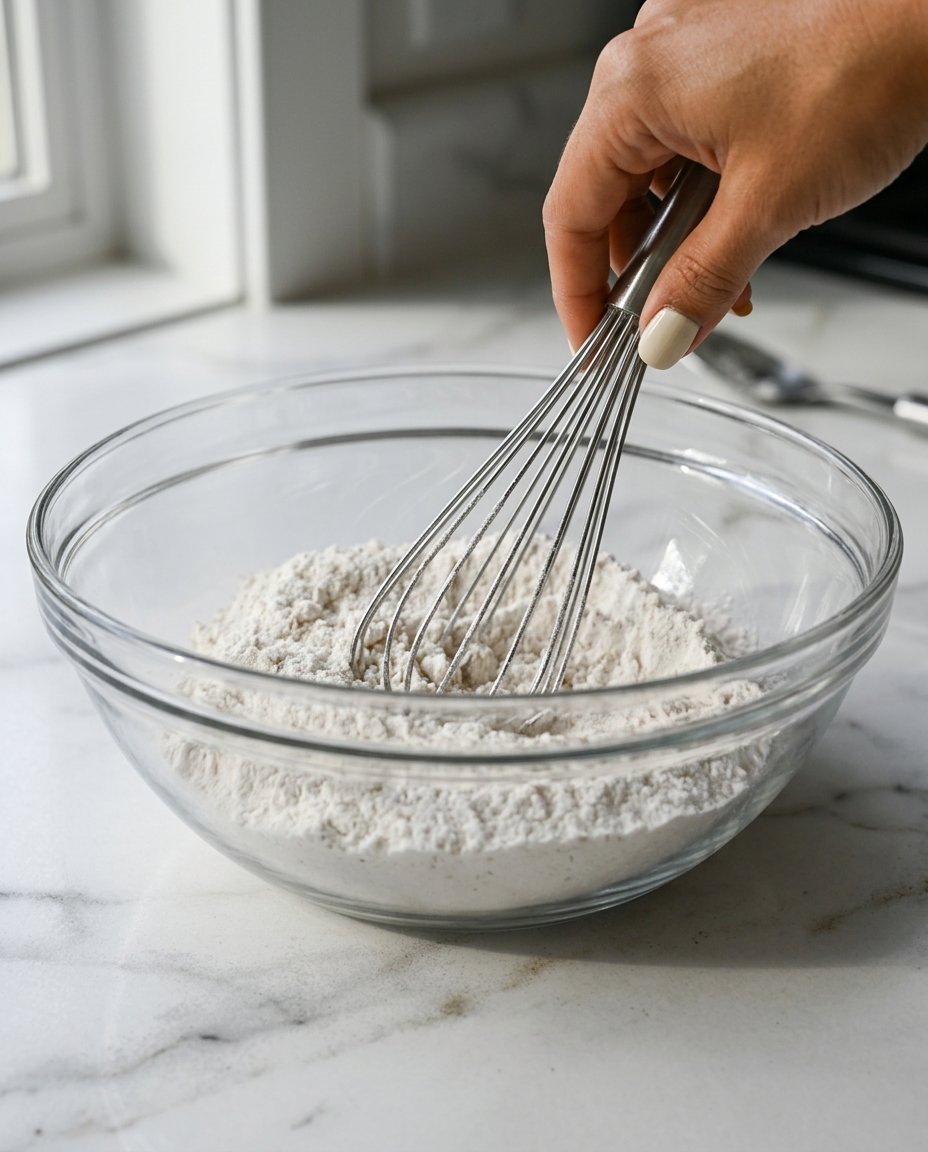
To achieve the best results, you must select high-quality ingredients that meet our scientific standards for baking. Each component plays a specific role in the Tahini Chocolate Chip 2 structural matrix and flavor profile.
- Unsalted Butter (1/2 cup / 113g): Use butter at exactly 68°F (20°C) for the best aeration during the initial creaming stage.
- Tahini (1/2 cup / 120g): Make sure your tahini is well-stirred to integrate the natural oils back into the solids for a homogeneous mixture.
- Cane Sugar and Light Brown Sugar (1/2 cup each): The cane sugar provides structure and crispness, while the brown sugar adds moisture and acidity.
- Large Egg plus One Egg Yolk: The extra yolk adds fat and lecithin, which acts as a powerful emulsifier to bind the dough components.
- All-Purpose Flour (1 cup + 2 tablespoons / 140g): We use a standard 11.7% protein flour to provide enough gluten for structure without making the cookies tough.
- Baking Soda (3/4 teaspoon): This alkaline agent reacts with the acids in the brown sugar to create carbon dioxide for the perfect rise.
- Sea Salt (1 teaspoon): Salt is a flavor modulator that reduces our perception of bitterness in the tahini and accentuates the sweetness.
- Chocolate Chips (2 cups / 340g): We recommend high-quality semi-sweet chips with at least 60% cacao for the best scientific flavor balance.
The Scientific Process
Step 1: Creaming the Fats and Sugars
Place the room-temperature butter and stirred tahini into the bowl of your stand mixer. Add the cane sugar and light brown sugar, then beat on medium speed for exactly 3 minutes. This process creates a network of tiny air bubbles that will expand in the oven, providing the necessary lift for a light but chewy texture.
Step 2: Emulsifying the Liquid Ingredients
Add the large egg, the extra egg yolk, and the vanilla extract to the creamed mixture. Beat for an additional 2 minutes on medium-high speed until the mixture is pale and fluffy. You are looking for a stable emulsion, which is critical for a smooth dough that does not separate during the baking phase.
Step 3: Integrating the Dry Ingredients
In a separate bowl, whisk together the flour, baking soda, and sea salt to guarantee even distribution of the leavening agent. Turn your mixer to the lowest speed and gradually add the dry mixture until just barely combined. Over-mixing at this stage will develop too much gluten, resulting in a bread-like texture rather than a cookie crumb.
Step 4: Folding and Resting the Dough
Fold in the chocolate chips using a spatula to avoid breaking the delicate air bubbles you created during creaming. Transfer the dough to a container, cover it tightly, and refrigerate for 24 hours. This rest period is vital for flavor development and moisture distribution; it allows the enzymes in the flour to break down starches.
Step 5: Precision Baking
Preheat your oven to exactly 325°F (163°C) and line two aluminum baking sheets with parchment paper. Scoop the chilled dough into 1.5 tablespoon balls (approx. 30g each) using a spring-loaded scoop for uniformity. Bake for 12 to 15 minutes until the edges are firm and slightly golden; the internal temperature should be 175°F (79°C).
Lauren’s Lab Notes
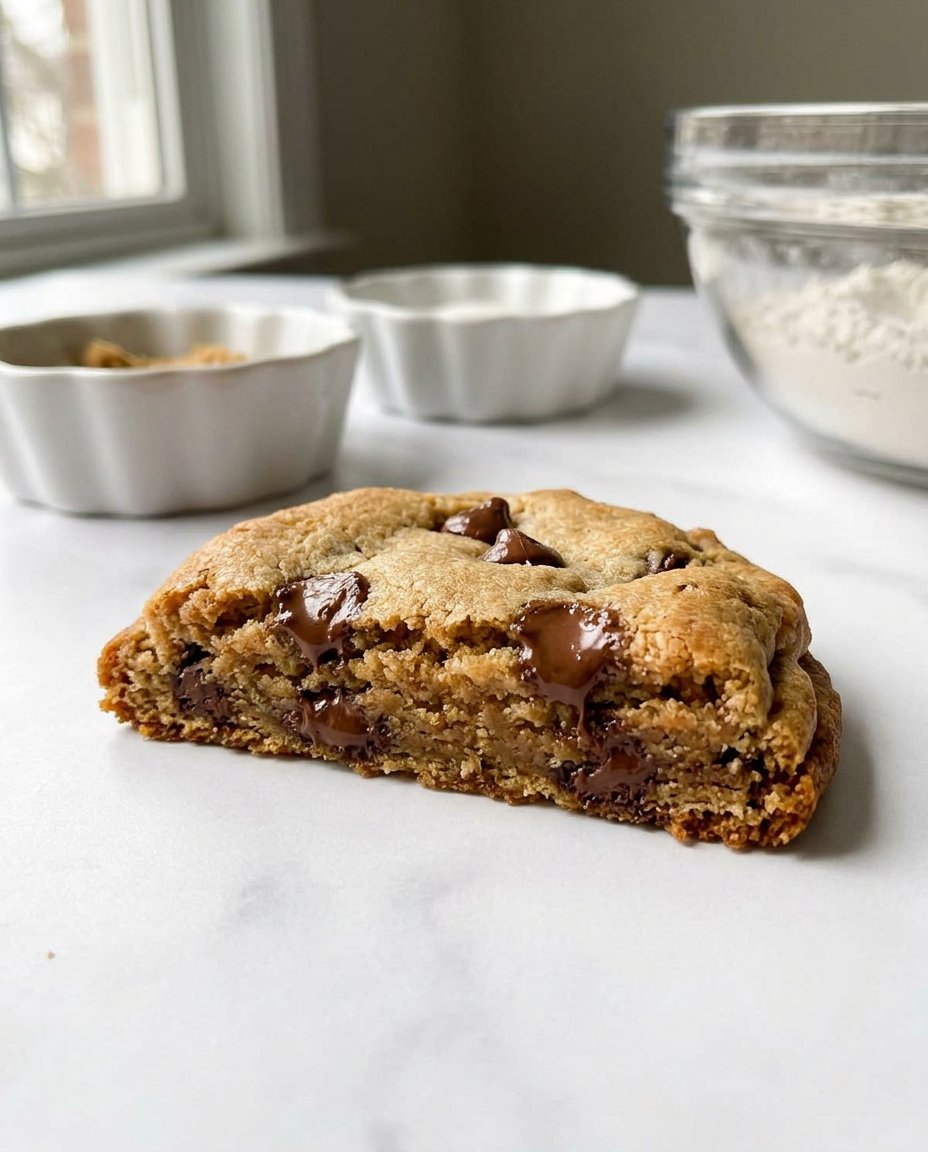
Achieving the perfect bake depends on controlling the environment and the temperature of your ingredients precisely. If your tahini is too thin, the cookies will spread excessively; if it is too thick, they will be dry and crumbly. For those looking to master different textures and fat ratios, our Trending Cookie Creations guide provides more scientific data.
Always use a kitchen scale for flour measurements to maintain accuracy. Volumetric scooping can lead to up to 30% more flour than intended, which ruins the delicate balance of this Tahini Chocolate Chip 2 recipe. If you notice your cookies are staying in a ball shape after 10 minutes of baking, gently tap the pan on the oven rack to encourage a bit of spread. This mechanical agitation helps the fats flow properly.
Tested Variations and Structural Adjustments
While we have perfected the sesame ratio, you can experiment with other seed or nut butters with minor structural adjustments. If you choose to use sunflower seed butter, increase the flour by 1 tablespoon to account for the higher liquid content often found in that product. For more inspiration on flavor profiles and structural swaps, look through our Artisan Cookie Collection.
To make these gluten-free, we recommend a high-quality 1-to-1 flour blend that contains xanthan gum. Our tests showed that the tahini provides excellent structural support, making this an ideal candidate for gluten-free baking trials. If you find the dough too soft after mixing, chill it for an extra 12 hours to help the alternative starches set and hydrate properly before you put them in the oven.
Flavor Science and Pairing Notes
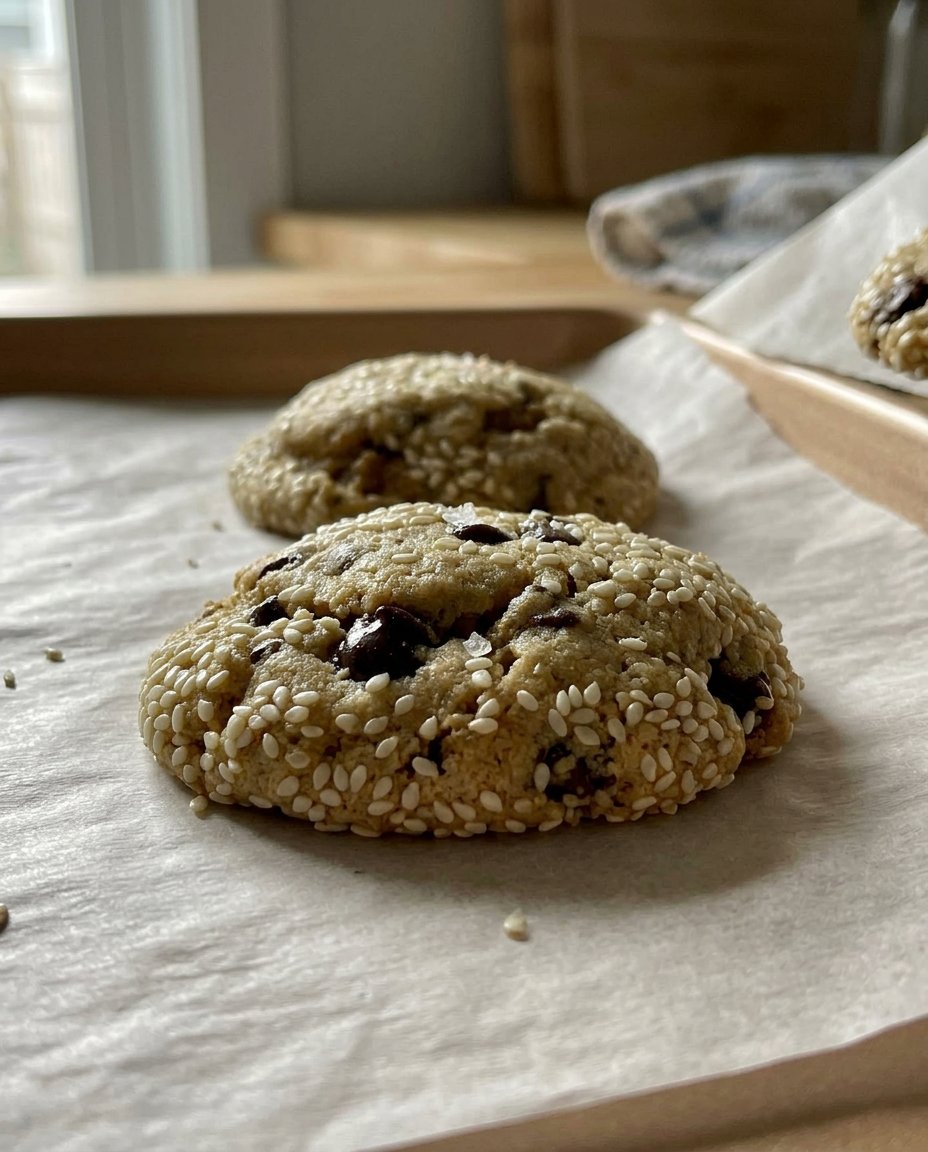
These cookies are best served at room temperature, about 30 minutes after they come out of the oven. This allows the fats to stabilize and the flavor of the tahini to become more pronounced as the cookie sets. For a complete guide on presentation and maintaining texture, visit our Effortless Cookie Elegance page.
Pairing these cookies with a dark roast coffee or a strong black tea highlights the nutty undertones of the sesame seed paste. The bitterness of the drink acts as a palate cleanser, making each bite of the sweet cookie feel fresh and complex. You can also find great pairing ideas and similar profiles at feelgoodfoodie.net for your next baking session.
The Scientific Truth on Precision
Success in the kitchen comes from understanding the relationship between your ingredients and how they react to heat. By following these precise measurements and the 24-hour rest period, you can achieve a sophisticated result that honors the chemistry of baking. Examine more of our research in the Seasonal Cookie Design section to continue your baking education.
Stay connected with our test kitchen for more scientific baking breakthroughs and structure-focused recipes. Follow us on Facebook, Instagram, Pinterest, and YouTube to see our latest experiments and successes. Happy baking, and remember that precision is the foundation of true creativity in the kitchen.