In our test kitchen, we spent weeks balancing the ratio of white pepper to honey to achieve the precise bite expected from a traditional Pfeffernusse. We discovered that a exact 24-hour resting period for the dough is a chemical necessity for starch hydration, preventing the cookies from becoming overly hard. This resting phase allows the complex spice oils to fully permeate the flour structure before the heat of the oven sets the crumb.

This specific formula uses a boiled-sugar method to create a dense, chewy interior that remains soft for weeks. By heating the honey and brown sugar together, we create a stable syrup that provides the structural foundation for the heavy spices. These small, glazed rounds are a masterclass in flavor stability and structural integrity.
The Chemistry of Spice and Structure
The allure of the Pfeffernusse lies in its unique contrast between the sharp heat of white pepper and the deep sweetness of floral honey. Unlike standard gingerbread, these cookies use a higher ratio of invert sugars, which guarantees they stay moist even after weeks of storage. You will appreciate how the almond meal adds a subtle fat content that shortens the gluten strands, resulting in a tender yet firm bite that holds up to the thick powdered sugar glaze.
We focused on the interaction between the baking soda and the acidic honey to provide just enough lift without making the cookies cakey. The result is a compact, spice-heavy treat that offers a sophisticated flavor profile. The inclusion of white pepper—containing piperine—provides a clean heat that lingers on the palate without the floral notes of black pepper, which would compete with the Lebkuchengewuörz spice blend.
Print
Pfeffernusse
- Total Time: 24 hours 35 mins
- Yield: 36 cookies
- Diet: Vegetarian
Description
These traditional German spice cookies feature a sophisticated blend of white pepper and honey, aged overnight for a perfectly chewy texture. Finished with a sweet sugar glaze, they offer a warming, long-lasting treat ideal for holiday sharing.
Ingredients
- 2 1/4 cups (280g) all-purpose flour
- 3–4 teaspoons Lebkuchengewürz spice blend
- 1/4 teaspoon finely ground white pepper
- 1/4 cup almond meal or flour
- 1/2 teaspoon baking soda
- 1/4 teaspoon salt
- 1/3 cup pure honey
- 1/2 cup packed brown sugar
- 5 tablespoons (70g) unsalted butter
- 3 tablespoons heavy cream
- 1 large egg
- 1 cup powdered sugar (for glaze)
- 3–4 tablespoons hot water (for glaze)
Instructions
- In a medium bowl, whisk together the flour, baking soda, salt, Lebkuchengewürz, white pepper, and almond meal until evenly distributed.
- In a saucepan over medium heat, combine the brown sugar, honey, butter, and heavy cream, stirring until the butter is melted and sugar is dissolved; remove from heat and cool for 5 minutes.
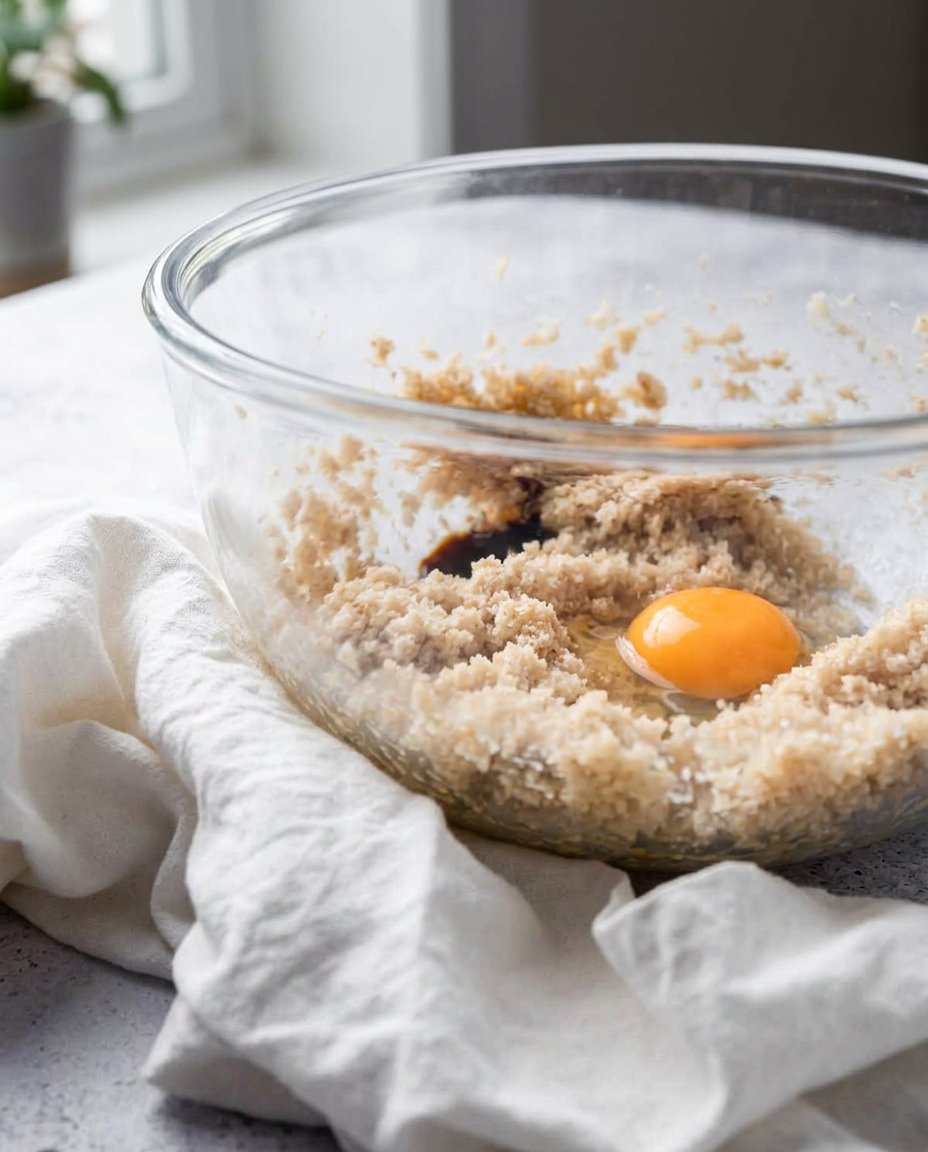
- Stir the dry ingredients into the warm syrup, then mix in the egg until the dough is glossy and emulsified.
- Wrap the dough tightly in plastic wrap and refrigerate for 24 to 48 hours to allow the flour to hydrate and the flavors to mature.
- Preheat the oven to 350°F (175°C) and roll the chilled dough into 3/4-inch thick strands, slicing them into small rounds and rolling them into balls.
- Bake the cookies on a lined sheet for 15 minutes until the bottoms are golden, then cool completely on a wire rack.
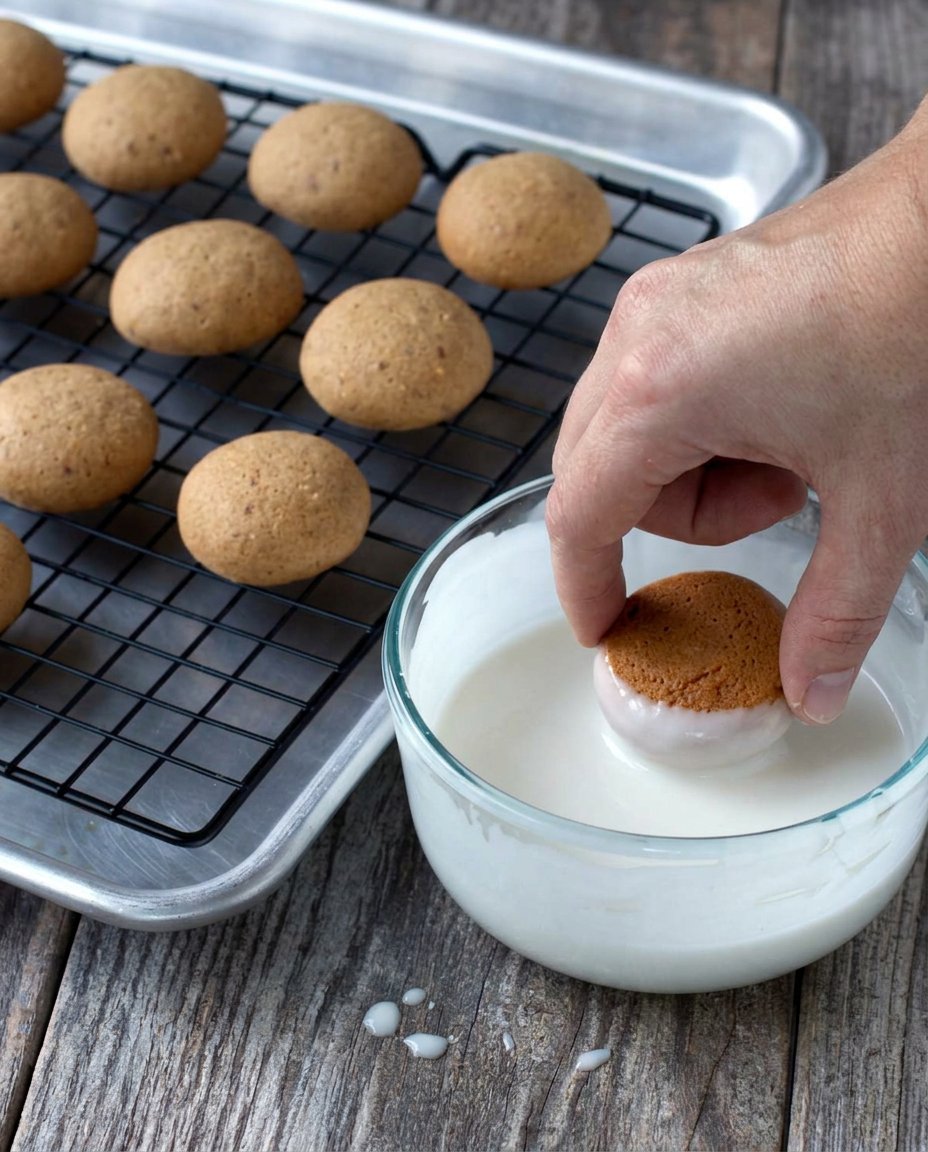
- Whisk the powdered sugar and hot water together, dip the cooled cookies into the glaze, and let them set on a wire rack.
Notes
For the best results, ensure your spices are fresh, as the aromatic oils provide the core flavor of this cookie. If the dough is too sticky to handle during the rolling phase, keep half in the refrigerator while you work with the first batch to maintain the ideal temperature and shape.
- Prep Time: 20 mins
- Cook Time: 15 mins
- Category: Dessert
- Method: Baking
- Cuisine: German
The Formula for Spiced Success
Success with this recipe depends on the quality and precision of your spice measurements. Each component serves a scientific purpose in building the final texture and taste profile.
- All-Purpose Flour (2 1/4 cups / 280g): This provides the protein structure. We recommend weighing your flour to avoid adding too much, which would result in a dry, crumbly cookie.
- Lebkuchengewörz (3-4 teaspoons): This traditional German blend includes cinnamon, cloves, allspice, coriander, cardamom, ginger, and mace. For the most potent aromatic profile, we recommend a homemade blend.
- Finely Ground White Pepper (1/4 teaspoon): The namesake ingredient. White pepper is processed without the outer husk, offering a sharp, concentrated heat that does not muddy the color of the dough.
- Almond Meal or Flour (1/4 cup): The fats in the almonds provide a moisture barrier, helping the cookies remain soft. We found that almond meal adds a slightly more rustic texture, while almond flour yields a smoother appearance.
- Pure Honey (1/3 cup): Honey acts as an invert sugar, which is hygroscopic, meaning it pulls moisture from the air to keep your cookies from drying out.
- Unsalted Butter (5 tablespoons / 70g): We use unsalted butter to maintain complete control over the sodium levels in the chemical reaction with the baking soda.
- Heavy Cream (3 tablespoons): The extra fat and liquid are necessary to hydrate the cocoa-free gingerbread base and create the signature glossy dough sheen.
The Scientific Method
Step 1: Combine the Dry Matrix
In a medium bowl, whisk together the flour, baking soda, salt, Lebkuchengewörz, white pepper, and almond meal. It is vital to distribute the leavening agent and spices evenly through the flour to prevent concentrated pockets of spice or uneven rising during the bake.
Step 2: Heat the Sugar Phase
In a medium saucepan over medium heat, combine the brown sugar, honey, butter, and heavy cream. Stir frequently until the butter is melted and the sugar crystals have completely dissolved. Do not allow this mixture to reach a rolling boil; you only want enough heat to create a uniform syrup. Remove from heat and allow it to cool for exactly 5 minutes.
Step 3: Incorporate and Emulsify
Stir the dry flour mixture into the warm syrup until no streaks of white remain. Once the flour is incorporated, stir in the large egg. You will notice the dough becomes very sticky and develops a glossy sheen; this indicates the fats and sugars have properly emulsified. This stickiness is a sign of high hydration, which leads to a softer final cookie.
Step 4: The Maturation Phase
Transfer the sticky dough onto a sheet of plastic wrap and seal it tightly. Refrigerate the dough overnight or for up to 48 hours. This step is non-negotiable. During this time, the flour proteins fully hydrate, and the spices undergo a chemical maturation that deepens the flavor profile significantly.
Step 5: Precision Shaping
Preheat your oven to 350°F (175°C). Remove the chilled dough and immediately roll it into two long strands, roughly 3/4 inch thick. Slice these strands into 3/4 inch rounds and roll each piece into a small ball. You must work quickly while the dough is cold to maintain the shape; as the dough warms, it becomes difficult to handle.
Step 6: The Bake and Cool
Place the dough balls on a lined cookie sheet, leaving at least 1 inch of space between them. Bake for approximately 15 minutes. The cookies are finished when the bottoms are golden brown and the tops are set but still feel slightly soft to the touch. Allow them to cool completely on a wire rack before glazing.
Step 7: The Glazing Process
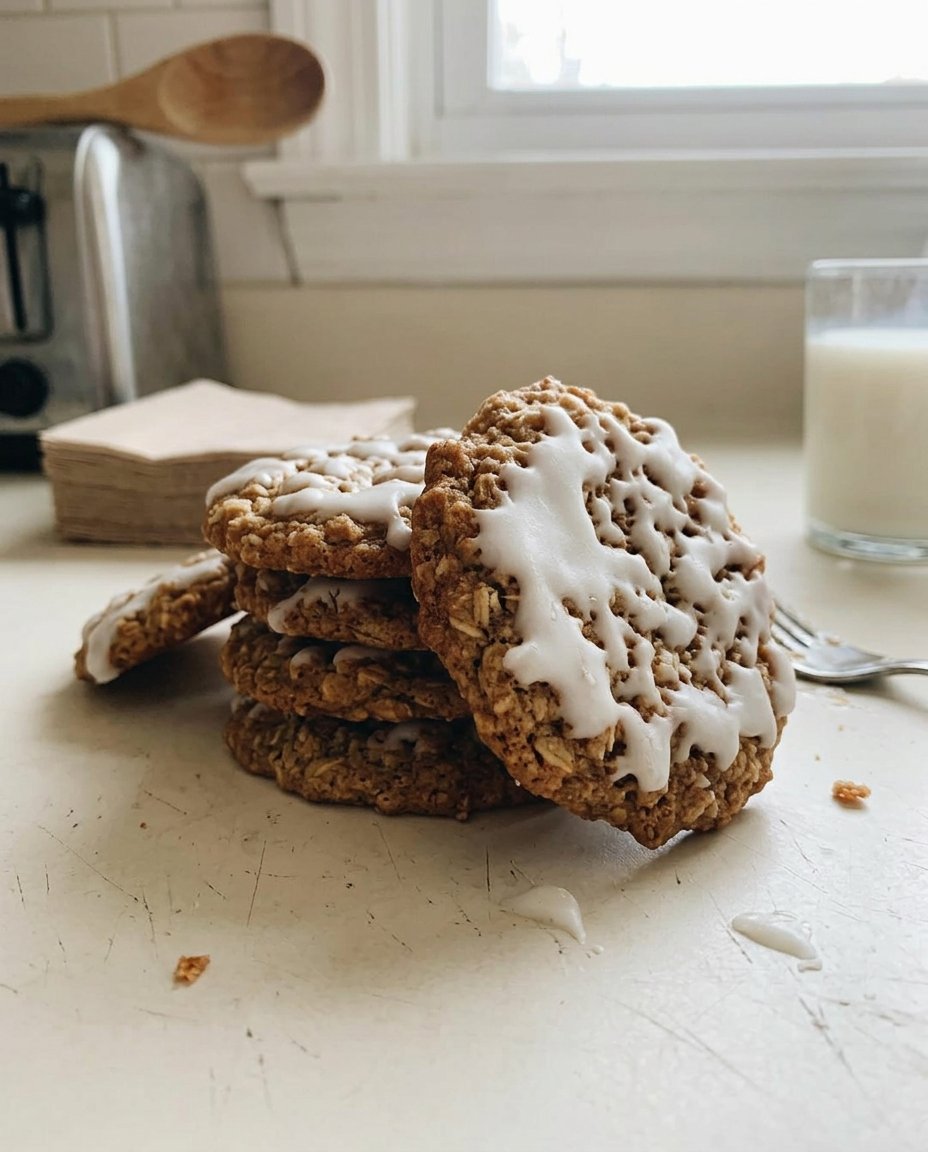
Whisk the powdered sugar and hot water together in a small bowl. Use 3 tablespoons of water for a thick, opaque white glaze or 4 tablespoons for a thinner, translucent coating. Dip each cooled cookie into the glaze, allowing the excess to drip back into the bowl. Place the glazed cookies on a wire rack set over a parchment-lined tray to catch drips.
Precision Lab Notes
Temperature control is the most critical factor when working with honey-based doughs. If your sugar and honey mixture is too hot when you add the egg, you risk curdling the proteins, which will ruin the dough structure. Always use a kitchen thermometer to verify the mixture has cooled to below 140°F (60°C) before adding the egg. Additionally, if you find your cookies are spreading too much, your oven temperature might be too low, or you may have measured the honey too generously. For more technical guidance on dough stability, see our Artisan Cookie Collection. Make sure to sift your powdered sugar for the glaze to prevent lumps that can trap air and cause the coating to flake off prematurely.
Tested Flavor Variations
While the traditional Pfeffernusse is classic, our test kitchen has verified several modifications that maintain structural integrity. You can replace the almond meal with finely ground hazelnuts for a more toasted, earthy profile, though you should increase the butter by 1/2 tablespoon to account for the slightly lower fat content of hazelnuts compared to almonds. For a citrus-forward version, add the zest of one lemon to the honey mixture while heating; the essential oils will infuse the entire batch. If you are interested in other seasonal adaptations, our Seasonal Cookie Design guide offers more insights. You may also swap the white pepper for a pinch of cayenne if you prefer a sharper, more immediate heat, though this will change the traditional flavor profile.
Pairing and Texture Science
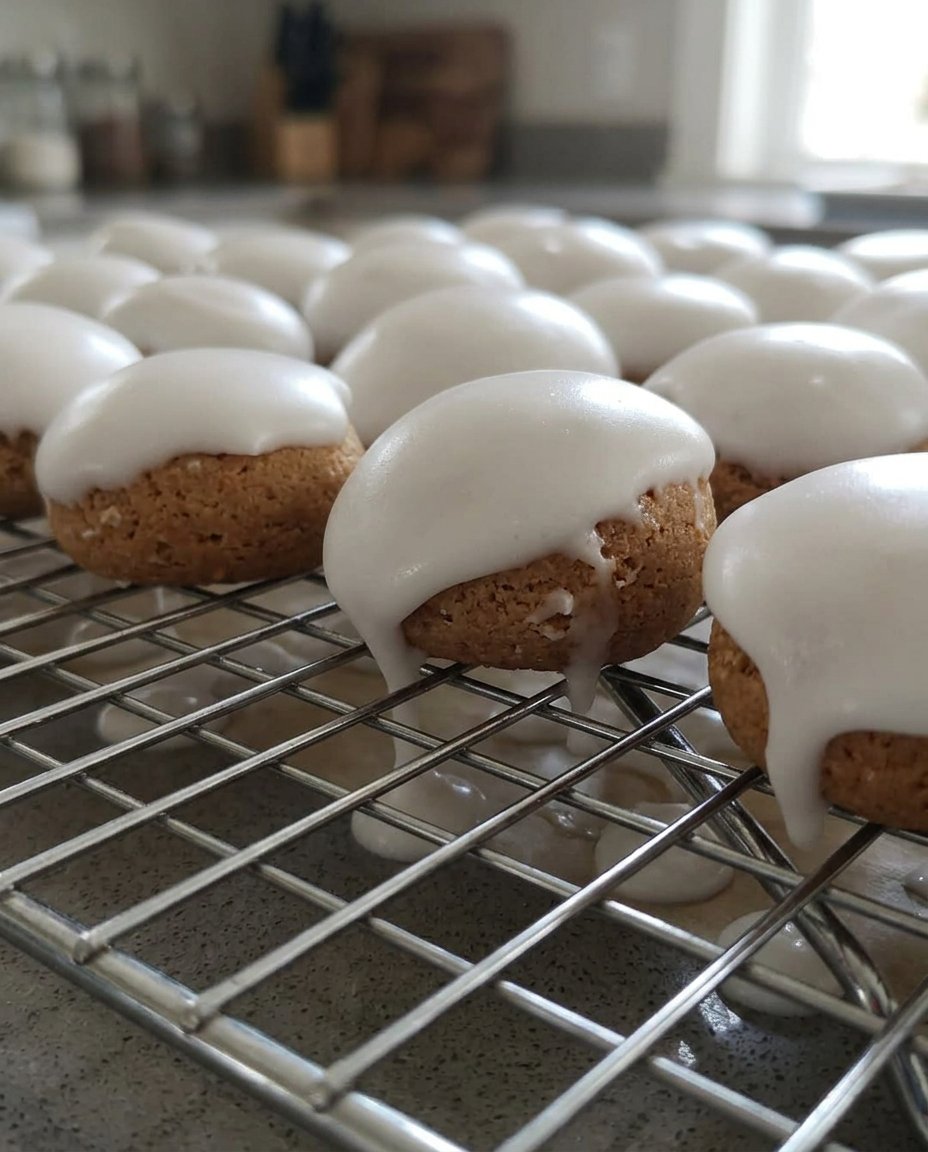
To experience the full spectrum of the spice profile, serve these cookies at room temperature. Cold temperatures can mute the volatile oils in the cardamom and cloves. These cookies are traditionally served alongside a robust black tea or a spiced mulled wine, as the tannins in these drinks help cleanse the palate from the dense sweetness of the glaze. If you are planning a holiday spread, check our Effortless Cookie Elegance for tips on displaying glazed treats. For the best texture, store them with a small piece of apple in an airtight container; the cookies will absorb the apple’s moisture, keeping them perfectly soft for weeks.
The Scientific Truth
Mastering the Pfeffernusse is a lesson in patience and precision. By respecting the maturation time of the dough and the specific temperatures of the sugar melt, you create a cookie that is far superior to any store-bought version. We encourage you to continue testing these ratios to find your perfect level of heat and spice. For more innovative baking projects, visit our Trending Cookie Creations section. Don’t forget to share your results with our community of precision bakers on Instagram, Facebook, and Pinterest. We look forward to seeing your perfectly glazed batches.