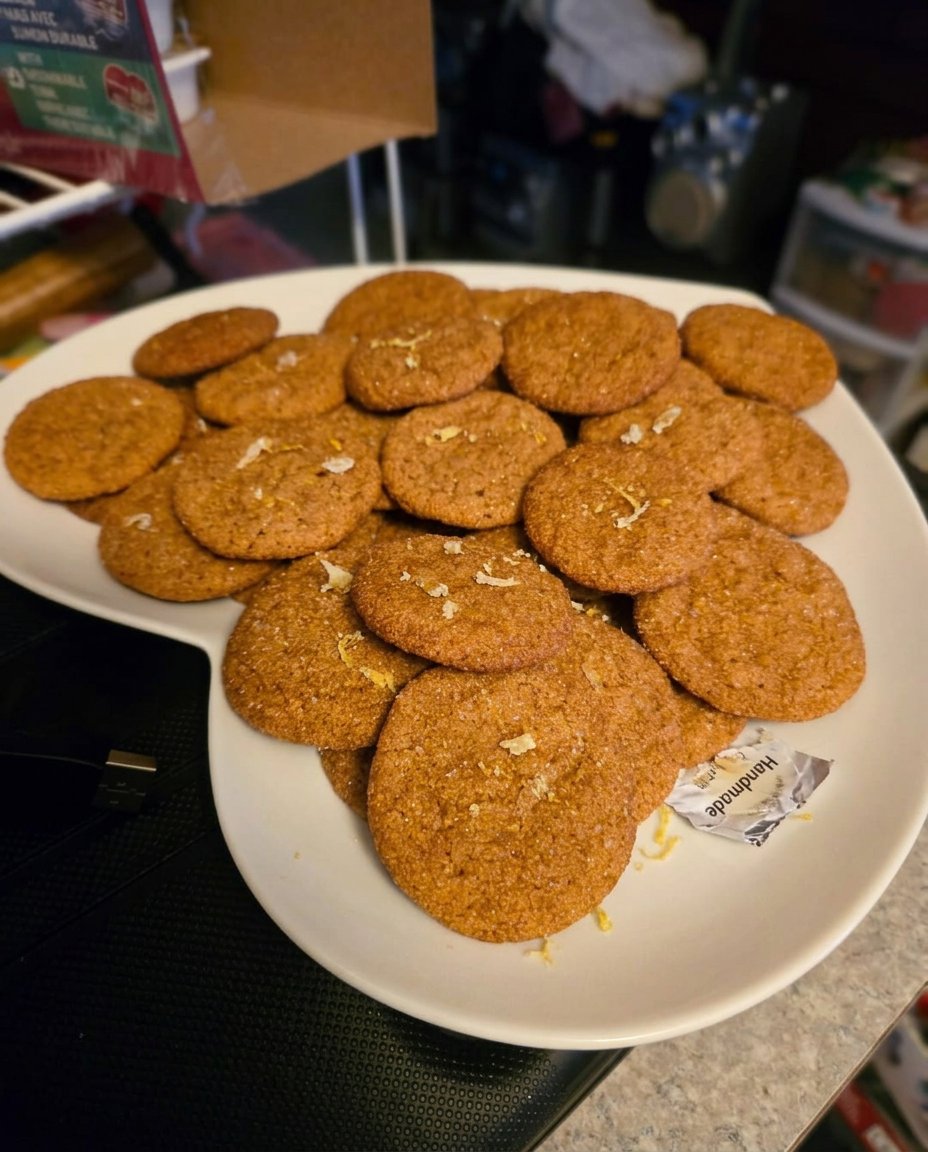
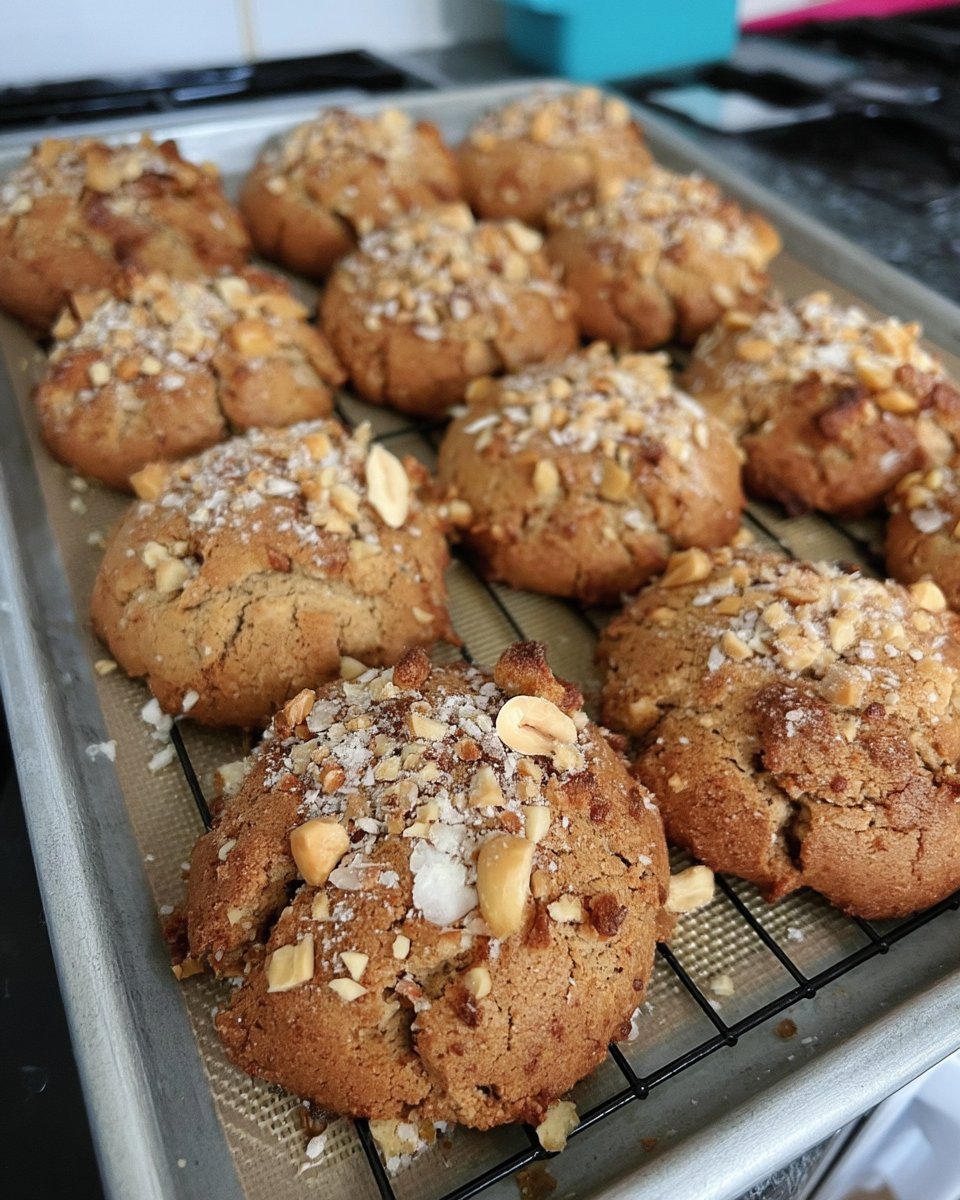
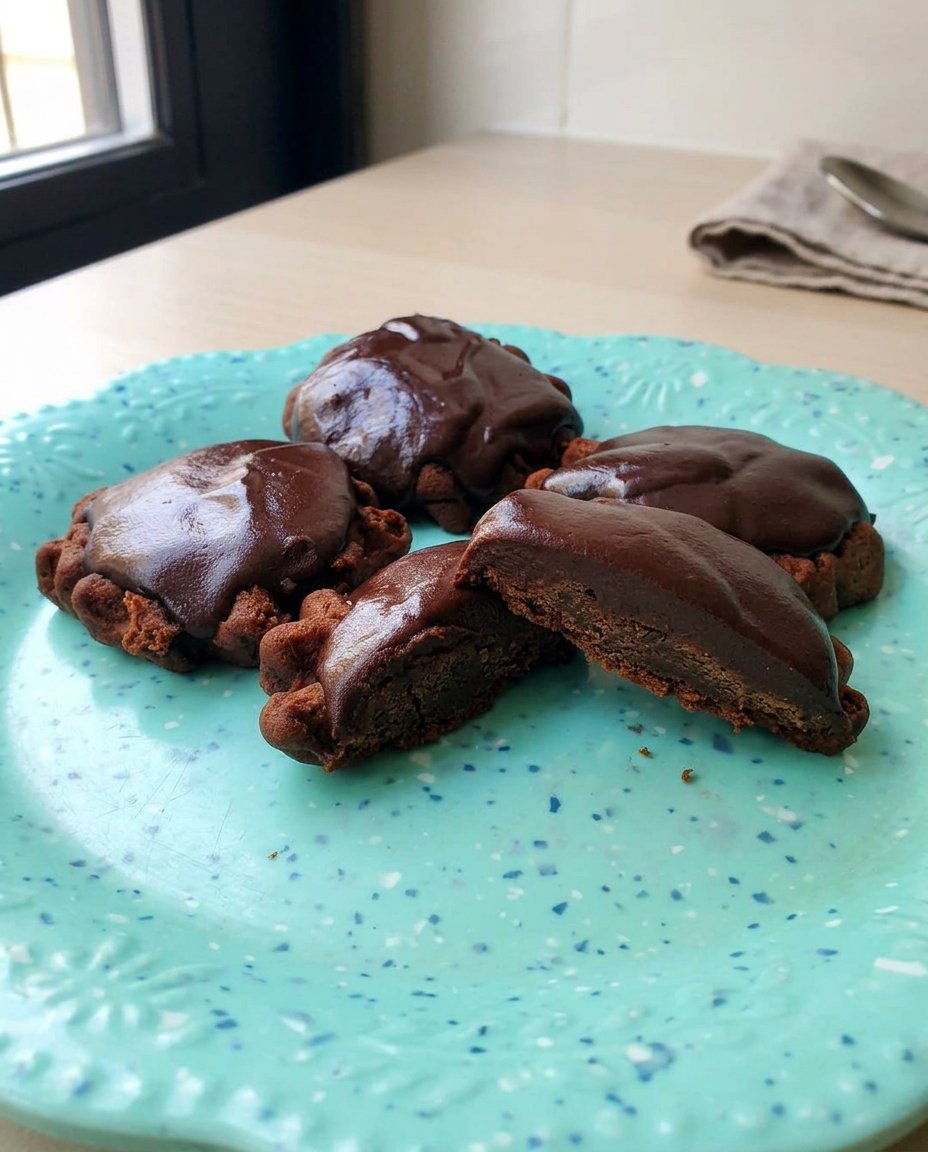
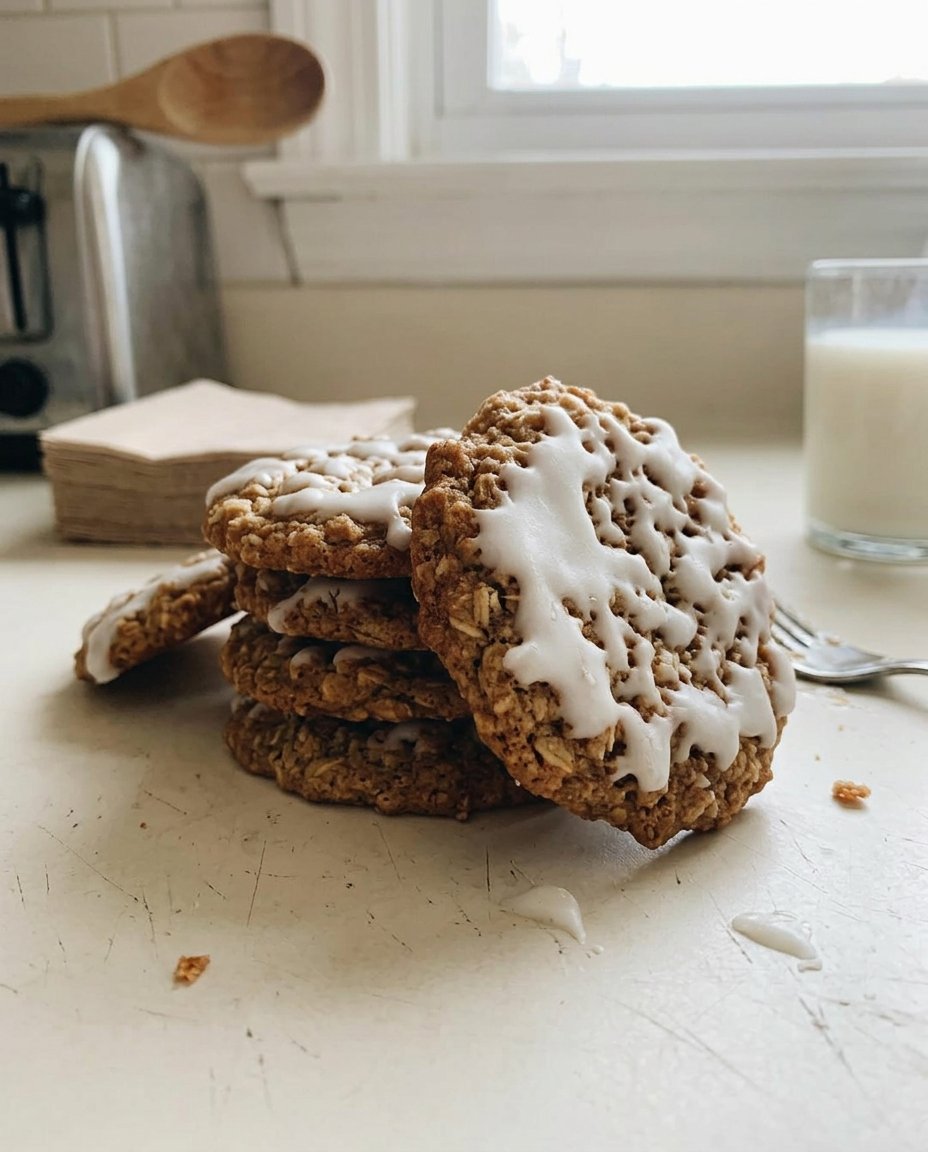
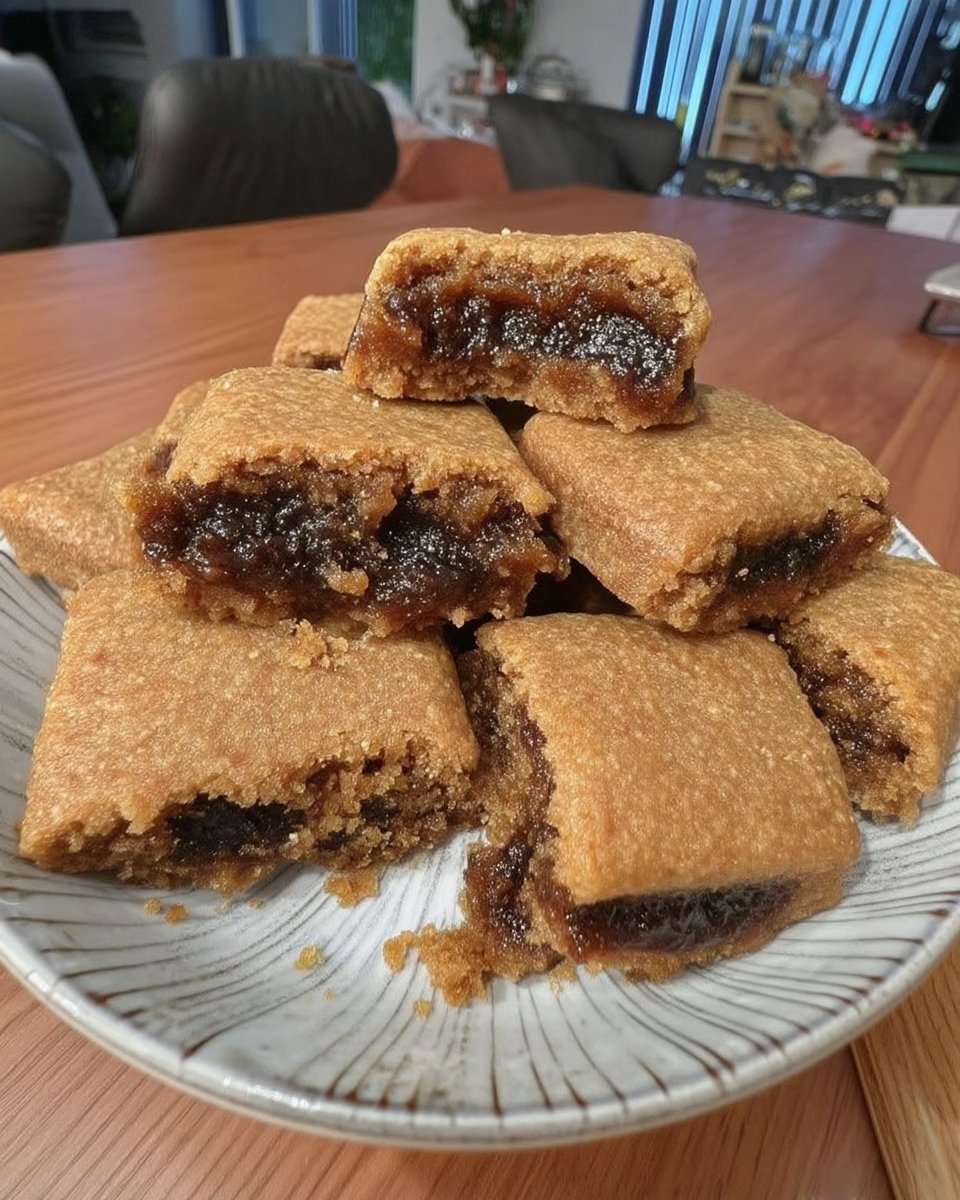
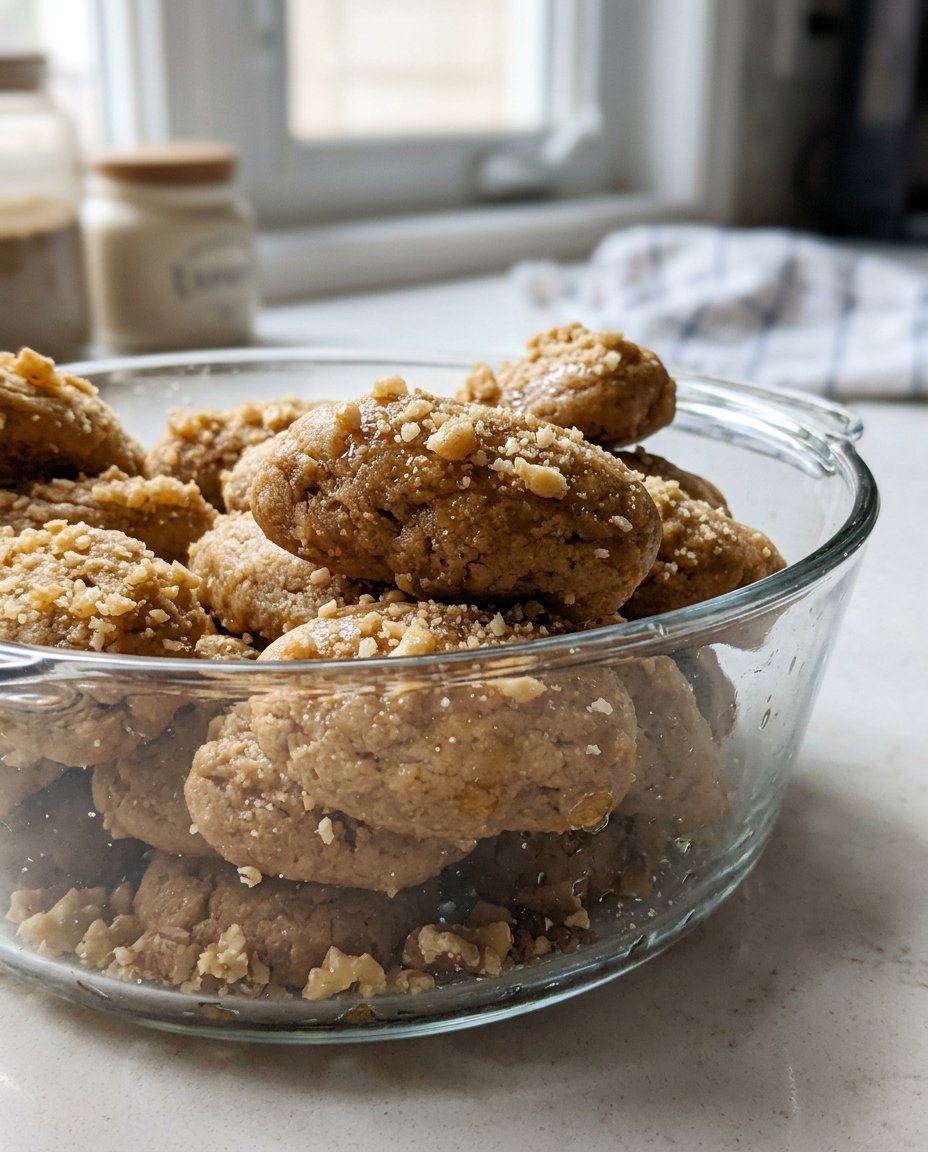
There is a certain kind of magic that happens when Southern hospitality meets old-world tradition, and these Welsh Cakes 2 are the perfect example of that harmony. Growing up in a kitchen where the smell of warm cinnamon and butter was a permanent resident, I always felt that the best recipes were the ones that told a story of the people who came before us. These stovetop treats are more than just a quick snack; they are a bridge to a time when baking was about the feel of the dough under your palms and the patient heat of a well-seasoned pan.

Commonly known as bakestones in their native Wales, these delightful little gems sit somewhere between a cookie, a scone, and a pancake. My version stays true to those hearty roots while adding a gentle touch of Southern warmth to make them feel right at home on your kitchen table. They are thick, tender, and dotted with sweet raisins that provide a burst of joy in every single bite without ever feeling overcomplicated.
A Classic Twist on Stovetop Comfort
You are going to fall in love with Welsh Cakes 2 because they offer a unique texture that you simply cannot get from a standard oven-baked cookie. There is something incredibly satisfying about watching these little rounds turn golden brown right in front of your eyes in a skillet, filling your home with the scent of toasted butter and warm spices. It is the kind of comfort food curiosity that makes you wonder why we don’t cook all our cookies on the stove.
These treats are perfect for those moments when you want something homemade but don’t want to wait for a long preheating cycle or multiple baking sheets. They are sturdy enough to be packed in a lunchbox but delicate enough to serve at a formal afternoon tea. Most importantly, they celebrate the philosophy that familiar flavors can still have a spark of something new. Whether you are a seasoned baker or just starting your journey, the straightforward method and reliable results will make this a staple in your recipe box for years to come.
Print
Welsh Cakes 2
- Total Time: 25 mins
- Yield: 12 cakes
- Diet: Vegetarian
Description
These traditional stovetop treats are a delightful cross between a cookie and a scone, featuring a tender crumb filled with plump raisins and warm cinnamon. Cooked in a skillet until golden brown, they offer a cozy, nostalgic flavor perfect for afternoon tea or a quick snack.
Ingredients
- 150g all-purpose flour
- 10g baking powder
- 50g granulated sugar
- 1 pinch salt
- 1/2 teaspoon cinnamon or four-spices
- 50g unsalted butter, softened
- 60g raisins
- 1 large egg
- 2 tablespoons milk
Instructions
- Place the raisins in a small bowl of very hot water for 5 to 10 minutes to rehydrate, then drain and pat dry.
- In a large mixing bowl, whisk together the flour, baking powder, sugar, salt, and cinnamon.
- Add the softened butter to the dry ingredients and rub it in with your fingertips until the mixture resembles coarse breadcrumbs.
- Stir in the raisins, then add the egg and milk, mixing until a cohesive, soft dough forms.
- Turn the dough onto a lightly floured surface and knead gently for one minute until smooth.
- Roll the dough to a 5mm (1/4 inch) thickness and cut into rounds using a 6-7cm fluted cutter.
- Cook the cakes in a buttered skillet over medium heat for 3 to 5 minutes per side until golden brown and cooked through.
Notes
For the most consistent results, use a heavy-bottomed cast-iron skillet to distribute heat evenly and prevent the raisins from scorching. If the cakes are browning too quickly before the centers are set, lower the heat slightly and cook for a minute longer on each side.
- Prep Time: 15 mins
- Cook Time: 10 mins
- Category: Snack
- Method: Stovetop
- Cuisine: Welsh
The Heart of the Spice Addition
To make these Welsh Cakes 2, you will need a handful of pantry staples that come together to create something truly special. We start with a foundation of all-purpose flour and a good amount of baking powder to give them that signature lift and soft crumb. The sweetness comes from granulated sugar, which also helps the exterior caramelize beautifully in the pan.
- All-Purpose Flour: 150g provides the perfect structure for a tender yet firm bite.
- Baking Powder: 10g (one full sachet) is essential for that gentle rise.
- Unsalted Butter: 50g of soft butter is rubbed into the flour to create a sandy texture that melts in your mouth.
- Cinnamon or Four-Spices: 1/2 teaspoon adds that subtle, aromatic warmth that makes these feel like a hug from the inside out.
- Raisins: 60g of raisins, rehydrated in hot water, ensure every bite is juicy and sweet.
- Egg and Milk: One egg and two tablespoons of milk bind the dough together, providing just enough moisture to keep it pliable.
I always recommend using high-quality butter because, in a recipe this simple, the flavor of the fat really shines through. The pinch of salt is also non-negotiable; it balances the sugar and makes the cinnamon notes pop in a way that feels intentional and grounded.
The Comfort Method for Perfect Cakes
Step 1: Plump the Raisins
Start by placing your 60g of raisins in a small bowl of very hot water. Let them sit for 5 to 10 minutes to rehydrate. This little extra effort makes a world of difference, as it prevents the raisins from being tough or dry after cooking. Once they are plump and soft, drain them thoroughly and pat them dry with a paper towel.
Step 2: Prepare the Dry Base
In a large mixing bowl, or the bowl of your stand mixer, whisk together the 150g of flour, 10g of baking powder, 50g of sugar, and that vital pinch of salt. Add in your 1/2 teaspoon of cinnamon. The scent of the spice hitting the flour is your first hint of the cozy treat to come.
Step 3: Incorporate the Butter
Add the 50g of soft butter, cut into small pieces, to the flour mixture. Use your fingertips or a pastry blender to rub the butter into the dry ingredients until the mixture resembles coarse breadcrumbs. You want to avoid any large lumps of butter, but don’t overwork it to the point that it becomes a paste.
Step 4: Form the Dough
Add the rehydrated raisins to the bowl and stir to distribute them. In a separate small bowl, whisk the egg with the 2 tablespoons of milk. Pour the wet ingredients into the dry mixture and stir until a soft dough begins to form. It should be cohesive but not sticky.
Step 5: Knead and Roll
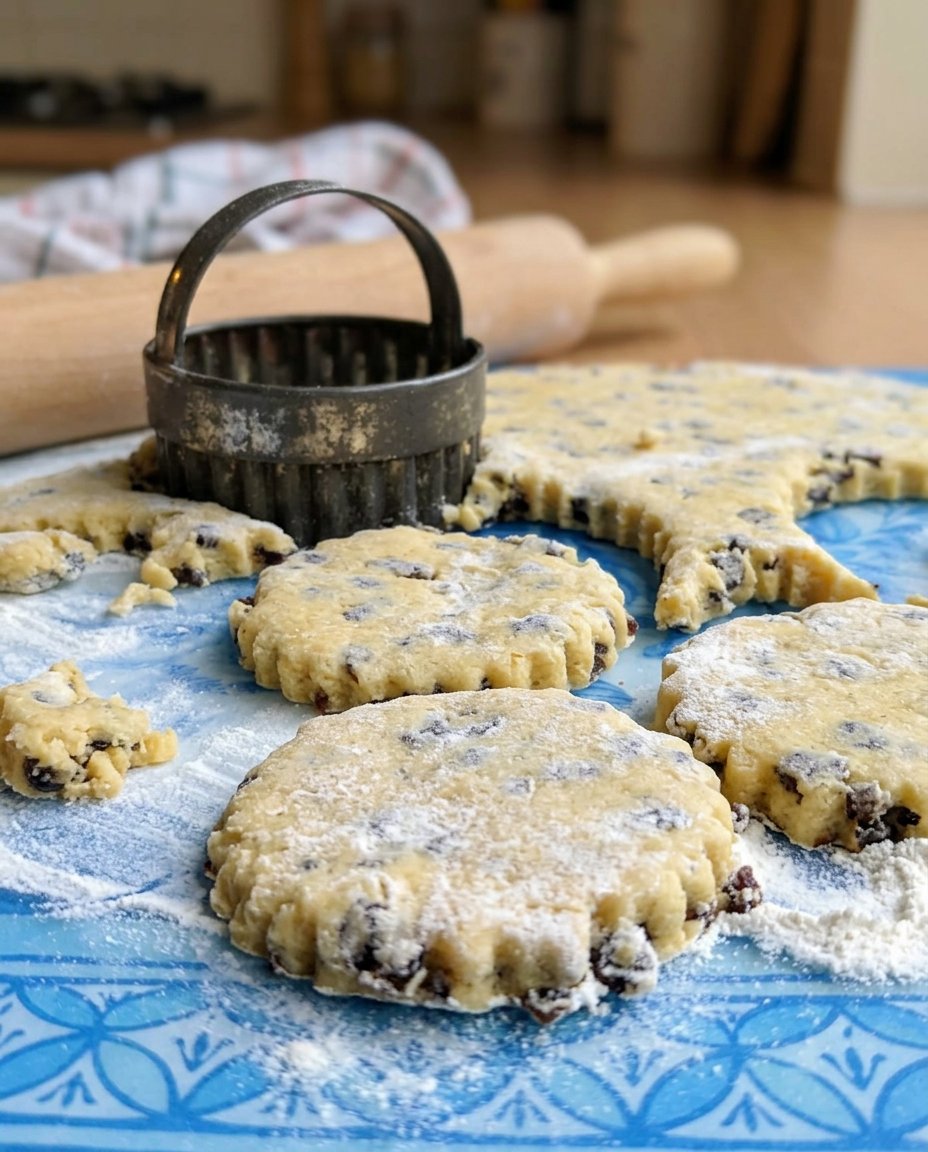
Turn the dough out onto a lightly floured surface. Knead it gently for just a minute until it is smooth—this can also be done with a dough hook in a mixer if you prefer. Using a rolling pin, roll the dough out to a consistent thickness of about 5mm (roughly 1/4 inch). If the dough is too thick, they won’t cook through; too thin, and they will lose their soft center.
Step 6: Cut the Rounds
Use a fluted cutter (about 6-7cm in diameter) to cut out your cakes. A fluted edge gives them that classic, traditional look, but a simple glass turned upside down works just as well in a pinch. Gather the scraps, re-roll, and cut until all the dough is used.
Step 7: The Stovetop Finish
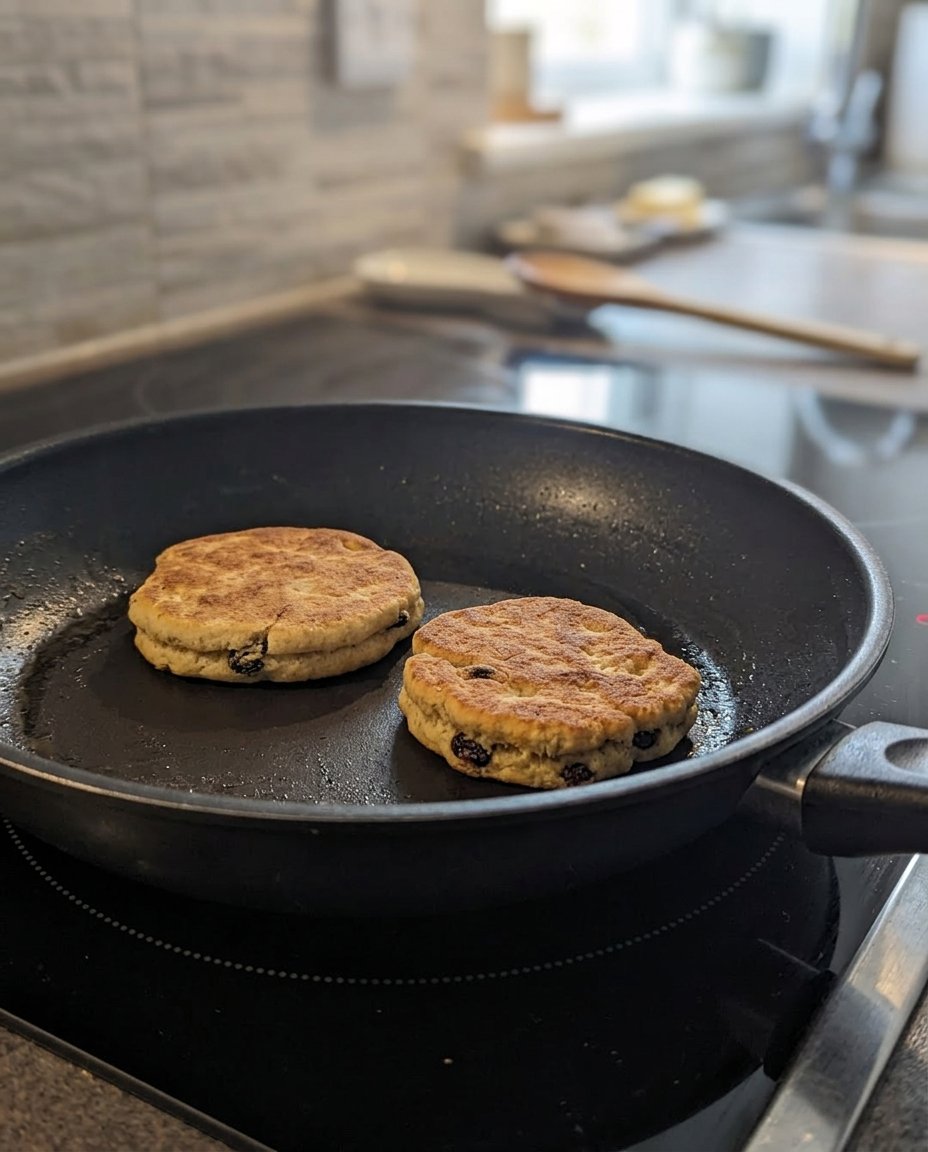
Heat a large skillet or griddle over medium heat and add a small knob of butter. Once the butter is melted and the pan is hot, place the cakes in the pan, making sure not to crowd them. Cook for 3 to 5 minutes on the first side until they are a beautiful golden brown. Flip them carefully and cook for another 3 to 5 minutes on the second side. If they darken too quickly, turn your heat down; you want them to cook through without burning the exterior.
Flavor Balance and Stovetop Secrets
The most important thing to remember when making Welsh Cakes 2 is that the temperature of your pan is everything. If the heat is too high, the outside will look done while the inside remains doughy. I like to think of it like making pancakes—the first one is often a test to see if the heat is just right. Using a heavy-bottomed skillet, like a cast-iron pan, helps distribute the heat evenly and gives the cakes a superior crust.
Another secret is the moisture level of your raisins. If you forget to rehydrate them, they can sometimes scorch in the pan, giving off a bitter flavor. For more ideas on perfecting your technique, check out our Artisan Cookie Collection where we discuss the importance of ingredient temperature. You can also find more inspiration in this Authentic Welsh Recipe which highlights the importance of the bakestone method.
Other Spice Ideas and Comfort Variations
While the classic cinnamon and raisin combination is a Southern favorite, these Welsh Cakes 2 are incredibly versatile. If you want to lean into the ‘comfort with a twist’ philosophy, try swapping the cinnamon for a bit of ground ginger and orange zest. The citrus brightness cuts through the richness of the butter in a way that feels very sophisticated yet still familiar.
For an even more indulgent version, you can use brown butter instead of softened butter. This adds a nutty, toasted depth that pairs wonderfully with a sprinkle of flaky sea salt on top after they come off the pan. If you enjoy experimenting with different profiles, you might love looking through our Seasonal Cookie Design category for ways to adapt your bakes to the time of year. Some folks even like to add a few chocolate chips instead of raisins, though a traditionalist might give you a side-eye—I say, if it brings you joy, go for it!
Cozy Enjoyment and Classic Sharing
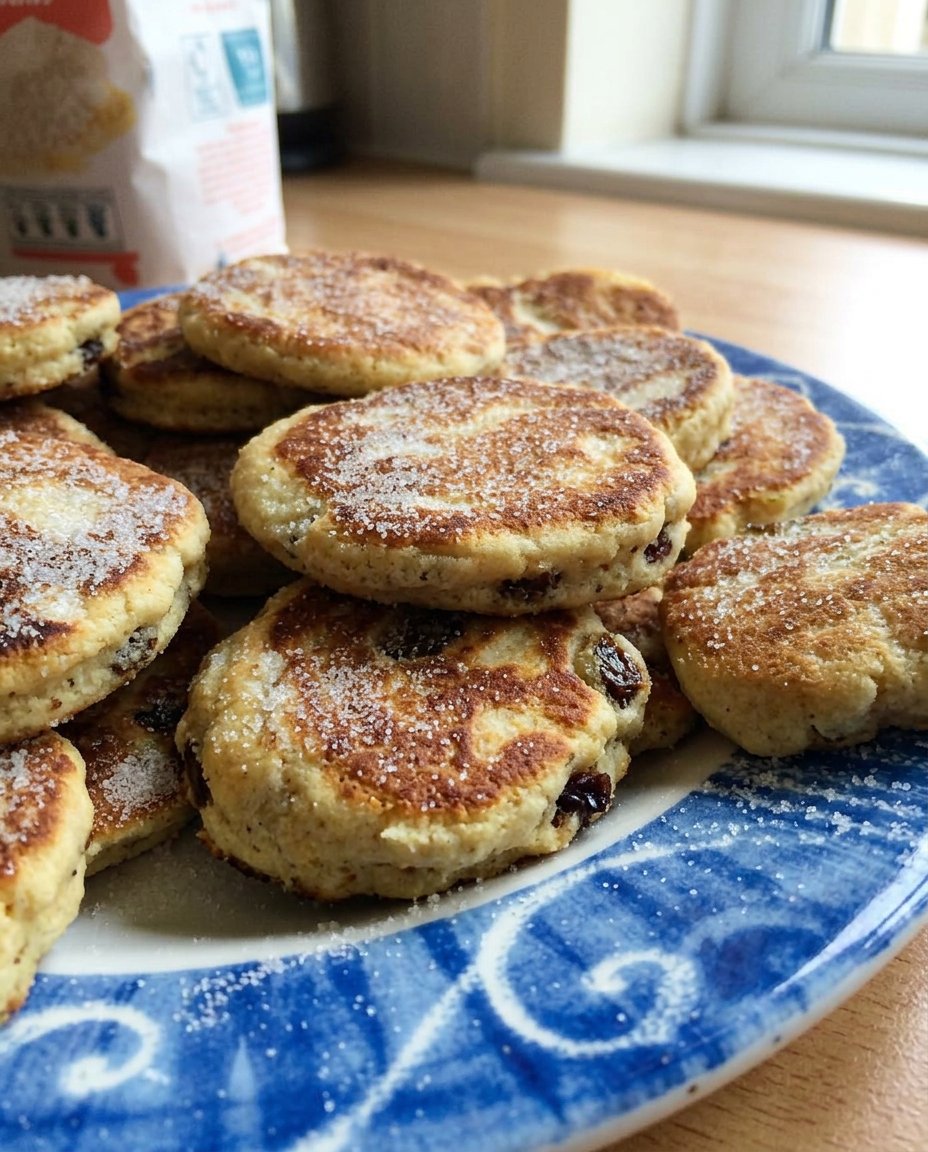
Welsh Cakes 2 are at their absolute best when served warm, straight from the pan. There is a short window of time where the butter is still slightly melted and the raisins are bursting with warmth. I love to serve these with a side of homemade jam or a simple smear of salted butter. In the spirit of Southern hospitality, they are best enjoyed with a hot cup of tea or coffee while sitting on the porch or gathered around the kitchen island.
If you are hosting a gathering, these make a wonderful addition to a brunch spread. You can find more ways to present your treats in our Effortless Cookie Elegance guide. They also travel well, making them a great gift for a neighbor or a friend who needs a little pick-me-up. Just wrap them in a bit of parchment paper and tie them with a piece of twine for a rustic, heartfelt touch.
Spiced Joy for the Modern Kitchen
Baking these Welsh Cakes 2 is a reminder that we don’t need fancy equipment or complicated ingredients to create something that feels like home. This recipe honors the generations of bakers who knew that a little bit of spice and a warm pan were all you needed to bring people together. I hope these cakes find a special place in your kitchen and that they bring as much comfort to your family as they have to mine. For more inspiration on keeping the tradition alive, visit our Trending Cookie Creations page. Don’t forget to share your bakes with us on Pinterest, Instagram, and Facebook. Happy baking, and keep that comfort close to your heart.