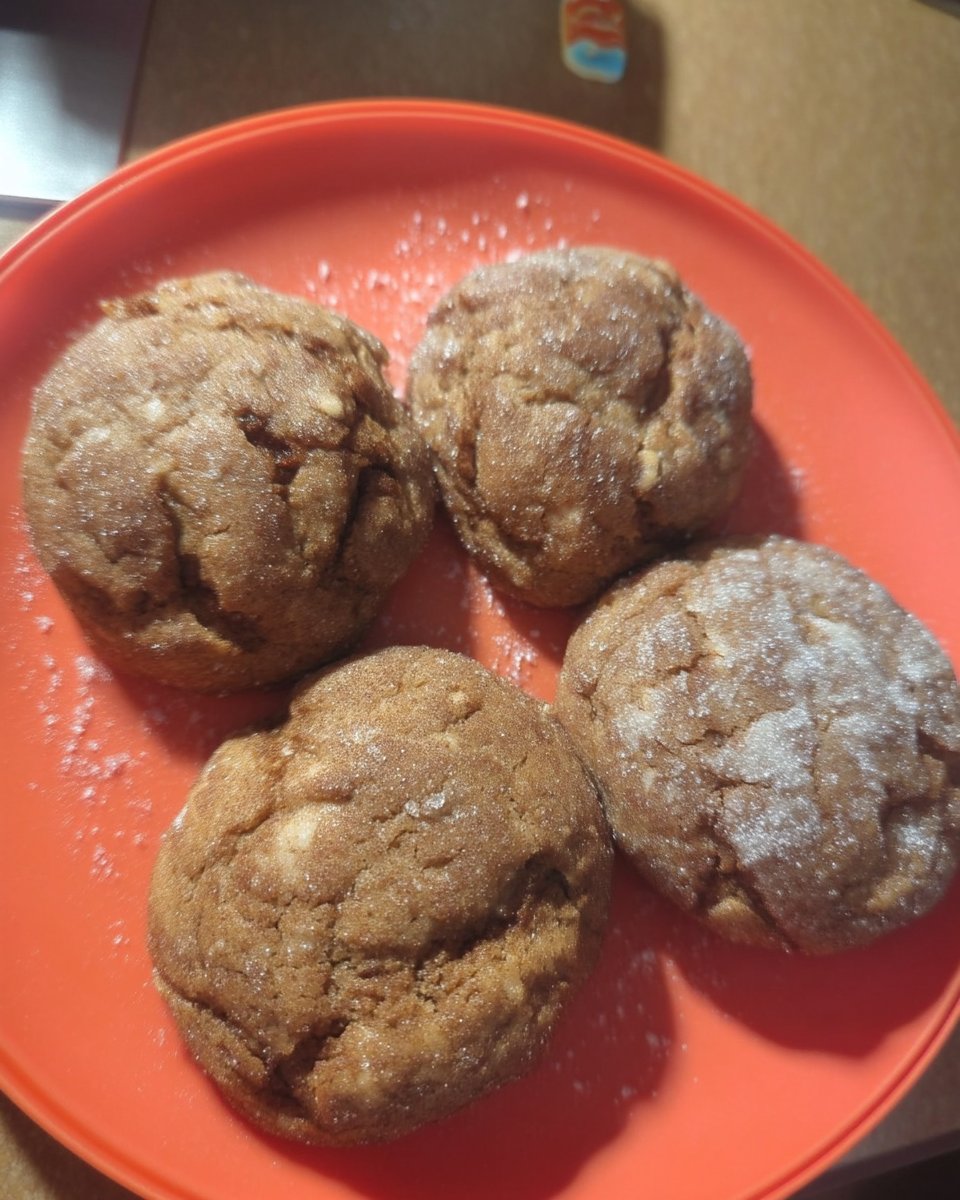
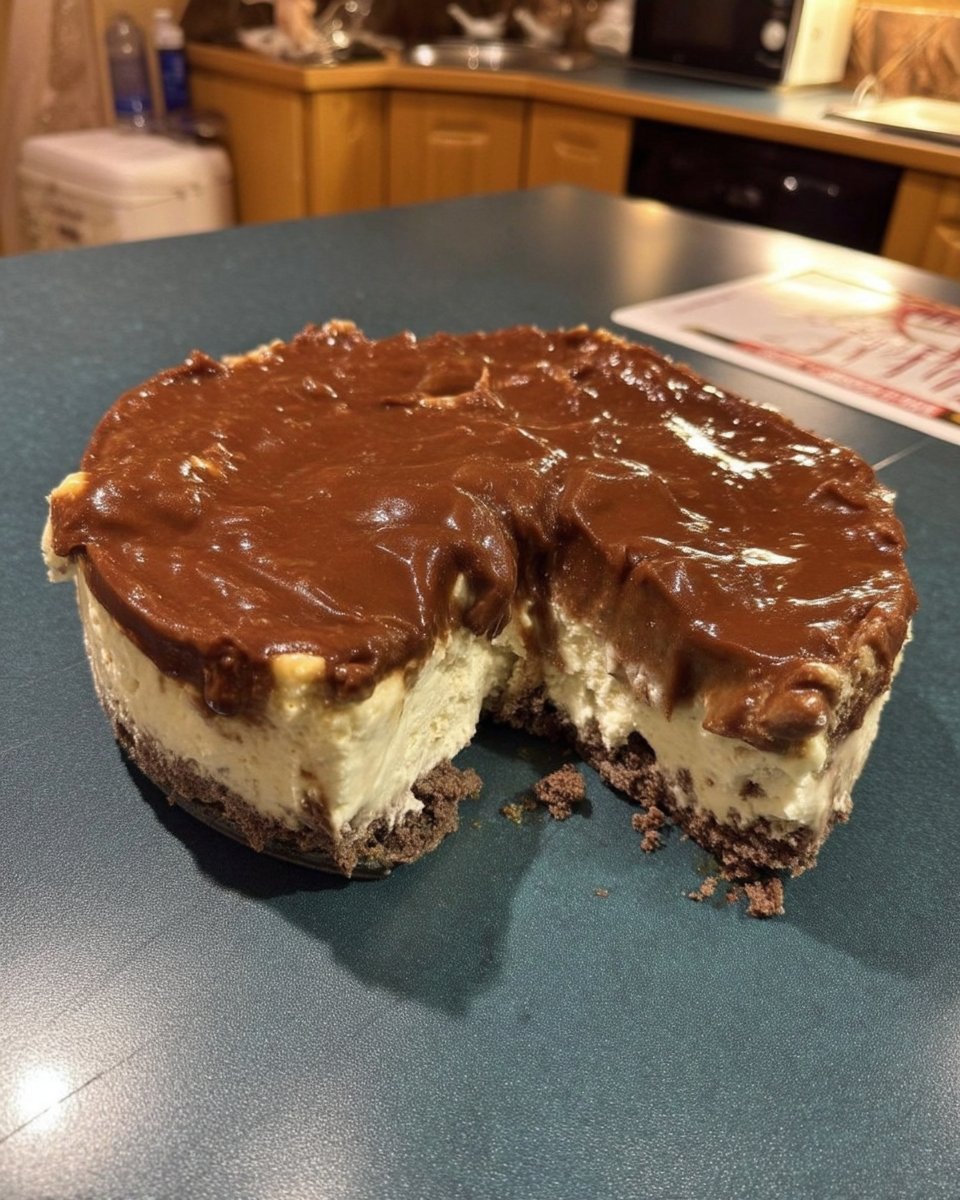
We spent weeks in the test kitchen analyzing why some lard-based cookies crumble while others hold a sharp, clean snap. These Biscochos 2 represent the peak of that research, balancing the high fat content of lard with the structural protein of two whole eggs. It is a formula that honors traditional New Mexican baking while guaranteeing a consistent result every time you preheat the oven.

The addition of sweet table wine acts as a unique leavening agent and flavor carrier within the dough. By rolling the mixture to exactly 1/8 inch (3 mm), we achieve the ideal surface-to-volume ratio for a crisp, golden finish that defines this classic treat.
The Chemistry of the Perfect Snap
This recipe succeeds because it respects the specific melting point of lard, which differs significantly from butter. Unlike butter, lard creates a distinct short-crust texture that allows the aromatic anise and cinnamon to permeate the crumb without the interference of milk solids. You will appreciate the structural integrity that the sweet wine provides, reacting with the baking powder to create micro-pockets of air during the baking process.
This scientific balance results in a cookie that is sturdy enough for travel but delicate enough to melt on the tongue. We tested several fat-to-flour ratios, and this specific combination of six cups of flour to two cups of lard provides the necessary density to hold intricate shapes without spreading. The addition of eggs provides the emulsification needed to bind the wine and fat, preventing the dough from becoming overly greasy during the rolling phase.
Home bakers often struggle with cookies that are either too hard or too crumbly, but our Biscochos 2 solve this by using the wine as a gluten softener. The alcohol content inhibits excessive gluten development, making certain the texture remains tender even if you have to knead the dough slightly. This is precision baking at its most rewarding level, offering a breakthrough in texture that is both fascinating and reliable.
Print
Biscochos 2
- Total Time: 45 mins
- Yield: 60 cookies
Description
Master the art of the traditional New Mexican Biscocho with this scientifically balanced recipe that ensures a perfect, crisp snap every time. By utilizing high-quality lard and sweet table wine, these cookies achieve a delicate, flakey texture infused with the aromatic warmth of toasted anise and cinnamon.
Ingredients
- 2 cups (454g) high-quality leaf lard
- 1 cup granulated sugar
- 2 whole eggs
- 6 cups (750g) all-purpose flour, sifted
- 3 teaspoons baking powder
- 1 teaspoon salt
- 2 teaspoons anise seeds, briefly toasted
- 6 tablespoons sweet table wine (such as Mogen David)
- 1/2 cup granulated sugar (for coating)
- 2 tablespoons ground cinnamon (for coating)
Instructions
- In a large basin, cream together the lard and one cup of sugar until uniform, then add the eggs and beat until the mixture is light and fluffy.
- Sift the flour, baking powder, and salt together at least once to ensure the leavening agent is evenly distributed.
- Slowly add the sifted dry ingredients to the lard mixture, pouring in the sweet wine and anise seeds as you stir until a cohesive dough forms.
- Roll the dough out on a floured surface to a precise thickness of 1/8 inch (3 mm) and cut into shapes like stars or fleurs-de-lis.
- Combine the coating sugar and cinnamon, then sprinkle a generous amount over the unbaked cookies on a baking sheet spaced 1/2 inch apart.
- Bake at 350°F (175°C) for 15 to 20 minutes until edges are golden, then immediately coat with the remaining cinnamon-sugar while still hot.
Notes
To ensure the most consistent snap, use a ruler to verify the 1/8-inch thickness when rolling, as even a slight variation can change the final texture. If your kitchen is warm, chill the dough for 15 minutes before rolling to prevent the lard from melting, which helps maintain the intricate shapes of your cookie cutters.
- Prep Time: 25 mins
- Cook Time: 20 mins
- Category: Dessert
- Method: Baking
- Cuisine: New Mexican
The Formula for Structural Success
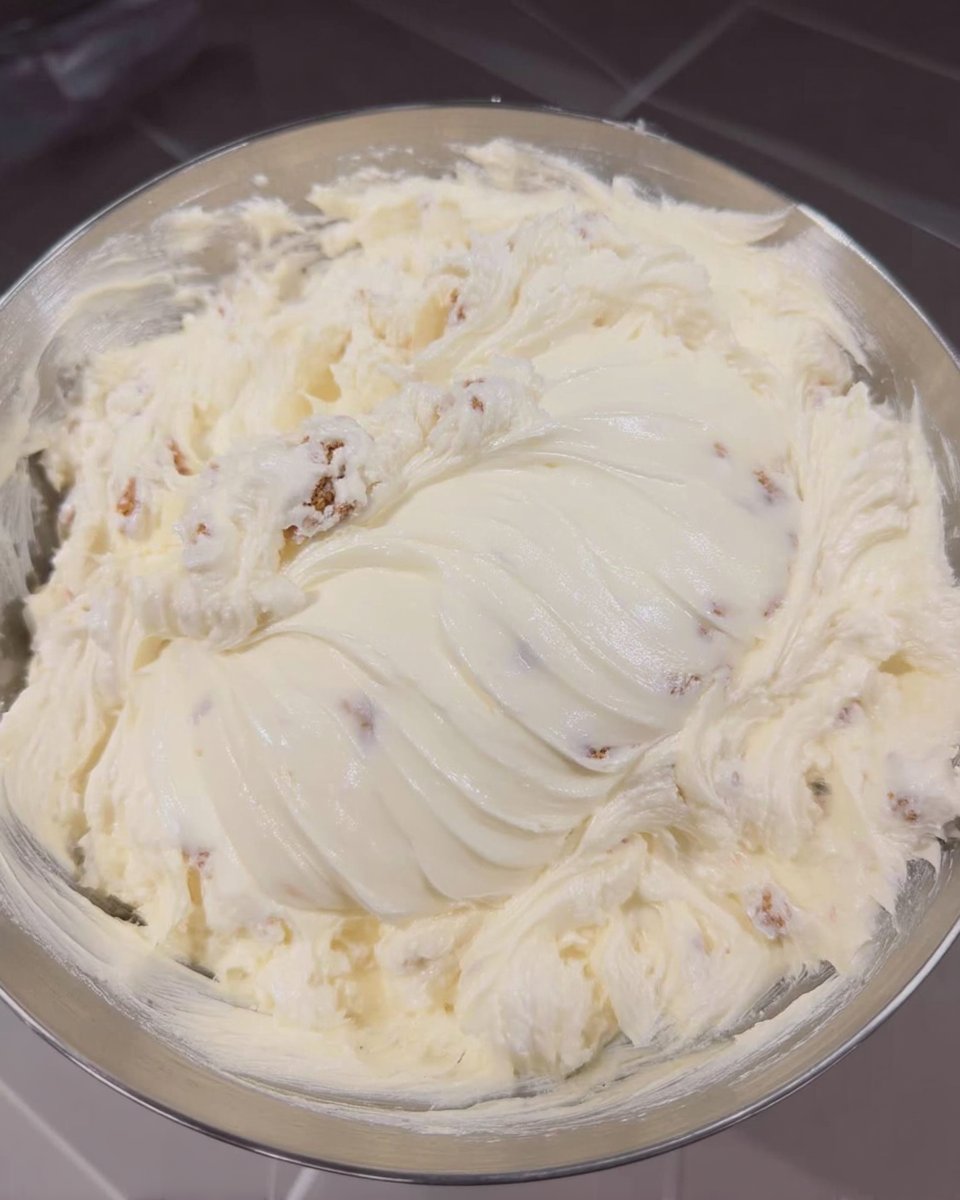
Understanding the role of each component is the first step toward a successful bake. Each ingredient in this list was selected for its specific chemical contribution to the final crumb and flavor profile.
- Lard (2 cups / 454g): This is the functional foundation of the cookie. Lard is 100% fat, whereas butter contains water. Using lard guarantees the short, flakey texture that characterizes a true biscocho. We recommend high-quality leaf lard for the cleanest flavor.
- Granulated Sugar (1 cup + extra for coating): Beyond sweetness, sugar aids in the creaming process, creating small air pockets when beaten with the lard. This aeration is vital for a light structure.
- Whole Eggs (2): Eggs act as the primary emulsifier. The lecithin in the yolks binds the fats and liquids, while the proteins in the whites provide the structure needed to roll the dough thin.
- All-Purpose Flour (6 cups / 750g): This provides the bulk of the cookie. We sift this to remove clumps and help the dry ingredients integrate with the fat more evenly.
- Baking Powder (3 tsp): This chemical leavener reacts with the acidity in the wine to produce carbon dioxide, giving the cookies a slight lift without losing their flat, crisp shape.
- Anise Seed (2 tsp): Toasting these seeds briefly in a dry pan before adding them to the dough activates the essential oils, providing a deeper, more resonant flavor than raw seeds.
- Sweet Table Wine (6 TBS): We specifically recommend a Concord grape wine like Mogen David. The sugar and alcohol soften the gluten and provide a floral depth that balances the richness of the lard.
- Cinnamon and Sugar Coating: This is applied both before and after baking. The first layer caramelizes in the heat, while the second layer provides the signature tactile finish.
The Methodical Process
Step 1: Cream the Fat and Sugar
In a large basin, combine the lard and one cup of sugar. Use a steady, rhythmic motion to cream them together until the mixture is uniform. Add the two eggs and continue to beat the mixture until it is visibly fluffy. This step is critical; you are building the initial air structure that the flour will eventually support. Do not rush this process, as under-creaming will lead to a dense, heavy cookie.
Step 2: Prepare the Dry Sift
Measure the six cups of flour, three teaspoons of baking powder, and one teaspoon of salt. Sift these ingredients together at least once. Sifting helps the leavening agent distribute throughout the large volume of flour, which makes certain that every cookie in the batch rises at the same rate. This precision prevents some cookies from being harder than others.
Step 3: Combine and Hydrate
Slowly add the sifted dry ingredients into the creamed lard mixture. As you stir, pour in the six tablespoons of sweet wine and the anise seeds. The dough will start to look shaggy at first. Continue mixing until a cohesive dough forms. If the dough feels too loose, you may need to knead it briefly on a floured board to encourage just enough gluten development to make it rollable.
Step 4: Precise Rolling and Cutting
Prepare a floured surface and roll the dough out to a thickness of exactly 1/8 inch (3 mm). This thickness is non-negotiable for achieving the correct snap. If the dough is too thick, it will be doughy; too thin, and it will burn before the interior is set. Cut into your preferred shapes—stars and fleurs-de-lis are traditional—and place them on baking sheets spaced 1/2 inch (1.2 cm) apart.
Step 5: The Dual Coating
Mix the half cup of sugar with two tablespoons of cinnamon. Sprinkle this mixture generously over the top of each unbaked cookie. This initial layer creates a protective barrier that helps the cookie maintain its moisture balance while the exterior crisps. Place the sheets in a preheated 350°F (175°F) oven.
Step 6: Baking and Final Finish
Bake for 15 to 20 minutes. Watch for the edges to turn a light golden brown. Once removed from the oven, immediately coat the entire cookie with the remaining cinnamon-sugar mixture. The residual heat on the surface will help the sugar adhere, creating a beautiful, frosted appearance that is both traditional and delicious.
Lab Notes for Flawless Results
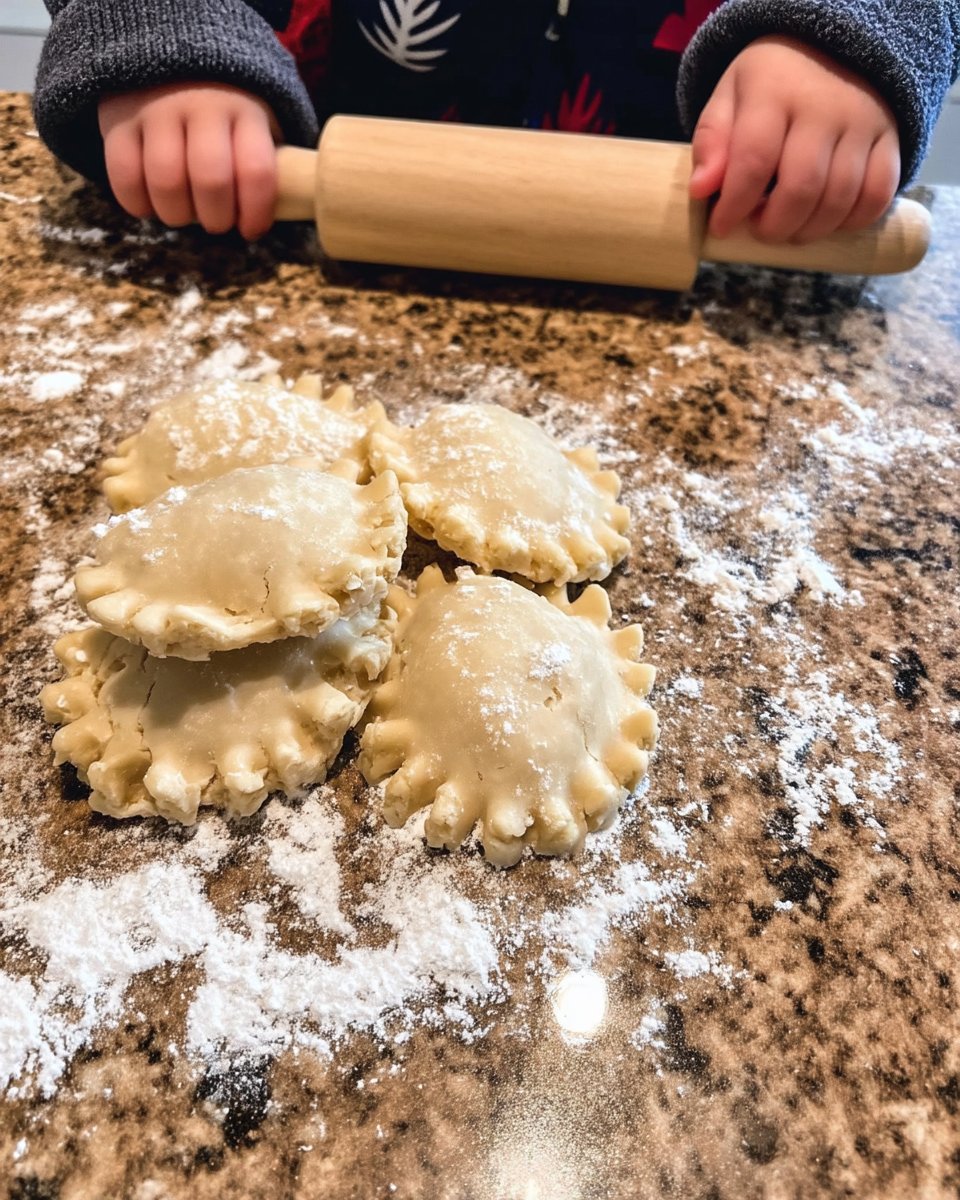
To keep the dough from becoming too soft during the rolling process, maintain your kitchen temperature near 68°F (20°C). If you find the dough becoming greasy or difficult to handle, chill it in the refrigerator for 15 minutes to stabilize the lard. For those interested in more technical baking, our Artisan Cookie Collection offers deep insights into fat management in short-crust doughs. Using high-quality ingredients is key, and you can find more context on the history of these flavors in this New Mexico Biscochitos guide. Always measure your wine with a liquid measuring spoon to avoid adding too much moisture, which could compromise the structure.
Tested Flavor Tweaks
For a botanical variation, you can replace the anise seed with one tablespoon of culinary-grade dried lavender. Since lavender is more potent than anise, we recommend this reduced ratio to keep the flavor from becoming soapy. If you prefer a brighter profile, add two tablespoons of orange zest to the dough. Because zest adds a small amount of moisture, reduce the wine by one tablespoon to keep the hydration levels balanced. For those who want to experiment with visual presentation, our Seasonal Cookie Design provides methods for using intricate stamps that work exceptionally well with this sturdy lard-based formula.
Pairing and Texture Science
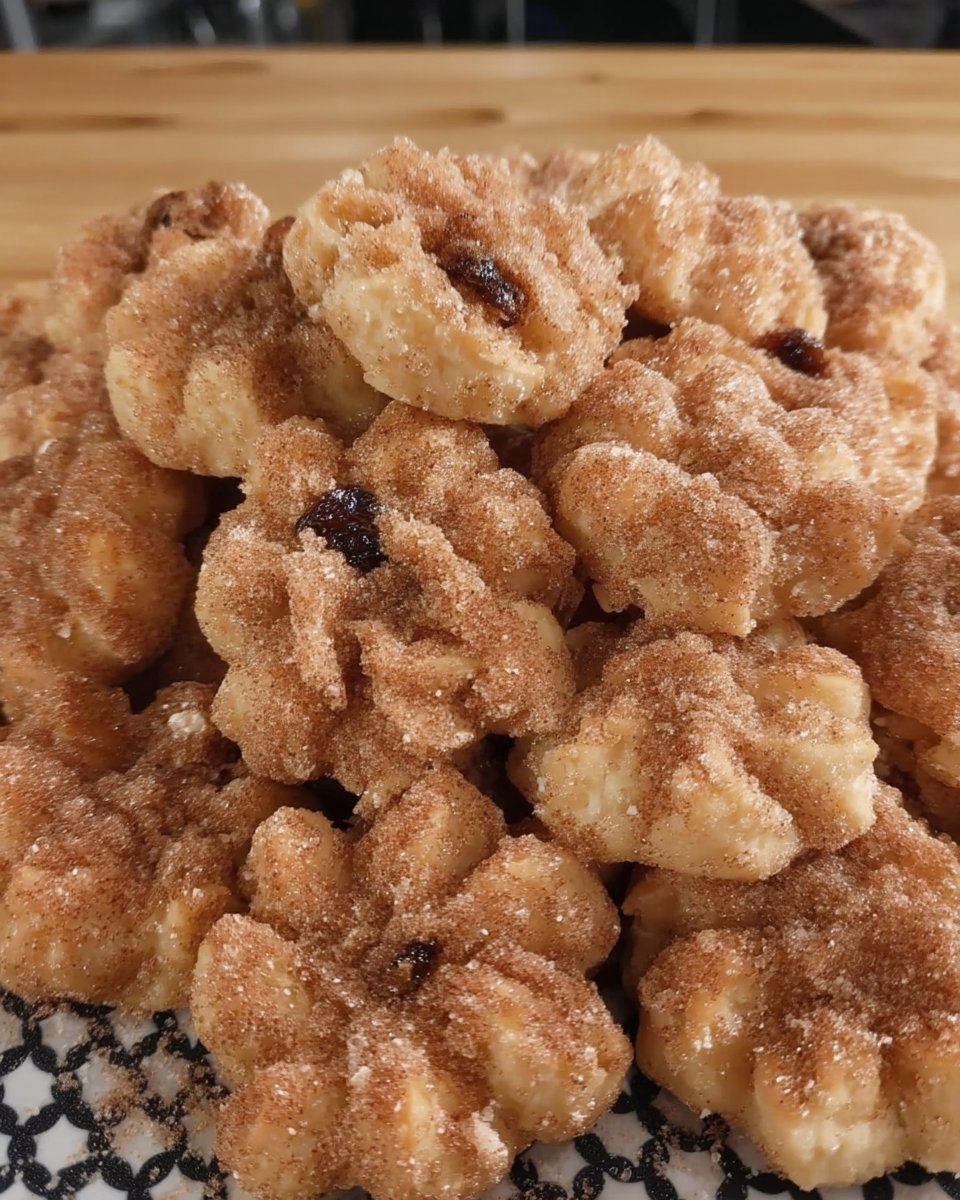
Biscochos 2 actually improve with age. We recommend letting them sit for at least 24 hours after baking, which allows the volatile oils from the anise seed to fully migrate through the crumb. Serve these cookies at room temperature to appreciate the delicate snap of the lard-based structure. They pair remarkably well with a dry sherry or a warm cup of coffee, as the bitter notes of the beverage highlight the sweetness of the cinnamon coating. For more ideas on how to present these at your next gathering, visit our Cookie Decorating Studio.
The Scientific Truth of Tradition
Success with Biscochos 2 comes from a commitment to precision and an understanding of how fat and liquid interact. When you respect the ratios and the rolling thickness, you create a cookie that is a technical triumph and a cultural treasure. We invite you to continue your journey through our Trending Cookie Creations for more structure-focused recipes that bring science into the home kitchen. We would love to see your results, so please share your bakes with us on Pinterest, Instagram, or Facebook.