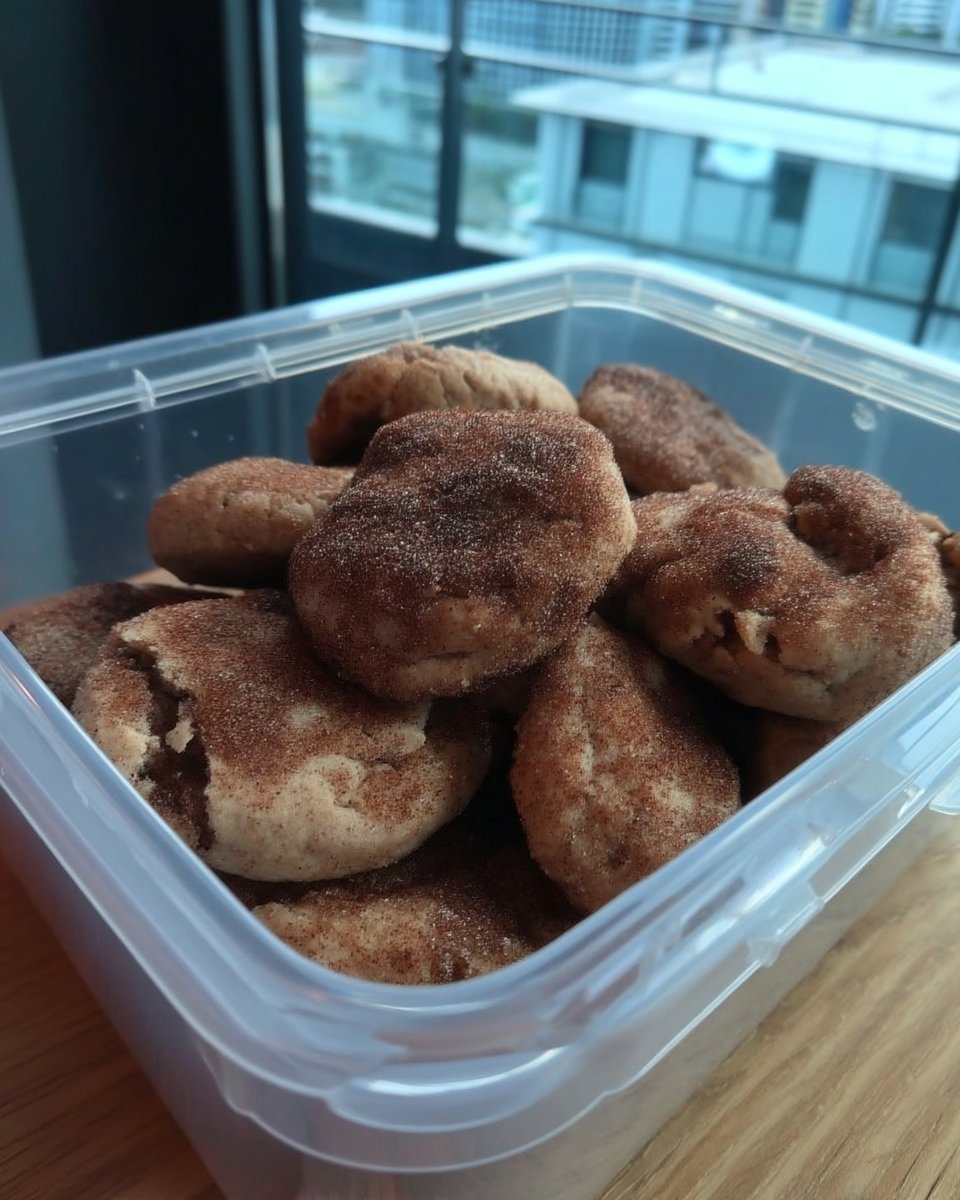
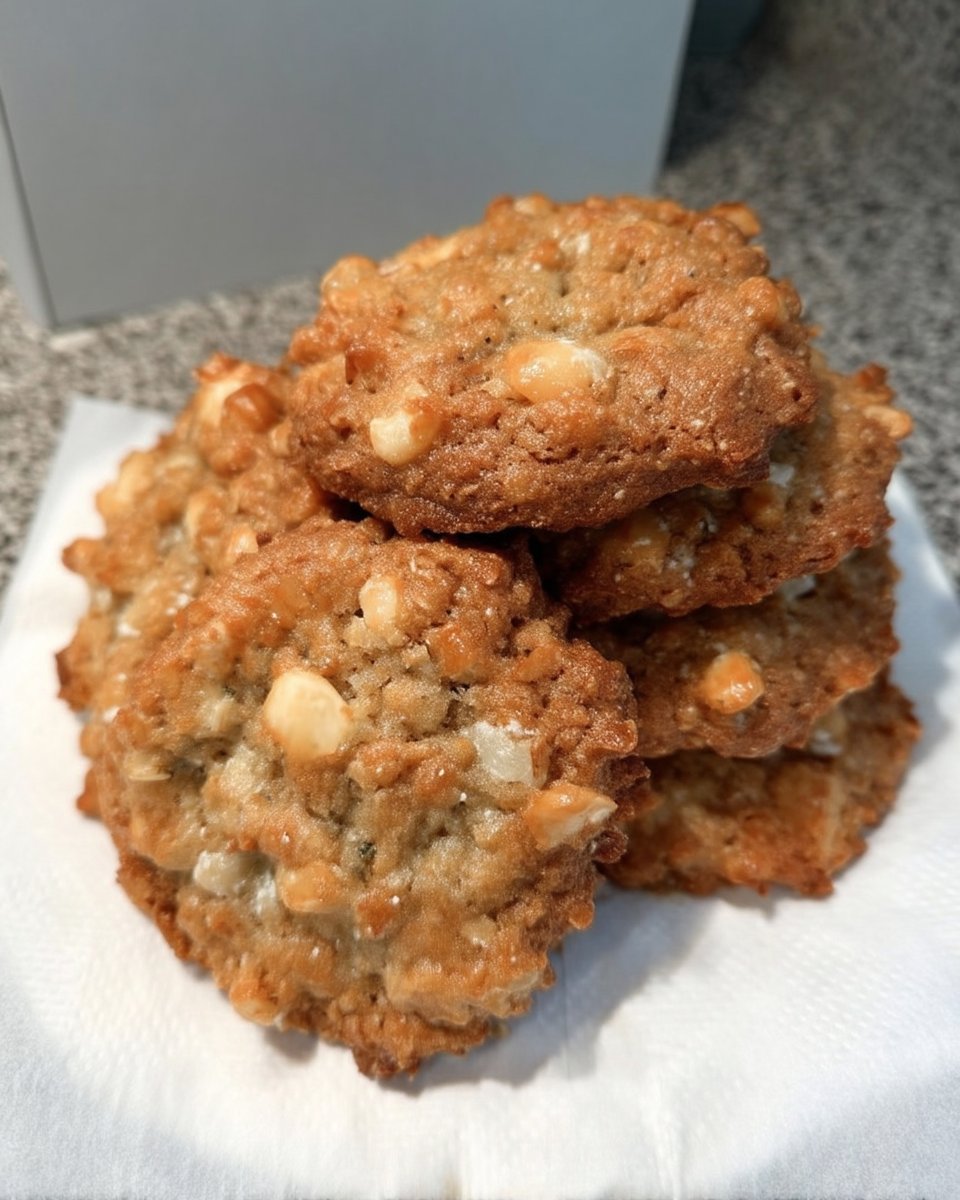
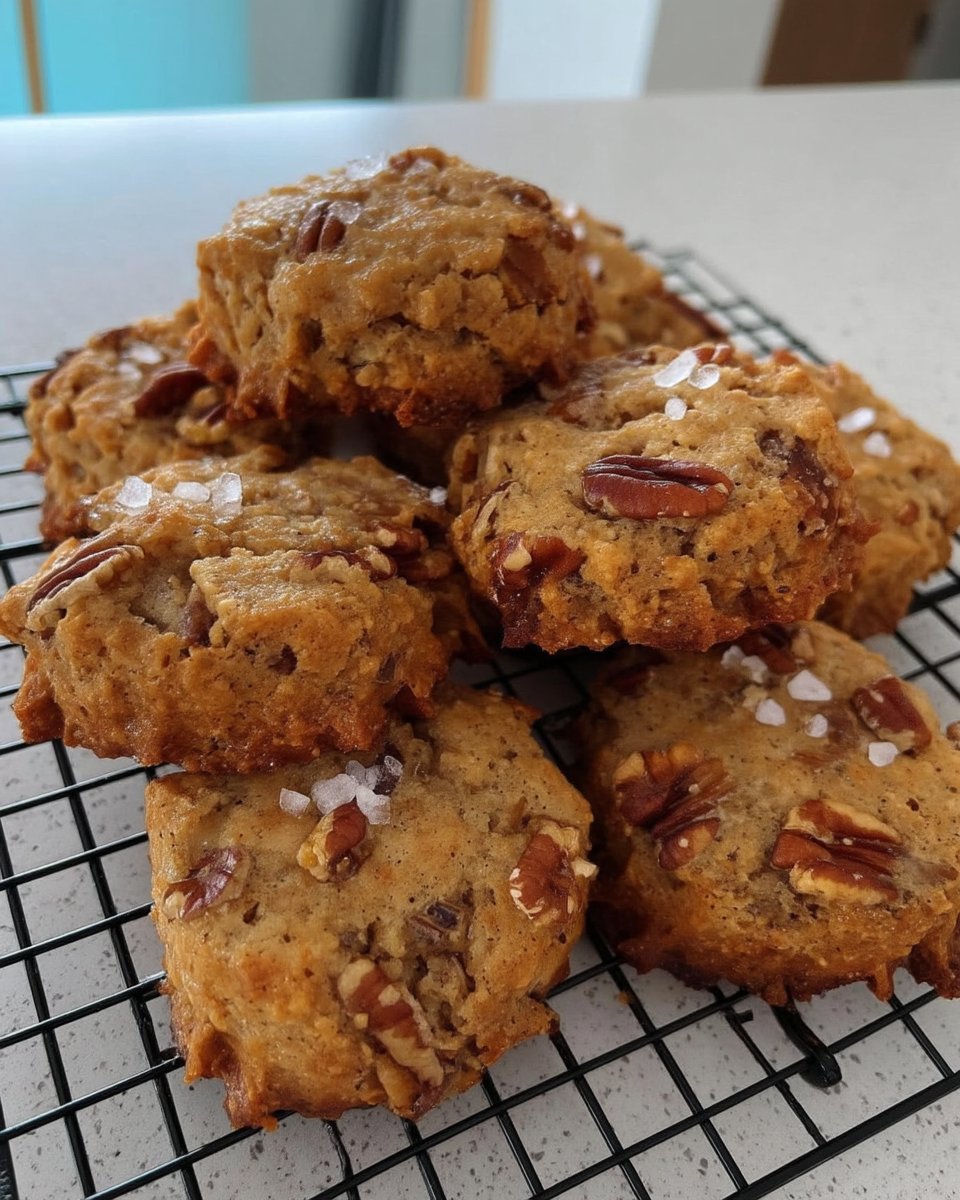
Our test kitchen spent weeks investigating the structural challenges of pumpkin-based doughs to solve the common issue of cakey textures. We discovered that by reducing the water content through browning the butter and using a specific ratio of pumpkin puree to dark brown sugar, we could achieve a dense, chewy crumb. This scientific approach transforms a potentially spongy bake into a robust treat that stands up to the seasonal humidity.

The secret to the success of these Fall Cookies 2 lies in the moisture-attracting properties of maple syrup combined with the high molasses content of dark brown sugar. By omitting the egg white and relying solely on the yolk, we stabilize the emulsion without adding excess liquid. This precision guarantees a cookie that remains soft and chewy for days rather than turning dry.
The Chemistry of Chewy Pumpkin Textures
Most pumpkin recipes fail because pumpkin puree is roughly 90% water. In the test kitchen, we focus on managing this hydration. By browning the butter, we remove its water content and replace it with toasted milk solids, providing a nutty depth that complements the pumpkin pie spice. This fat-to-moisture ratio is the foundation of our structural success.
We employ dark brown sugar because its acidity reacts with the baking soda to create a localized rise that collapses into a chewy center. The addition of maple syrup acts as a humectant, which means it binds to water molecules and keeps them from evaporating during the 350°F bake. This creates a soft, pliable texture that is often missing from standard seasonal recipes.
The precision of using exactly 80 grams of pumpkin puree prevents the dough from becoming a batter. We tested several weights, from 60 grams to 100 grams, and found that 80 grams provides the ideal flavor profile without compromising the integrity of the cookie’s edge. This balance results in a cookie that is crispy at the perimeter and tender in the middle.
Print
Brown Butter Pumpkin Fall Cookies
- Total Time: 50 mins
- Yield: 12 cookies
- Diet: Vegetarian
Description
These decadent pumpkin cookies utilize browned butter and a precise moisture balance to achieve a dense, chewy texture instead of a traditional cakey crumb. Infused with maple syrup and toasted spices, they offer a sophisticated flavor profile that perfectly captures the essence of autumn.
Ingredients
- 220g unsalted butter
- 280g dark brown sugar
- 1 large egg yolk
- 3 tablespoons pure maple syrup
- 80g pure pumpkin puree
- 280g all-purpose flour
- 1 teaspoon pumpkin pie spice
- 1 teaspoon ground cinnamon
- 1/2 teaspoon baking soda
- 1/2 teaspoon baking powder
- 1/2 teaspoon salt
- 1 teaspoon vanilla extract
- Granulated sugar (for coating)
- Brown sugar (for coating)
- Extra cinnamon (for coating)
Instructions
- Melt the butter in a light-colored saucepan over medium heat until it foams and develops amber bits; transfer to a measuring glass to ensure you have 180-190ml of liquid.
- Chill the browned butter in the refrigerator for exactly 20 minutes until cool to the touch but still liquid.
- In a medium bowl, whisk together the flour, baking soda, baking powder, salt, and spices until evenly distributed.
- In a large bowl, whisk the cooled butter and dark brown sugar vigorously for two minutes, then whisk in the egg yolk, maple syrup, vanilla, and pumpkin puree until fully emulsified.
- Fold the dry ingredients into the wet mixture using a rubber spatula just until no flour streaks remain, then let the dough rest for 15 minutes.
- Use a 2oz scoop to portion the dough, roll into spheres, and coat thoroughly in a mixture of granulated sugar, brown sugar, and cinnamon.
- Place spheres 3 inches apart on a parchment-lined baking sheet and bake at 350°F for 12-15 minutes until the edges are set and the centers are slightly puffed.
Notes
To ensure the perfect chewy texture, always use a kitchen scale for the pumpkin puree and flour measurements as volume can vary significantly. If your cookies do not spread or crack as expected, verify that your oven has reached a true 350°F and that your baking soda is fresh to ensure the proper chemical reaction with the dark brown sugar.
- Prep Time: 35 mins
- Cook Time: 15 mins
- Category: Dessert
- Method: Baking
- Cuisine: American
The Formula for Structural Success
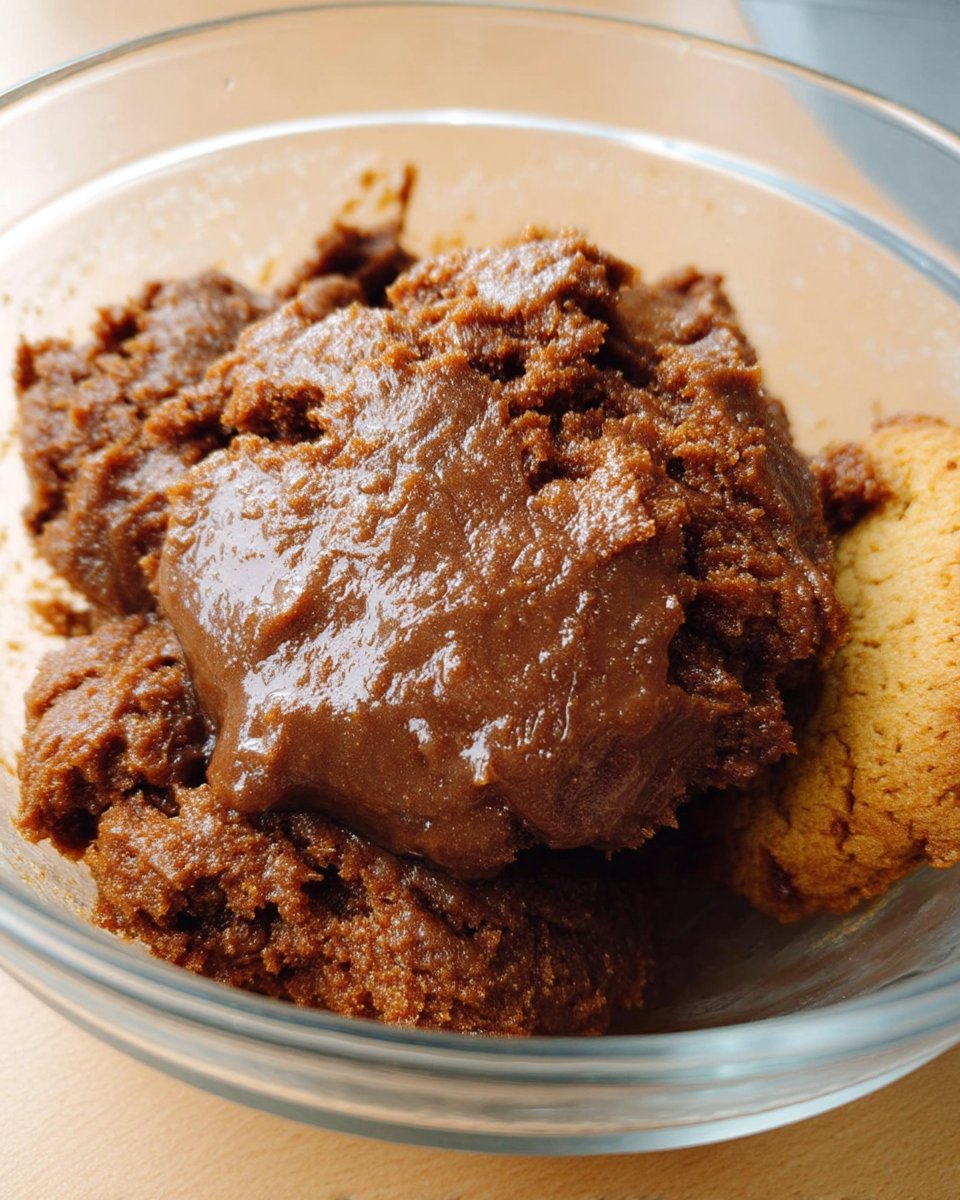
Every ingredient in this formula serves a specific chemical purpose to maintain the balance of fat, sugar, and flour. Understanding these roles allows you to bake with confidence.
- Unsalted Butter (220g): We start with a full cup to allow for the evaporation that occurs during the browning process. The resulting brown butter provides the lipid base necessary for a tender crumb.
- Dark Brown Sugar (280g): This sugar contains more molasses than light brown sugar, which improves the moisture levels and deepens the Maillard reaction during baking.
- Large Egg Yolk: By excluding the egg white, we remove the proteins that often lead to a rubbery or cakey structure in pumpkin bakes.
- Pure Maple Syrup (3 tbsp): This liquid sweetener provides a unique invert sugar profile that prevents sugar crystallization, keeping the cookies soft.
- Pumpkin Puree (80g): Use pure pumpkin, not pie filling. The polysaccharides in the pumpkin provide the body and characteristic seasonal flavor.
- All Purpose Flour (280g): This provides the gluten structure. We measured this to exactly 2.25 cups to maintain the ideal thickness.
- Pumpkin Pie Spice and Cinnamon: Toasting these spices within the dough allows the fat-soluble compounds in the spices to distribute more effectively.
- Baking Soda and Baking Powder: The combination provides both immediate and delayed leavening to prevent the cookies from becoming too dense.
- Sugar Coating: A mixture of granulated and brown sugars provides a dual-texture crunch on the exterior of the cookie.
The Scientific Process
Step 1: Execute the Maillard Reaction
Melt the 220g of unsalted butter in a light-colored saucepan over medium heat. Constant agitation is required to prevent localized burning of the milk solids. Watch for the butter to foam and then subside; once you see rich amber bits at the bottom and smell a nutty aroma, remove it from the heat immediately. Transfer the butter and all the browned bits to a measuring glass to confirm you have approximately 180-190ml of liquid gold.
Step 2: Thermal Management
Chill the browned butter in the refrigerator for exactly 20 minutes. It is vital that the butter remains liquid but cool to the touch (around 70°F). If the butter solidifies, it will not incorporate properly with the sugars, leading to a greasy texture. If it is too hot, it will melt the sugars prematurely and cause the cookies to spread too thin.
Step 3: Dry Ingredient Integration
In a medium-sized bowl, whisk together the flour, baking soda, baking powder, salt, and spices. Sifting is recommended if your flour or spices show signs of clumping. This step guarantees that the leavening agents are evenly distributed throughout the matrix, preventing uneven rising during the bake.
Step 4: Emulsify the Wet Ingredients
In a large bowl, combine the cooled brown butter and dark brown sugar. Whisk vigorously for two minutes until the mixture resembles wet sand. Add the egg yolk, maple syrup, vanilla, and pumpkin puree. Whisk until the mixture is fully emulsified and smooth. You should see no streaks of fat or pumpkin.
Step 5: Combine and Hydrate
Fold the dry ingredients into the wet mixture using a rubber spatula. Stop immediately once no flour streaks remain. Over-mixing at this stage develops excess gluten, which would make the cookies tough. If the dough feels too soft to hold its shape, let it rest for 15 minutes to allow the flour to fully hydrate.
Step 6: Portion and Coat
Prepare the coating by mixing the sugars and cinnamon in a small bowl. Use a 2oz scoop to portion the dough into 11-12 large spheres. Roll each sphere in the coating until completely covered. The sugar layer acts as a moisture barrier, helping the cookies maintain their shape.
Step 7: The Controlled Bake
Place the cookies 3 inches apart on a parchment-lined sheet. Bake at 350°F for 12-15 minutes. The cookies are finished when the edges are set and slightly darker than the center, which should still look slightly puffed. Residual heat will finish the cooking process on the pan.
Lauren’s Lab Notes
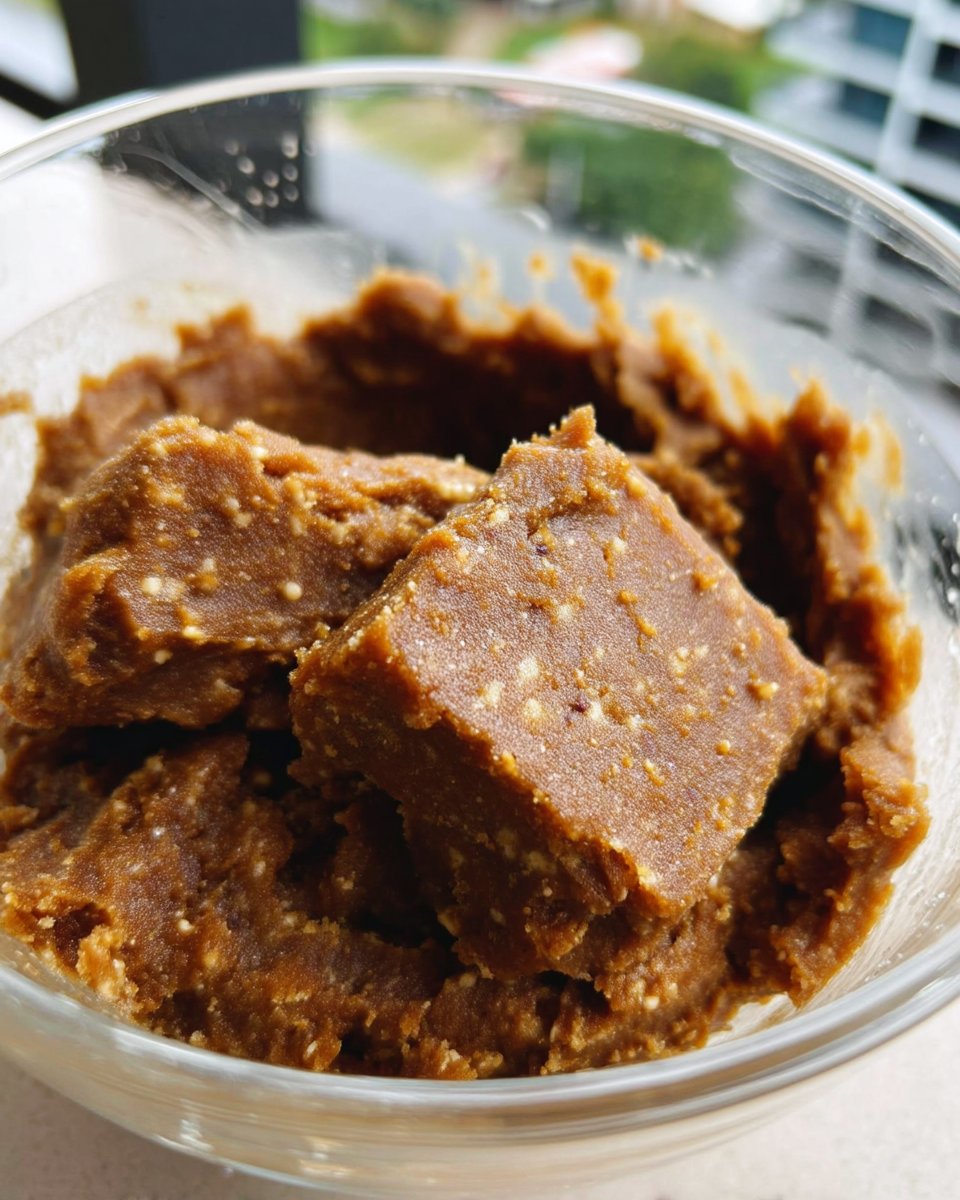
To achieve the perfect balance in your Fall Cookies 2, focus on the temperature of your ingredients. We found that using a room temperature egg yolk prevents the chilled brown butter from seizing during the emulsion phase. If your butter is too cold, the dough will be chunky; if too hot, the cookies will puddle on the tray. For more advanced techniques on maintaining dough integrity, see our Artisan Cookie Collection.
When browning the butter, use a stainless steel pan rather than a dark non-stick one. This allows you to visually monitor the color of the milk solids to prevent carbonization. We also recommend blotting your pumpkin puree with a paper towel if it appears particularly watery; this reduces the total moisture and increases the chewiness of the final result. If you notice your cookies aren’t cracking on top, your oven temperature might be slightly low; a true 350°F is necessary for the rapid expansion that creates those beautiful surface fissures.
Tested Variations
While this formula is precise, we have tested several modifications for those looking to adjust the flavor profile. If you wish to add pecans or walnuts, toast them at 300°F for 8 minutes first to activate their oils. Limit the addition to 1/2 cup to avoid disrupting the gluten network. For those who prefer a different aesthetic, visit our guide on Seasonal Cookie Design.
You can also experiment with a ginger-forward profile. Replace the cinnamon in the coating with ground ginger and add 1/4 cup of finely chopped crystallized ginger to the dough. Because crystallized ginger contains sugar, reduce the dark brown sugar in the main recipe by 1 tablespoon to maintain the proper sweetness threshold. If you substitute the maple syrup with honey, be aware that honey is sweeter and more acidic, which may cause the cookies to brown faster.
Flavor Science and Pairing
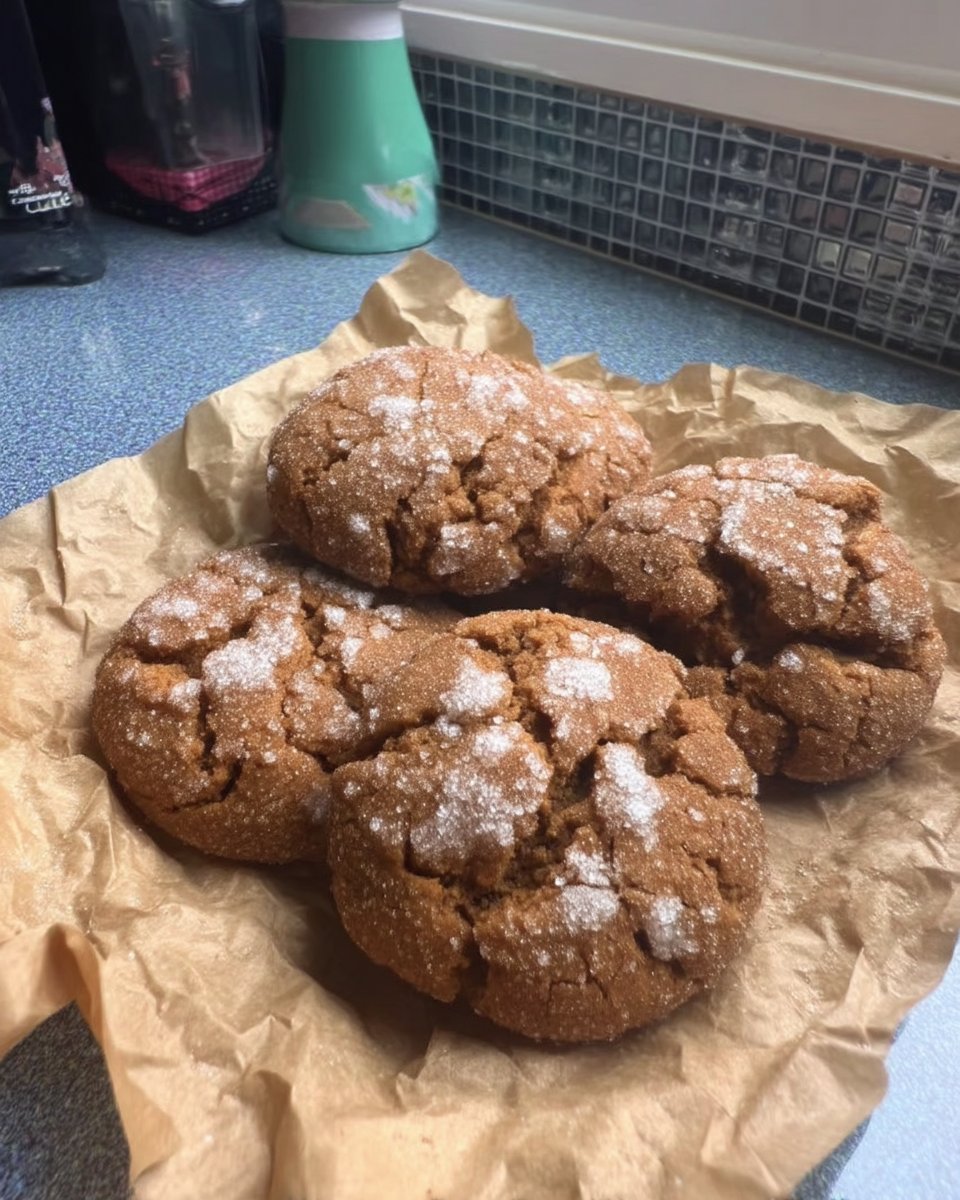
These cookies develop a deeper flavor profile if allowed to rest for at least 4 hours after baking. As the sugars stabilize and the moisture redistributes, the spice notes become more prominent. For an elegant presentation, consider browsing our Cookie Decorating Studio for glazing ideas that won’t overwhelm the pumpkin flavor.
Pair these cookies with a sharp cheddar cheese or a glass of cold milk to balance the richness of the brown butter. The salt in the cheese or the proteins in the milk interact with the spices to highlight the maple notes. If serving at a gathering, keep the cookies in an airtight container at room temperature; the high humectant content of the maple syrup will keep them fresh for up to five days without refrigeration.
The Scientific Truth
Achieving the perfect pumpkin cookie is a triumph of chemistry over moisture. By following these precise ratios and temperature controls, you can produce a bakery-quality treat that celebrates the best of seasonal flavors without the structural failures of lesser recipes. For more innovative ideas, check out our Trending Cookie Creations and stay updated on our latest testing results. You can also follow our journey on Facebook, Instagram, or Pinterest. Keep testing and keep baking with precision.