In our test kitchen, we spent weeks analyzing the structural integrity of eggless cookies to find the exact point where a crumb becomes perfectly tender without losing its shape. This Pecan Shortbread represents a breakthrough in fat-to-flour ratios, utilizing a precise 1 cup (226g) of butter to 2.25 cups (281g) of flour to achieve a dense, professional finish. We tested various pecan sizes to find that finely chopped nuts provide the best surface area for flavor distribution while maintaining the dough’s cohesive strength.

This recipe relies on the scientific principle of thermal stabilization through an extended chilling period, which prevents the butter from melting prematurely in the oven. By following our slice-and-bake method, you guarantee a thick, uniform cookie with crisp edges and a soft, buttery center. This is a foundational technique that proves how a few high-quality ingredients can produce spectacular results when combined with chemical precision.
The Chemistry of a Perfect Crumb
You will appreciate the structural logic of this recipe because it eliminates the unpredictability of leavening agents like baking soda or eggs. By relying solely on the aeration of butter and the gluten-stunting properties of fat, we create a ‘short’ texture—hence the name shortbread. The inclusion of brown sugar adds a specific level of hygroscopy, which means it attracts moisture and results in a softer bite than traditional Scottish recipes. This balance of light and dark sugars creates a more complex flavor profile while providing the necessary carbon for a beautiful golden-brown finish.
Furthermore, the slice-and-bake method is a victory for efficiency and precision. It allows the dough to rest, which hydrates the flour particles completely and leads to a more consistent bake. When you bite into these, the ratio of 3/4 cup (100g) of pecans ensures that every square centimeter of the cookie has a nutty crunch. It is a reliable, proven formula that works every time because it respects the physical limitations of the ingredients.
Print
Pecan Shortbread
- Total Time: 4 hours 34 mins
- Yield: 24 cookies
- Diet: Vegetarian
Description
This Pecan Shortbread is a masterclass in cookie chemistry, utilizing a high fat-to-flour ratio and a precise thermal stabilization period to achieve a professional, tender crumb. With its rich buttery base and crunchy nut-sugar coating, this slice-and-bake recipe delivers sophisticated flavor and consistent results every time.
Ingredients
- 1 cup (226g) unsalted butter, softened to room temperature
- 1/2 cup (100g) packed brown sugar
- 1/4 cup (50g) granulated sugar
- 1.5 teaspoons pure vanilla extract
- 2 1/4 cups (281g) all-purpose flour, spooned and leveled
- 1/2 teaspoon ground cinnamon
- 1/4 teaspoon salt
- 3/4 cup (100g) finely chopped raw pecans
- 1/4 cup coarse sugar (for coating)
- 1/4 cup extra pecans, finely chopped (for coating)
Instructions
- In a large bowl using a handheld or stand mixer fitted with a paddle attachment, beat the butter, brown sugar, and granulated sugar on medium-high speed for 2 minutes until aerated.
- Add the vanilla extract and beat on high speed until the liquid is fully emulsified into the fat.
- Turn the mixer to low speed and slowly add the flour, cinnamon, and salt, mixing just until no streaks of flour remains.
- Fold in the 3/4 cup of pecans by hand until they are evenly distributed through the thick, slightly crumbly dough.
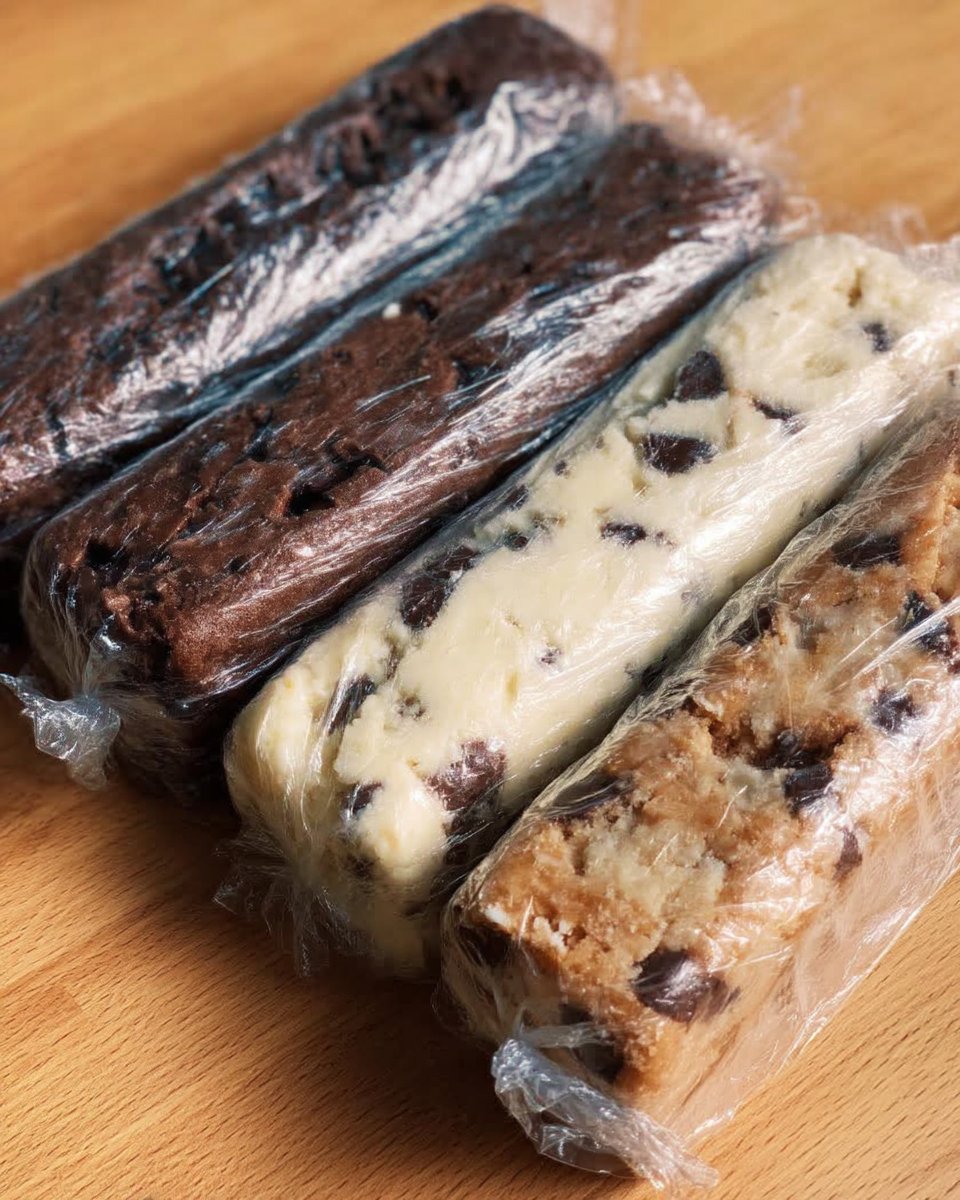
- Divide the dough into two equal portions and shape each into an 8-inch log about 2.5 inches in diameter; wrap each log tightly in plastic wrap.
- Refrigerate the logs for at least 3 to 4 hours to allow the flour to hydrate and the butter to stabilize.
- Preheat your oven to 350°F (177°C) and line two large baking sheets with parchment paper or silicone mats.
- Combine the coarse sugar and additional 1/4 cup of pecans on a flat plate, then roll the chilled logs in the mixture, pressing firmly to coat the exterior.
- Use a sharp chef’s knife to slice the logs into rounds approximately 1/2 to 3/4 inch thick and place them 2 inches apart on the baking sheets.
- Bake for 12 to 14 minutes until the edges are lightly golden, then let rest on the hot pan for 5 minutes before cooling completely on a wire rack.
Notes
To ensure your shortbread has the perfect ‘short’ texture, avoid over-mixing the dough once the flour is added, as this can develop excess gluten and lead to a tough cookie. If the dough logs are too firm to slice easily after chilling, let them sit at room temperature for five minutes before cutting to prevent the edges from crumbling. Using a sharp knife and a single downward motion rather than a sawing motion will help maintain the clean, round shape of each cookie.
- Prep Time: 20 mins
- Cook Time: 14 mins
- Category: Dessert
- Method: Slice and Bake
- Cuisine: American
Analyzing the Formula for Shortbread Success
To achieve a professional result, every component in this formula must be measured by weight whenever possible. The interaction between the lipids in the butter and the proteins in the flour is what determines the final texture of your Pecan Shortbread.
- Unsalted Butter (1 cup; 226g): This is the primary structural fat. Using unsalted butter allows us to control the exact sodium content. It must be softened to room temperature (about 65°F to 68°F) to allow for proper creaming with the sugars.
- Brown Sugar (1/2 cup; 100g): We use packed light or dark brown sugar to introduce molasses, which provides acidity and moisture. This acidity reacts subtly with the flour to soften the crumb.
- Granulated Sugar (1/4 cup; 50g): This provides the necessary crystalline structure for crisp edges. It does not hold onto moisture as much as brown sugar, which helps the cookies stay firm.
- Pure Vanilla Extract (1.5 teaspoons): Vanilla acts as a flavor conductor. High-quality extract contains vanillin, which rounds out the earthy notes of the pecans.
- All-Purpose Flour (2 1/4 cups; 281g): This provides the gluten framework. We spoon and level our flour to avoid over-packing, which would result in a dry, tough cookie.
- Ground Cinnamon (1/2 teaspoon): A small amount of spice activates the olfactory senses, making the buttery flavors seem even more intense.
- Salt (1/4 teaspoon): Salt is essential for flavor chemistry; it suppresses bitterness and highlights the sweetness of the pecans.
- Finely Chopped Pecans (3/4 cup; 100g): We use raw pecans for the dough. The fine chop is required because large pieces will cause the dough to fracture during the slicing process.
- Coarse Sugar and Extra Pecans (1/4 cup each): This exterior coating provides a textural contrast and a professional visual finish through the application of pressure during rolling.
The Scientific Process for Slice-and-Bake Success
Step 1: Aerating the Fat and Sugars
In a large bowl, use a handheld or stand mixer with a paddle attachment to combine the butter, brown sugar, and granulated sugar. Beat on medium-high speed for exactly 2 minutes. This process, known as creaming, incorporates tiny air pockets into the fat. While shortbread doesn’t use chemical leaveners, these air pockets expand in the oven to create a lighter texture. Add the vanilla extract and beat on high to emulsify the liquid into the fat.
Step 2: Incorporating the Dry Ingredients
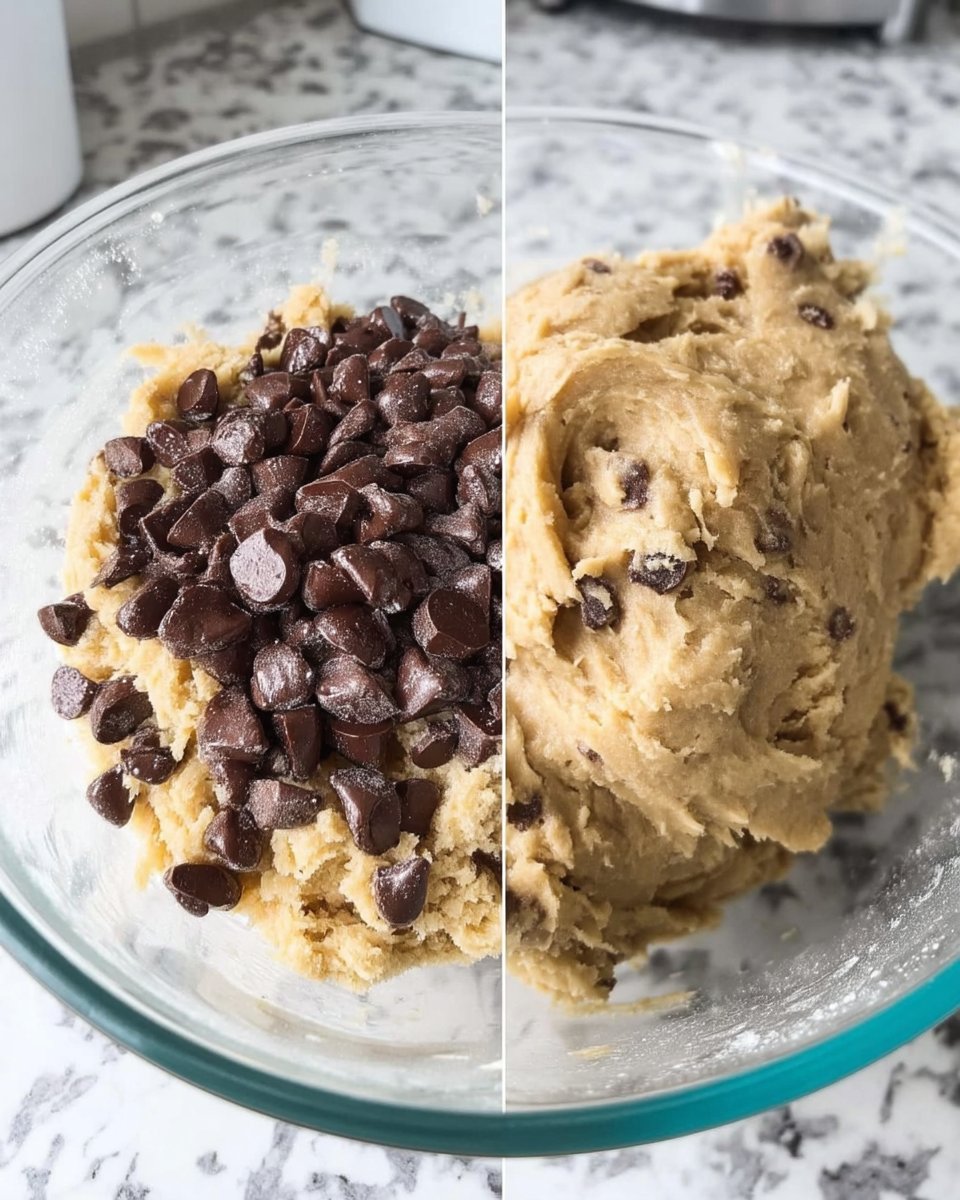
Reduce your mixer speed to low. Slowly add the flour, cinnamon, and salt. It is vital to stop mixing as soon as the flour is no longer visible to prevent excessive gluten development, which would make the shortbread tough. The dough will appear thick and slightly crumbly; this is normal. Fold in the 3/4 cup of pecans by hand or on the lowest mixer setting until just distributed.
Step 3: Log Formation and Structural Shaping
Turn the dough onto a lightly floured surface. Divide it into two equal portions. Shape each into an 8-inch (20cm) log with a diameter of approximately 2.5 inches (6cm). Use firm pressure to ensure there are no air gaps in the center of the log, as these will become holes in your finished cookies. Wrap each log tightly in plastic wrap to prevent the surface from drying out.
Step 4: Mandatory Thermal Stabilization
Place the logs in the refrigerator for at least 3 to 4 hours. Chilling is not optional. This step allows the flour to fully hydrate and the butter to return to a solid state. A cold log is easier to slice cleanly and will maintain its thickness during the bake, preventing the dreaded ‘spread’ that ruins cookie structure.
Step 5: Preparing the Oven and Exterior Coating
Preheat your oven to 350°F (177°C). Line your baking sheets with parchment paper or silicone mats to provide a non-stick surface and even heat distribution. Mix the coarse sugar and additional pecans on a flat plate. Remove the logs from the fridge and roll them into the mixture, pressing firmly so the coating adheres to the cold dough.
Step 6: Precision Slicing
Using a sharp chef’s knife, slice each log into 12 even rounds, roughly 1/2 inch to 3/4 inch thick. If the dough starts to crumble, let it sit at room temperature for 5 minutes, but keep it as cold as possible. Place the slices on the prepared sheets, leaving 2 inches (5cm) of space between each to allow for airflow.
Step 7: The Final Bake
Bake for 12 to 14 minutes. You are looking for a light golden color around the edges; the centers should still look pale and set. Over-baking will destroy the delicate balance of the pecans. Allow the cookies to rest on the hot sheet for 5 minutes to finish setting their internal structure before moving them to a wire rack for complete cooling.
Lauren’s Lab Notes for Structural Integrity
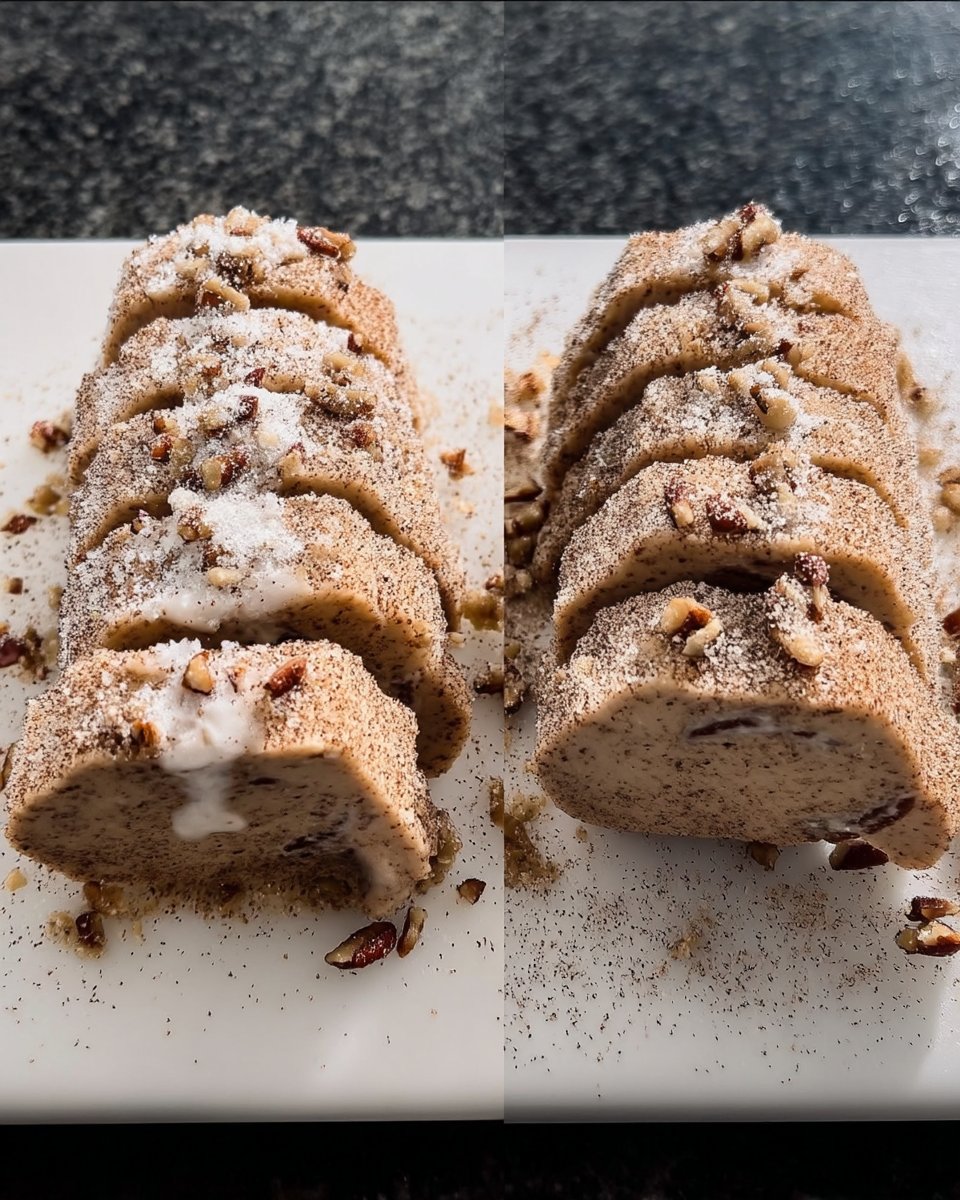
Temperature control is the most critical variable in shortbread chemistry. If your butter is too hot when you start mixing, the air pockets will collapse, resulting in a greasy, heavy cookie. Aim for a ‘cool room temperature’ where the butter yields to pressure but doesn’t look shiny or oily. For more technical insights on maintaining dough temperature, check out our Artisan Cookie Collection where we break down fat stability in detail.
Another precision tip involves the pecans. We recommend using a food processor to pulse the pecans until they resemble coarse sand with a few larger bits. This maximizes the distribution of pecan oils throughout the dough. To further understand the science of nut oils in baking, refer to the foundational techniques at Sally’s Baking Addiction. If your cookies are crumbling during the slicing phase, your knife may be dull or your pecans may be too large, disrupting the flour-butter bond.
Tested Modifications and Flavor Ratios
If you prefer a more traditional aesthetic, you can swap the brown sugar for all granulated sugar, though this will result in a crisper, drier crumb. For those looking to adjust the nut profile, toasted walnuts are a viable substitute, though you must account for their slightly higher oil content by reducing the butter by one teaspoon. These adjustments are part of our Seasonal Cookie Design philosophy, where we encourage small, calculated changes.
Another successful variation involves the addition of citrus. Adding 1 tablespoon of orange zest provides a bright contrast to the heavy butter. However, zest adds moisture; to keep the structure sound, increase the flour by exactly 1 tablespoon (8g). We have tested these ratios extensively to verify that the cookies maintain their signature snap even with added botanical elements.
Flavor Science and Pairing Notes
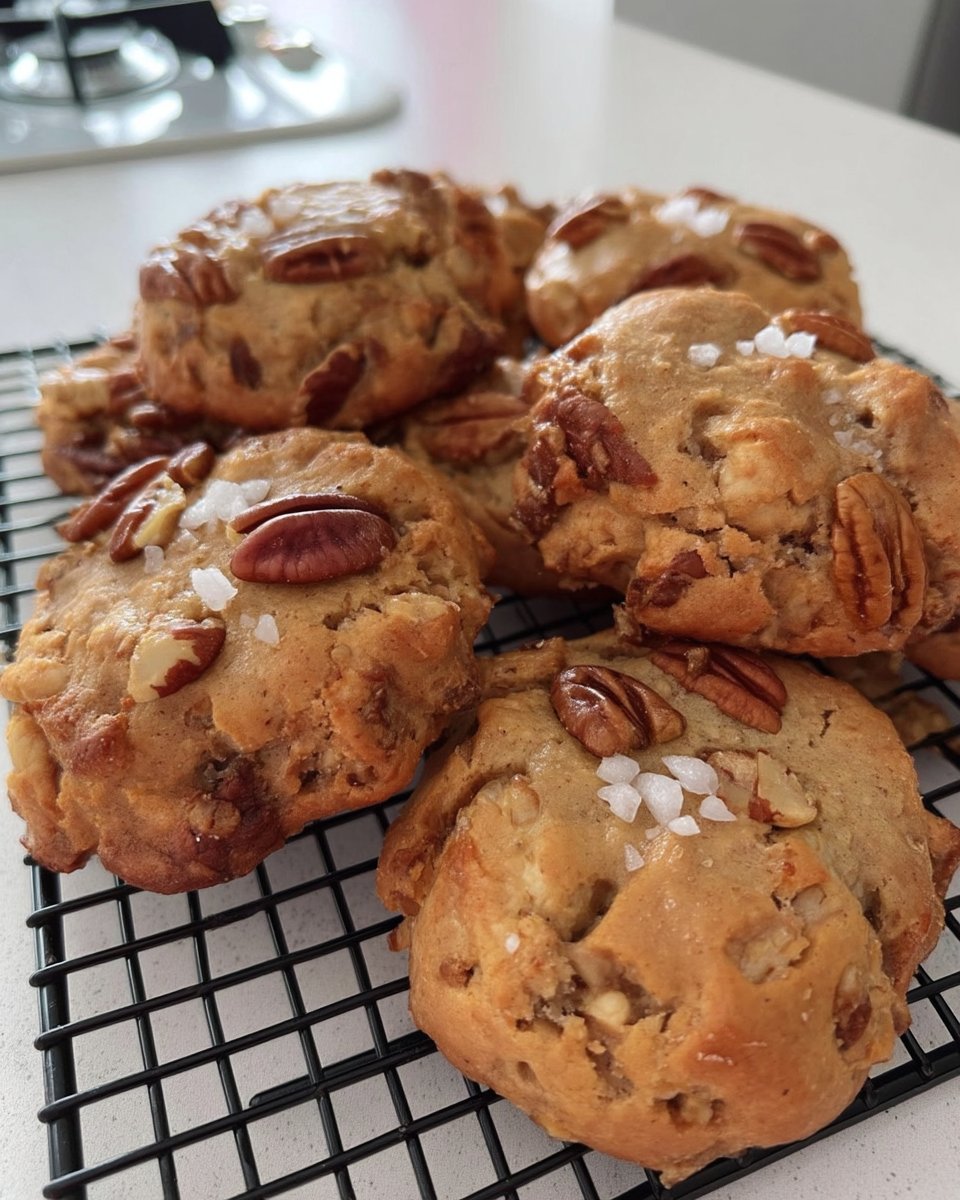
Shortbread is best served at room temperature (around 70°F) to allow the butter fats to soften slightly on the palate, which maximizes flavor release. For a sophisticated presentation, serve these alongside a dark roast coffee or a smoky Lapsang Souchong tea. The tannins in the tea provide a chemical counterpoint to the richness of the pecans. For more pairing ideas that emphasize simple beauty, visit our guide on Effortless Cookie Elegance.
If you are serving these as part of a dessert board, remember that salt enhances the perception of sweetness. A light dusting of Maldon sea salt over the cookies just as they come out of the oven can transform the flavor profile from simple to remarkable. These cookies are sturdy enough for transport, making them a breakthrough choice for gifting or holiday gatherings.
The Final Analysis on Butter and Flour
Success with this Pecan Shortbread comes down to respecting the ratios and the clock. By allowing the dough the necessary time to chill and hydrate, you achieve a professional-grade result that honors the traditional roots of this bake while incorporating modern flavor chemistry. We hope this scientific approach gives you the confidence to master the slice-and-bake technique in your own kitchen. For more innovative recipes that push the boundaries of texture, browse our Trending Cookie Creations. We invite you to share your results with us on Facebook, Instagram, and Pinterest. Keep testing and keep baking with precision.