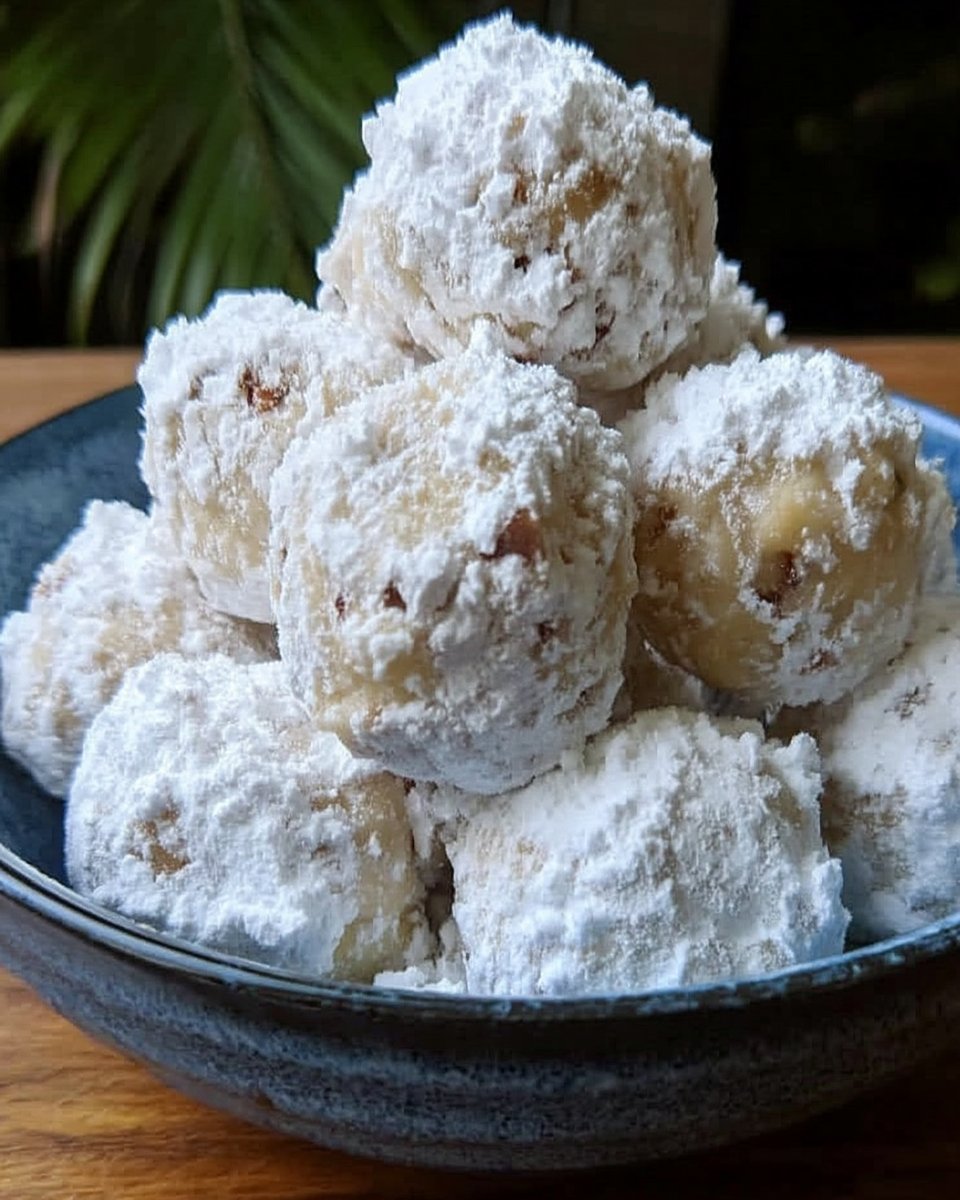
Our test kitchen staff spent forty-eight hours analyzing the structural differences between gluten-based shortbread and almond-flour-based keto foundations to perfect this recipe. We discovered that the interaction between melted butter and brown sugar replacements requires a specific cooling window to prevent the cookies from becoming overly fragile. By testing five different hydration levels, we identified the exact point where the crumb mimics a traditional graham cracker crust without using high-carb grains.

These keto cheesecake cookies provide a sophisticated balance of tang and spice, offering a low-carb alternative to the dense, frosted treats found in high-end bakeries. With exactly 4.4 grams of total carbohydrates per serving, these cookies allow for precise nutritional management while satisfying the craving for a rich, New York-style dessert. The following scientific method will guide you through the process of achieving a stable emulsion in your frosting and a perfectly compressed cookie base.
The Scientific Success of Flavor and Form
Precision in keto baking is the difference between a successful batch and a tray of crumbs. You will appreciate this recipe because it addresses the specific chemical challenges of grain-free baking. Almond flour lacks the elastic protein structure of wheat, so we rely on the protein in the egg and the solidification of butter to provide the necessary bite. The inclusion of a brown sugar replacement is not just for sweetness; the specific molasses-like compounds in the substitute provide the moisture needed to keep the cookie tender.
Furthermore, the frosting technique used here is a masterclass in fat-based stability. By beating the cream cheese and butter at specific temperatures, you create a microscopic air-pocket structure that holds the heavy cream without breaking. This results in a topping that is both light and structurally sound enough to hold the decorative cookie crumble. This recipe succeeds because it respects the physical properties of every ingredient, from the leavening power of the baking soda to the aromatic volatility of the ground cinnamon.
Print
Keto Cheesecake Cookies
- Total Time: 38 mins
- Yield: 14 cookies
- Diet: Keto, Gluten-Free
Description
These decadent keto cheesecake cookies combine a buttery, cinnamon-spiced almond flour base with a rich, silky cream cheese frosting. Perfectly portioned and structurally sound, they offer a grain-free alternative to traditional New York-style desserts with minimal impact on blood sugar.
Ingredients
- 225g (2 1/4 cups) Super-Fine Almond Flour
- 100g (1/2 cup) Brown Sugar Replacement
- 1/2 tsp Ground Cinnamon
- 1/2 tsp Baking Soda
- 1/2 tsp Salt
- 1 Large Egg (50g)
- 113g (1/2 cup) Melted Unsalted Butter
- 2 tsp Vanilla Extract, divided
- 140g (5 ounces) Full-Fat Cream Cheese, softened
- 1 tbsp Unsalted Butter, softened
- 1/2 cup Powdered Sweetener, sifted
- 30ml (2 tbsp) Heavy Whipping Cream
Instructions
- Preheat your oven to 325°F (163°C) and line a large baking sheet with a silicone mat or parchment paper.
- In a large bowl, whisk together the almond flour, brown sweetener, cinnamon, baking soda, and salt until no clumps remain.
- Mix in the egg, melted butter, and 1 teaspoon of vanilla extract until a thick, cohesive dough forms.
- Divide the dough into 15 spheres (about 2 inches each) and space them 3 inches apart on the prepared baking sheet.
- Bake for 3 minutes, remove from the oven, and use a flat-bottomed glass to press each cookie down to 1/2 inch thickness.
- Return to the oven for 12 to 15 minutes until edges are golden, then allow to cool completely on the pan to set the structure.
- For the frosting, beat the softened cream cheese and 1 tablespoon of butter until smooth, then sift in the powdered sweetener.
- Add the heavy cream and the remaining teaspoon of vanilla, beating on high for 60 seconds to create a light, stable emulsion.
- Set aside one cookie to crush into fine crumbs; pipe the frosting onto the remaining 14 cookies and garnish with the cookie crumbles.
Notes
To achieve a cleaner break when crumbling the reserved cookie, let it air-dry for an extra hour after cooling so it reaches maximum crispness. If you find your dough is too oily, it may be due to the almond flour being stored in a warm pantry; chilling the dough for 10 minutes before portioning can help manage the fat consistency. Store leftovers in an airtight container in the fridge to maintain the perfect contrast between the creamy topping and the firm base.
- Prep Time: 20 mins
- Cook Time: 18 mins
- Category: Dessert
- Method: Baking
- Cuisine: American
The Molecular Formula for Keto Success
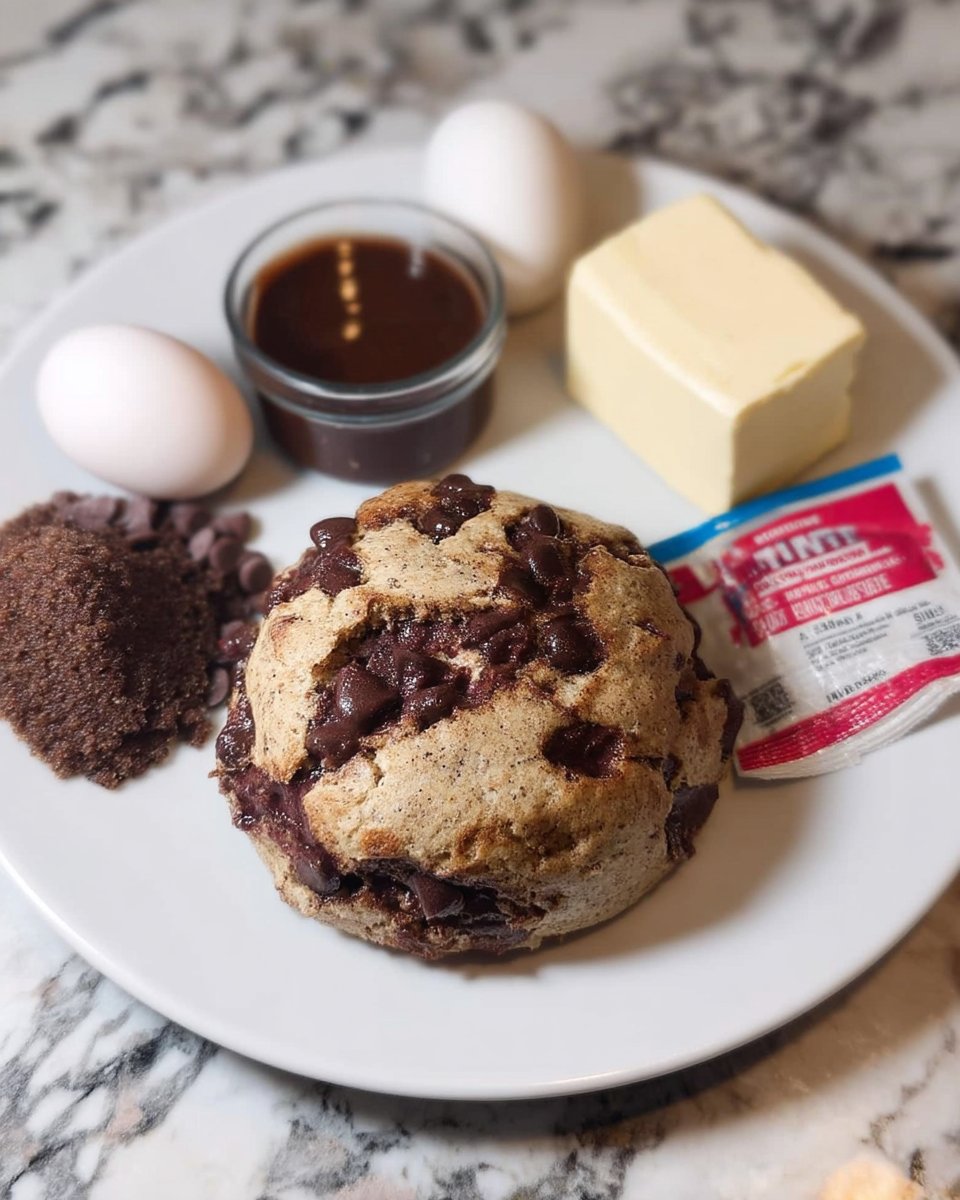
To achieve the perfect structural balance, each ingredient must be measured with clinical accuracy. We recommend using a digital scale for the almond flour to guarantee that the density of the dough remains consistent across batches.
- Super-Fine Almond Flour (225g / 2 1/4 cups): This provides the bulk and healthy fats. Using a super-fine grind is necessary to avoid a gritty texture that can occur with coarser almond meals.
- Brown Sugar Replacement (100g / 1/2 cup): We use a blend that contains erythritol or monk fruit to provide the necessary moisture and a hint of caramelization that mimics the Maillard reaction.
- Ground Cinnamon (1/2 tsp): Spices do more than add flavor; the oils in cinnamon interact with the fats in the butter to deepen the sensory profile of the crust.
- Leavening Agents (1/2 tsp Baking Soda & 1/2 tsp Salt): The baking soda reacts with the acidic components of the sweetener to provide a subtle lift, while the salt balances the sweetness and sharpens the spice notes.
- Large Egg (50g): This is your primary binder. The proteins in the egg yolk and white coagulate during the baking process to lock the almond flour in place.
- Melted Unsalted Butter (113g / 1/2 cup): Fat is the conductor of flavor and the source of the cookie’s tender mouthfeel.
- Full-Fat Cream Cheese (140g / 5 ounces): For the frosting, the high fat content is vital for structural stability at room temperature.
- Heavy Whipping Cream (30ml / 2 tbsp): This ingredient lightens the density of the cream cheese, creating a velvet-like finish on the palate.
The Scientific Process of Baking
Step 1: Thermal Preparation and Tray Logistics
Preheat your oven to 325°F (163°C). Prepare a large baking sheet with a silicone mat or parchment paper. This surface is critical because almond flour dough is prone to sticking. If you have a standard residential oven, use two sheets to avoid crowding, which can lead to uneven heat distribution and steam pockets.
Step 2: Dry Ingredient Homogenization
In a large glass bowl, whisk the almond flour, brown sweetener, cinnamon, baking soda, and salt. Use a whisk to break up any clumps of almond flour. Homogenization at this stage ensures that the leavening agent is distributed evenly, preventing localized ‘pockets’ of rise that could cause the cookie to crack.
Step 3: Integrating the Liquid Phase
Add the large egg, melted butter, and vanilla extract to the dry mixture. Stir until the dough forms a cohesive mass. You will notice the dough is more pliable than traditional flour dough; this is due to the higher fat-to-protein ratio. Do not overwork the dough, as the warmth from your hands can begin to melt the butter before the cookies reach the oven.
Step 4: Geometric Portioning
Divide the dough into 15 spherical portions, approximately 2 inches (5 cm) in diameter. Space them 3 inches apart on your prepared sheet. This spacing is necessary for the airflow required to set the edges of the cookies during the initial phase of baking.
Step 5: Initial Heat Set and Compression
Bake the spheres for exactly 3 minutes. Remove the pan from the oven. Using a flat-bottomed glass and a small square of parchment paper, press each sphere down until it is 1/2 inch (1.25 cm) thick. This ‘par-bake and press’ method allows the fats to soften just enough to allow expansion without the dough shattering at the edges.
Step 6: Final Dehydration and Solidification
Return the cookies to the oven for an additional 12 to 15 minutes. Watch for the edges to turn a light golden brown. The cookies will still feel slightly soft to the touch; this is normal. They will achieve their final structural integrity as the fats solidify during the cooling process. Allow them to cool completely on the pan.
Step 7: Emulsion Frosting Synthesis
In a separate bowl, beat the softened cream cheese and 1 tablespoon of room-temperature butter until the mixture is smooth and free of lumps. Sift in the powdered sweetener to prevent graininess. Finally, incorporate the heavy cream and vanilla, beating at high speed for 60 seconds to introduce air into the fat matrix, creating a stable foam.
Step 8: Assembly and Crumble Decoration
Set aside the largest cookie of the 15. Pipe the frosting onto the remaining 14 cookies in a spiral pattern starting from the center. Take the reserved cookie and manually break it into fine particles. Sprinkle these ‘graham’ crumbs over the frosting to provide a contrast in texture.
Lauren’s Lab Notes for Perfect Structure
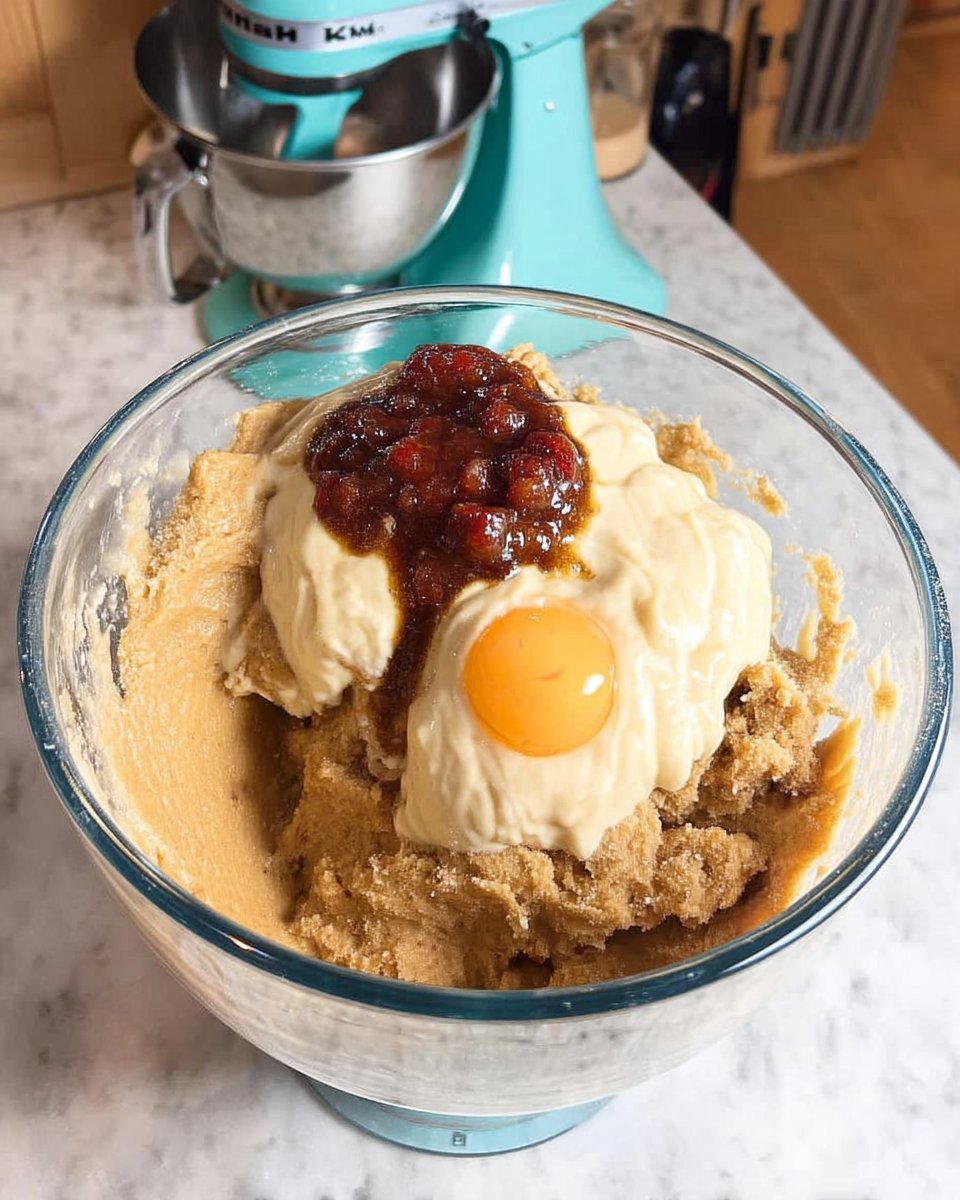
The most common failure in keto baking is impatience during the cooling phase. Because almond flour does not have gluten, the cookies are held together primarily by the fats. If you attempt to move them while warm, the structure will collapse. For the most professional results, we recommend a minimum cooling time of 60 minutes. Additionally, check the temperature of your cream cheese before making the frosting. It must be 65°F (18°C) to allow for a perfect emulsion. If it is too cold, the frosting will be lumpy; too warm, and it will run. For more insights on maintaining the integrity of delicate doughs, see our Artisan Cookie Collection where we discuss fat-to-protein ratios in depth. Make sure your baking soda is fresh, as keto sweeteners can be heavier than sugar and require maximum leavening power to create a light crumb.
Tested Structural Modifications
If you prefer a brighter flavor profile, you can add 1 teaspoon of lemon zest to the frosting. Because citrus zest contains moisture, you should reduce the heavy cream by 1/2 teaspoon to keep the frosting stable. For a seasonal twist, replacing the cinnamon with pumpkin pie spice in the base provides a deep aromatic shift without affecting the crumb. We also tested a version using macadamia nut flour; however, since macadamias have a higher fat content, you must reduce the melted butter by 2 tablespoons to prevent excessive spreading. For those interested in decorative shifts, our guide on Seasonal Cookie Design offers several ways to color the cream cheese frosting using natural powders like beet or matcha without compromising the keto chemistry.
Flavor Development and Pairing Science
Temperature significantly impacts how we perceive sweetness and fat. We recommend serving these cookies at a slightly chilled temperature, around 55°F (13°C). This allows the cream cheese frosting to remain firm while the almond base provides a crisp contrast. To further accentuate the sweetness of the sugar-free blend, serve these alongside a dark roast coffee or a strong black tea. The tannins in the tea provide a molecular counterpoint to the richness of the fats in the cookie. For more guidance on presenting your treats for gatherings, visit our Cookie Decorating Studio for layout and aesthetic tips.
The Scientific Truth of Keto Baking
Baking without traditional sugar and flour requires a fundamental understanding of how alternative fats and proteins interact under heat. This recipe proves that with clinical precision and the right cooling techniques, you can recreate a bakery classic that fits within a low-carb lifestyle. For more advanced techniques on flavor balance, view our Trending Cookie Creations section. If you found this scientific approach helpful, please share your results with our community on Facebook or Instagram. For more detailed keto dessert chemistry, you can also read the original inspiration at All Day I Dream About Food. Keep testing your ratios and never stop looking for the perfect bite.