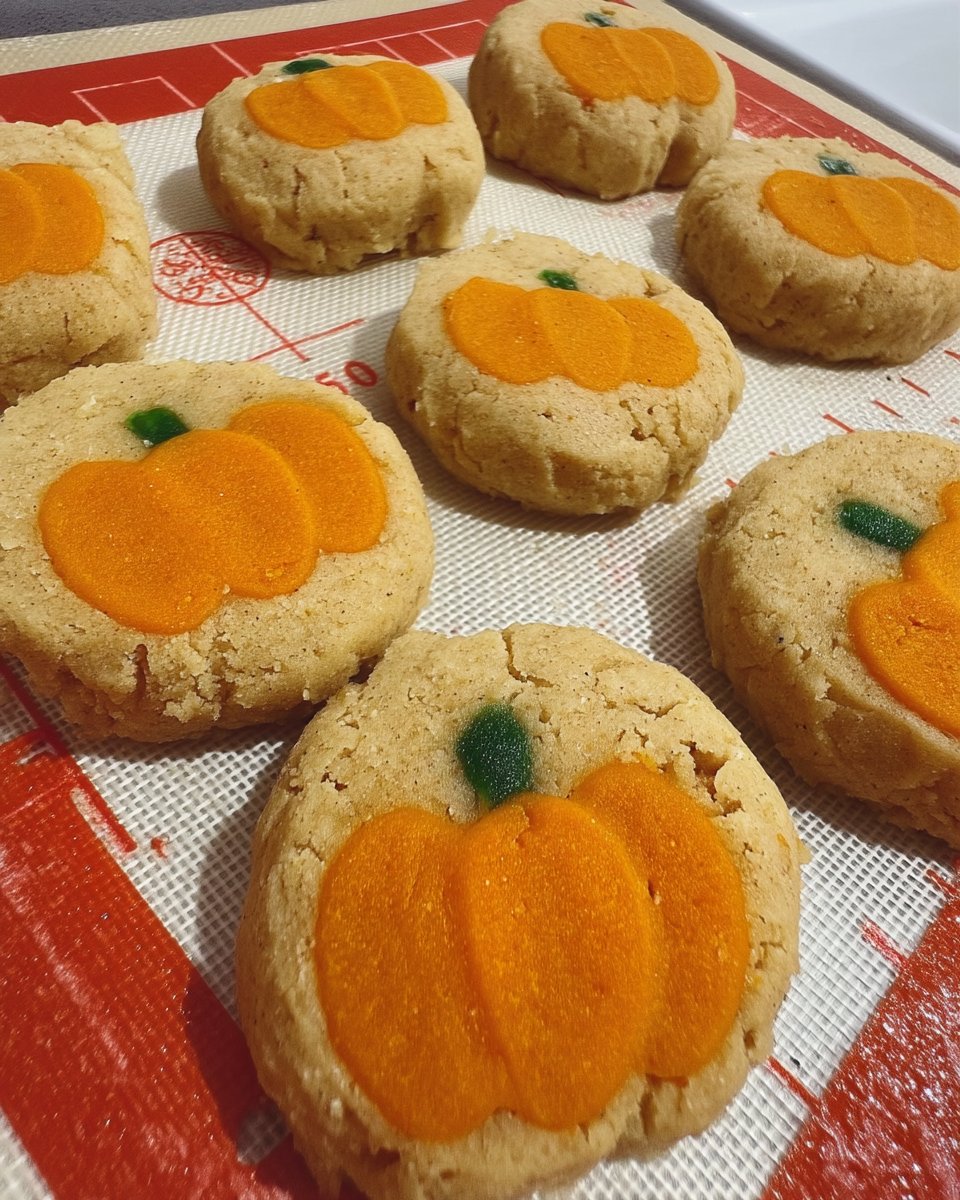
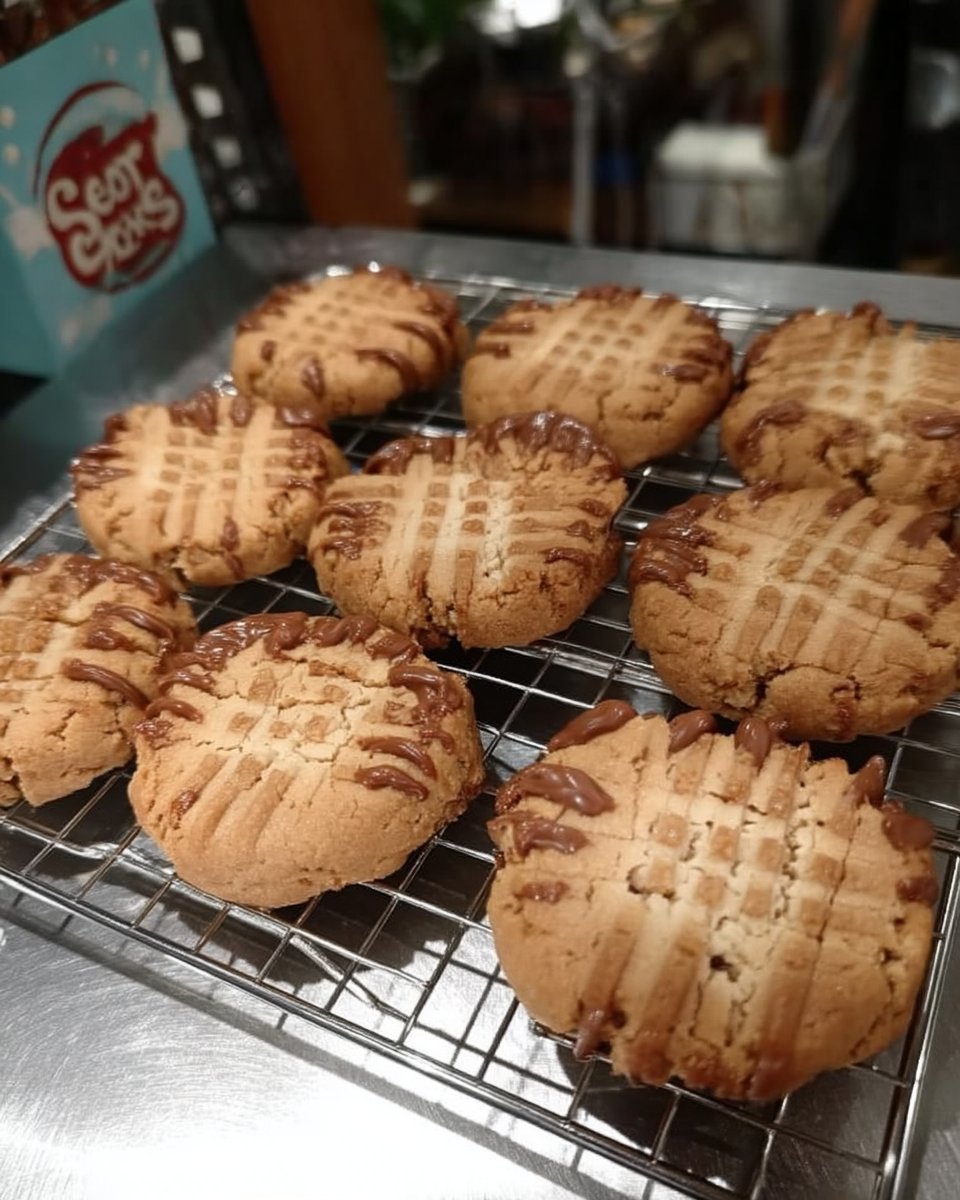
In the Cookies Sweet test kitchen, we performed a series of trials to isolate the ideal acidity levels for a soft-set crumb. We discovered that introducing lemon juice directly into the dough often results in a dense, rubbery texture due to the premature activation of leavening agents. By focusing only on the zest in the base and concentrating the juice in the glaze, we achieved a bright profile while maintaining a tender architectural framework.

These lemon glazed cookies represent a perfect balance of moisture and stability, requiring no refrigeration before baking. The formula relies on a high ratio of butter to flour, supported by the emulsifying properties of a single large egg. This specific combination produces a cookie that is soft enough to melt but sturdy enough to support a thick, tart glaze.
Precision Meets Flavor
This recipe is a triumph of flavor chemistry, focusing on the volatile oils found in citrus zest. Unlike many recipes that rely on extracts, this method uses mechanical friction—rubbing the zest into the sugar—to release the maximum aromatic potential. This process is highly effective for creating deep, nuanced flavor profiles that last even after the cookies have cooled.
The structural integrity is confirmed through rigorous testing, resulting in a cookie that resists spreading without the need for a rest period. This is achieved by maintaining the butter at a cool room temperature, which allows for air incorporation while keeping the fat solid enough to hold its shape during the initial phase of baking. If the butter is too warm, the emulsion will fail, and the carbon dioxide produced by the baking powder will escape too quickly.
Finally, the glaze provides a contrasting pH level. The sweetness of the powdered sugar buffers the sharp citric acid, creating a sensory experience that hits both the front and back of the palate. This is a reliable, scientific approach to the classic lemon cookie, designed to work every time you follow the weights provided in the lab notes below.
Print
Lemon Glazed Cookies
- Total Time: 1 hour 4 mins
- Yield: 24 cookies
- Diet: Vegetarian
Description
These scientifically-engineered citrus treats feature a tender, melt-in-your-mouth crumb paired with a vibrant, tart glaze. By isolating the aromatic oils of the lemon zest from the acidic juice, this recipe achieves a superior structural balance and a bright, layered flavor profile.
Ingredients
- 286 grams (2 1/4 cups) all-purpose flour
- 227 grams (1 cup) unsalted butter, cool room temperature
- 150 grams (3/4 cup) granulated sugar
- 2 tablespoons fresh lemon zest
- 1/2 teaspoon baking powder
- 1/2 teaspoon sea salt
- 1 large egg
- 189 grams (1 1/2 cups) powdered sugar, sifted
- 2 to 3 tablespoons fresh lemon juice
Instructions
- Preheat your oven to 350°F (177°C) and line two heavy-duty baking sheets with parchment paper.
- In a medium glass bowl, whisk together the flour, baking powder, and sea salt until evenly distributed.
- Using a stand mixer with a paddle attachment, beat the cool room temperature butter, granulated sugar, and lemon zest for 3 to 4 minutes until the mixture is pale and fluffy.
- Add the egg and beat for another minute until the emulsion is stable and uniform, scraping the sides of the bowl as necessary.
- Reduce the mixer speed to low and add the dry ingredients, mixing just until combined to avoid over-developing the gluten.
- Using a 1.5-tablespoon scoop, form the dough into uniform balls and place them on the prepared sheets, flattening each slightly to 1/3-inch thickness.
- Bake for 12-14 minutes until the edges are just set; the cookies should remain pale for a soft texture.
- Allow the cookies to cool completely on a wire rack before glazing.
- In a small bowl, whisk the sifted powdered sugar with lemon juice one tablespoon at a time until a thick, pourable consistency is reached, then spread over the cooled cookies and let sit for 30 minutes to set.
Notes
For the most precise results, use a digital scale to measure your ingredients in grams, particularly the flour and butter. Ensure your butter remains between 65°F and 67°F during the creaming stage to prevent the cookies from spreading excessively, and always apply the glaze only once the cookies have fully reached room temperature to ensure a crisp, crystallized finish.
- Prep Time: 20 mins
- Cook Time: 14 mins
- Category: Dessert
- Method: Baking
- Cuisine: American
The Formula for Success
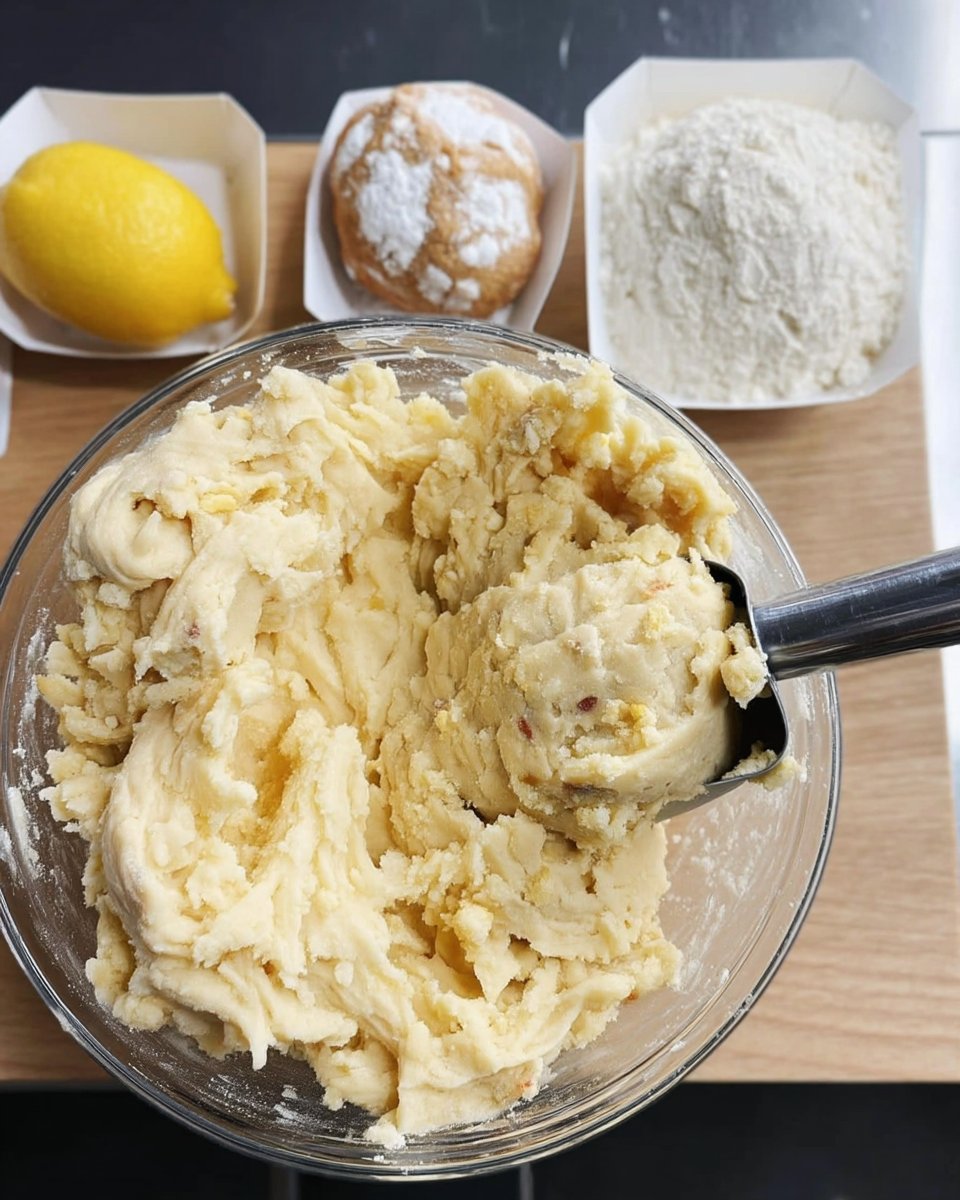
Every component in this recipe serves a specific structural purpose, balanced to handle the moisture of the glaze without becoming soggy. We have tested these ratios to confirm they provide the best mouthfeel and stability.
- All-Purpose Flour (286 grams): Provides the necessary gluten framework. We measured this to exactly 2 1/4 cups to provide a specific protein-to-starch ratio that prevents the cookie from collapsing under the weight of the icing.
- Unsalted Butter (227 grams): This represents a specific ratio against the flour that creates a rich, short-bread-adjacent texture. The fat coats the flour proteins, inhibiting long gluten strands and resulting in a tender, short crumb.
- Granulated Sugar (150 grams): Beyond sweetness, sugar is hygroscopic. It holds onto moisture, which helps the cookie remain soft for days after baking. During creaming, the sharp edges of the sugar crystals create the air pockets needed for lift.
- Lemon Zest (2 tablespoons): The oils in the zest provide the primary flavor. By using zest instead of juice in the dough, we avoid the curdling effect that acid has on dairy and eggs.
- Baking Powder (1/2 teaspoon): This chemical leavener reacts with the heat of the oven to expand the air pockets created during creaming. Exactly 1/2 teaspoon provides the perfect amount of lift without creating a metallic aftertaste.
- Powdered Sugar (189 grams): Sifted for the glaze to prevent clumps and verify a smooth finish. The fine particle size is essential for creating a stable suspension with the lemon juice.
The Scientific Process
Step 1: Thermal Preparation
Preheat your oven to 350°F (177°C). Prepare two heavy-duty baking sheets with parchment paper. This provides an even heat distribution and prevents the bottoms of the cookies from browning too quickly before the center is set. Avoid using silicone mats for this specific recipe, as they can sometimes promote excess spreading in high-butter doughs.
Step 2: Dry Ingredient Integration
In a medium glass bowl, whisk the flour, baking powder, and sea salt. Aerating the dry ingredients prevents clumps of leavener, which would cause uneven rising and structural weak points in the cookie. For maximum precision, we recommend using a scale to verify the flour weight is exactly 286 grams.
Step 3: Emulsification and Aeration
Using a stand mixer with a paddle attachment, beat the cool room temperature butter, sugar, and zest for 3 to 4 minutes. You are looking for a pale, fluffy texture. This step is critical; the sugar crystals are physically cutting air pockets into the butter. Add the egg and beat for another minute until the emulsion is stable and the mixture looks uniform. Scrape the sides of the bowl to make sure no unmixed fat remains.
Step 4: Final Dough Construction
Reduce the mixer speed to low and add the dry ingredients. Mix until just combined. Over-mixing at this stage will develop too much gluten, resulting in a tough cookie rather than a tender one. The dough should feel slightly dry but hold together when pressed firmly. This texture is normal for a no-chill lemon cookie dough.
Step 5: Uniformity and Baking
Use a 1.5-tablespoon scoop to form uniform balls. Precision in size guarantees that every cookie in the batch reaches the desired internal temperature at the same time. Flatten each ball slightly to a 1/3-inch thickness to promote even heat penetration. Bake for 12-14 minutes or until the edges are just set. Do not overbake; the cookies should remain pale to maintain their soft texture.
Step 6: The Glazing Phase
Whisk the sifted powdered sugar with lemon juice in a clean bowl. Add the juice one tablespoon at a time. You want a viscosity that is thick enough to sit on top of the cookie without running off the edges. Apply to completely cooled cookies to prevent the glaze from melting into the crumb. Let the cookies sit for 30 minutes to allow the glaze to crystallize into a firm shell.
Lauren’s Lab Notes
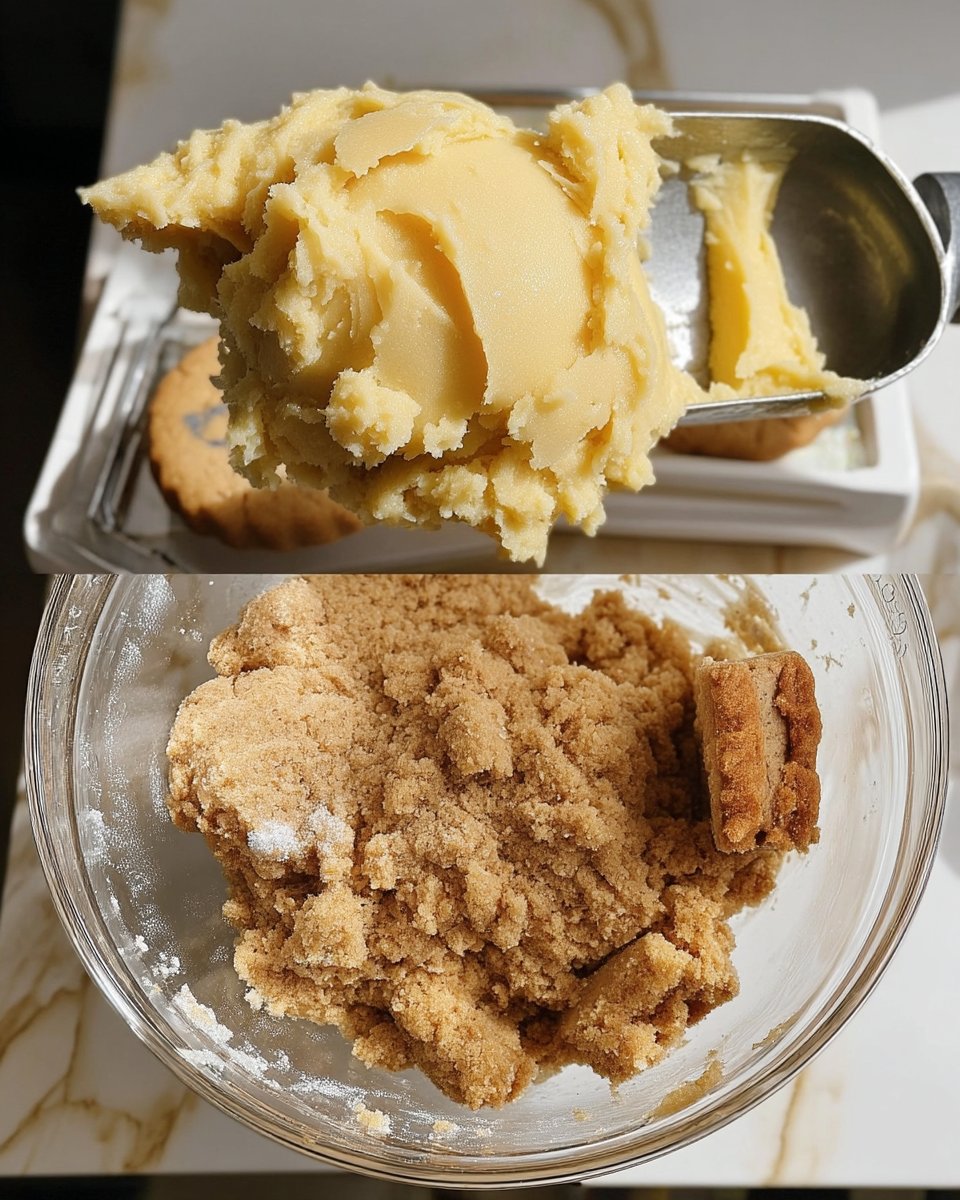
Temperature control is the most frequent point of failure in this recipe. Verify that your butter is between 65°F and 67°F. If it is too warm, the air pockets will collapse during the creaming stage, and the cookies will spread into thin puddles. If your kitchen is particularly warm, you may need to chill your bowl before starting to maintain this range. For more advanced techniques on maintaining cookie shape and structure, visit our Artisan Cookie Collection.
When measuring the lemon juice for the glaze, start with the minimum amount. The moisture content of lemons varies; a Meyer lemon will have more liquid and a different pH than a standard Eureka lemon. If the glaze is too thin, it will soak into the cookie and make it soggy. For a deeper look at lemon flavor profiles and how they interact with sugar, check out this guide on lemon cookies. We also recommend checking the internal temperature of a sample cookie with a digital thermometer; it should reach 175°F (79°C) for a perfectly set center.
Tested Structural Options
If you wish to modify the citrus profile, you can replace the lemon zest and juice with lime or orange in a 1:1 ratio. Note that orange juice has a higher natural sugar content and lower acidity, so the glaze may take longer to crystallize and set. When using lime, the higher acidity may require an extra tablespoon of powdered sugar in the glaze to maintain balance. You can find more creative formatting and flavor ideas in our Seasonal Cookie Design section.
For those who prefer a different format, these can be prepared as bars. Press the dough into an 8×8-inch pan and increase the bake time to 23-25 minutes. This change in surface-area-to-volume ratio requires a slightly longer time for the center to reach the necessary gelatinization temperature. We tested this in a light-colored metal pan; if using glass, reduce the oven temperature to 325°F to prevent the edges from burning before the center is set.
Flavor Science and Pairings
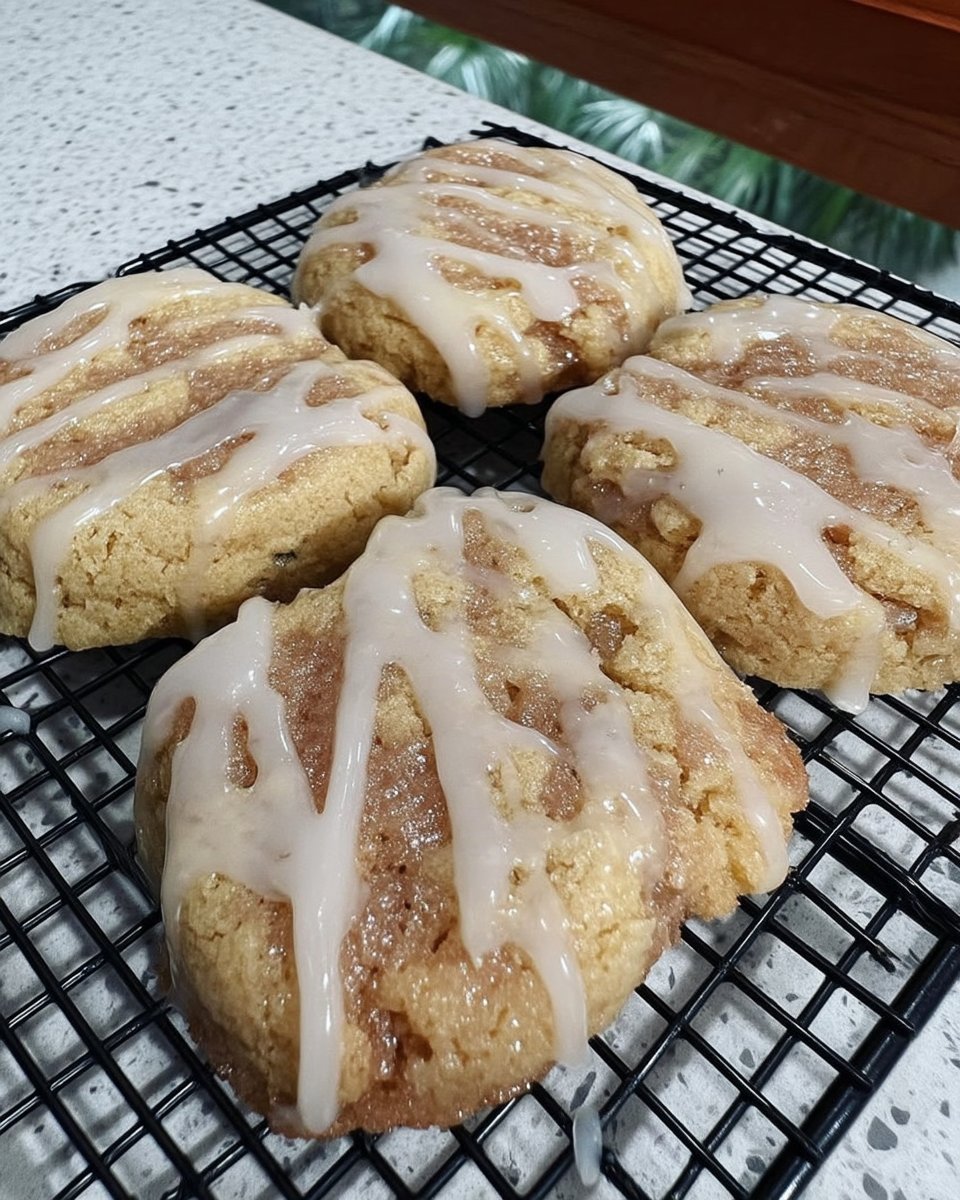
Citrus flavors are most vibrant and detectable at room temperature. Cold temperatures can mute the volatile organic compounds responsible for the lemon’s aroma. We recommend letting the cookies sit for at least 30 minutes after glazing to allow the sugar to form a protective crust. This crust acts as a barrier, preventing the cookie from drying out while concentrating the lemon flavor on the surface. For more on how to present your bakes professionally, explore the Cookie Decorating Studio.
Pair these cookies with a light Earl Grey tea. The bergamot in the tea shares similar terpene profiles with the lemon zest, creating a scientific harmony on the palate that enhances the citrus notes. The salt content in these cookies is specifically calibrated to suppress the perception of bitterness from the zest while highlighting the perceived sweetness of the glaze.
The Scientific Truth
The success of these lemon glazed cookies lies in the precision of the creaming process and the separation of citrus components. By treating the zest and juice as distinct chemical additions, we preserve the structural integrity of the cookie while delivering a high-impact flavor profile. Keep testing your ratios and observing how different citrus varieties affect the set of your glaze. For more effortless recipes that prioritize structure, visit our Effortless Cookie Elegance guide.
Share your results with our community of precision bakers on Facebook, Instagram, and Pinterest. We look forward to seeing your scientific triumphs in the kitchen.