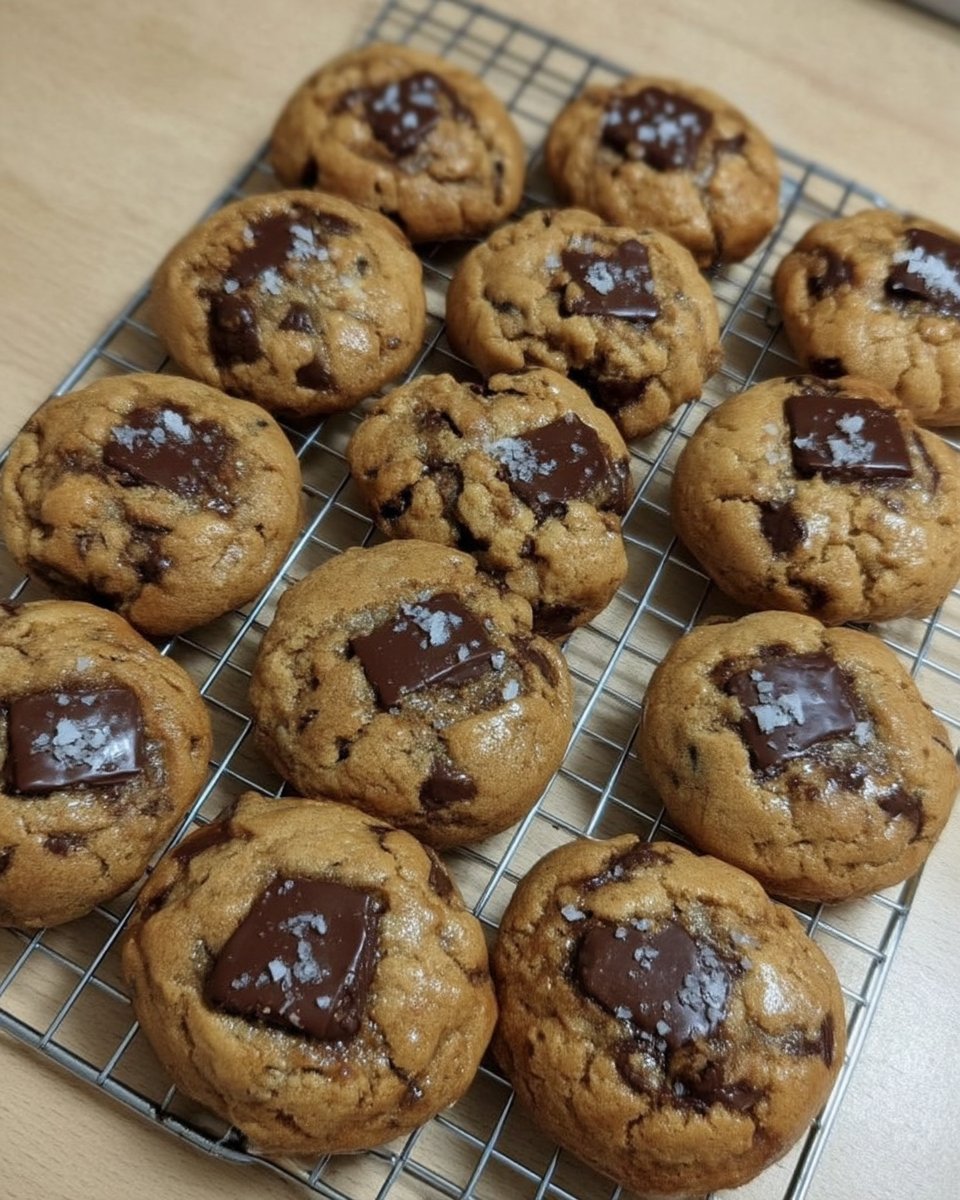
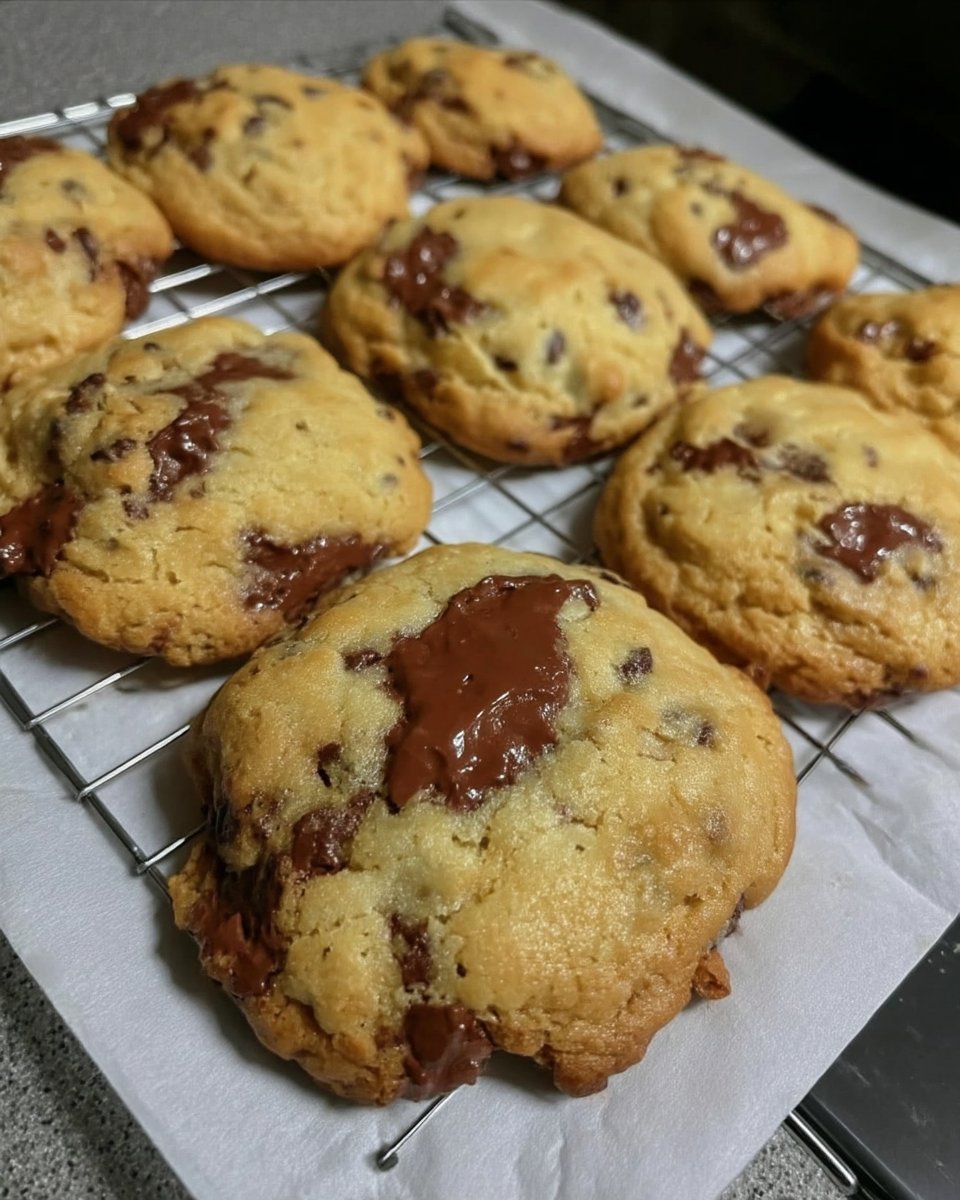
In our test kitchen, we found that simply adding orange juice to a standard snickerdoodle dough often disrupted the pH balance needed for that classic surface crackle. By increasing the flour hydration slightly and relying on the zest for the majority of the citrus profile, we restored the structural integrity. The result is a cookie that maintains its signature chew while delivering a bright, aromatic punch without spreading into a puddle.

These Orange Snickerdoodles marry the warm, cozy spices of the traditional recipe with the zest of fresh citrus. The addition of cardamom to the rolling sugar adds a complex, floral note that pairs perfectly with the orange oil, creating a sophisticated twist on a childhood favorite.
The Science of Citrus and Spice
The magic of a snickerdoodle lies in the reaction between acidic cream of tartar and baking soda, creating that signature tang and chew. In this formula, the citric acid from the orange complements the cream of tartar, amplifying the brightness without making the dough too acidic to brown. The cardamom-cinnamon coating provides a warm aromatic contrast to the sharp citrus oils, creating a flavor profile that hits multiple receptors at once.
Print
Orange Snickerdoodles
- Total Time: 60 mins
- Yield: 24 cookies
Description
Brighten up a classic cookie with these vibrant Orange Snickerdoodles, featuring fresh citrus zest and a floral hint of cardamom. These chewy treats perfectly balance tangy cream of tartar with aromatic oils for a sophisticated twist on a nostalgic favorite.
Ingredients
- 333g All-purpose flour
- 1 teaspoon Baking soda
- 2 teaspoons Cream of tartar
- 1/2 teaspoon Salt
- 1 cup Unsalted butter, room temperature
- 1 1/4 cups Granulated sugar
- 2 Large eggs
- 1 teaspoon Vanilla extract
- 2 tablespoons Fresh orange juice
- 1 tablespoon Orange zest
- 1/4 cup Granulated sugar (for coating)
- 1 teaspoon Ground cinnamon
- 1/2 teaspoon Ground cardamom
Instructions
- Whisk together the flour, baking soda, cream of tartar, and salt in a medium bowl to ensure even distribution of leavening agents.
- In a large bowl or stand mixer, cream the room temperature butter for 1-2 minutes until smooth, then add 1 1/4 cups sugar and beat for 2-3 minutes until pale and fluffy.
- Beat in the eggs one at a time, followed by the vanilla extract, orange juice, and orange zest, scraping down the bowl as needed.
- Reduce mixer speed to low and gradually add the dry ingredients, mixing only until no white streaks remain.
- Cover the dough and chill in the refrigerator for exactly 30 minutes to hydrate the flour and stabilize the fats.
- Preheat oven to 350°F (175°C) and whisk together the coating sugar, cinnamon, and cardamom in a small bowl.
- Scoop the dough into balls, roll thoroughly in the spiced sugar mixture, and bake for 8-10 minutes until edges are set but centers remain soft.
Notes
For the best results, use a digital scale to measure your flour, as the exact hydration levels are crucial for the signature snickerdoodle crackle. If you find your kitchen is particularly warm, keep the dough in the refrigerator between batches to prevent the butter from softening too much before the cookies hit the oven.
- Prep Time: 20 mins
- Cook Time: 10 mins
- Category: Dessert
- Method: Baking
- Cuisine: American
The Formula for Success
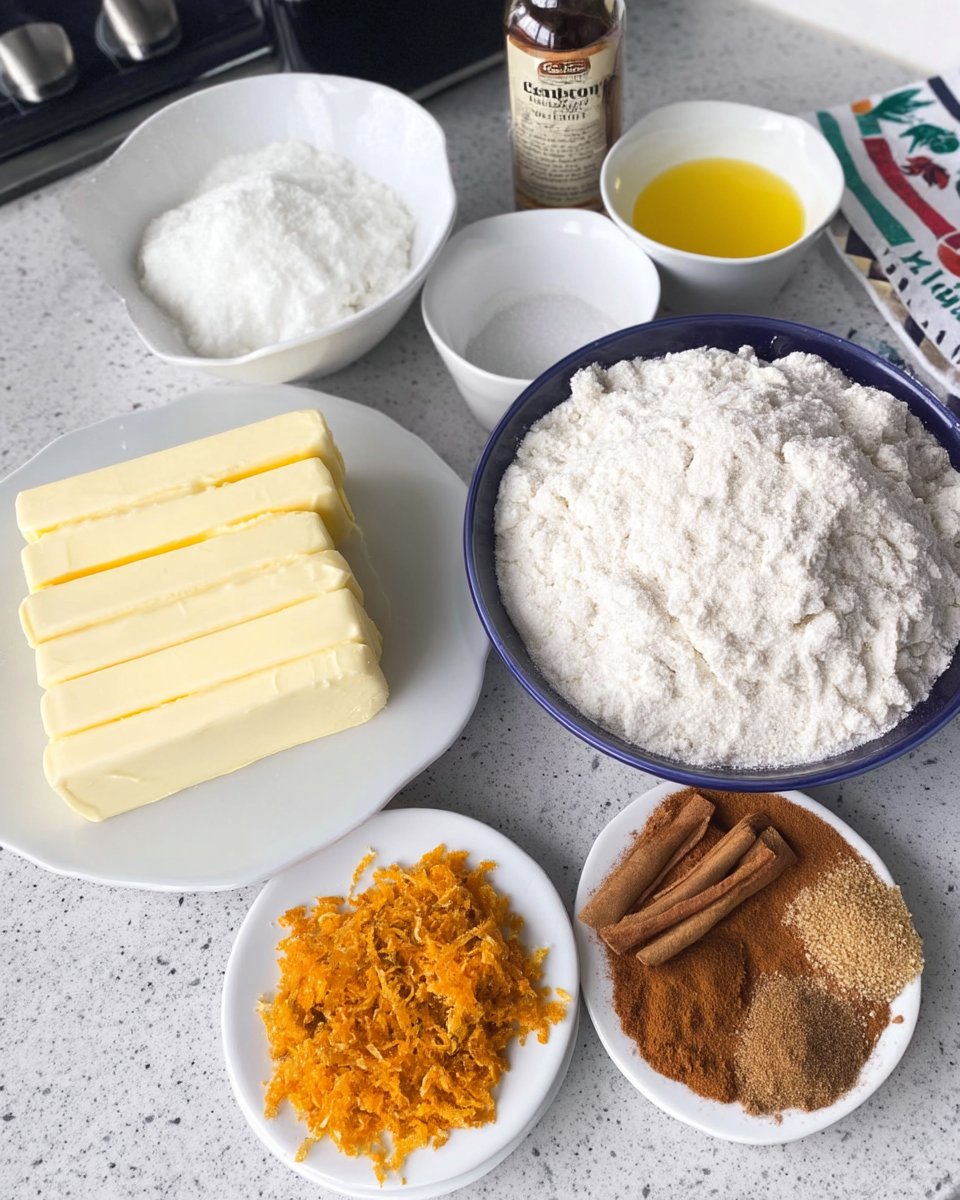
Precision is key here. The ratio of fat to acid determines the spread, so measure carefully.
- Unsalted Butter: We use room temperature butter to create an emulsion with the sugar. Salted butter varies too much by brand, so we control the sodium separately.
- Sugar: White granulated sugar is essential for the crisp edges and the coating. Brown sugar would add too much moisture and molasses flavor, masking the orange.
- Orange Zest and Juice: The zest provides essential oils for flavor, while the juice contributes acidity. We limit the juice to 2 tablespoons to prevent excessive spreading.
- Cream of Tartar & Baking Soda: The powerhouse duo for leavening. This combination produces carbon dioxide gas bubbles for lift and creates the distinct tangy flavor.
- Cardamom & Cinnamon: Cardamom shares a chemical compound (terpenes) with citrus, making it a scientifically superior pairing compared to cinnamon alone.
Methodical Mixing for Perfect Crumb
Step 1: Prepare the Dry Phase
Weigh your flour (333g), baking soda, cream of tartar, and salt into a bowl. Whisk thoroughly to ensure the leavening agents are evenly distributed. In separate small bowls, zest your orange and squeeze the juice. Having these ready prevents the butter from warming up too much later.
Step 2: Aerate the Fats
Cream the butter on medium speed for 1-2 minutes until smooth. Add the 1 ¼ cups of sugar and beat for another 2-3 minutes. You are looking for a pale yellow color and a fluffy texture, indicating air has been trapped in the fat network.
Step 3: Create the Emulsion
Add the eggs one at a time, beating well after each addition. If you add them all at once, the emulsion may break. Scrape down the bowl, then mix in the vanilla, orange juice, and zest. The mixture might look slightly curdled due to the acidity of the juice; this is normal.
Step 4: Hydrate and Chill
Reduce mixer speed to low and gradually add the flour mixture. Mix only until no white streaks remain to avoid developing gluten, which leads to tough cookies. Cover the dough and chill for exactly 30 minutes. This step solidifies the butter and hydrates the flour, ensuring the cookies don’t spread into flat puddles.
Step 5: Coat and Bake
Preheat oven to 350°F (175°C). Mix the coating sugar, cinnamon, and cardamom in a small bowl. Scoop the chilled dough into balls, rolling them in your hands to warm the exterior slightly, then coat generously in the sugar spice mix. Bake for 8-10 minutes. The centers should look soft; they will set as they cool on the pan.
Lauren’s Lab Notes
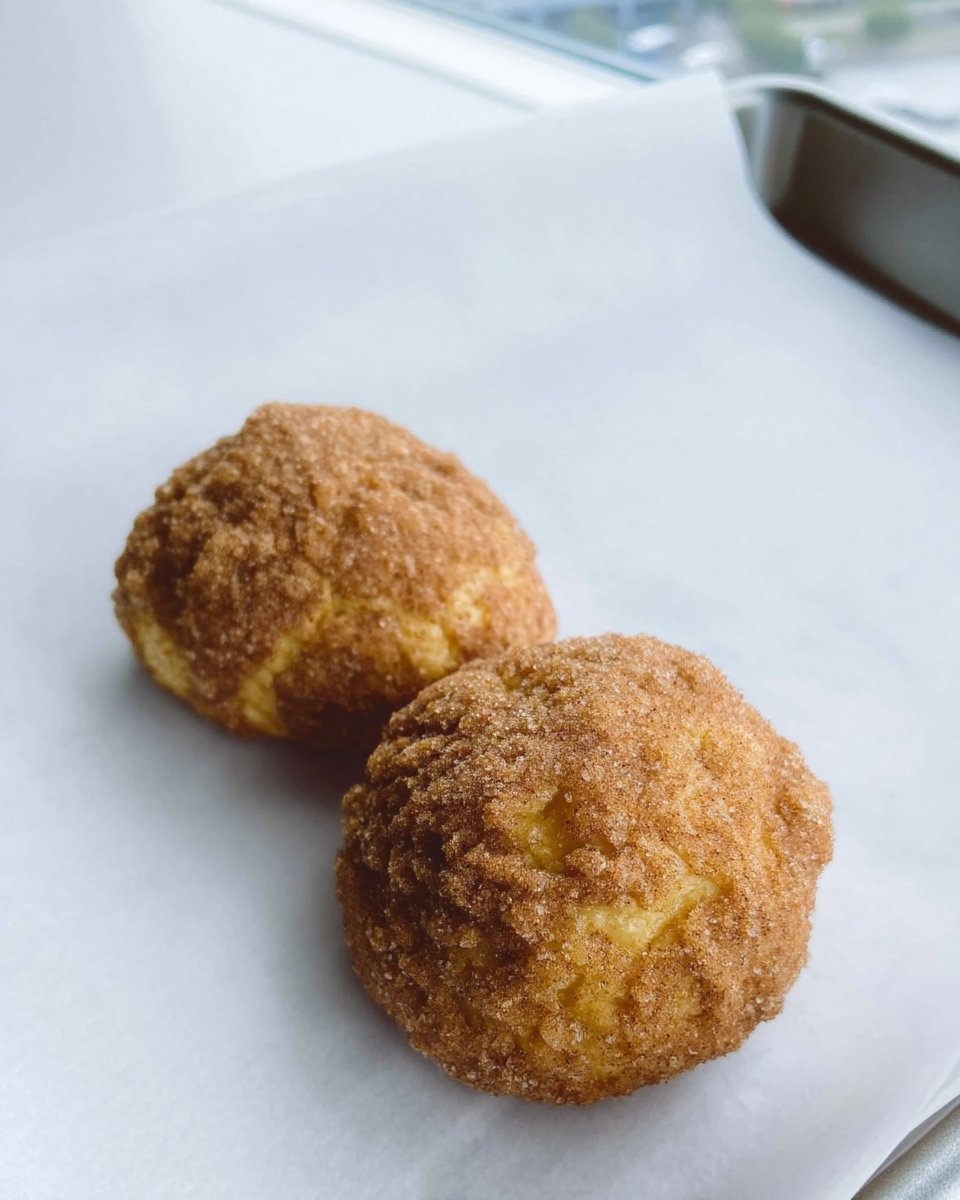
- Rub the Zest: For maximum flavor extraction, rub the orange zest into the sugar with your fingers before creaming with the butter. The friction releases the essential oils into the sugar crystals, distributing flavor more effectively than mixing alone.
- Watch the Spread: If your test cookie spreads too thin, your kitchen might be too warm. Pop the dough back in the fridge for 10 minutes. Temperature control is vital for structure.
- Don’t Overbake: Pull these out when the edges are set but the centers look underdone. The residual heat on the pan finishes the chemical setting process. For more techniques on achieving the perfect texture, explore our [Artisan Cookie Collection].
- Cardamom Freshness: Ground cardamom loses potency quickly. Use a freshly opened jar for the best floral notes.
Tested Flavor Tweaks
Experimentation is encouraged, but keep the chemistry in mind.
- Lemon-Lime Twist: Substitute the orange zest/juice for lemon or lime. Note that lemon juice is more acidic (lower pH), so the reaction with baking soda may be more vigorous—you might get a slightly puffier cookie.
- Ginger Kick: Add 1/2 teaspoon of ground ginger to the coating mixture. Ginger contains gingerol, which adds heat that cuts through the sweetness.
- Dairy-Free: We have tested this with high-quality plant butter sticks. Ensure they have a low water content similar to dairy butter. See our [Seasonal Cookie Design] category for more dairy-free holiday options.
Pairing and Plating
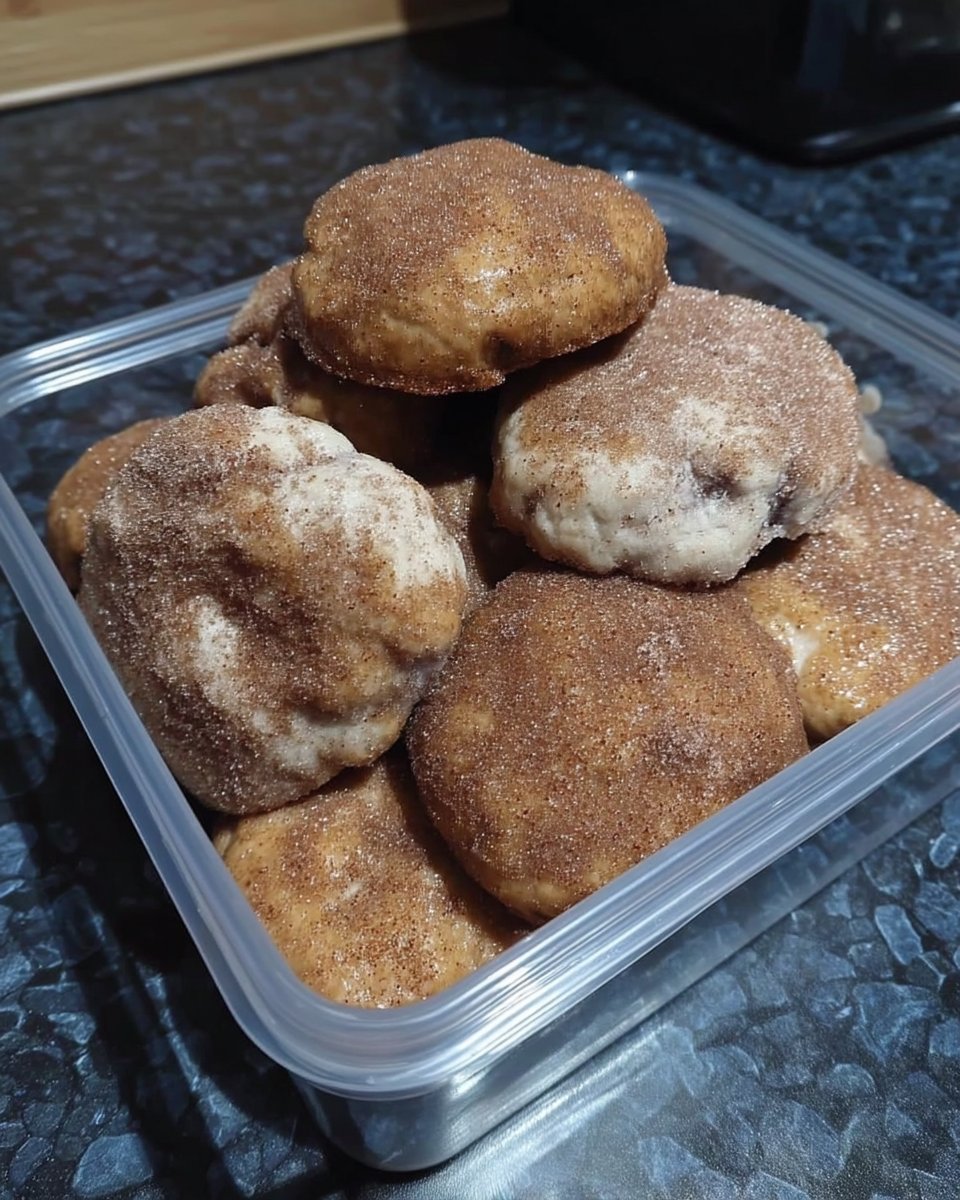
These cookies shine when the temperature contrasts or complements the beverage.
- Temperature: Serve slightly warm to maximize the volatility of the orange oils, making them more aromatic.
- Beverage Pairing: The tannins in black tea cleanse the palate of the sugar, while the citrus notes echo the cookie’s flavor. A dark roast coffee also balances the sweetness effectively.
- Storage: Store in an airtight container with a slice of bread to maintain humidity and softness. Learn more about plating presentation in our [Trending Cookie Creations] guide.
Precision Baking Results
By respecting the balance of acid and fat, you achieve an Orange Snickerdoodle that is soft, chewy, and bursting with flavor. Baking is a science, and understanding the role of each ingredient gives you the power to produce consistent results every time. If you enjoyed this recipe, check out our guide to [Effortless Cookie Elegance]. For another take on this flavor profile, you might enjoy this orange cardamom snickerdoodle cookies recipe from a fellow baker.