In the test kitchen, we often find that standard spice cake mixes lack the structural density required to hold up to a rich cream cheese frosting. We tested this formula by introducing additional flour and sour cream to the base, essentially reconstructing the crumb to mimic a scratch-made batter. The result is a scientifically balanced cake that retains moisture while supporting the weight of spiced toppings.

This cake mix gingerbread recipe uses precision dosing of molasses and fresh spices to amplify the muted flavors usually found in boxed mixes. By controlling the hydration with sour cream instead of just water, we create a tender, tight crumb that stays soft for days. It is a foolproof method for achieving complex holiday flavor without the margin for error of a fully scratch recipe.
The Chemistry of Texture
This recipe works because it fundamentally alters the ratio of fat to flour found in commercial mixes. Standard mixes are often too airy, leading to a cake that crumbles under stress. By adding all-purpose flour and granulated sugar, we increase the dry solids, while the sour cream provides acidity and fat that tenderizes the gluten strands. The addition of molasses not only provides that signature gingerbread bite but also introduces a slight acidity that reacts with the leavening agents, creating a rigorous lift and a dense, velvety mouthfeel.
Print
Cake Mix Gingerbread
- Total Time: 55 mins
- Yield: 12 servings
- Diet: Vegetarian
Description
This scientifically-engineered recipe transforms a standard box of spice cake mix into a dense, bakery-quality gingerbread. By balancing molasses and sour cream with extra flour, you achieve a moist, velvety crumb that stands up perfectly to a rich spiced cream cheese frosting.
Ingredients
- 1 box (15.25 oz) spice cake mix, sifted
- 1 cup all-purpose flour
- 1 cup granulated sugar
- 1 teaspoon ground cinnamon
- 1 teaspoon ground ginger
- 1/2 teaspoon ground nutmeg
- 1 cup full-fat sour cream
- 1/2 cup water
- 1/2 cup unsulphured molasses
- 3 large eggs
- 1/2 cup unsalted butter, softened
- 8 oz cream cheese, softened
- 3 cups powdered sugar
- 1 teaspoon vanilla extract
- 1 teaspoon pumpkin pie spice
Instructions
- Preheat your oven to 325°F (163°C). Grease and flour two 8-inch cake pans and line the bottoms with parchment paper.
- In a stand mixer, combine the sifted spice cake mix, flour, sugar, cinnamon, ginger, and nutmeg; whisk for 30 seconds to homogenize.
- Add the sour cream, water, molasses, and eggs. Mix on medium speed for 1 minute, scrape the bowl, and mix for 1 additional minute until the batter is thick and glossy.
- Divide the batter into the prepared pans and bake for 35 minutes or until a toothpick comes out clean. Cool completely before frosting.
- To make the frosting, beat the softened butter until smooth, then gradually add powdered sugar, vanilla, and pumpkin pie spice for 2–3 minutes until fluffy.
- Add the softened cream cheese chunks to the frosting and beat on low-medium for exactly 1 minute until just blended.
Notes
To ensure the most stable frosting, avoid overbeating once the cream cheese is added, as the fat structure can break and become runny. For a deeper flavor profile, prepare the cake layers a day in advance; the spices will further permeate the crumb as it rests. Always bring your refrigerated cake to room temperature for at least 30 minutes before serving to ensure the most tender mouthfeel.
- Prep Time: 20 mins
- Cook Time: 35 mins
- Category: Dessert
- Method: Baking
- Cuisine: American
The Formula
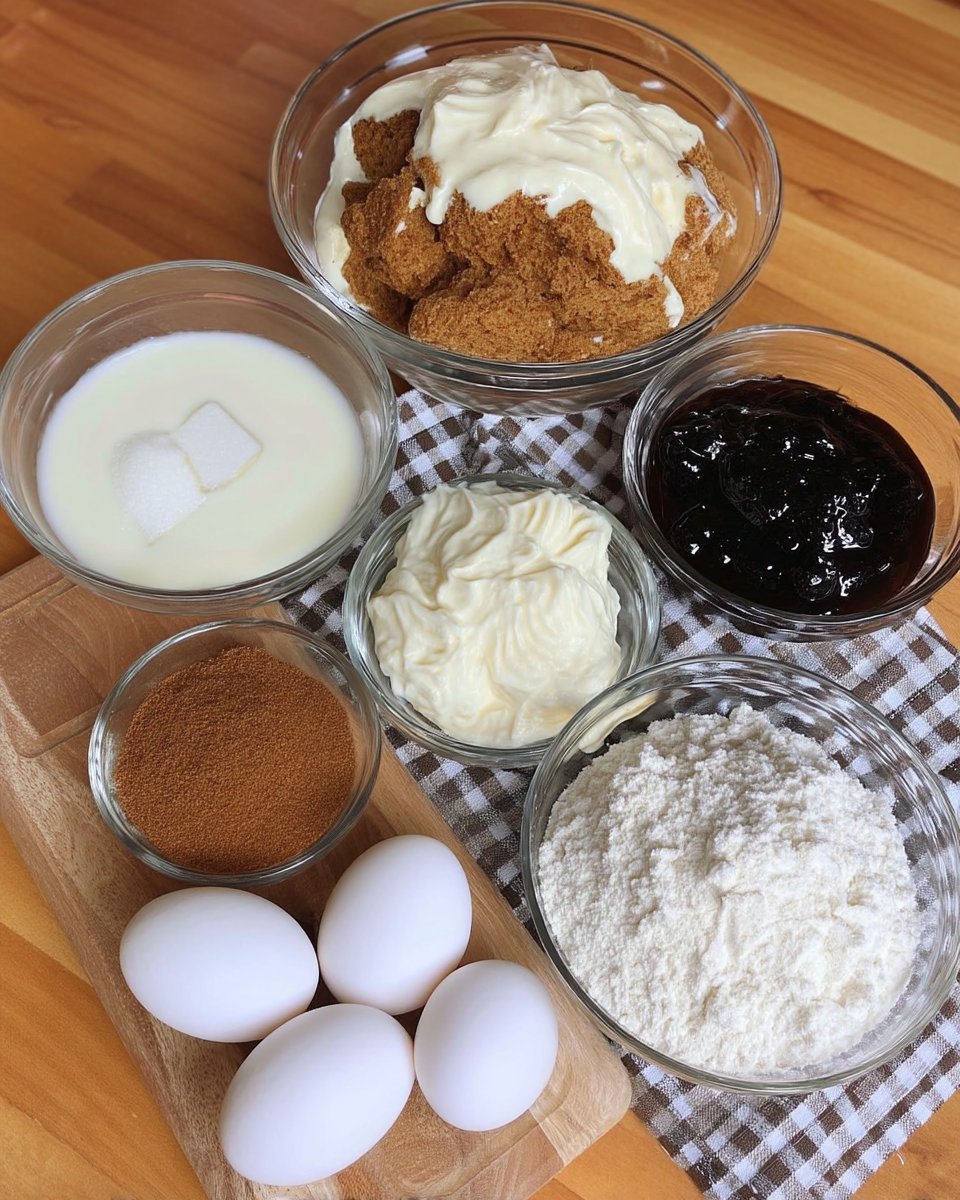
To achieve the perfect structure, precision in your measurements is vital. Here is the science behind the key components:
- Spice Cake Mix: Acts as the base containing emulsifiers and leavening. We recommend sifting it to ensure an even distribution of the chemical leaveners.
- All-Purpose Flour: We add exactly 1 cup (121g) to extend the batter and provide the structural integrity needed for a firmer crumb.
- Sour Cream: The 1 cup (242g) of full-fat sour cream adds necessary acidity and fat, ensuring the cake remains moist without becoming greasy.
- Molasses: Using 1/2 cup (161g) adds hydroscopic properties, drawing moisture from the air to keep the cake soft, alongside its robust iron-rich flavor profile.
- Spices (Ginger, Cinnamon, Nutmeg): Commercial mixes are often under-spiced. We bloom these dry spices in the batter to release their essential oils.
- Cream Cheese & Butter: For the frosting, temperature is critical. Both must be softened at room temperature—never microwaved—to maintain a stable emulsion.
The Method
Step 1: Prep the Thermal Environment
Preheat your oven to 325°F (163°C). This lower temperature allows the dense batter to rise evenly without doming excessively. Grease and flour two 8-inch cake pans. For precise layers, we recommend lining the bottoms with parchment paper.
Step 2: Combine Dry Solids
In the bowl of your stand mixer, combine the sifted spice cake mix, 1 cup of all-purpose flour, 1 cup of granulated sugar, and spices (cinnamon, ginger, nutmeg). Whisk for 30 seconds to thoroughly homogenize the dry ingredients. This ensures no pockets of flour remain.
Step 3: Emulsify the Batter
Add the wet ingredients: 1 cup sour cream, 1/2 cup water, 1/2 cup molasses, and 3 large eggs. Mix on medium speed for exactly 1 minute. Stop to scrape the sides and bottom of the bowl to ensure full hydration, then mix for 1 minute more. The batter should look thick and glossy, yielding approximately 7 cups.
Step 4: Bake to Structure
Pour the batter evenly into the prepared pans. Bake at 325°F for 35 minutes. Visual cue: The cake will pull slightly away from the pan sides. A toothpick inserted in the center should come out clean or with just a few moist crumbs attached. Cool completely before frosting.
Step 5: Spiced Cream Cheese Frosting
Beat the softened butter until smooth. Gradually add powdered sugar, vanilla, and pumpkin pie spice, beating on medium for 2–3 minutes until the crystalline structure is aerated and fluffy. Add the softened cream cheese chunks last, beating on low/medium for just 1 minute until blended. *Note: Overbeating after adding cream cheese can break the emulsion, causing a runny texture.*
Lauren’s Lab Notes
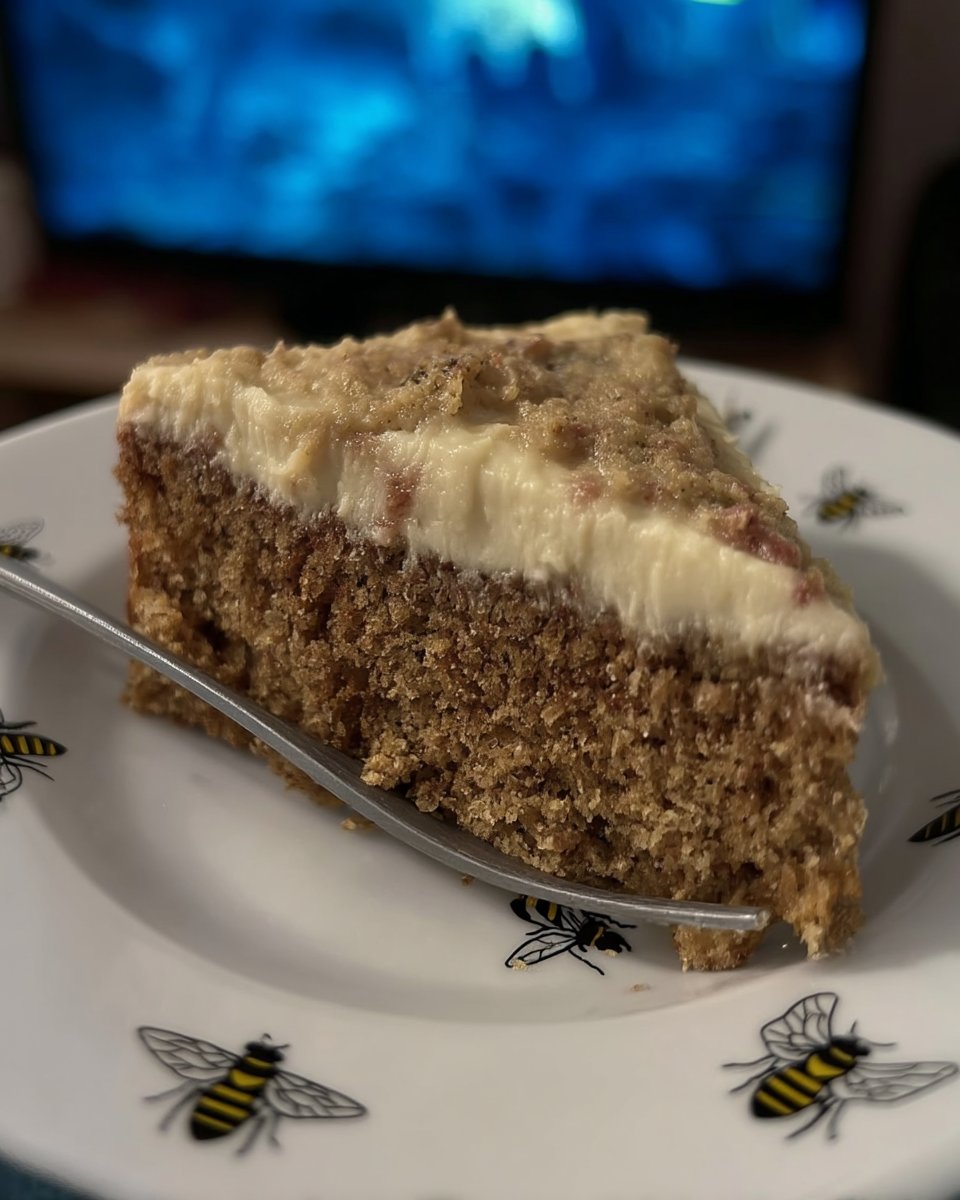
- Temperature Matters: For the frosting, your butter and cream cheese must be at true room temperature (around 68°F-70°F). If you microwave them, you alter the fat structure, leading to a soupy frosting that won’t hold its shape.
- Molasses Type: Stick to unsulphured molasses (like Grandma’s). Blackstrap molasses is too acidic and bitter, which can alter the pH balance and taste of the final cake.
- Avoid Over-Mixing: Once the flour is hydrated, gluten begins to develop. Follow the 2-minute mix time strictly to keep the crumb tender rather than tough.
- Batch Variance: If you are exploring other holiday flavors, check our trending cookie creations for similar spice profiles that can be adapted for dessert tables.
Tested Variations
- Gingerbread Cupcakes: This batter is stable enough for cupcakes. Fill liners 2/3 full and reduce baking time to 18–22 minutes. Test for an internal temperature of 205°F.
- Bundt Cake Option: This dense batter works well in a Bundt pan. Grease the pan thoroughly and increase bake time to 45–55 minutes, checking frequently for doneness.
- Intensified Spice: For a sharper bite, add 1 tablespoon of freshly grated ginger to the wet ingredients. The enzymes in fresh ginger can soften gluten slightly, so ensure you bake immediately.
- Topper Ideas: As noted in the recipe, you can attach store-bought gingerbread men to lollipop sticks for a festive finish. For more decorative ideas, see our seasonal cookie design guide.
Flavor Science & Pairing
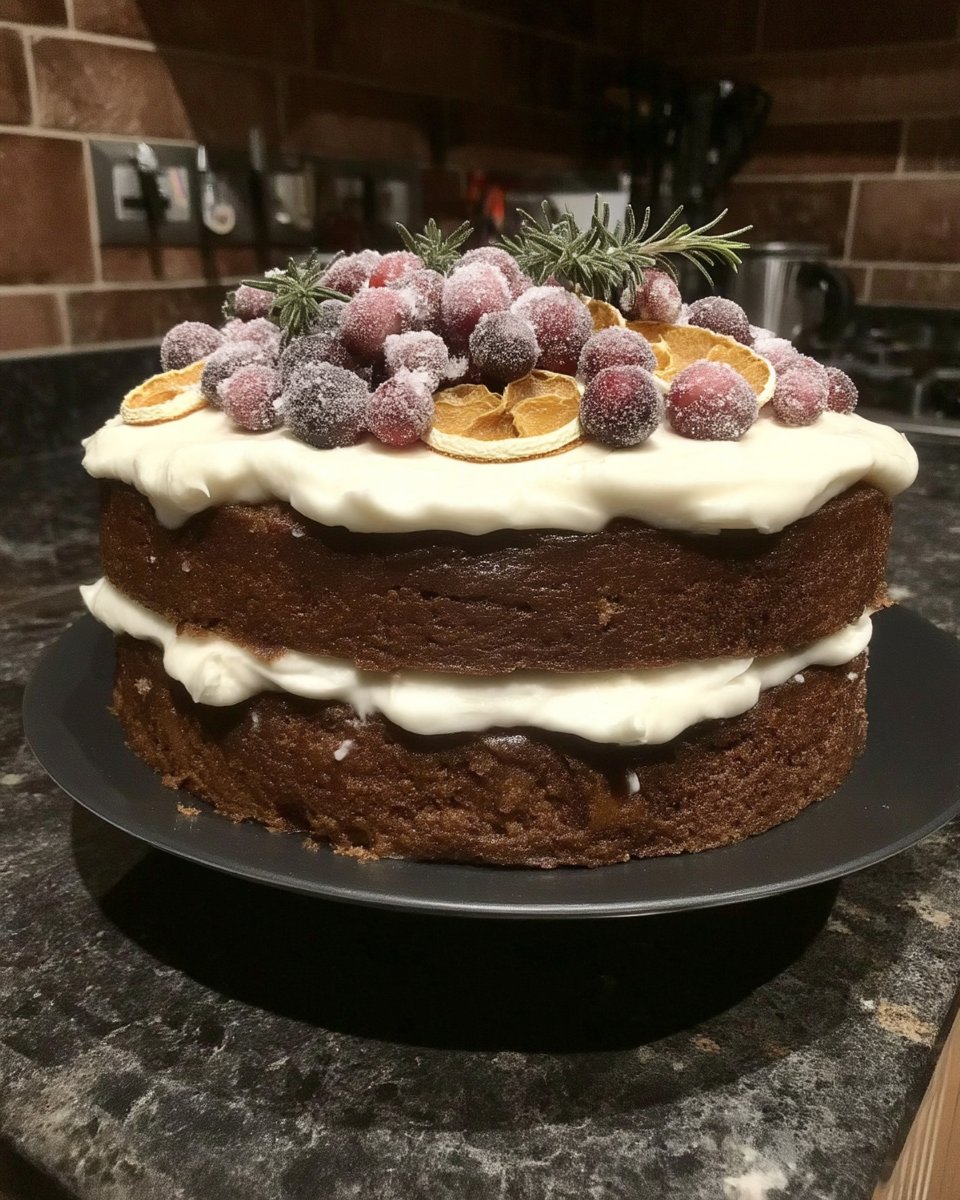
Gingerbread flavors mature over time. This cake actually tastes better on day two, as the spices have had time to diffuse further into the fat molecules of the crumb. Serve this cake at room temperature; if it’s too cold, the butter in the frosting and the dense crumb will feel waxy on the palate. The spiced cream cheese frosting provides a tangy contrast to the deep molasses flavor, balancing the sweetness profile perfectly. If you are planning a dessert table, this pairs beautifully with recipes from our effortless cookie elegance series.
The Scientific Truth
By treating a box mix as a raw ingredient rather than a complete solution, we can engineer a gingerbread cake that rivals any scratch bakery creation. The key lies in the ratios—adding density with flour and moisture with sour cream allows the spices to sing without the texture becoming gummy. We encourage you to test this method; once you master the chemistry of doctoring a mix, you will never look back. For more rigorously tested recipes, explore our artisan cookie collection. This recipe was adapted from the experts at My Cake School.
Share your results with us on Pinterest, Instagram, or Facebook. We love seeing your precision baking in action!