In the test kitchen, we experimented with cornstarch ratios ranging from one teaspoon to two tablespoons to find the exact point of protein inhibition. We discovered that exactly two teaspoons interferes with gluten formation just enough to keep the center tender while allowing the edges to set crisply. It is a delicate balance; exceed this amount, and the crumb becomes chalky, but hit it precisely, and you achieve that signature bakery softness.

This bakery style chocolate chip cookie recipe relies on melted butter for a dense, chewy foundation rather than the aeration provided by creaming solid butter. By chilling the dough for exactly 30 minutes, we allow the flour to fully hydrate and the fats to resolidify, resulting in a thicker cookie with complex caramelized notes.
The Science of Texture
Unlike standard recipes that rely solely on baking soda for lift, this formula utilizes a specific combination of chemical leavening and starch to control the spread. The melted butter creates a denser, fudgier crumb, while the addition of cornstarch prevents the cookie from toughening as it cools. This precise interaction guarantees a product that stays soft in the center for days, mimicking the structural integrity of professional bakery treats.
Print
Bakery Style Chocolate Chip Cookies
- Total Time: 1 hour
- Yield: 8 large cookies
- Diet: Vegetarian
Description
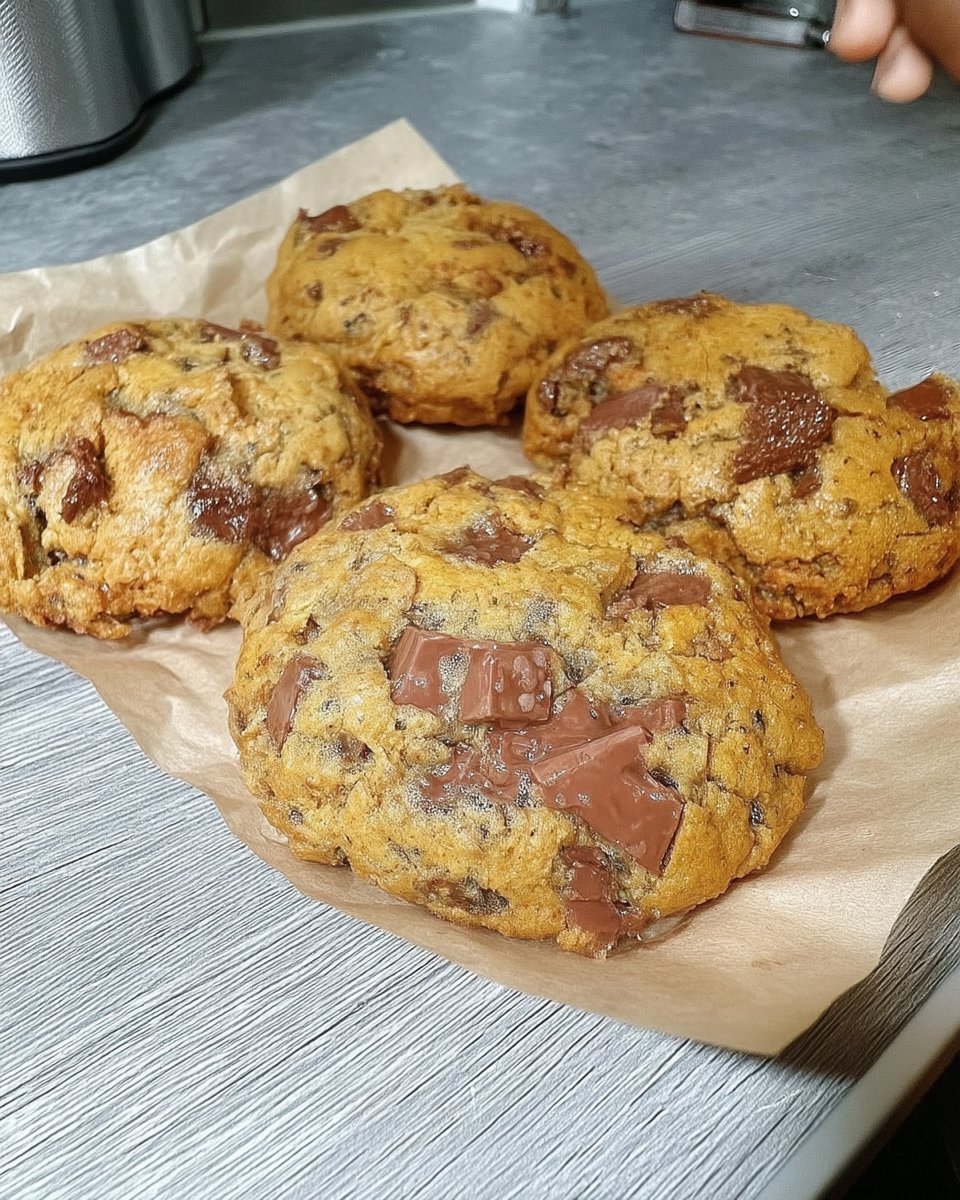
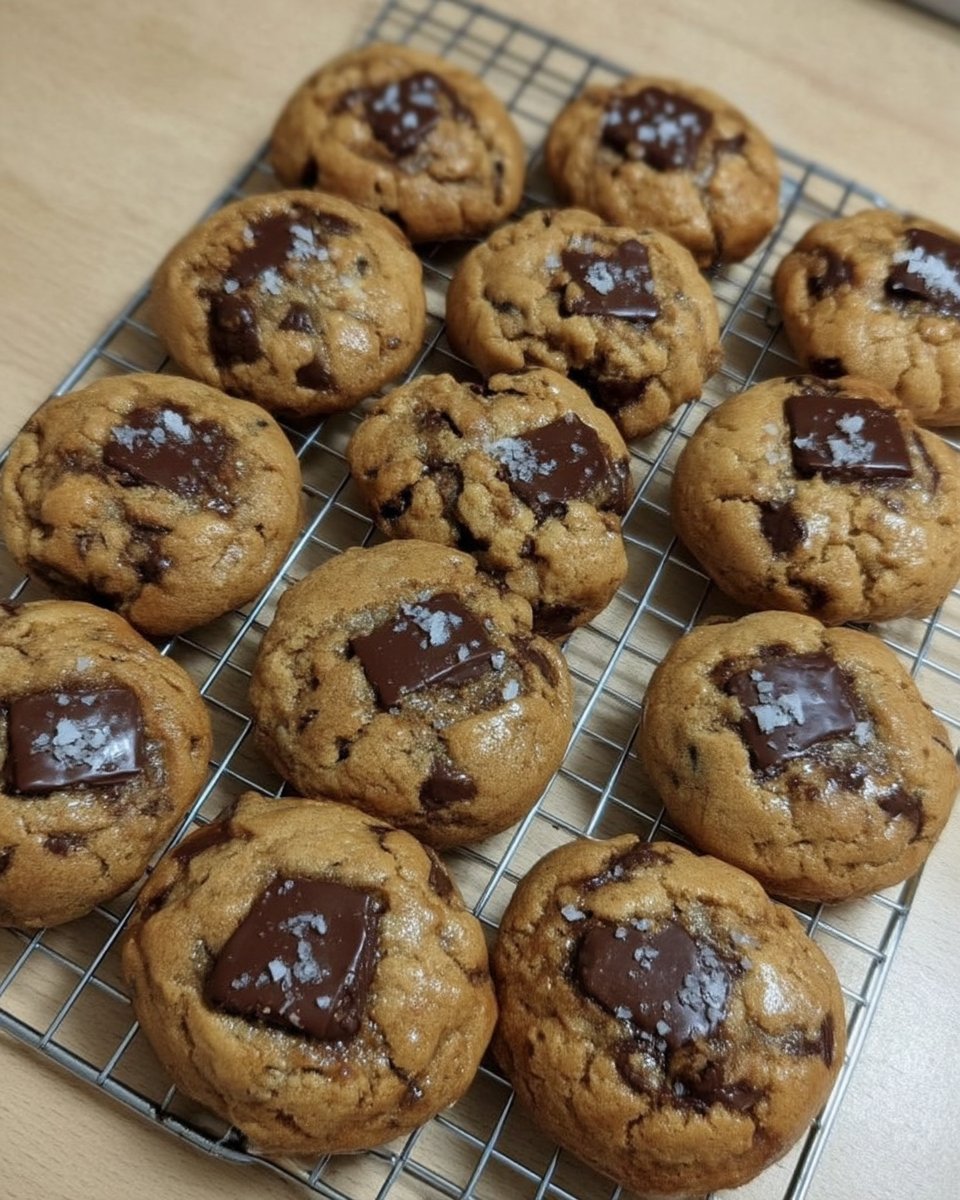
These oversized, bakery-style cookies utilize a precise ratio of cornstarch and melted butter to create a dense, fudgy center and crisp golden edges. By chilling the dough and using a lower oven temperature, you achieve a professional texture that mimics high-end artisanal treats.
Ingredients
- 1 cup (226g) unsalted butter, melted and cooled to room temperature
- 3/4 cup light brown sugar, packed
- 1/2 cup granulated sugar
- 1 large egg, room temperature
- 1 teaspoon vanilla extract
- 2 teaspoons cornstarch
- 1/2 teaspoon baking soda
- 1/2 teaspoon baking powder
- 1/2 teaspoon salt
- 2 cups all-purpose flour, spooned and leveled
- 1 1/4 cups semi-sweet or milk chocolate chips
- 1/4 cup additional chocolate chips, for topping
Instructions
- Melt the unsalted butter in a microwave-safe bowl and set aside until it returns to room temperature.
- In a large mixing bowl, whisk together the cooled butter, light brown sugar, and granulated sugar until well combined.
- Add the egg and vanilla extract, whisking vigorously for approximately 60 seconds until the mixture is smooth and fully emulsified.
- Whisk in the cornstarch, baking soda, baking powder, and salt until evenly distributed.
- Using a spatula or wooden spoon, gently stir in the flour just until no white streaks remain, being careful not to overmix. Fold in 1 1/4 cups of chocolate chips.
- Divide the dough into 8 equal portions (about 4 ounces each). Place the dough balls in an airtight container and chill for exactly 30 minutes.
- Preheat your oven to 325°F (163°C) and line a large baking sheet with parchment paper or a silicone mat.
- Place 3 dough balls on the prepared sheet, spacing them several inches apart. Bake for 13–18 minutes until the edges are golden but the centers still appear soft.
- Immediately press the remaining chocolate chips into the tops of the warm cookies. Allow them to set on the pan for 15 minutes before transferring to a cooling rack.
Notes
For the most accurate results, use a digital kitchen scale to weigh your dough portions to exactly 113 grams each. If you prefer a more complex flavor profile, try using a mixture of dark chocolate chunks and semi-sweet chips. Always ensure your baking soda is fresh to provide the necessary lift against the heavy, starch-enriched dough.
- Prep Time: 15 mins
- Cook Time: 15 mins
- Category: Dessert
- Method: Baking
- Cuisine: American
The Formula for Structure
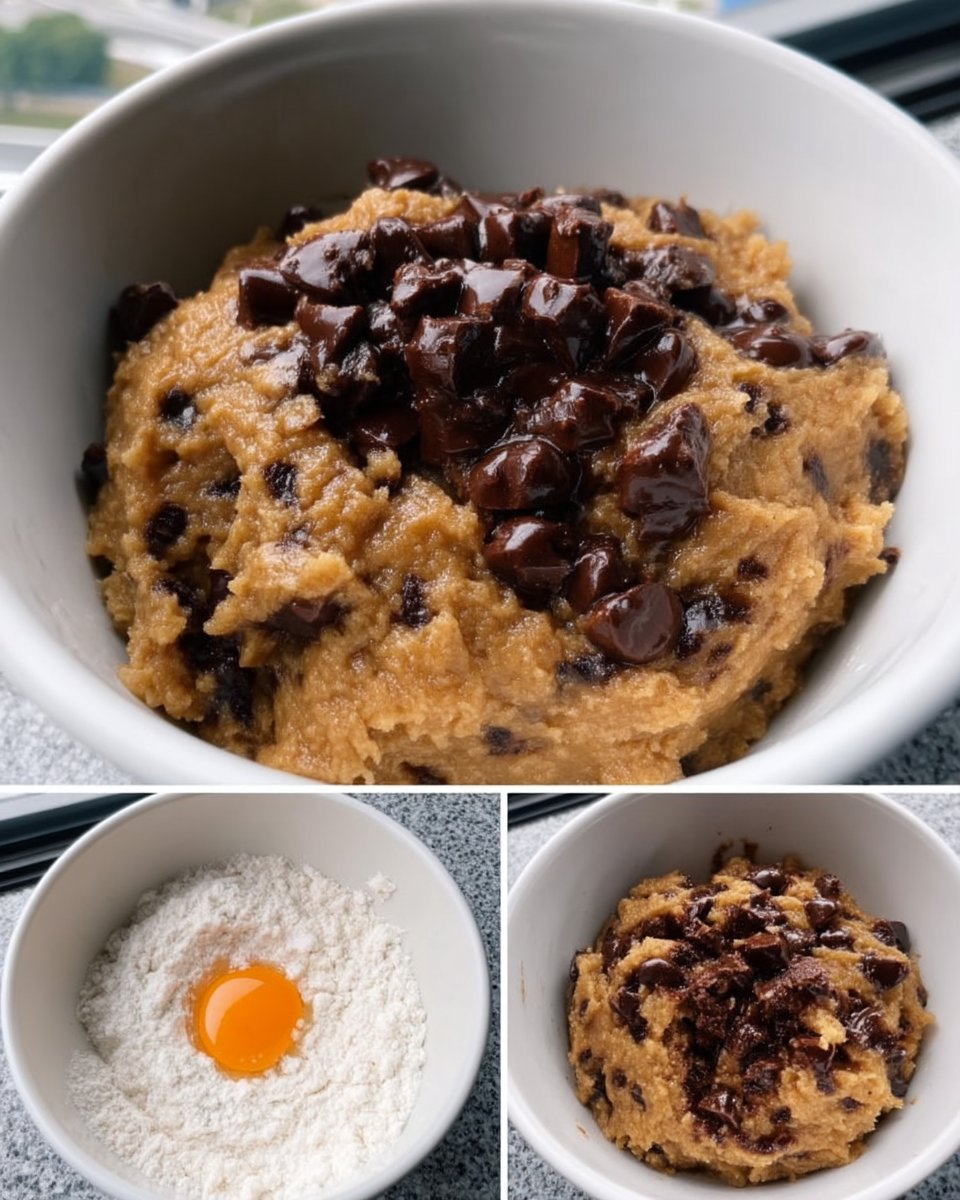
To achieve the correct chemical reaction in the oven, accurate measurement of these components is critical.
- Melted Unsalted Butter: Using melted butter instead of softened reduces the amount of air incorporated during mixing, leading to a denser, chewier texture. We use unsalted to control the sodium variance.
- Cornstarch: This is the tenderizing agent. It softens the proteins in the flour, ensuring the cookie remains thick and soft rather than spreading into a thin crisp.
- Light Brown Sugar: The acidity in brown sugar reacts with the baking soda, while its molasses content adds moisture and chewiness.
- Large Egg: Provides the necessary structure and emulsification to bind the fat and liquid ingredients.
- All-Purpose Flour: The protein structure base. Measuring this correctly (spoon and level) is vital to prevent a dry puck.
- Chocolate Chips: We recommend a mix of semi-sweet and milk chocolate for a balanced flavor profile that isn’t overly saccharine.
The Method for Precision
Step 1: Lipid Management
Start by melting the butter in a microwave-safe bowl. It is imperative to let it cool back to room temperature before proceeding. Adding hot butter to sugar can prematurely melt the sugar crystals and cook the egg, compromising the final structure. Once cooled, scrape it into a large bowl.
Step 2: Emulsification
Add the brown and granulated sugars to the butter and whisk until combined. Introduce the egg and vanilla extract, whisking briskly. You are looking for a smooth, emulsified mixture where the lipids and liquids are fully integrated—this usually takes about 60 seconds of vigorous whisking.
Step 3: Dry Integration
Add the cornstarch, baking soda, baking powder, and salt, whisking to distribute them evenly. Switch to a spatula or wooden spoon and stir in the flour. Stop mixing the moment the flour streaks disappear. Overmixing at this stage develops excess gluten, which contradicts the tenderizing work of the cornstarch. Fold in 1-1/4 cups of the chocolate chips.
Step 4: Hydration Period
Divide the dough into 8 equal portions (approximately 4 ounces or 113 grams each) to ensure even baking. Chill the dough balls in an airtight container for exactly 30 minutes. This rest period allows the flour to absorb moisture and the fat to firm up, preventing excessive spreading in the oven.
Step 5: Thermal Application
Preheat your oven to 325°F (163°C). Line a large sheet pan with parchment paper or a silicone mat. Place 3 dough balls on the pan, spacing them generously. Bake for 13–18 minutes. Visually, the edges should be set and golden, but the centers should still look slightly underdone. Remove from the oven and immediately press the remaining chocolate chips onto the tops for a professional finish. Let them set on the tray for 10–15 minutes before moving to a cooling rack.
Lauren’s Lab Notes
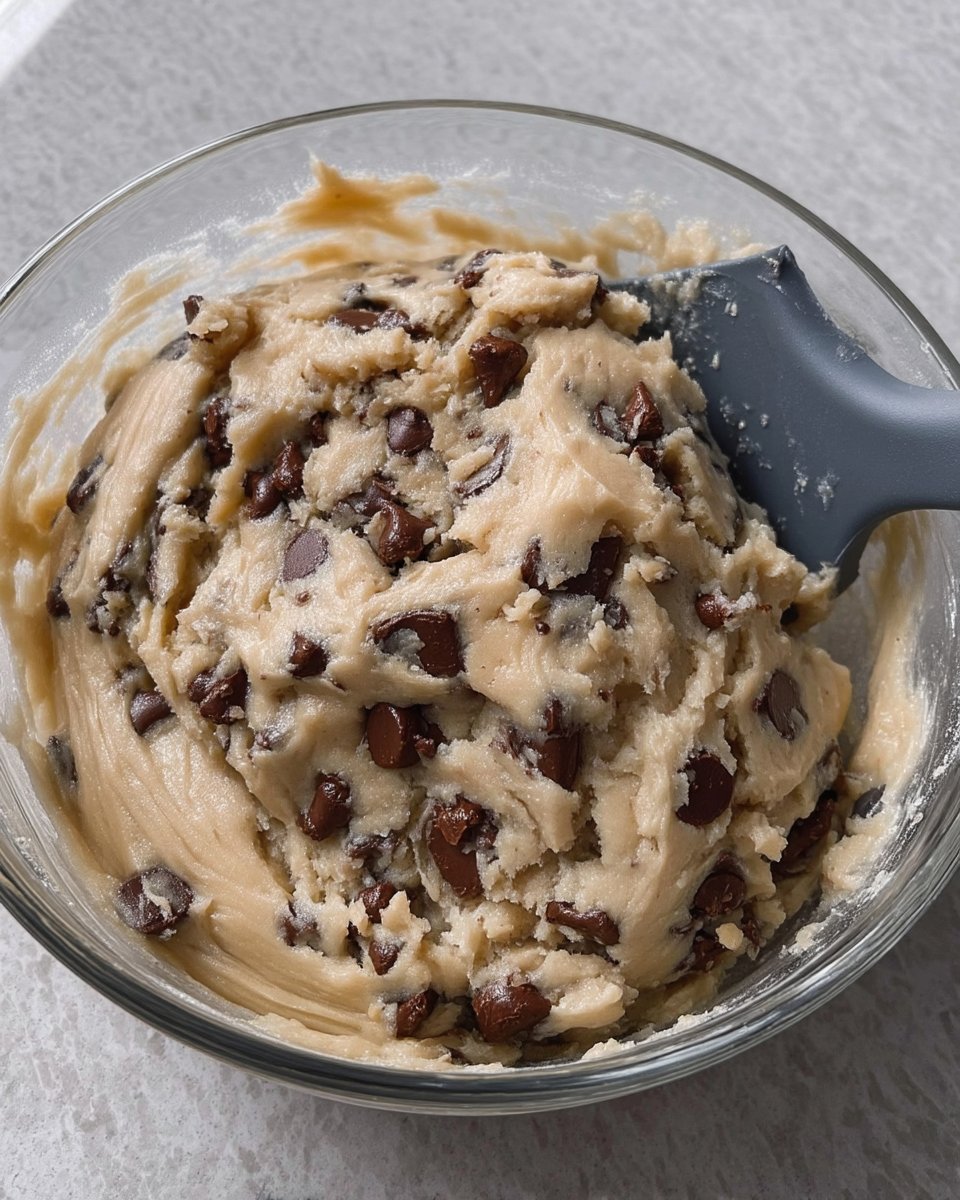
- Temperature Accuracy: An oven thermometer is essential here. A variance of just 25 degrees can alter the spread significantly. We bake at 325°F, which is lower than standard, to allow the center to cook gently without burning the high-sugar edges.
- Visual Cues: Pull the cookies when they look slightly underbaked in the middle. The residual heat on the pan will continue the cooking process (carryover cooking) to set the structure perfectly.
- Ingredient Quality: For more consistent results in your Artisan Cookie Collection, always use fresh baking soda; if it is older than six months, it may not provide the necessary lift.
- Measuring Flour: If you do not have a scale, fluff your flour with a spoon, sprinkle it into the measuring cup, and level it off. Scooping directly packs the flour, adding up to 20% more mass and drying out the dough.
Tested Variations
- Nutty Crunch: To add texture without altering the moisture balance, toast walnuts or pecans for 5 minutes before adding them. Use 1/2 cup of nuts and reduce the chocolate chips by 1/4 cup.
- Chocolate Science: While semi-sweet is standard, using chopped chocolate bars instead of chips creates pools of chocolate that layer well with the dense dough. Dark chocolate (70% cocoa) provides a bitter contrast to the brown sugar.
- Spiced: For a warming profile suitable for Seasonal Cookie Design, whisk 1/2 teaspoon of cinnamon and a pinch of nutmeg into the flour mixture.
Pairing Chemistry
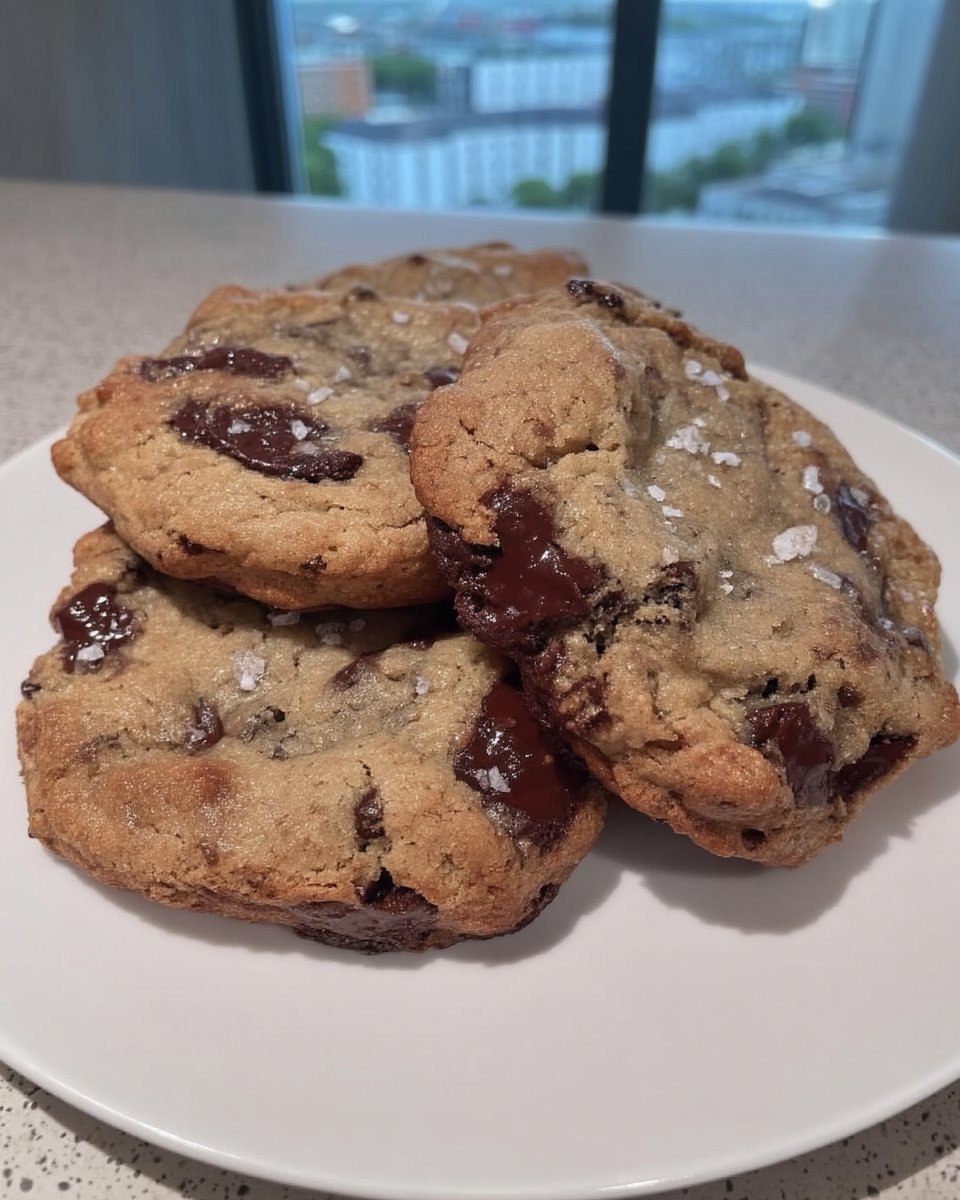
These cookies are engineered to be dense and rich, making them an ideal candidate for dairy pairing. The proteins in cold milk act as a palate cleanser, cutting through the high fat content of the butter and chocolate. For a sophisticated finish, a sprinkle of flaky sea salt enhances the sweetness by triggering the salt receptors on your tongue, increasing the perception of flavor complexity. Explore more pairing ideas in our Trending Cookie Creations section.
Precision Baking
Mastering this bakery style chocolate chip cookie is about respecting the chemistry of cornstarch and melted butter. Once you understand how these variables control texture, you can approach baking with confidence rather than hope. Keep testing and refining your technique. For more foolproof recipes, check out our guide to Effortless Cookie Elegance. You can also compare our density ratios with other popular methods, such as those found on Chelsea’s Messy Apron.
Share your results with us on Pinterest, Instagram, or Facebook.