In the test kitchen, we ran comparative trials between hand-rubbed dough and food processor pulsing to determine the impact on crumb density. We found that keeping the butter cool and distinct until the moment it enters the oven is critical for achieving that characteristic snap. By using a food processor, we minimize heat transfer from hands, preserving the solid fat structure needed for a tender, sandy texture.

This recipe relies on a precise 2.5:1 volume ratio of flour to butter, eliminating the need for eggs or leavening agents. We utilize caster sugar for its rapid dissolution properties in this low-moisture environment, ensuring the dough binds without becoming tough. The result is a scientifically balanced cookie that highlights the quality of your butter.
The Physics of Texture
Shortbread is unique because it lacks chemical leavening agents; its structure relies entirely on the mechanical aeration of butter and the steam released during baking. This recipe prioritizes a high fat content to coat the gluten strands, preventing them from forming a tough network.
By using caster sugar, which has a finer grain size than granulated sugar, we achieve a more consistent distribution of sweetness and a tighter crumb. The specific bake temperature of 350°F (175°C) allows the starches to set firmly without burning the high sugar content, resulting in a melt-in-your-mouth experience that is structurally sound.
Print
Scottish Shortbread
- Total Time: 45 mins
- Yield: 16 squares
- Diet: Vegetarian
Description
Discover the science of the perfect crumb with this traditional Scottish shortbread recipe. By balancing high-quality butter with a precise compression technique, you can create a buttery, golden treat that offers a professional-grade snap and melt-in-your-mouth texture.
Ingredients
- 2 1/2 cups all-purpose flour
- 1 cup unsalted butter, cubed and cool (European-style preferred)
- 1/2 cup caster sugar
- 1/2 teaspoon salt
- Extra caster sugar for sprinkling
Instructions
- Preheat your oven to 350°F (175°C) and grease an 8×8 or 9×9 inch square baking pan, optionally lining the bottom with parchment paper for easy removal.
- Combine the flour, cubed butter, caster sugar, and salt in a food processor and pulse in short bursts until the mixture resembles coarse breadcrumbs and clumps together when pressed.
- Pour the crumbly mixture into the prepared pan and press it down firmly into an even layer using your fingers or the bottom of a measuring cup.
- Use a fork to prick rows of holes across the surface of the dough to allow steam to escape during the baking process.
- Bake on the middle rack for 30–35 minutes until pale golden, then remove and immediately sprinkle with extra caster sugar before slicing into rectangles while still warm.
Notes
For the most consistent results, ensure your butter is cool to the touch (about 65°F) before processing, as warm butter will lead to a greasy, tough dough. If you are baking in a humid environment, you may need to increase the bake time by 2-3 minutes to ensure the center is fully set and crisp. Always store the finished shortbread in an airtight container at room temperature to maintain its characteristic sandy texture.
- Prep Time: 15 mins
- Cook Time: 30 mins
- Category: Dessert
- Method: Baking
- Cuisine: Scottish
The Formula
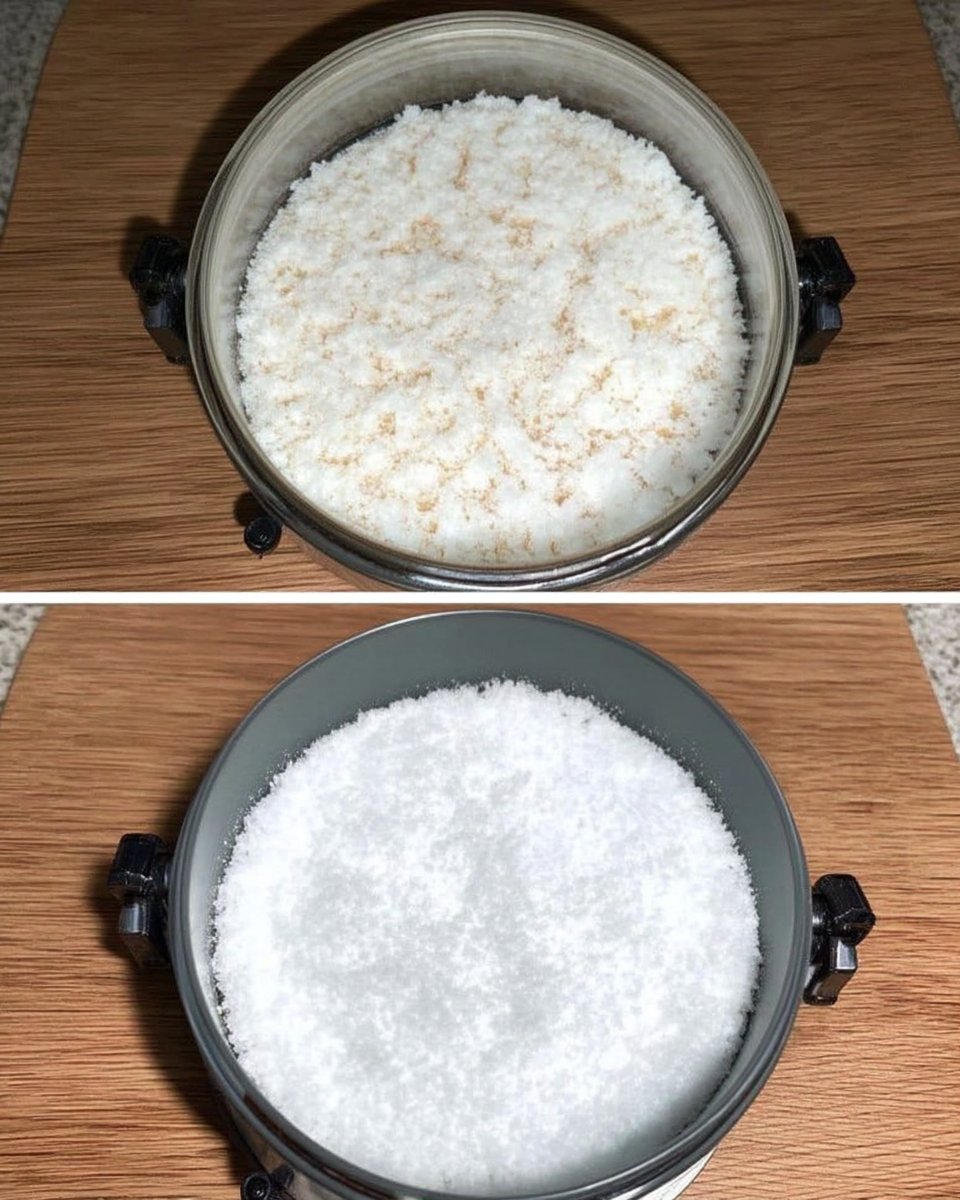
All-Purpose Flour: We use standard all-purpose flour here. Its moderate protein content provides just enough structure to hold the shape without creating the chewiness found in bread flour.
Unsalted Butter: This is the most critical variable. Since this recipe is nearly 30% fat by volume, use a high-quality European-style butter (aim for 82% butterfat) if possible. It must be softened but cool (around 65°F) to emulsify properly.
Caster Sugar: Also known as superfine sugar, this dissolves easier than granulated sugar in a dough with no added liquid. If you only have granulated sugar, pulse it in a blender for a few seconds to refine the crystals.
Salt: A precise half-teaspoon balances the rich fatty acids of the butter and suppresses bitterness, allowing the sweet and toasted notes to come forward.
The Method
Step 1: Thermal Preparation
Preheat your oven to 350°F (175°C). Verify your oven temperature with an external thermometer if possible, as accuracy is key for even browning. Grease an 8×8 or 9×9 inch square baking pan with butter. For easier removal, you can line the bottom with parchment paper.
Step 2: The Emulsion
Place the 2 1/2 cups of flour, 1 cup of cubed butter, 1/2 cup caster sugar, and 1/2 teaspoon salt into the bowl of a food processor. Pulse the mixture in short bursts. You are looking for a texture resembling coarse breadcrumbs. Stop immediately once the dough looks moist and clumps together when pressed between your fingers. Do not over-process, or you will develop gluten and melt the butter, leading to a tough cookie.
Step 3: Compression
Pour the crumbly mixture into your prepared pan. Using firm pressure with your fingers or the flat bottom of a measuring cup, press the dough down into an even layer. This compression is vital; if the dough is too loose, it will crumble after baking. If the mixture feels too dry to bind, it likely needed a few more pulses in the processor.
Step 4: Docking
Using a fork, prick the surface of the dough to create rows of holes. This process, called docking, allows steam to escape from the dense dough during baking, preventing bubbling and ensuring a flat surface. For cleaner slices later, you can score the dough lightly with a knife between the fork rows now.
Step 5: The Bake
Place the pan on the middle rack and bake for 30–35 minutes. You are looking for a pale golden color and a firm surface. Remove from the oven and immediately sprinkle with extra caster sugar. Let the shortbread cool in the pan for 10 minutes before cutting into rectangles or wedges while still warm.
Lauren’s Lab Notes
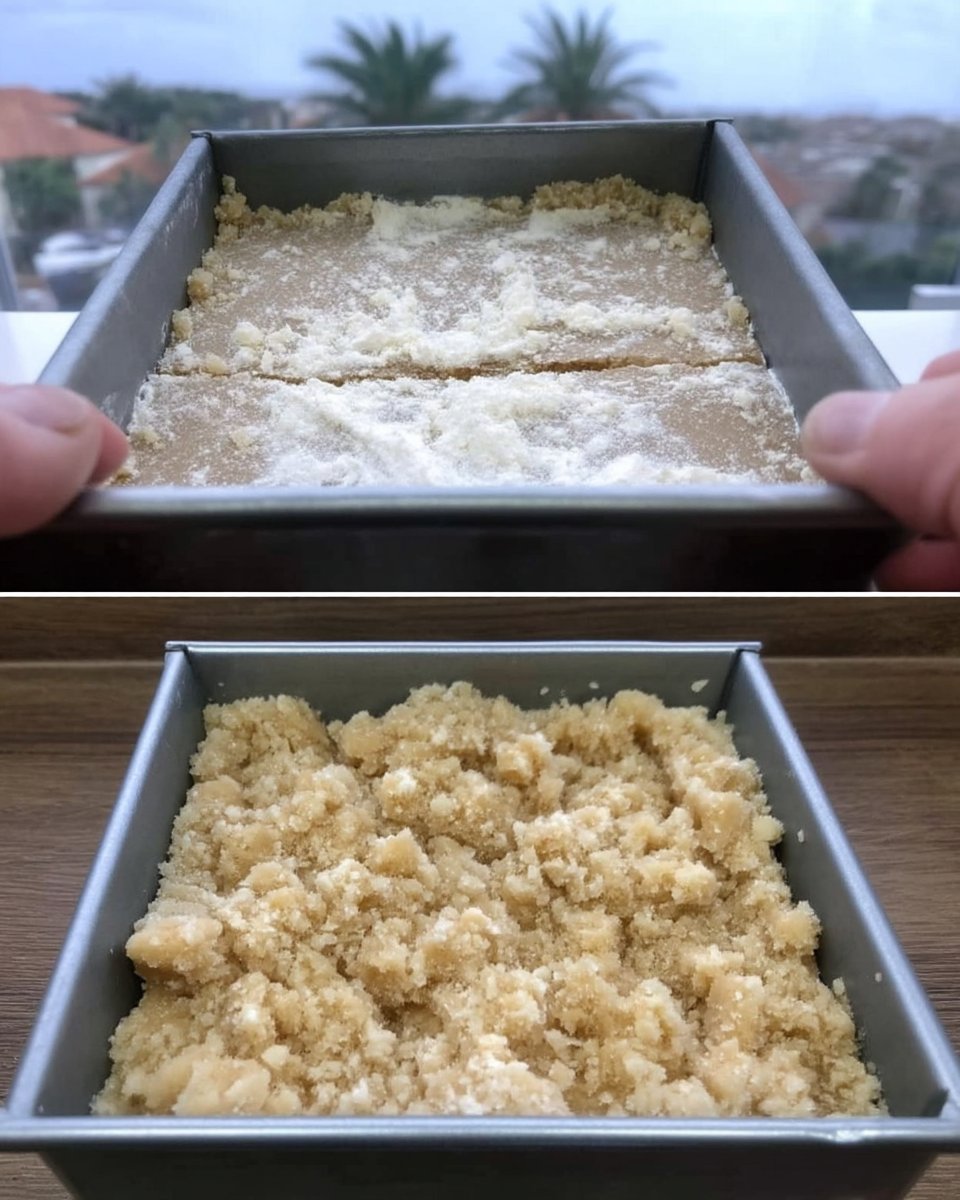
Watch the Temperature: If your kitchen is warm (above 75°F), chill the dough in the pan for 10 minutes before baking. This relaxes any developed gluten and re-solidifies the fat, preventing spread.
Slicing Mechanics: Shortbread hardens significantly as it cools. For clean lines without breakage, slice the cookies while they are still warm, about 10 minutes after removing from the oven. If you wait until they are fully cool, they may shatter.
Troubleshooting Dryness: If your dough refuses to come together, your flour measurement might have been heavy-handed (packed flour vs. spooned). Add one teaspoon of butter at a time and pulse until the texture corrects.
For more ideas on achieving perfect textures, check out our Effortless Cookie Elegance guide.
Tested Variations
Citrus Infusion: To add brightness without altering moisture levels, rub 1 tablespoon of lemon or orange zest into the sugar before adding it to the food processor. The friction releases essential oils for a potent flavor.
Spiced Ginger: Add 1/2 cup of finely minced crystallized ginger to the dough. Stir this in by hand after processing to prevent the ginger from becoming a paste. This adds a chewy contrast to the sandy crumb.
Botanical Add-Ins: Finely chopped dried lavender or rosemary (about 1 teaspoon) pairs beautifully with the buttery profile.
See our Artisan Cookie Collection for more flavor-pairing inspiration.
Flavor Science
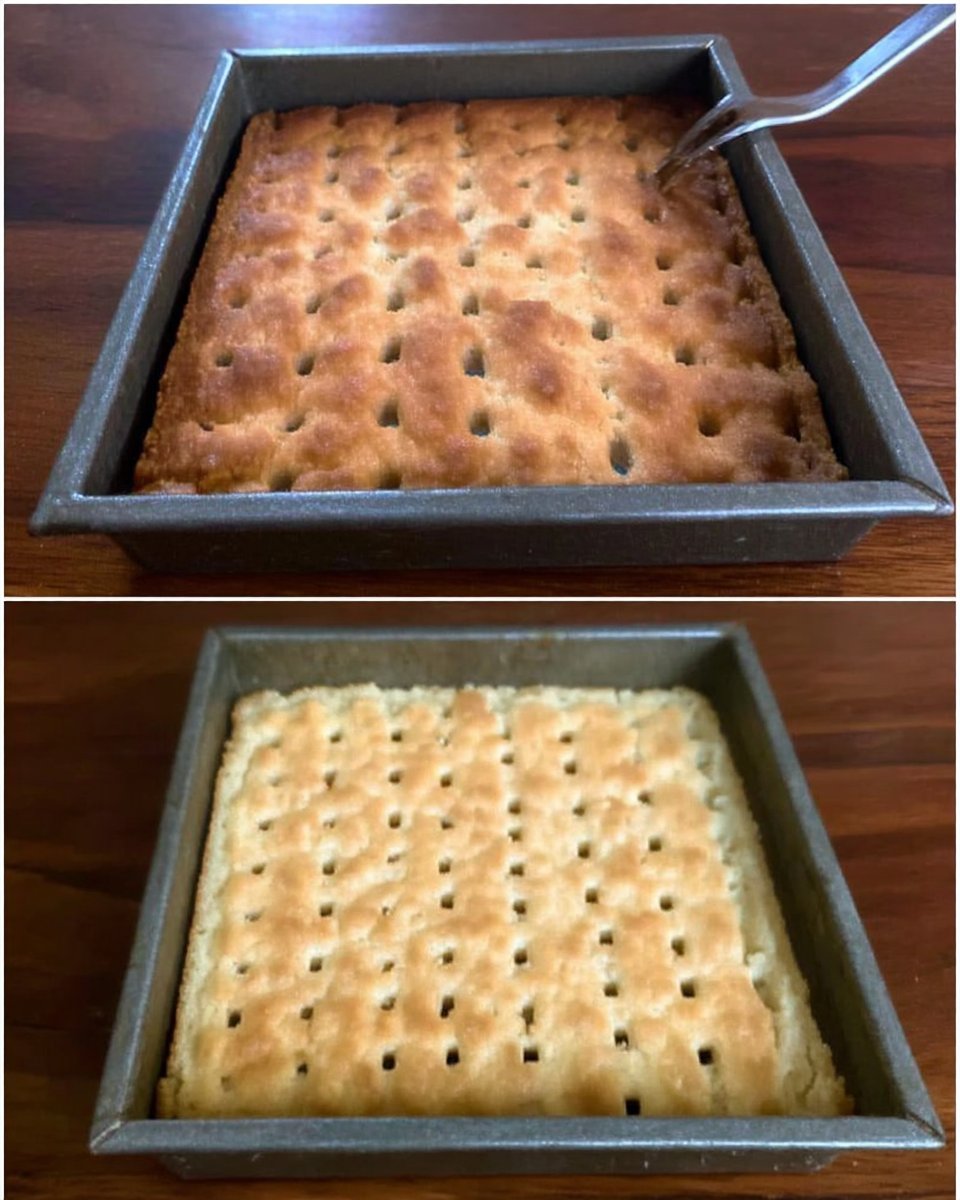
Shortbread is one of the few baked goods that improves with age. Allowing the cookies to rest in an airtight container for 24 hours allows the moisture to redistribute and the butter flavor to mature.
Serve these at room temperature to ensure the butter fat is soft enough to melt on the tongue. They pair exceptionally well with the tannins in black tea or coffee, which cut through the richness of the cookie. For a visually stunning presentation, explore our Cookie Decorating Studio tips.
Precision Baking
Mastering Scottish shortbread is a lesson in restraint and material science. By respecting the ratio of fat to flour and controlling temperature, you achieve a result that is timeless and delicious. It proves that you don’t need complex ingredients to create something spectacular—just precise execution.
If you are interested in the history of this treat, traditional Scottish shortbread history offers a fascinating look at its origins. For more seasonal inspiration, browse our Seasonal Cookie Design category.
Share your results with us on Pinterest, Instagram, or Facebook.